
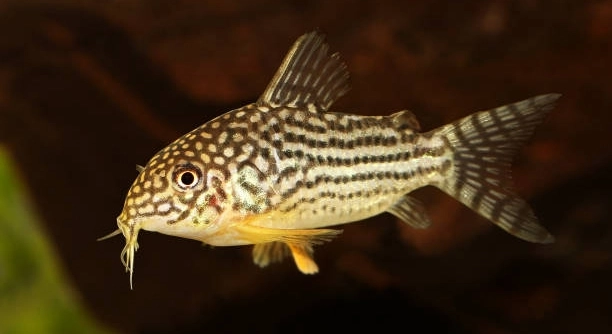
Corydoras catfish are known for their calm demeanor and playful nature. As a fish owner, you might wonder whether your Corydoras are thriving in their environment or simply going through the motions. Recognizing the signs of a happy catfish is important.
Healthy Corydoras catfish display certain behaviors that indicate they are content in their environment. These include active swimming, socializing with tankmates, a clean and vibrant appearance, and regular feeding. Their fins should be held erect, and they should not show signs of stress.
These signs help confirm whether your Corydoras are enjoying their habitat. Understanding these traits can ensure their well-being and prevent any potential issues from arising.
1. Active Swimming and Playfulness
Corydoras catfish are naturally active swimmers and enjoy exploring their tank. When they are happy, they swim freely and seem to glide around with ease. A healthy Corydoras catfish will swim back and forth, sometimes darting playfully, and often swim near the bottom of the tank. They tend to stay close to their tankmates, showing no signs of lethargy or distress. If you notice your Corydoras catfish swimming in erratic patterns or staying hidden for long periods, this may indicate an issue with their environment.
Having a spacious tank with proper hiding spots allows them to move freely. They prefer soft, smooth substrates like sand and often dig through it, searching for food. When Corydoras are active and comfortable in their environment, they display smoother, more fluid movements. If your catfish are constantly floating in one spot or swimming near the surface, you might want to check the water conditions and consider increasing the tank’s decor or space.
Tankmates also play a key role in their happiness. Corydoras thrive in the company of other peaceful fish and are known to engage in social behaviors. The presence of other fish can encourage them to explore more, boosting their activity levels.
2. Bright Colors and Clear Eyes
Healthy Corydoras are vibrant in color. When well-maintained, they display bright, clear markings that are easy to notice. Their eyes should be clear, and their fins should remain open and well-defined. A Corydoras catfish that is dull or faded may be experiencing stress or illness.
Clear eyes and bright coloration are signs of a well-balanced aquarium, where water quality is optimal. Clean water ensures the catfish’s skin maintains its healthy sheen.
3. Regular Feeding and Healthy Appetite
Corydoras are active eaters, and a healthy appetite is a strong indicator of their well-being. If your catfish are consistently eating their food and showing interest in various types of offerings, it means they are happy and comfortable. Their feeding behavior should be steady, and they should not appear disinterested or lethargic during feeding times.
A Corydoras catfish that eagerly approaches food and consumes it quickly is a sign that they are thriving. On the other hand, a lack of interest in food may suggest water quality issues, illness, or stress. Make sure you provide a balanced diet, with a variety of food options like pellets, frozen foods, and occasional live treats. Overfeeding should be avoided as it can lead to poor water conditions, which would affect the fish’s health. Consistent, healthy eating habits are a good reflection of their overall happiness.
Proper feeding ensures that your Corydoras have the energy to explore their environment and interact with their tankmates. Regularly monitor their behavior and eating habits to spot any changes that may require attention.
4. Social Behavior and Interaction with Tankmates
Corydoras catfish are naturally social animals that prefer the company of other fish. A happy Corydoras will engage with its tankmates, swimming near them or even following other fish around. This social behavior helps keep them active and engaged.
When a Corydoras is not isolated or hiding, it’s a clear sign that the fish is comfortable with its surroundings. They often form small groups, even in larger tanks, and communicate by “playing” with each other or swimming in tandem. If a Corydoras remains distant from other fish or spends too much time hiding, it may be stressed. Social interactions are important for their mental and physical health.
Having compatible tankmates also helps foster this positive social behavior. Ensure your Corydoras are housed with peaceful fish, as aggression can lead to stress and unhealthy behavior patterns. A well-maintained tank with suitable companions will encourage your Corydoras to feel secure and show their playful nature.
5. Clean, Well-Maintained Habitat
A clean tank environment is crucial for Corydoras catfish happiness. Happy Corydoras thrive in tanks with proper filtration, clean water, and minimal algae buildup. If the water quality is poor or if the tank is overcrowded, the catfish may become stressed, affecting their health.
Regular water changes and proper tank maintenance help ensure your Corydoras stay healthy and active. A tank that is kept free from excess waste or uneaten food also prevents harmful toxins from building up. The substrate should be clean and free of debris. A well-maintained environment promotes the overall happiness of your fish and prevents issues like skin problems or disease.
Creating a stable, clean environment keeps Corydoras comfortable and helps them live longer, healthier lives. Consistency in care is key to a thriving, active fish.
6. Peaceful Behavior and Relaxed Demeanor
Corydoras are known for their peaceful nature. When happy, they maintain a relaxed demeanor, free from aggression. Stress from overcrowding or poor water conditions can cause them to act skittish or hide more often.
Peaceful tankmates and a calm environment help keep them at ease.
7. Regular Fin Movement
Corydoras should constantly display gentle fin movements. This includes constant and smooth motions, often swaying with the water current. When their fins remain stiff or folded, it could signal an underlying issue like poor water quality or injury.
FAQ
What should I do if my Corydoras catfish isn’t eating?
If your Corydoras catfish isn’t eating, the first thing to check is the water quality. Poor water conditions, such as high ammonia or nitrite levels, can cause a decrease in appetite. Ensure the tank is properly filtered and perform a water change if necessary. Additionally, check the temperature; Corydoras are more active at temperatures between 72-78°F (22-26°C). If the environment is unsuitable, the fish may refuse food. Another possibility is stress caused by incompatible tankmates or overcrowding. Finally, look at the food itself; Corydoras may not be interested in food if it’s not suitable or fresh. Try offering a variety of food options, such as sinking pellets, frozen foods, or live foods, to see if they respond better.
Why is my Corydoras catfish hiding all the time?
Hiding is often a sign of stress or illness in Corydoras. This behavior may occur if the fish feels threatened by aggressive tankmates or if it is not comfortable in its environment. Water quality plays a crucial role; poor water conditions can cause stress, making Corydoras hide more. Ensure the tank has proper filtration, a stable temperature, and low levels of ammonia, nitrite, and nitrate. If the hiding persists, it could indicate illness or injury. Corydoras may also hide to avoid bright lighting, as they are naturally bottom-dwelling fish that prefer dimmer environments. Provide plenty of hiding spots like plants, caves, or smooth substrate to make them feel secure.
How can I tell if my Corydoras catfish is sick?
Sick Corydoras may exhibit several symptoms, such as lethargy, loss of appetite, discoloration, or visible lesions on the skin. If your fish is swimming erratically, staying near the surface, or has its fins clamped, these can be signs of illness. Additionally, watch for abnormal behaviors, such as rubbing against tank decorations or the substrate, which may indicate skin parasites or irritation. If you notice any of these symptoms, test the water quality first, as poor conditions often contribute to illness. If the water is fine, consider seeking advice from a veterinarian or a fish expert to properly diagnose and treat the issue.
What temperature is best for Corydoras catfish?
Corydoras catfish prefer a water temperature between 72°F and 78°F (22°C to 26°C). Keeping the water within this range helps to promote their health and activity levels. If the temperature fluctuates too much or falls outside this range, it could stress the fish, causing a decline in their overall well-being. When setting the temperature, consider using an aquarium heater with a thermostat to maintain stability. Corydoras are sensitive to temperature changes, so it is important to avoid sudden shifts, especially when acclimating them to a new tank or water change.
Do Corydoras need a sand substrate?
Corydoras catfish thrive in tanks with a soft, smooth substrate like sand. Their barbels, which are sensitive and used for detecting food, can easily become damaged if they come into contact with sharp substrates such as gravel. Sand provides a comfortable environment for them to forage and burrow, which is a natural behavior. It also helps keep their barbels intact, promoting their overall health. However, if you use sand, be sure it is fine-grained and not too coarse, as overly rough sand can still cause damage. Regularly vacuum the substrate to keep it clean and avoid waste buildup.
How often should I feed Corydoras catfish?
Corydoras catfish should be fed once or twice a day, depending on their size and activity level. Overfeeding can lead to poor water quality, so it is best to feed them only what they can consume in a few minutes. Offer a variety of food options, such as sinking pellets, frozen foods, or live foods, to keep them interested and provide a balanced diet. Be sure to remove any uneaten food after 10-15 minutes to prevent it from decomposing and affecting water quality. If you have multiple fish in the tank, make sure all have access to food by placing it in different spots.
Can Corydoras live with other fish?
Yes, Corydoras catfish are peaceful and can live harmoniously with other non-aggressive fish. They prefer being in groups of three or more, as they are social animals and feel safer with their own kind. Ideal tankmates for Corydoras include small, peaceful species such as tetras, guppies, and rasboras. Avoid housing them with aggressive fish, as they may stress out the Corydoras or cause injury. Additionally, ensure that tankmates do not compete for food, as Corydoras are bottom dwellers and need food that sinks to the substrate. Providing plenty of hiding spots and swimming space can help reduce stress.
What is the lifespan of Corydoras catfish?
Corydoras catfish typically live between 5 to 10 years, depending on the care they receive. Factors such as water quality, diet, and tank conditions can influence their lifespan. Regular maintenance, including water changes, proper filtration, and appropriate feeding, will help ensure they live a long, healthy life. Providing a peaceful environment with compatible tankmates also contributes to their well-being. If their needs are met and they are kept in a stable environment, Corydoras can live for many years, offering you the joy of their playful and peaceful nature.
Why are my Corydoras catfish swimming at the surface?
Corydoras usually swim near the bottom of the tank, but if they are swimming at the surface, it could be due to poor water conditions, low oxygen levels, or high temperatures. Corydoras are sensitive to these changes and may swim near the surface to breathe if the water lacks oxygen. Make sure the filtration system is working well and that the tank is properly aerated. Also, check the temperature, as Corydoras prefer cooler water. If the water quality is poor, perform a water change and test for ammonia, nitrite, and nitrate levels. Consistent monitoring will prevent further issues.
Do Corydoras catfish need a filter?
Yes, Corydoras catfish require a filter to maintain clean water and ensure a healthy environment. These fish are sensitive to toxins like ammonia and nitrites, which can build up in the tank if the water isn’t properly filtered. A good filter will help remove waste and uneaten food, keeping the water clean and safe. It is important to choose a filter that provides adequate water flow, but not too strong, as Corydoras prefer calm waters. Ensure the filter is properly maintained and cleaned to avoid clogging or inefficiency.
Final Thoughts
Corydoras catfish are fascinating creatures that thrive in clean, well-maintained environments. By focusing on providing optimal water quality, a balanced diet, and appropriate tankmates, you can ensure your Corydoras remain happy and healthy. These fish have a peaceful nature and are relatively low-maintenance, making them great additions to many aquariums. However, like all pets, they require regular care and attention to thrive. Maintaining a stable environment and staying vigilant about their health will result in years of enjoyment from these bottom-dwelling fish.
Understanding the signs that your Corydoras are happy in their environment can help prevent stress and illness. Whether it’s observing their playful behavior, active movements, or interactions with other tankmates, paying attention to these details will ensure they are comfortable. Regular water changes, proper filtration, and suitable tank decor are essential in creating a healthy habitat for your fish. Additionally, keeping track of any changes in their behavior or appearance will allow you to address issues early before they become serious.
Ultimately, keeping Corydoras catfish is a rewarding experience. Their peaceful temperament and simple care requirements make them ideal for both beginner and experienced aquarium owners. If you follow basic guidelines for water quality, feeding, and tank conditions, your Corydoras will thrive in your aquarium. Providing them with a stress-free environment and monitoring their health will help ensure they live long, happy lives. These catfish are not only beautiful but also a joy to observe as they interact with their surroundings.

Hello,
If you enjoy the content that we create, please consider saying a "Thank You!" by leaving a tip.
Every little bit helps us continue crafting quality advice that supports the health, happiness, and well-being of pets around the world, for pets of all shapes, sizes, and species.
We really appreciate the kindness and support that you show us!