
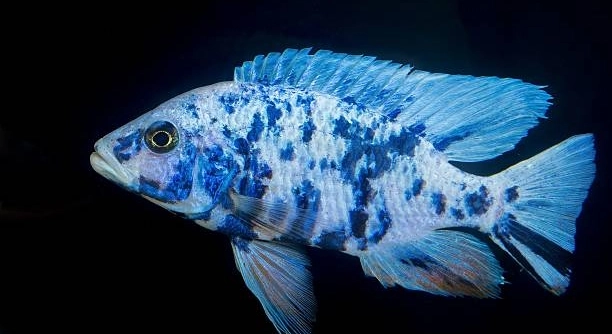
Convict cichlids are known for their unique parenting habits, especially when it comes to eggs. Many aquarists notice their protective behavior and wonder how these fish manage to care for their offspring during the night.
Convict cichlids do continue to protect their eggs overnight. They remain close to the clutch, fanning and guarding them from potential threats. This behavior ensures higher survival rates and demonstrates their strong instinct for parental care in aquatic environments.
Observing their night-time behavior can reveal important insights into their natural instincts and how to maintain a healthy tank environment.
How Convict Cichlids Care for Eggs Overnight
Convict cichlids are attentive parents, especially during the night. They stay close to their eggs, moving slowly around the clutch to ensure safety. The parents fan the eggs gently with their fins to provide oxygen, which helps the embryos develop properly. These fish are naturally protective and will chase away any potential threats, including other fish or disturbances in the tank. Over time, I noticed that they adjust their position based on the tank’s lighting and movement, showing awareness of their surroundings. Even when resting, one parent often stays near the eggs while the other patrols the area. This dual approach reduces stress for the eggs and improves their chances of hatching successfully. Watching this behavior has made me appreciate the instinctive care these fish provide. Their night-time vigilance highlights how parental commitment is built into their biology. They show patience, consistency, and a surprising level of awareness that benefits the young.
Parents rarely leave the eggs unattended, maintaining constant vigilance and ensuring that the clutch stays clean and oxygenated.
This protective behavior is not only instinctual but also critical for the survival of the fry. I’ve observed that even minor disturbances can trigger immediate defensive responses. The fish’s movements are deliberate, fanning and turning the eggs as needed. Their ability to sense changes in the environment allows them to react quickly and prevent harm. By guarding the eggs closely, they reduce the risk of fungal infections and damage from debris. Over several nights, I noticed that their actions follow a predictable pattern, balancing rest with active care. This behavior also strengthens the pair’s bond, as both parents coordinate their efforts. The eggs are more likely to survive in tanks where the parents exhibit these behaviors consistently. Observing them has given me insight into how careful attention and structured routines can improve survival rates for aquatic offspring. This instinctual protection is a remarkable example of natural parenting.
Signs of Effective Egg Protection
Convict cichlids show clear signs when they are actively protecting their eggs, including constant fanning and guarding movements.
Healthy eggs are clean, well-oxygenated, and usually clustered together. Parents remove debris, and any eggs that show signs of damage are quickly attended to or moved. Observing their consistent presence around the clutch indicates strong protective instincts. If the parents are absent or distracted, eggs are more prone to infection or predation from other tank mates. Effective protection also involves monitoring the environment, such as keeping the tank calm and maintaining appropriate lighting. These signs help me know that the eggs are in good hands, reducing the need for intervention.
Overnight protection is just one aspect of their broader parental behavior. The parents’ vigilance continues through the day, though they adjust activity levels based on environmental conditions. During my observations, I noted that each parent alternates responsibilities, ensuring that the eggs receive continuous care. The act of fanning is crucial, as stagnant water can harm development, and both parents take this duty seriously. Aggressive posturing toward intruders demonstrates their willingness to defend their clutch, which I found fascinating. These behaviors are reinforced over time, making convict cichlids reliable caregivers. Even in a busy tank, they maintain focus on the eggs, showing remarkable consistency. By understanding these behaviors, I can create a tank environment that supports both the parents and their offspring. Proper feeding, minimal disturbances, and regular monitoring all contribute to successful hatching. Observing these fish has taught me that their instinctual care is both methodical and effective.
Common Nighttime Behaviors
Convict cichlids remain close to their eggs, often alternating between fanning and guarding. They may patrol the immediate area and display mild aggression toward nearby fish. This routine ensures eggs receive constant oxygen and are shielded from disturbances. I have noticed this behavior is very consistent.
During the night, one parent often stays directly over the eggs while the other moves around the tank. This allows for both rest and continuous protection. They turn the eggs gently and remove any debris that could harm the clutch. I’ve observed that even small changes in light or movement can trigger immediate defensive actions. Over time, this dual approach reduces stress on the eggs and prevents fungal growth. Their movements are careful and calculated, demonstrating a natural understanding of how to maximize survival rates. This pattern repeats nightly, showing how instinct guides their care without interruption.
I have also seen that these fish sometimes leave the eggs briefly but never go far. Their short absences are usually to feed or adjust positions, and they return quickly. This balance between rest and protection is key. Consistent observation shows that when both parents participate, egg survival is much higher, and the fry hatch more successfully. The more time I spend watching them, the more I understand how instinct and environmental awareness work together in their parenting.
Factors Affecting Overnight Protection
Lighting and tank disturbances strongly influence how convict cichlids guard their eggs. Bright lights or sudden movements can cause them to become anxious and overly defensive.
Water temperature and quality also play a significant role. I maintain stable temperatures to prevent stress, and keeping the water clean reduces fungal growth on eggs. Parents respond quickly to changes, often increasing fanning or moving the eggs to safer locations. Tank size matters too; a cramped space can increase tension, while a properly sized tank allows both parents to patrol efficiently. I have noticed that feeding schedules impact their activity as well. If they are hungry, their guarding may temporarily lapse, so providing consistent nutrition helps maintain focus. Observing these patterns has taught me how environmental factors directly affect parental behavior and egg survival.
Tips for Supporting Overnight Protection
Providing hiding spots and flat surfaces helps convict cichlids feel secure while guarding their eggs. Plants, rocks, and small caves allow them to patrol effectively without feeling exposed. I’ve found that arranging the tank carefully reduces stress and encourages consistent protection.
Maintaining stable water conditions is equally important. Sudden temperature changes or poor water quality can make parents anxious and less attentive. Regular monitoring of pH, temperature, and cleanliness ensures the eggs remain safe and healthy throughout the night. I’ve seen that small, consistent adjustments create a calmer environment for both parents and clutch.
Monitoring Egg Health
Observing the eggs daily helps track development and detect any early issues. Healthy eggs are round, firm, and slightly translucent.
Regular checks allow me to spot fungal growth, discoloration, or damage early. Removing any unhealthy eggs prevents contamination and supports the survival of the remaining clutch.
Adjusting Tank Conditions
Adjusting lighting and flow can improve overnight egg care. Soft light and gentle currents reduce stress on both parents.
FAQ
Do convict cichlids need both parents to protect eggs overnight?
While both parents contribute, I’ve observed that even a single parent can maintain protection, though survival rates improve when both are active. Typically, one parent guards the eggs closely while the other patrols nearby, balancing rest and defense. Their cooperation ensures the clutch is continuously monitored.
How can I tell if the eggs are being protected properly at night?
Healthy guarding behavior includes fanning the eggs, staying close, and chasing away intruders. I watch for consistent positioning over the eggs, gentle turning movements, and minimal absence from the clutch. Signs of neglect or stress, like leaving the eggs unattended for long periods, indicate a problem.
Do convict cichlids eat their eggs at night?
It’s rare but can happen if the parents are stressed, hungry, or if some eggs are already damaged. I make sure both parents are well-fed and the tank is calm to minimize this risk. Removing damaged eggs early also prevents potential cannibalism.
How long do convict cichlids guard eggs overnight?
They remain vigilant from the time eggs are laid until hatching, usually 3–5 days. I notice that activity is highest during the first two nights, gradually reducing as the eggs near hatching. Even when resting, one parent usually stays near the clutch.
Can tank lighting affect overnight protection?
Yes, bright or sudden lighting changes can stress the parents. I keep lights soft or on a timer to simulate natural day-night cycles. Consistent low light encourages calm behavior and allows them to guard effectively without unnecessary stress.
Does water temperature impact egg protection?
Stable water temperature is crucial. I maintain temperatures around 75–80°F, which keeps the parents active without causing stress. Sudden drops or spikes can reduce guarding behavior and even affect egg development, so careful monitoring is essential.
What should I do if one parent disappears at night?
It’s normal for one parent to leave briefly to feed or reposition. I observe their behavior closely, ensuring the remaining parent maintains protection. If absences are frequent or prolonged, I check water conditions, stress levels, and tank inhabitants for potential disturbances.
Are certain tank setups better for overnight egg protection?
Yes, I’ve found that tanks with flat surfaces, rocks, and hiding spots encourage better guarding. These features allow parents to move around safely, reduce stress, and give the eggs a secure area to develop. Open areas without cover can increase anxiety and reduce attentive behavior.
Do convict cichlids behave differently during the day versus overnight?
During the day, they may spend more time foraging but still monitor eggs. At night, activity shifts to almost constant guarding, with fanning and position adjustments. I’ve noticed that their vigilance is more predictable and structured in dark or low-light conditions.
How can I prevent fungal growth on eggs during overnight care?
Constant fanning by the parents helps, along with stable water conditions. I remove debris and damaged eggs promptly, which reduces infection risks. Gentle water movement and proper filtration also help maintain oxygen levels and keep the clutch clean throughout the night.
What signs indicate the eggs are ready to hatch?
Near hatching, eggs darken slightly, and movement inside may be visible. I notice parents become more alert and may increase fanning or repositioning. Observing these changes helps me prepare for the fry’s arrival and ensures the environment remains safe.
Can stress in the tank affect overnight protection?
Absolutely. I’ve seen that overcrowding, aggressive tank mates, or sudden disturbances can cause the parents to leave the eggs or act aggressively. Minimizing these stressors ensures consistent attention and improves egg survival.
Do convict cichlids need special food during the guarding period?
They don’t require special food, but I make sure they are well-fed with high-quality flakes or pellets. Adequate nutrition keeps energy levels high, reducing the likelihood of neglect or egg cannibalism. Regular feeding helps maintain steady guarding behavior throughout the night.
Is it normal for parents to reposition eggs at night?
Yes, repositioning is a natural behavior. I often see parents turn eggs gently to ensure even oxygen flow and remove debris. This careful attention increases hatching success and shows how instinct guides their protective behavior during the night.
What should I do if eggs are not being fanned enough?
I check water conditions, temperature, and stress levels immediately. In some cases, I may need to separate aggressive tank mates or reduce disturbances. Ensuring the parents are calm and the environment is stable usually restores proper fanning behavior.
Do convict cichlids continue protection after hatching?
Yes, parental care continues after hatching. I observe them leading fry to safe areas, guarding against threats, and teaching basic swimming behavior. This extended care improves fry survival and shows that guarding is part of a broader parenting instinct that begins with egg protection.
Can I use a night camera to monitor egg protection?
I use a night camera occasionally, which helps me observe behavior without disturbing the tank. It’s useful for confirming consistent fanning, guarding, and detecting stress, allowing me to make adjustments without causing disruption.
How long should I expect the full guarding period to last?
Guarding generally lasts until fry are free-swimming, about 7–10 days after hatching. I monitor parents closely, ensuring they remain attentive. Once fry are independent, parental vigilance gradually decreases, though some protection may continue for a short period.
Are there differences in guarding behavior between male and female cichlids?
Both sexes guard actively, but I’ve noticed the female often stays closer to the eggs while the male patrols a wider area. Their cooperation balances defense and rest, improving overall survival and demonstrating complementary roles in parental care.
Can disturbances like tapping on the tank affect overnight protection?
Yes, sudden noises or vibrations can trigger stress responses. I avoid tapping or sudden movements, which helps maintain calm, consistent guarding. Reducing disturbances ensures both parents remain focused on protecting and fanning the eggs throughout the night.
How important is tank size for overnight egg protection?
Larger tanks allow parents to patrol efficiently without feeling cramped. I’ve noticed smaller tanks increase stress and reduce effective guarding. Providing enough space ensures the clutch is safe while allowing parents to move naturally and maintain continuous care.
Can I intervene if eggs are neglected at night?
If neglect occurs, I may move eggs to a separate, safe environment temporarily. I ensure water conditions are optimal and parents are calm before returning eggs. Careful intervention can save the clutch while minimizing stress to both parents.
Do convict cichlids need quiet environments during the night?
Quiet environments improve parental vigilance. I maintain low noise levels and minimal tank activity overnight. This stability allows the parents to focus on fanning, guarding, and protecting eggs without distraction or unnecessary stress.
What is the most common reason for reduced overnight protection?
Stress, hunger, poor water conditions, or tank disturbances are the main reasons. I address each factor promptly, ensuring stable conditions, proper feeding, and minimal interference to maintain consistent, effective overnight egg protection.
How can I tell if parents are stressed at night?
Signs include erratic swimming, abandoning the eggs briefly, or increased aggression. I watch for these behaviors and adjust tank conditions immediately to reduce stress and restore proper protective care.
Are all convict cichlids equally attentive?
While behavior varies slightly by individual, most display strong instinctual guarding. I’ve noticed that some pairs are more diligent, but proper environment, nutrition, and minimal disturbances usually result in reliable egg protection.
Is fanning more important than guarding at night?
Both are critical. Fanning ensures oxygenation and prevents fungal growth, while guarding protects from intruders. I observe parents balancing these tasks carefully, demonstrating that both actions are essential for egg survival.
How do I support both parents during the overnight period?
I provide secure hiding spots, stable water conditions, consistent feeding, and low-light environments. These factors reduce stress, encourage coordinated care, and help maintain attentive, consistent protection throughout the night.
Do parents ever leave eggs unattended for long periods at night?
Extended absence is rare if conditions are stable. I’ve only seen brief departures for feeding or repositioning. Continuous monitoring ensures the clutch remains safe and allows me to intervene only if necessary.
Can tank mates affect overnight protection?
Yes, aggressive or curious tank mates can cause stress. I separate potential threats or provide barriers. This ensures both parents remain focused on guarding and fanning eggs without distractions, improving survival chances.
Are there signs that protection is becoming less effective?
I watch for decreased fanning, increased absences, or damaged eggs. These signs indicate stress or environmental issues that need addressing. Timely adjustments restore effective guarding and support the development of healthy fry.
Do convict cichlids teach the fry after hatching?
Yes, after hatching, parents guide fry, keep them safe, and sometimes encourage movement toward safe feeding areas. Observing this behavior shows how egg protection is just one part of their broader parental care strategy.
How much rest do parents get while guarding?
Parents rest in shifts, usually with one staying near the eggs while the other takes a brief break. I notice that this system allows both fish to conserve energy while maintaining consistent protection overnight.
Are there differences in behavior between first-time and experienced parents?
Experienced parents tend to be more efficient, leaving fewer eggs unattended and fanning more consistently. I’ve observed first-time parents learning quickly, but their movements are often less coordinated. Proper tank support helps both groups succeed.
Can I rely on instinct alone for egg protection?
Instinct is strong, but environmental support is crucial. I ensure stable water, appropriate tank setup, and minimal disturbances, which allows instinctual behavior to function effectively and maximize egg survival overnight.
Is constant observation necessary?
Not always, but occasional checks help confirm that fanning and guarding are consistent. I use minimal interference to avoid stress while ensuring both parents are attentive and eggs remain safe throughout the night.
Do temperature drops at night affect guarding?
Yes, sudden drops can reduce activity and fanning. I maintain stable temperatures, which keeps parents alert and ensures continuous protection without interruption or stress.
How do I balance feeding and guarding at night?
I feed parents before dark to reduce the need to leave the clutch. Observing their behavior shows that well-fed fish maintain focus and consistent guarding throughout the night.
Can water flow disrupt overnight protection?
Strong currents can stress parents and displace eggs. I maintain gentle flow to support oxygenation without disturbing the clutch. This balance allows both guarding and fanning to continue efficiently.
Are certain behaviors more important at night than during the day?
At night, vigilance, fanning, and positioning take priority. I notice that daytime care involves more foraging, but nighttime behavior focuses on maintaining constant protection and oxygenation, which is critical for egg survival.
Do parents communicate while guarding overnight?
Yes, subtle movements, positioning, and displays allow coordination between the pair. I’ve seen how one parent adjusts actions based on the other’s position, showing teamwork without direct interaction.
Can stress from handling eggs affect protection?
Handling eggs can disrupt guarding behavior. I avoid touching the clutch unless necessary, which helps maintain parental focus and reduces the risk of neglect or damage.
Is guarding behavior consistent across all nights?
Generally, yes, but minor variations occur based on environmental conditions, disturbances, and energy levels. I notice that consistent support from stable conditions ensures reliable protection every night.
How do I know when it’s safe to stop observing closely?
Once fry hatch and parents maintain attentive care, monitoring can be less frequent. I still check occasionally, but the clutch is generally secure as instinctive protection continues into the fry stage.
Can aggression toward tank mates increase at night?
Yes, especially near the eggs. I’ve observed parents display heightened defensiveness at night to prevent threats, which usually decreases once fry are less vulnerable.
Are there signs of fatigue in guarding parents?
Fatigue appears as slower movements or longer absences. I provide calm, stable conditions and ensure feeding to help parents maintain consistent overnight protection.
Do all eggs receive equal attention?
Generally, yes, though some at the edges may require repositioning. I notice parents rotate the clutch carefully to maintain uniform oxygenation and protection for every egg.
Is nighttime protection more critical than daytime care?
Nighttime protection ensures constant oxygenation and defense when disturbances are minimal. I’ve found that uninterrupted care during these hours greatly improves survival rates.
Can multiple clutches affect guarding behavior?
Yes, parents may split attention. I make sure the tank setup allows adequate space and hiding spots so each clutch receives sufficient care without compromising protection.
How can I encourage coordinated guarding between parents?
Providing stable conditions, hiding spots, and minimizing stress encourages teamwork. I observe that coordinated fanning and patrols happen naturally when both feel secure, resulting in more effective overnight care.
Do convict cichlids guard eggs in community tanks?
It’s possible but more challenging. I’ve seen pairs succeed when aggressive tank mates are removed and the environment is calm. Extra space and hiding areas help ensure consistent protection.
Can egg protection affect parent health?
Extended guarding may slightly reduce activity, but proper nutrition and minimal stress keep parents healthy. I make sure both are well-fed and rested to prevent fatigue or weakness.
Do parents adjust guarding if eggs are unevenly spread?
Yes, I notice that they reposition eggs carefully to maintain proper fanning and oxygenation, demonstrating instinctive attention to every part of the clutch.
Are there seasonal differences in guarding behavior?
In controlled tanks, seasonal changes have minimal effect. I maintain stable temperature, light, and feeding, which supports consistent overnight protection year-round.
How long do eggs usually take to hatch under proper protection?
Typically 3–5 days. I monitor daily, observing gradual darkening and subtle movement inside the eggs as hatching approaches, ensuring parents remain attentive throughout.
Can stress in one parent affect the other?
Yes, I’ve observed that if one parent is stressed, the other may increase vigilance, balancing care. Proper environment and nutrition help reduce stress for both, maintaining effective guarding.
Do convict cichlids ever abandon eggs overnight?
Abandonment is rare in stable conditions. I only notice it when parents are extremely stressed, hungry, or disturbed. Otherwise, instinct keeps them close to the clutch consistently.
Is it necessary to separate parents from tank mates during guarding?
Separation is sometimes helpful. I provide barriers or move aggressive fish to prevent disturbances. This reduces stress and allows uninterrupted overnight care.
Do convict cichlids communicate stress to each other while guarding?
Yes, subtle cues like posturing, swimming patterns, or fin movements indicate stress. I watch these behaviors to adjust tank conditions and support effective guarding.
Are fry more likely to survive if parents guard eggs consistently?
Absolutely. I’ve seen that attentive, consistent protection significantly increases hatching success and ensures fry are strong and healthy from the start.
Can I leave a tank unattended overnight safely?
Yes, if water conditions, tank setup, and feeding are optimal. I ensure parents are attentive, hiding spots are available, and no stressors are present before leaving the tank overnight.
Do parents guard eggs differently in planted tanks versus bare tanks?
Planted tanks provide extra security, reducing stress and allowing more natural patrol patterns. I notice that eggs in planted setups are better protected, as parents use plants for hiding and coordinated guarding.
How can I tell if eggs are at risk during the night?
Signs include absent parents, reduced fanning, discoloration, or debris buildup. I monitor these closely and adjust conditions immediately to maintain proper care.
Are some pairs naturally better at overnight protection?
Yes, individual temperament varies. I’ve observed that calm, coordinated pairs maintain more consistent fanning and guarding, while anxious or inexperienced pairs may need extra support and observation.
Does tank size impact the effectiveness of overnight guarding?
Larger tanks allow easier patrols and reduce stress. I’ve noticed that cramped tanks increase anxiety and may reduce attention to eggs, so providing adequate space is essential.
Can feeding frequency affect overnight protection?
Yes, I feed parents adequately before nightfall to ensure they remain focused. Insufficient feeding can lead to temporary neglect as hunger distracts from guarding duties.
Do convict cichlids guard more actively in larger clutches?
Larger clutches require more attention, and I observe parents increasing fanning and movement. They distribute effort across the clutch, showing how instinct adapts to clutch size.
Are certain behaviors signs of optimal egg development?
Consistent fanning, repositioning, and minimal absence indicate healthy development. I track these behaviors to confirm that both parents are attentive and the eggs are receiving adequate care.
How do I maintain balance between protection and parent health?
I provide sufficient food, stable water, hiding spots, and calm conditions. This balance allows parents to guard effectively without excessive stress or fatigue, supporting both their well-being and the clutch.
Can nighttime activity indicate egg problems?
Increased agitation, frantic movement, or abandoning eggs may signal issues like fungal growth, water problems, or disturbances. I monitor behavior to detect problems early and take corrective action.
Do parents react differently to different threats at night?
Yes, I notice subtle changes depending on the perceived threat. They may chase intruders aggressively or simply position themselves between eggs and potential danger, showing adaptive guarding behavior.
Are both parents equally critical for egg survival?
While one parent can manage, both contribute to higher survival rates. I observe coordinated care improves oxygenation, defense, and overall egg health, making dual parenting optimal.
Can I rely solely on instinct without monitoring?
Instinct is strong, but I monitor occasionally to ensure consistent fanning, guarding, and minimal stress. Observation allows me to intervene only when necessary, supporting natural behavior effectively.
Do environmental changes at night affect guarding?
Yes, temperature fluctuations, water quality shifts, or sudden disturbances can reduce vigilance. I maintain stability to ensure consistent protection.
Are some nights more critical than others for guarding?
The first two nights are typically most critical, as eggs are most vulnerable. I focus on observing behavior during this period to ensure proper care and oxygenation.
Can parents over-guard and harm themselves or eggs?
Over-guarding is rare, but stress can affect both parents. I provide calm conditions, proper feeding, and hiding spots to prevent exhaustion and maintain effective protection.
Do convict cichlids show signs of fatigue after multiple nights?
Some slowing of movement or brief absences is normal. I ensure food and stable conditions are adequate to support ongoing guarding without compromising health.
Are there differences between captive and wild guarding behavior?
Captive cichlids may show slightly reduced defensive intensity due to lack of predators, but fanning, positioning, and coordinated guarding remain strong. I’ve seen instinct continue effectively in home tanks.
**Can I use timers or automation to
Final Thoughts
Convict cichlids show remarkable instinct when it comes to protecting their eggs overnight. Their behavior is structured, deliberate, and consistent, which greatly improves the chances of the eggs surviving and hatching successfully. I have observed that both parents often work together to maintain constant vigilance. One parent usually stays close to the eggs, fanning and repositioning them to ensure proper oxygenation, while the other moves around the area, keeping an eye on potential threats. Even when resting, they rarely leave the clutch unattended for long periods. This balance between active guarding and brief periods of rest demonstrates how instinct and environmental awareness are integrated into their parenting habits. Over several nights, I noticed that their movements follow predictable patterns, with adjustments made in response to light, water conditions, or disturbances in the tank. Their careful attention is not random but a methodical approach to ensuring the health and safety of the developing eggs. This behavior highlights the complexity of convict cichlids’ natural instincts and their ability to adapt to their environment in a controlled and purposeful way.
Maintaining the right tank conditions plays a critical role in supporting this overnight protection. Stable water temperature, proper filtration, gentle water flow, and low-light conditions all help reduce stress for the parents, allowing them to focus on fanning and guarding the eggs. Providing hiding spots, flat surfaces, and decorations such as rocks or plants also encourages natural patrol patterns and reduces anxiety. I have found that a carefully arranged tank allows parents to maintain constant oversight without feeling threatened or cramped. Feeding schedules are another important factor. Well-fed parents are more likely to remain attentive and consistent in their care, while hunger or insufficient nutrition can cause lapses in guarding behavior. Monitoring water quality, including pH, temperature, and cleanliness, ensures eggs remain healthy and free from fungal growth. Even minor disturbances or sudden changes can affect parental behavior, so creating a calm and stable environment is essential. By observing and adjusting these factors, I can support the natural instincts of convict cichlids, allowing their careful, structured protection to continue effectively throughout the night.
Overnight guarding is just one aspect of their broader parental care, which extends to the fry after hatching. Convict cichlids demonstrate remarkable commitment, guiding and protecting their young until they are strong enough to swim and feed independently. The instinctual behavior displayed during the egg stage carries over into this early care period, ensuring that the offspring have the best possible start. From my observations, attentive parents consistently achieve higher hatching and fry survival rates, illustrating how important this protection is for overall reproductive success. While instinct drives their behavior, environmental support enhances its effectiveness. Proper tank setup, stable conditions, sufficient feeding, and minimal stress allow convict cichlids to perform their natural duties efficiently. Watching their nighttime routine has given me a deeper appreciation for how methodical and dedicated these fish are in their parenting. Their behavior is an excellent example of instinct combined with adaptability, demonstrating that even in a controlled tank environment, convict cichlids can provide careful, effective protection for their eggs and ensure a healthy start for the next generation.

Hello,
If you enjoy the content that we create, please consider saying a "Thank You!" by leaving a tip.
Every little bit helps us continue crafting quality advice that supports the health, happiness, and well-being of pets around the world, for pets of all shapes, sizes, and species.
We really appreciate the kindness and support that you show us!