
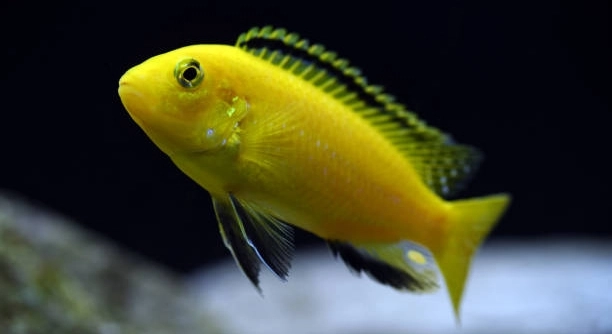
Many aquarium enthusiasts enjoy keeping convicts because of their vibrant colors and active behavior. Their adaptability makes them appealing for beginners, but questions often arise about how water conditions, like pH, affect their overall health and breeding success.
Convicts can breed in low pH conditions, but it is not ideal. Optimal breeding occurs in slightly alkaline water, as extremely low pH can stress the fish, reduce fertility, and negatively impact the survival of their offspring.
Understanding the relationship between water acidity and convict reproduction helps maintain a healthier aquarium and ensures a more successful breeding environment.
Understanding Low pH Effects on Convicts
Convict cichlids are tough fish, but their bodies still respond to water acidity. Low pH can make them less active and increase stress, which in turn affects breeding. Eggs may fail to hatch, and fry can be weaker. Even small changes in water chemistry influence their behavior, appetite, and health. Many people notice that convicts in slightly acidic water hide more and become less social, which can slow down mating behaviors. Water with a pH closer to neutral or slightly alkaline supports more consistent breeding and healthier offspring. While these fish are resilient, maintaining stable water conditions is key. Frequent monitoring of pH and using buffers when necessary can prevent sudden shifts that might harm the fish. Observing their interactions helps indicate whether they are comfortable in the environment. Stress can be subtle but can drastically reduce breeding success and overall vitality.
Convicts may survive in low pH, but it can limit reproduction and growth.
Even if convicts continue to breed in low pH, their eggs are more likely to fail. Fry may grow slowly or be weaker, and parental care can be inconsistent. Adjusting water gradually to a slightly higher pH improves survival rates. Monitoring water hardness and keeping other parameters stable also makes a difference. Over time, consistent conditions encourage natural behaviors and more successful breeding, making it easier to maintain a thriving aquarium with healthy fish.
Creating a Breeding-Friendly Environment
Stable pH is essential for convict cichlids to reproduce effectively.
Temperature, hiding spots, and clean water all influence breeding success. Providing a calm environment allows convicts to pair and care for eggs properly. Regular observation helps catch early problems.
A breeding-friendly setup includes smooth rocks or clay pots for nesting, stable water parameters, and enough space to reduce aggression. Frequent water changes with properly conditioned water help maintain pH and remove waste. Keeping a consistent feeding schedule with protein-rich food ensures the fish are healthy and ready to breed. Avoid overcrowding, as it increases stress and competition. Observing the fish during spawning shows how they interact and protects the eggs. Even minor adjustments in pH, temperature, or tank layout can improve breeding outcomes. Healthy, unstressed fish are more likely to reproduce consistently, and their fry are stronger, surviving longer and growing steadily. Proper planning and careful monitoring make the breeding process smoother and more rewarding.
Monitoring Water pH Regularly
Keeping a consistent pH prevents stress in convict cichlids and improves breeding chances. Frequent testing with a reliable meter or test strips ensures water conditions stay stable, reducing sudden shocks that can harm fish health or cause eggs to fail.
Regular monitoring helps detect small shifts in water chemistry before they become a problem. Convicts are sensitive to rapid changes, so checking pH weekly, or even daily during breeding, is important. Using buffers or adjusting water gradually can correct acidity without stressing the fish. Observing the fish’s behavior alongside pH readings gives a clear picture of their comfort level and breeding readiness.
Testing alone isn’t enough; keeping a log of readings allows tracking trends over time. If pH consistently drifts low, corrective measures like partial water changes or adding natural buffering materials can stabilize the environment. Stability encourages natural behavior, improves mating success, and helps fry survive and grow properly in a secure, supportive tank.
Adjusting Tank Conditions for Better Breeding
Temperature, hiding spots, and water quality all affect breeding success. Keeping the tank calm and stable reduces aggression and stress, helping convicts pair and care for eggs effectively.
Convict cichlids thrive when their environment mimics natural conditions. Providing rocks, clay pots, or caves gives them safe places to lay eggs and protects fry. Maintaining slightly alkaline water, stable temperature around 78–82°F, and proper filtration ensures optimal health. Avoid overcrowding to reduce stress and competition, which can interfere with breeding. Feeding protein-rich meals supports energy for spawning and caring for young. Observing how the pair interacts allows early intervention if aggression or poor egg care appears. Gradual, small adjustments in tank setup or parameters often yield better results than sudden changes. A stable, thoughtfully arranged environment encourages regular spawning and stronger offspring, making breeding a smoother process overall.
Feeding Convicts for Healthy Breeding
Providing a balanced diet helps convicts stay healthy and ready to breed. Protein-rich foods like bloodworms, brine shrimp, and high-quality pellets support energy and egg production, while occasional vegetables add nutrients without overloading their system.
Overfeeding can harm water quality and stress fish, so small, frequent meals work best. Observing their eating habits ensures each fish gets enough without leaving excess food to decay and affect pH. A steady, nutritious diet encourages regular spawning and strong fry, creating a healthier tank overall.
Recognizing Stress Signs
Convicts show stress through hiding, loss of appetite, or aggressive behavior. Early recognition allows quick adjustments in water or environment to prevent breeding issues.
Adjusting Breeding Techniques
Separating pairs into dedicated breeding tanks can improve egg survival. Providing clean water, stable temperature, and protected nesting sites encourages successful spawning.
Maintaining Clean Water
Regular water changes and debris removal prevent harmful buildup. Stable conditions support healthier fish and improve breeding outcomes.
FAQ
Can convict cichlids survive in very low pH?
Yes, convicts can survive in acidic water, but it is stressful for them. Prolonged exposure to low pH can reduce their activity, weaken their immune system, and make them more prone to disease. Survival does not mean healthy breeding, so keeping water closer to neutral or slightly alkaline is better.
Will low pH affect their eggs?
Low pH can harm eggs and fry. Acidic water can prevent eggs from hatching properly, and any fry that do survive may be weaker or grow slowly. Stable, slightly alkaline water increases egg survival rates and helps fry develop stronger.
How often should I test pH?
Testing water at least once a week is recommended, especially during breeding periods. Daily testing can be useful if pH fluctuates. Using test strips or a digital meter helps detect small changes before they stress the fish. Keeping a log of readings makes it easier to spot trends.
Can I adjust pH too quickly?
Yes, sudden changes in pH can shock convicts and cause stress or even death. Adjust pH gradually using buffers, water changes, or natural materials like crushed coral. Slow adjustments over several hours or days are safer and more effective for breeding success.
Does water hardness matter?
Yes, water hardness interacts with pH and affects convict health. Soft water combined with low pH increases stress, while moderate hardness supports better breeding outcomes. Adding mineral-rich substrates or calcium supplements can stabilize hardness without majorly affecting pH.
Are there signs of stress from low pH?
Stressed convicts may hide more, stop eating, or become unusually aggressive. Breeding pairs may neglect eggs or fry. Observing behavior alongside water testing helps catch problems early, so corrective measures can be applied before serious health issues occur.
Can diet help with low pH stress?
A nutritious, protein-rich diet can improve overall health and make convicts more resilient, but it cannot fully counteract harmful water conditions. High-quality pellets, live foods, and occasional vegetables support energy for breeding and recovery from mild stress.
Should I separate breeding pairs in low pH conditions?
Separating pairs into a controlled breeding tank can increase egg survival if water conditions are less than ideal. Providing hiding places, clean water, and stable parameters reduces stress and improves the chance of successful spawning, even if the main tank is slightly acidic.
How do I encourage breeding in less-than-ideal water?
Gradually improving water quality, providing nesting spots, and maintaining a calm, clean environment helps. Regular feeding with high-protein foods and careful observation of pairs encourages natural mating behaviors despite suboptimal pH. Avoid sudden changes, as this can backfire and increase stress.
Can fry survive if pH is low?
Some fry may survive, but growth and development are often slower. Low pH can make them weaker and more susceptible to disease. Maintaining slightly alkaline water improves survival rates and overall health of the young fish.
Is low pH the only factor affecting breeding?
No, temperature, tank size, hiding spots, and food quality all play a role. Low pH is important, but success depends on a combination of stable water conditions, proper nutrition, and a safe environment. Each factor contributes to healthier, more active convicts.
How can I make changes without stressing the fish?
Small, gradual adjustments in water chemistry, tank layout, and feeding routines work best. Sudden shifts in pH or temperature cause stress and reduce breeding success. Observing fish behavior during changes helps ensure adjustments are safe and effective.
Will convicts stop breeding completely in low pH?
They may continue to lay eggs, but breeding efficiency drops. Eggs are less likely to hatch, and fry may not survive long. Adjusting water conditions slightly above acidic levels encourages more consistent and healthier breeding results.
Can tank mates influence breeding in low pH?
Yes, aggressive or territorial tank mates increase stress, especially if water is already acidic. Keeping a peaceful environment or isolating breeding pairs reduces stress and supports better reproductive success.
Are there natural ways to buffer pH?
Yes, adding materials like crushed coral, limestone, or certain types of substrate slowly raises and stabilizes pH. These methods are safer than chemicals if applied gradually and help maintain more stable conditions for convicts and their fry.
How important is observation during breeding?
Constant monitoring is essential. Watching for egg care, fry health, and stress signals allows quick intervention. Adjusting water, improving hiding spots, or modifying feeding helps prevent loss of eggs or fry and ensures healthier adult fish.
Can low pH affect adult health long-term?
Yes, chronic exposure to acidic water can weaken the immune system, reduce growth, and shorten lifespan. Even if convicts survive, low pH increases vulnerability to illness and reduces overall vigor, making stable water conditions crucial for long-term care.
Is it better to prioritize pH or temperature?
Both matter, but extreme pH issues usually have more immediate effects on breeding. Temperature should remain stable within the ideal range, while pH adjustments take priority to support egg survival and fry development.
Do water changes help with low pH?
Yes, regular, partial water changes help stabilize pH and remove toxins. Using pre-conditioned water slowly adjusts acidity without shocking the fish. Combined with monitoring, this keeps conditions favorable for breeding.
What is the ideal pH for convicts to breed?
A pH between 7.0 and 8.0 is optimal. Slightly alkaline conditions reduce stress, improve egg viability, and support stronger fry. Staying within this range encourages natural behaviors and consistent reproduction, making tank management much easier.
How can I prevent low pH in the first place?
Regular testing, buffering with safe materials, and maintaining clean water prevent pH drops. Avoid overfeeding and decaying plant matter, as these contribute to acidity. A proactive approach keeps fish healthy and supports consistent breeding success.
Can stress from low pH be reversed?
Yes, improving water conditions gradually, providing hiding spots, and feeding a nutritious diet helps convicts recover. Eggs and fry may still be affected, but adults regain activity, appetite, and healthier breeding behavior over time.
Is patience important during pH adjustments?
Absolutely. Convicts respond better to slow, careful changes. Sudden corrections can worsen stress and reduce breeding success. Monitoring behavior and maintaining a calm, stable environment ensures long-term health and stronger offspring.
Will low pH affect all fish the same way?
No, individual tolerance varies. Some convicts handle acidic conditions better, but breeding efficiency and fry survival generally decline across the population. Maintaining stable, slightly alkaline water supports the most consistent results for all fish.
Can I use chemicals to fix pH quickly?
Chemical adjustments work but should be used cautiously. Rapid changes can shock fish. Gradual, measured applications are safer and more effective, especially during breeding periods when eggs and fry are most vulnerable.
How do I know if breeding is successful?
Healthy eggs, attentive parental care, and surviving fry indicate success. Monitoring behavior, water parameters, and fry growth ensures that breeding conditions remain favorable, and adjustments can be made if problems appear.
Are there alternative breeding strategies in low pH?
Using a separate breeding tank with better water parameters can improve outcomes. Controlled environments, hiding spots, and stable temperature and pH increase egg survival and fry health, even if the main tank remains acidic.
What are common mistakes with low pH breeding?
Rapid water changes, overcrowding, neglecting diet, and poor observation are common problems. Each can amplify stress and reduce breeding success. Careful management and monitoring are key to avoiding these issues and supporting healthy convicts.
Does low pH affect mating behavior?
Yes, acidic water can make fish less active, hide more, and reduce mating behaviors. Maintaining slightly alkaline water encourages natural pairing, nesting, and attentive egg care, which increases successful reproduction.
How important is consistency in tank conditions?
Consistency is critical. Sudden swings in pH, temperature, or cleanliness stress fish and reduce breeding success. Stable, predictable conditions create a healthier environment and promote regular spawning with higher fry survival rates.
Can adding plants influence pH and breeding?
Yes, live plants can slightly lower pH due to natural acid release. Choosing hardy plants and monitoring water helps maintain balance. Plants also provide shelter, improving breeding success by reducing stress and giving fry hiding places.
Is there a limit to how much I can correct low pH?
Correct gradually. Sudden jumps in pH can shock fish and kill fry. Small, incremental changes over days or weeks allow convicts to adjust safely while improving egg and fry survival.
How do I balance feeding and water quality?
Feed small, frequent meals to avoid leftovers that decay and lower pH. Monitor consumption, remove uneaten food, and maintain clean water to keep conditions stable for breeding.
Can stress from low pH be seen in coloration?
Yes, stressed convicts may lose their bright coloration or appear dull. Strong, vivid colors usually indicate healthy, unstressed fish, ready for mating and caring for fry.
Does low pH affect long-term breeding patterns?
Chronic low pH can reduce breeding frequency and fertility over time. Even if adults survive, fewer eggs and weaker fry result. Maintaining slightly alkaline water supports consistent, long-term reproduction.
Are there signs fry are affected by low pH?
Slow growth, lethargy, and higher mortality indicate stress from acidic water. Stable, slightly alkaline conditions improve survival, growth rate, and overall health of fry in early development stages.
How can I make water safer for fry?
Use gentle filtration, stable pH, clean water, and hiding spots. Small, frequent water changes and careful feeding create a secure environment, helping fry grow stronger and more resilient in their early weeks.
Is it better to focus on one parameter at a time?
Yes, adjusting pH first while keeping temperature and hardness stable prevents additional stress. Gradual improvements across parameters lead to healthier fish and more successful breeding without overwhelming them.
How can I track breeding success?
Keep notes on egg laying, hatching rates, fry survival, and parental behavior. Tracking trends helps identify problems early and guides adjustments in water, feeding, or tank setup to support future breeding cycles.
Do all pairs react the same to low pH?
No, individual pairs vary. Some tolerate slightly acidic conditions better, but most will experience reduced egg viability, weaker fry, and stress. Observing each pair helps tailor adjustments for the best breeding results.
Can pH swings be more harmful than constant low pH?
Yes, frequent swings create more stress than a stable, slightly low pH. Consistency is key. Gradual improvements are safer than rapid fluctuations, allowing fish to adjust and maintain breeding behavior.
Are there signs of improved conditions after pH adjustment?
Increased activity, brighter coloration, regular feeding, and attentive egg care indicate improvement. Fry survival and growth rates also increase, showing that gradual pH correction supports healthier breeding.
How do I combine diet, environment, and pH management?
Feed high-protein meals, maintain hiding spots and clean water, and stabilize pH slowly. A holistic approach ensures convicts are healthy, stress-free, and more likely to breed successfully, producing strong, thriving fry.
What is the most important tip for low pH breeding?
Patience, observation, and gradual adjustments matter most. Sudden changes harm fish, while consistent care in water parameters, diet, and tank setup supports healthy adults and strong offspring over time.
How long does it take for breeding to improve after adjustments?
Improvement depends on the extent of pH correction and fish health. Typically, behavior and egg care improve within days, while fry survival and growth may take weeks. Consistency ensures long-term success and healthier breeding cycles.
Can I combine chemical and natural pH adjustments?
Yes, gradual use of chemicals along with natural buffers like crushed coral balances water safely. Avoid large doses, monitor readings closely, and make incremental changes to protect adults, eggs, and fry.
Is it necessary to isolate fry from adults in low pH conditions?
Isolation can help protect vulnerable fry if water is acidic or adults become aggressive. Fry tanks with stable pH, gentle filtration, and hiding spots improve survival without stressing adults or compromising breeding success.
Can improving pH reverse previous breeding failures?
Yes, future breeding cycles benefit from better conditions. Adults regain normal behavior, eggs are more viable, and fry survive longer. Correcting water chemistry improves long-term reproduction, even after past low pH issues.
How important is filtration in low pH management?
Proper filtration removes waste, stabilizes water, and prevents harmful chemical buildup. It supports pH stability and keeps water safe for eggs, fry, and adult fish, contributing directly to breeding success.
Are there visual cues for fry thriving after pH correction?
Healthy fry swim actively, eat well, and display strong growth. Any lethargy, slow growth, or deformities may indicate ongoing stress or insufficient water conditions, signaling that further adjustments are needed.
Can breeding frequency increase after stabilizing pH?
Yes, stable conditions encourage natural mating cycles. Consistent pH, diet, and environment reduce stress, improve fertility, and lead to more frequent, successful spawning over time.
Do adult convicts recover quickly after low pH stress?
Recovery is gradual. Improved water, diet, and a calm environment restore activity, coloration, and breeding behavior. Eggs and fry may still be affected, but adults regain normal health within days to weeks.
Are there long-term monitoring tools for pH and breeding?
Digital meters, test kits, and logs track water parameters and fish behavior. Recording trends allows early intervention and supports consistent, healthy breeding cycles, reducing surprises or failures over time.
Can low pH affect male and female convicts differently?
Both sexes are affected, but males may show increased aggression or reduced territorial behavior. Females may lay fewer eggs or neglect nests. Stable, slightly alkaline water supports both sexes equally and improves overall breeding success.
What small steps prevent low pH from harming breeding?
Gradual water changes, gentle pH buffering, careful feeding, and providing hiding spots all reduce stress. Monitoring behavior and water regularly ensures convicts remain healthy and ready to breed consistently.
How do I know if my adjustments are enough?
Improved activity, egg care, fry survival, and strong growth indicate successful adjustments. Any continued signs of stress or low egg viability suggest further refinement in pH, diet, or environment is needed.
Can low pH affect parental care?
Yes, stressed fish may abandon eggs or fry. Stable water, safe hiding spots, and minimal disturbance encourage proper parental behavior and increase fry survival, ensuring a healthier breeding process.
Are there signs of permanent damage from low pH?
Chronic low pH can reduce fertility, stunt growth, or weaken the immune system. Recovery is possible for adults, but repeated exposure may have lasting effects on reproduction and fry health.
Can changing the tank layout help with low pH stress?
Yes, adding hiding spots or separating aggressive fish reduces stress. Combined with pH stabilization, this encourages natural behavior, better egg care, and healthier fry development.
How much impact does water quality have compared to diet?
Water quality is more immediately critical for breeding and fry survival. Diet supports overall health and energy, but poor water conditions can quickly undermine reproductive success. Both must be managed together for optimal results.
Does low pH impact the color of fry?
Yes, stressed fry may appear paler or less vibrant. Healthy, strong fry show bright coloration and active swimming, which usually improves once water conditions stabilize.
Can gradual pH adjustments be done during spawning?
Yes, but very slowly. Small, incremental changes over days minimize stress and protect eggs and fry. Observing behavior ensures adjustments are safe without interrupting parental care.
Is it possible to breed convicts entirely in low pH?
Some breeding may occur, but it is inefficient and risky. Survival rates, egg hatching, and fry health are all reduced. Slightly alkaline conditions consistently produce stronger, healthier offspring.
Can tank size influence pH effects on breeding?
Yes, larger tanks buffer pH changes more effectively and reduce stress from overcrowding. Adequate space allows natural behavior, improves egg care, and supports fry survival even if minor pH fluctuations occur.
Does filtration type matter for low pH breeding?
Yes, gentle yet effective filtration removes waste without disturbing fry or eggs. Strong currents can stress breeding pairs, so balanced filtration supports stable water and healthy reproduction.
Are there specific signs that indicate pH is now safe for breeding?
Active fish, bright coloration, attentive egg care, and thriving fry show that conditions have stabilized. Consistent water readings within the optimal range confirm a safe environment for continued breeding.
Can stress from low pH be passed to fry?
Indirectly, yes. Stressed parents may lay weaker eggs or neglect fry, reducing survival. Healthy adults in stable water produce stronger, more viable offspring.
How long should I maintain improved pH after a breeding cycle?
Maintain stability for at least several weeks after fry reach a few weeks old. Consistency ensures healthy growth, reduces stress, and prepares adults for future breeding cycles.
Do plants help maintain pH stability?
Plants can absorb some acids but may slightly lower pH. Selecting hardy species and monitoring water ensures plants contribute to a balanced environment without causing additional acidity.
Is it better to adjust pH gradually or wait for natural stabilization?
Gradual adjustments are safer and more effective. Waiting for natural changes can prolong stress and reduce breeding success. Small, monitored corrections maintain healthier fish and better outcomes.
Can multiple pairs breed in the same tank with low pH?
Crowding increases stress and competition, worsening low pH effects. Separate breeding pairs or larger tanks with stable conditions improve survival, egg care, and fry growth.
How do I know if fry are getting enough food in low pH conditions?
Active, growing fry that feed readily indicate sufficient nutrition. Lethargic, stunted, or missing fry suggest stress or poor water quality, requiring adjustments in pH, feeding, or environment.
Does low pH affect egg development time?
Yes, acidic water can slow or prevent eggs from developing properly. Slightly alkaline water promotes faster, healthier development and increases the likelihood of hatching strong fry.
Are there safe chemical pH buffers for breeding tanks?
Yes, certain aquarium buffers are safe when applied gradually. Avoid overuse, monitor readings, and combine with natural buffering methods for consistent results.
Can adult convicts recover fertility after low pH exposure?
Yes, with improved conditions, adults regain normal mating behaviors and egg production. Fry survival also improves when water is stabilized and stress reduced.
Does lighting affect breeding in low pH conditions?
Indirectly, yes. Bright or inconsistent lighting can
Final Thoughts
Convict cichlids are resilient fish, but their breeding success is closely tied to water conditions, especially pH. Low pH can cause stress, reduce activity, and affect egg and fry survival. While these fish can survive in acidic water, it is not ideal for healthy reproduction. Stable water, a slightly alkaline pH, and proper care make a significant difference in how well convicts breed. Maintaining consistent conditions helps the fish remain active, eat well, and display normal behaviors, which are all important for successful mating and raising healthy fry. Even small adjustments in pH or water chemistry, if done gradually, can improve overall tank health and encourage more frequent, successful breeding cycles.
Providing a balanced diet and creating a comfortable environment also supports breeding. Protein-rich foods, occasional vegetables, and proper feeding schedules help adults maintain energy and vitality. Hiding spots, nesting areas, and enough space reduce stress and aggression, allowing convicts to focus on caring for eggs and fry. Observing behavior is equally important. Signs like hiding, dull coloration, or loss of appetite often indicate stress or unsuitable conditions. By paying attention to these cues, small changes can be made to improve water quality, tank layout, or diet. Consistent care over time encourages stronger eggs, higher fry survival, and healthier adult fish, making breeding a smoother and more predictable process.
Patience and observation are key for managing breeding in less-than-ideal conditions. Convict cichlids respond better to gradual improvements than to sudden changes in water chemistry or environment. Regular monitoring of pH, water hardness, and temperature ensures stability, while careful adjustments in feeding and tank setup support natural behaviors. Even if breeding has been challenging in the past, gradual improvements create a safer, more supportive environment for eggs, fry, and adult fish. Ultimately, understanding the relationship between water chemistry, diet, and habitat allows for better outcomes, healthier fish, and more consistent reproduction. Taking the time to maintain stable conditions and providing attentive care makes a noticeable difference in breeding success and helps convicts thrive in the aquarium.

Hello,
If you enjoy the content that we create, please consider saying a "Thank You!" by leaving a tip.
Every little bit helps us continue crafting quality advice that supports the health, happiness, and well-being of pets around the world, for pets of all shapes, sizes, and species.
We really appreciate the kindness and support that you show us!