
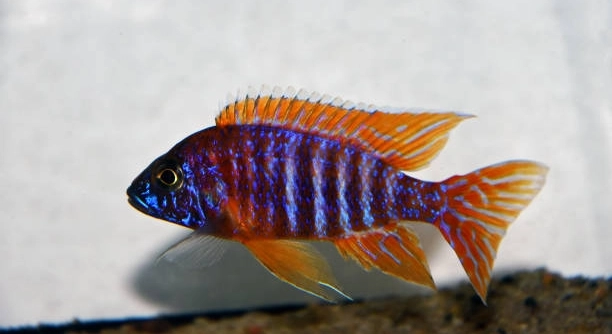
Do you ever notice your convict cichlid growing rapidly and wonder if it will ever stop? These colorful freshwater fish are popular in home aquariums, known for their bold patterns and active behavior in tanks.
Convict cichlids experience rapid growth during their first year, slowing significantly as they reach sexual maturity. Adult size varies based on diet, tank conditions, and genetics, but their growth does not completely cease, only tapering over time.
Learning about their growth patterns can help you provide proper care, ensuring your cichlids remain healthy and thrive in their aquatic environment.
Understanding Convict Cichlid Growth Patterns
Convict cichlids grow quickly during their first year, often doubling in size within months. Their growth slows after reaching sexual maturity, but they continue to gain weight and length gradually. Factors such as tank size, water quality, diet, and genetics all influence their growth rate. Fish kept in smaller tanks may appear stunted, while those with optimal conditions reach their full potential. Overfeeding can lead to bloating and health issues, so balanced nutrition is important. Observing their behavior also gives clues about health and growth. A well-maintained tank with stable temperature and clean water supports proper development. These cichlids are hardy, but providing space to swim and hiding spots helps reduce stress. Stress can slow growth and weaken the immune system. Regular monitoring ensures that growth remains steady, and adjusting care practices as needed can prevent problems. Proper observation and adjustments create an environment where convict cichlids thrive over time.
Tank size, diet, and water conditions directly affect their growth. Small tanks can stunt development.
Maintaining consistent water temperature, feeding a balanced diet, and avoiding overcrowding are key for healthy growth. Proper filtration keeps water clean, while hiding spots reduce stress. Observing changes in color, appetite, and behavior can help identify issues early. Genetics play a role, but environmental factors have a significant impact. Providing varied foods like pellets, vegetables, and occasional protein supports development. Avoid sudden water changes, which can shock fish. Regular tank maintenance ensures a stable environment. Growth slows naturally after maturity, but monitoring health remains important. Overfeeding or poor water quality can cause deformities or stunted growth. Each fish may grow at its own pace. Keeping a log of feeding habits and growth measurements helps track progress. Healthy convict cichlids are active, alert, and show vibrant patterns, reflecting proper care and a supportive environment.
Common Myths About Convict Cichlid Size
Convict cichlids do not stop growing completely after their first year.
Some believe their size is fixed after maturity, but this is misleading. Growth continues slowly throughout life, influenced by diet, genetics, and environment. Overfeeding may make them appear larger quickly, but it does not guarantee healthier growth. Proper tank setup, including space to swim and stable water conditions, allows for steady development. Genetics determine maximum size, but care practices are equally important. Understanding these factors helps manage expectations for adult fish. Observing gradual changes and maintaining consistent care ensures cichlids grow to their potential while staying healthy.
Tank Size and Its Effect on Growth
Smaller tanks can restrict a convict cichlid’s growth, limiting space to swim and explore. Larger tanks allow for more natural movement, which supports healthy muscle development. Adequate space reduces stress, which in turn helps maintain steady growth over time.
A tank that is too small can stunt development, even if the fish is otherwise healthy. Convict cichlids need room to establish territories, swim freely, and interact naturally. Overcrowding increases aggression and stress, slowing growth and affecting overall health. A spacious tank with hiding spots helps reduce conflicts and encourages consistent feeding, which supports normal growth patterns. Regularly measuring and observing your fish can help determine if the tank size is sufficient for optimal development.
When setting up a tank, consider the adult size of your cichlids. Providing at least 30 gallons for a pair or small group gives enough room for swimming and territory. Avoid sharp decorations or overcrowded setups that limit movement. Proper filtration and regular water changes ensure clean conditions. Watching behavior like chasing, hiding, or lethargy indicates if space is adequate. Gradual upgrades in tank size help fish adjust without stress. Balanced nutrition and consistent care combined with proper tank size promote steady growth and vibrant coloration, reflecting overall well-being.
Diet and Nutrition for Optimal Growth
A balanced diet is essential for convict cichlids to reach their full growth potential. Poor nutrition slows development and weakens health.
Providing varied food supports muscle growth, coloration, and vitality. High-quality pellets should form the main diet, supplemented with vegetables like spinach or peas and occasional protein sources such as brine shrimp. Feeding small portions multiple times a day encourages steady growth without overfeeding. Avoid excessive fatty foods, which can lead to bloating or obesity. Vitamins and minerals in the diet promote proper skeletal and organ development. Observing how your cichlids respond to food helps adjust portions and ensure proper intake. Growth is gradual, and consistent feeding routines maintain healthy development.
Overfeeding or feeding only one type of food can cause imbalances and digestive issues. Nutrient-rich, varied diets provide the energy needed for activity and long-term growth. Protein supports muscle development, while vegetables aid digestion and prevent deficiencies. Seasonal or age-based dietary adjustments help maintain health and promote gradual size increases. Monitoring appetite and weight changes ensures fish are thriving. Feeding routines paired with clean water and stable tank conditions maximize growth potential. Environmental factors like temperature and stress levels also affect how efficiently nutrients are used. Careful attention to both diet and habitat produces healthy, vibrant convict cichlids.
Water Quality and Temperature
Stable water conditions are crucial for convict cichlid growth. Fluctuations in temperature or poor water quality can stress fish, slowing their development. Regular testing and maintenance help maintain a healthy environment.
Ideal temperatures range between 75–82°F. Clean water with proper filtration supports metabolism and steady growth, preventing disease and stunted development.
Genetics and Growth Limits
Genetics play a significant role in determining the maximum size of convict cichlids. Even with perfect care, some fish will naturally grow larger or smaller based on hereditary factors. While environment and nutrition influence growth, genetic potential sets the upper limit for size and body shape.
Signs of Stunted Growth
Slow growth, pale coloration, and reduced activity can indicate stunted development. Observing these signs early allows adjustments in care to support healthier growth.
FAQ
How fast do convict cichlids grow?
Convict cichlids grow rapidly during their first year, often reaching half their adult size within six months. Growth slows after sexual maturity, but they continue to gain length and weight gradually. Diet, tank size, water quality, and genetics all influence how fast they grow.
At what age do convict cichlids stop growing?
Convict cichlids do not completely stop growing. Their growth slows significantly after reaching sexual maturity, usually around 9–12 months. They may continue to grow slightly over the next few years, but increases in size are gradual and less noticeable. Proper care ensures steady growth throughout adulthood.
Does tank size affect their growth?
Yes, tank size plays a big role in growth. Small tanks can limit space for swimming and territorial behavior, causing stunted growth. Larger tanks with adequate swimming space and hiding areas allow for natural activity, reducing stress and supporting steady development.
Can overfeeding make them grow faster?
Overfeeding may cause rapid weight gain, but it does not lead to healthier growth. Excess food can lead to bloating, poor water quality, and health problems. Feeding small, balanced portions multiple times a day promotes steady growth and overall well-being.
What is the ideal diet for growth?
A balanced diet is key. High-quality pellets should form the base, supplemented with vegetables like spinach or peas, and occasional protein such as brine shrimp or bloodworms. A varied diet ensures proper nutrients for muscle development, strong bones, and vibrant coloration.
Does water quality impact growth?
Absolutely. Clean, stable water supports healthy metabolism and prevents stress, disease, and stunted growth. Regular water changes, proper filtration, and monitoring pH, ammonia, and nitrate levels help maintain ideal conditions. Temperature should remain stable between 75–82°F.
Do genetics limit growth?
Genetics set the maximum size a convict cichlid can reach. While diet, tank conditions, and care influence growth, hereditary factors determine ultimate body size and shape. Some fish naturally remain smaller, while others achieve larger adult sizes despite identical environments.
How can I tell if my fish is stunted?
Signs of stunted growth include slow size increase, pale coloration, lethargy, and reduced appetite. Observing behavior and comparing growth rates with similar-aged fish helps identify issues. Addressing tank size, water quality, and diet can help improve development.
Can stress affect growth?
Yes, stress slows growth significantly. Aggression from tank mates, overcrowding, sudden water changes, or poor hiding spaces can stress fish. Stress weakens the immune system and reduces appetite, which directly impacts growth and overall health.
Is it normal for adult convict cichlids to continue growing slowly?
Yes, adult convict cichlids continue to grow slowly after reaching maturity. Growth is gradual, and size increases may be subtle. Maintaining consistent care, proper diet, and clean water ensures they grow to their full potential over time.
How often should I feed them for optimal growth?
Feeding small portions 2–3 times per day encourages steady growth without overfeeding. Adjust portions based on activity levels and tank conditions, and remove uneaten food to maintain water quality. Consistent feeding supports energy, muscle development, and vibrant coloration.
Can adding hiding spots improve growth?
Providing hiding spots reduces stress by allowing fish to establish territories and feel secure. Less stressed fish feed more consistently and grow steadily. Rocks, plants, and decorations create natural barriers and spaces for retreat, supporting both mental and physical health.
Does temperature affect growth rate?
Yes, temperature influences metabolism. Convict cichlids grow best in stable temperatures between 75–82°F. Temperatures below this range slow metabolism and growth, while sudden fluctuations can stress fish, weaken immunity, and lead to stunted development.
Is it possible to speed up growth safely?
Growth can only be supported through proper care, not rushed. Providing a balanced diet, clean water, stable temperatures, and adequate tank space ensures fish grow at a healthy rate. Overfeeding or overcrowding may appear to accelerate growth but harms overall health.
Can tank mates affect growth?
Aggressive or dominant tank mates can stress convict cichlids, causing reduced feeding and stunted growth. Choosing compatible species and providing sufficient space helps maintain a healthy environment and supports steady growth.
What is a healthy adult size?
Adult convict cichlids typically reach 4–6 inches in length, depending on genetics and environmental conditions. Proper care ensures they reach their potential size while remaining active, healthy, and displaying vibrant colors.
How do I track growth effectively?
Measure fish monthly and observe weight changes if possible. Keeping notes on feeding, behavior, and tank conditions helps identify growth patterns and any potential issues. Regular monitoring ensures adjustments can be made for optimal development.
Does breeding affect growth?
Breeding can temporarily slow growth due to energy being diverted to reproduction. After breeding, fish often regain normal growth rates. Providing adequate nutrition before and after spawning supports recovery and long-term development.
Can disease stunt growth?
Yes, illness and parasites reduce appetite and stress fish, leading to stunted growth. Maintaining clean water, a balanced diet, and quarantine for new fish helps prevent health problems that could affect size.
Are slow-growing fish always unhealthy?
Not necessarily. Some fish grow slowly due to genetics or natural variation. However, persistent slow growth combined with pale color or lethargy may indicate environmental or health issues that need attention.
How long do convict cichlids live?
Convict cichlids typically live 8–10 years with proper care. Healthy growth and a stable environment contribute to longevity, allowing fish to reach their full size and maintain vibrant coloration throughout life.
Does pH affect growth?
Yes, stable pH supports metabolism and overall health. Convict cichlids prefer slightly alkaline water, around 7.0–8.0. Large swings in pH can stress fish, slow growth, and increase susceptibility to disease.
Can I use supplements to boost growth?
Supplements are unnecessary if the diet is balanced. Vitamins and minerals naturally present in varied foods support proper growth. Excessive supplementation may harm fish or water quality, so focus on high-quality food and consistent care instead.
Are juvenile growth rates different from adults?
Yes, juveniles grow much faster. Early rapid growth helps them reach maturity quickly. After reaching adult size, growth slows but continues gradually if conditions remain optimal.
Do lighting and tank setup affect growth?
Proper lighting supports natural behavior and feeding patterns. While it doesn’t directly accelerate growth, it helps maintain a healthy environment, encouraging activity, appetite, and overall well-being, indirectly supporting development.
How often should water changes be done for growth?
Regular water changes, typically 20–30% weekly, maintain clean conditions and reduce stress. Fresh water supports metabolism and growth while preventing toxin buildup that could stunt development.
Can overcrowding permanently stunt growth?
Yes, prolonged overcrowding limits space, increases stress, and can permanently affect growth. Maintaining an appropriate number of fish per tank size is essential for healthy development and long-term well-being.
How do I know if my diet is sufficient?
Fish eating consistently, displaying vibrant colors, and showing normal growth rates indicate a proper diet. Adjust portions or variety if appetite decreases or growth slows.
Does seasonal change affect growth?
Minor seasonal temperature fluctuations in home tanks can affect metabolism slightly. Keeping temperatures stable year-round ensures consistent growth regardless of outside conditions.
Are slow growers more prone to illness?
Slow-growing or stunted fish may be weaker and more susceptible to disease. Addressing environmental factors, diet, and stress reduces health risks and promotes normal development.
Can tank enrichment improve growth?
Yes, adding plants, rocks, and hiding places encourages natural behavior. Active, stimulated fish feed better and maintain muscle tone, indirectly supporting growth over time.
Do water hardness levels matter?
Moderate hardness supports skeletal development. Extremely soft or hard water may affect mineral absorption, indirectly influencing growth. Maintaining stable, moderate conditions benefits overall health.
Is it normal for growth to plateau occasionally?
Yes, fish may show periods of slower growth due to age, seasonal factors, or stress. As long as feeding and behavior remain normal, temporary plateaus are not a concern.
Can juvenile aggression affect growth?
Yes, fighting among juveniles can stress fish and reduce feeding, slowing growth. Providing sufficient space and hiding spots reduces conflicts and encourages steady development.
Does tank cleanliness impact growth speed?
Dirty tanks increase stress and disease risk, which slows growth. Regular cleaning, filtration, and water changes create an environment where convict cichlids can grow steadily and remain healthy.
Are captive-bred cichlids smaller than wild ones?
Captive-bred fish may be slightly smaller due to genetics and tank limitations. Proper care, diet, and tank setup help them reach their potential size comparable to wild counterparts.
Can I separate slow growers to improve growth?
Yes, isolating smaller or stressed fish reduces competition and aggression, allowing them to feed and grow at a normal rate without interference from larger tank mates.
How do I encourage juvenile growth naturally?
Provide a balanced diet, adequate space, clean water, stable temperature, and enrichment. Reducing stress and offering proper nutrition ensures juveniles grow quickly and healthily.
Does age affect feeding requirements for growth?
Yes, juveniles need more frequent feeding for rapid growth, while adults require smaller, consistent portions to maintain health and slow, steady development.
Can temperature shocks stunt growth?
Sudden temperature changes stress fish, slow metabolism, and may permanently affect growth. Gradual adjustments and stable conditions prevent setbacks and support steady development.
Is it normal for older fish to lose color as they grow?
Mature fish may show slight fading in color with age, but bright patterns generally indicate good health and proper growth conditions.
How long does it take for convict cichlids to reach full size?
Most reach near-adult size within 12–18 months. Full growth continues slowly afterward, influenced by diet, environment, and genetics.
Can adding live plants affect growth?
Live plants improve water quality, reduce stress, and provide natural hiding spots. Healthier, less-stressed fish feed better and grow steadily, benefiting overall development.
Does water movement influence growth?
Moderate water flow encourages activity and supports muscle development. Too strong currents can stress fish, while still water may reduce exercise, indirectly affecting growth.
How do I balance growth with breeding care?
During breeding, energy shifts to egg production. Providing high-quality nutrition before and after spawning helps maintain growth and overall health without compromising adult size or vitality.
Can tank decorations impact growth?
Yes, decorations that reduce swimming space or create aggression can slow growth. Thoughtful placement and adequate space support movement, territory establishment, and healthy development.
Does feeding frequency matter for adults?
Yes, small, regular feedings maintain metabolism and steady growth. Overfeeding at once can lead to health problems, while consistent portions support long-term development and vitality.
Are slow-growing fish less active?
Often, slow-growing or stunted fish may appear less active due to stress or health issues. Improving conditions, diet, and space can restore normal activity and growth.
Can water chemistry shocks permanently stunt growth?
Yes, sudden shifts in pH, hardness, or other parameters stress fish, potentially causing long-term developmental issues. Gradual, stable conditions protect growth and overall health.
Do stress and aggression affect juvenile growth more than adults?
Yes, juveniles are more sensitive to stress, and aggression can stunt their development. Proper space, hiding spots, and compatible tank mates are essential for steady growth.
Is it normal for growth to vary among siblings?
Yes, genetics, competition, and access to food cause size differences among siblings. As long as fish are healthy, this variation is natural and expected.
How do I maintain consistent growth throughout life?
Provide balanced nutrition, clean water, adequate space, and enrichment. Monitor stress, health, and tank conditions regularly to support steady development from juvenile to adult stages.
Can diet changes boost color and growth simultaneously?
Yes, adding nutrient-rich foods like protein and vegetables improves both coloration and muscle development. Consistent feeding supports gradual, healthy growth over time.
Does overcrowding affect coloration as well as growth?
Yes, stressed fish may show dull colors and slower growth. Adequate space and proper tank management maintain both vibrant patterns and steady development.
Are slow-growing fish more vulnerable to disease?
Yes, stunted growth often reflects underlying stress or poor conditions, making fish more susceptible to infections and illness. Improving care promotes health and steady growth.
Does tank lighting affect appetite and growth?
Proper lighting encourages natural activity and feeding patterns. Indirectly, this supports growth by promoting regular eating habits and reducing stress.
How do I know if my growth concerns are serious?
Persistent slow growth, pale coloration, lethargy, and poor appetite indicate a problem. Reviewing tank size, water quality, diet, and health helps address issues early.
Can seasonal water temperature shifts in home tanks affect growth?
Yes, even minor changes influence metabolism. Maintaining stable conditions year-round ensures consistent feeding, activity, and growth, preventing setbacks or stunted development.
Are captive-bred fish more consistent in growth than wild-caught?
Yes, captive-bred fish often show more predictable growth patterns due to controlled conditions, diet, and stable environments, reducing the variability seen in wild-caught specimens.
Do hiding spots reduce stress enough to impact growth?
Yes, hiding spots allow territorial behavior and safety, reducing stress. Less-stressed fish feed better and grow steadily, showing improved health and vibrant coloration over time.
Can diet supplements compensate for poor tank conditions?
No, supplements cannot replace clean water, proper temperature, or adequate space. Balanced nutrition helps, but environmental factors remain crucial for healthy growth and overall well-being.
How do I ensure long-term growth in adult cichlids?
Maintain stable water conditions, a balanced diet, adequate space, and enrichment. Regular monitoring and adjustments prevent stress, disease, and slow growth, supporting healthy development throughout life.
Does aggression among adults affect growth?
Yes, territorial disputes and fighting can stress fish, reduce feeding, and slow growth. Separating aggressive individuals or providing space and hiding spots helps maintain steady development.
Can growth be unpredictable despite perfect care?
Some variability is normal due to genetics. Even in ideal conditions, fish may grow at different rates, but consistent care ensures they reach their potential health and size.
Is it normal for growth to plateau in mid-life?
Yes, adult cichlids often show periods of slower growth. As long as health, appetite, and activity remain normal, temporary plateaus are not a cause for concern.
Can tank enrichment improve appetite and growth?
Yes, providing rocks, plants, and hiding spaces encourages activity, reduces stress, and stimulates feeding, supporting steady, healthy growth over time.
How important is monitoring growth regularly?
Tracking size, behavior, and feeding patterns helps detect early signs of stress, disease, or stunted growth, allowing timely adjustments to diet, tank conditions, or care practices.
Does water hardness influence skeletal development?
Moderate hardness provides minerals for bones and fins. Extremely soft or hard water can affect growth indirectly, so stable, moderate levels support healthy development.
Are there natural variations in growth among individuals?
Yes, even siblings may grow at different rates due to genetics, competition, or subtle differences in access to food and space. Healthy care ensures all reach their potential.
Can sudden changes in environment permanently affect growth?
Yes, abrupt water changes, temperature shifts, or overcrowding can stress fish and permanently stunt growth. Gradual, stable conditions prevent setbacks and support normal development.
Do adult fish need the same care as juveniles for growth?
Adults require less frequent feeding but still need clean water, adequate space, and proper nutrition to maintain steady growth, health, and coloration.
Can tank mates prevent full growth?
Yes, aggressive or dominant tank mates may limit access to food and stress fish, slowing growth. Providing compatible species and space ensures healthy development.
Does reproductive activity impact growth long-term?
Breeding may temporarily slow growth due to energy demands, but with proper nutrition and care afterward, fish resume normal development and maintain adult size.
How do I differentiate between slow growth and stunting?
Slow growth may be natural or genetic. Stunting is accompanied by poor health, pale coloration, or abnormal behavior. Adjusting diet, tank conditions, and stress levels helps determine the cause.
Can environmental enrichment accelerate growth naturally?
Yes, creating stimulating surroundings encourages movement, feeding, and natural behavior, supporting healthy metabolism and gradual size increases without compromising health.
Does stress from frequent handling affect growth?
Yes, handling causes stress, reduces feeding, and slows growth. Limit handling to essential maintenance and observation to promote steady development.
Are growth differences permanent if caused by early stress?
Early-life stress or poor conditions can permanently stunt growth, even if conditions improve later. Providing optimal care early is crucial for reaching full potential.
Can tank water color or clarity impact growth?
Indirectly, poor water clarity stresses fish, reduces feeding, and slows growth. Clear, stable water encourages normal behavior and steady development.
Does fish personality affect growth rate?
More dominant or active individuals may access food more easily and grow faster. Shyer or stressed fish may grow more slowly, highlighting the need for proper tank management.
Can growth supplements replace proper feeding?
No, supplements cannot replace balanced food and clean water. They may support nutrition, but proper diet and environment are essential for healthy development.
Does seasonal feeding adjustment affect growth?
Yes, adjusting feeding to match activity levels in different temperatures supports metabolism and steady growth without overfeeding or nutrient deficiencies.
Are slow-growing fish less colorful?
Often, stress or poor nutrition causes dull coloration. Healthy, steadily growing fish typically display vibrant patterns, reflecting proper diet and care.
Can juvenile size differences normalize over time?
Yes, smaller juveniles may catch up if given adequate space, nutrition, and reduced stress. Genetics will still influence final adult size.
Does tank location affect growth?
Indirectly, tanks with consistent light, temperature, and minimal vibrations create a stable environment, reducing stress and supporting steady development.
Can sudden tank rearrangements stunt growth temporarily?
Yes, sudden changes can stress fish, reducing feeding and slowing growth. Gradual adjustments and stable conditions help fish adapt without long-term impact.
Are all growth plateaus permanent?
No, temporary slowdowns are normal. Continuous care, proper diet, and stable water conditions usually resume steady growth after short plateaus.
Can disease outbreaks permanently affect growth?
Serious illness can permanently stunt growth if untreated. Early intervention and maintaining clean, stable conditions reduce
Convict cichlids are fascinating fish that show noticeable growth, especially during their first year. Their early development is fast, with juveniles often doubling in size within months. After reaching sexual maturity, their growth slows, but it continues gradually throughout adulthood. Factors like tank size, diet, water quality, and genetics all play a role in determining their overall size. Providing a stable and clean environment helps ensure that growth progresses steadily and that the fish remain healthy. Observing their behavior, appetite, and coloration is an effective way to monitor whether they are thriving or experiencing stress. A well-maintained tank with adequate swimming space and hiding spots allows them to act naturally, reducing stress and encouraging normal growth patterns. Overfeeding or keeping fish in overcrowded conditions can lead to health problems and stunted growth, so balancing care practices is essential. By focusing on these basics, owners can support their cichlids’ natural growth and overall well-being over the years.
Diet is one of the most important factors for maintaining steady growth in convict cichlids. High-quality pellets should form the base of their feeding plan, supplemented with vegetables and occasional protein sources such as brine shrimp or bloodworms. A varied diet ensures that fish get the nutrients needed for muscle development, proper skeletal growth, and vibrant coloration. Feeding small portions multiple times a day helps prevent overfeeding while maintaining consistent energy levels for activity and growth. Maintaining stable water conditions also supports metabolism and digestion, allowing fish to absorb nutrients efficiently. Stress, caused by aggression from tank mates, overcrowding, or sudden environmental changes, can reduce appetite and slow growth. Keeping the tank clean, monitoring water parameters, and providing hiding spots all contribute to a calm environment where fish can feed regularly and grow steadily. Understanding the balance between diet, space, and water quality is key to promoting healthy development in convict cichlids.
Genetics also influence growth, setting the potential size each fish can reach. Even with perfect care, some convict cichlids may remain smaller, while others achieve larger adult sizes. While environmental factors and nutrition impact growth rates, genetic potential determines the upper limits. Observing individual differences among fish is normal, and slight variations in growth or coloration should not cause concern as long as the fish are healthy and active. Over time, careful attention to diet, tank conditions, and stress management ensures that convict cichlids reach their potential size while maintaining vibrant patterns and overall health. Providing consistent care, avoiding overcrowding, and monitoring water quality are all practical steps that support long-term growth. By understanding the factors that influence growth, owners can create an environment where convict cichlids thrive and develop naturally, reflecting both their genetics and the quality of care they receive.

Hello,
If you enjoy the content that we create, please consider saying a "Thank You!" by leaving a tip.
Every little bit helps us continue crafting quality advice that supports the health, happiness, and well-being of pets around the world, for pets of all shapes, sizes, and species.
We really appreciate the kindness and support that you show us!