
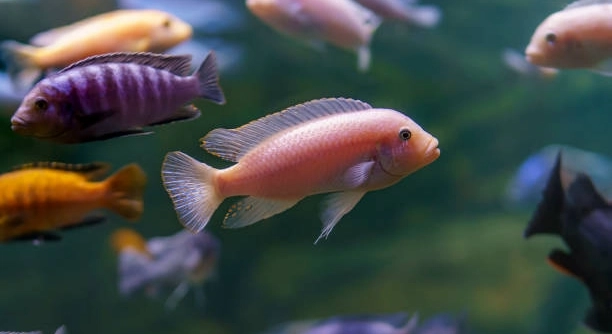
Keeping cichlids in a home aquarium can be rewarding, yet challenging. These fish are sensitive to changes in their environment, and even small stressors can affect their health and behavior over time.
Maintaining a stress-free environment for cichlids requires careful attention to water quality, tank setup, diet, and social interactions. Consistent monitoring and timely adjustments help prevent stress-related illnesses, supporting overall health and encouraging natural, calm behaviors in the fish.
By understanding their needs and habits, you can create a stable habitat that promotes calm and thriving cichlids in your aquarium.
Choosing the Right Tank Size
Cichlids need space to swim and establish territories. A tank that is too small can cause constant stress, aggression, and stunted growth. Depending on the species, a tank of at least 30 gallons is recommended for smaller cichlids, while larger types may need 75 gallons or more. Overcrowding can lead to frequent fights, rapid water quality decline, and higher susceptibility to disease. Providing ample space allows each fish to have its own area, which reduces conflict and promotes natural behavior. Decorations, rocks, and plants help create hiding spots and visual barriers. These elements give the fish areas to retreat when they feel threatened. It is also essential to plan the tank layout before adding the fish to ensure there is enough open swimming space. Consistent maintenance, including water changes and cleaning, supports a stable environment. Proper tank size combined with careful organization fosters a calm and balanced habitat for your cichlids.
Proper tank size directly reduces stress and aggressive behavior, giving cichlids room to thrive naturally.
Providing enough space and visual separation helps fish feel secure and reduces constant territorial conflicts, improving overall tank harmony.
Maintaining Stable Water Conditions
Water quality is critical for cichlids’ health. Temperature, pH, and hardness must remain stable to prevent stress. Sudden changes can shock their systems, leading to illness or unusual behavior. Using a reliable heater and thermometer ensures a constant temperature, usually between 75 and 82°F, depending on the species. Regular water testing helps monitor pH, ammonia, nitrite, and nitrate levels. Frequent partial water changes prevent toxins from accumulating and keep the environment clean. Filtration should match tank size and maintain gentle water flow, as strong currents can overwhelm some species. Cichlids are sensitive to chemicals and metals, so using dechlorinated water is important. Observing fish daily allows you to notice subtle changes in behavior or color, which often indicate water issues. Stability in water parameters creates a predictable environment where cichlids can eat, swim, and interact calmly. Preparing water ahead of time for changes and testing consistently ensures the tank remains stress-free.
Stable water prevents illness and encourages healthy, calm behavior in cichlids, supporting long-term well-being.
Regular monitoring, proper filtration, and careful adjustments protect your fish from sudden stress and maintain a peaceful tank environment.
Providing Hiding Spots
Hiding spots reduce stress by giving cichlids places to retreat. Rocks, caves, and plants create safe areas, helping fish feel secure and lowering aggression.
Hiding spots are essential in a cichlid tank because these fish are territorial. When they have safe areas, conflicts decrease and fish can rest. Rocks stacked carefully, ceramic caves, and dense plant clusters allow shy or subordinate fish to escape dominant individuals. These retreats also let breeding pairs protect eggs and fry without constant disturbance. Arranging hiding places at different heights and corners ensures all fish have options. Too few shelters can increase stress, while too many can limit open swimming space. A balanced layout encourages calm behavior and natural interactions, giving every fish a sense of territory and safety.
Providing varied hiding spots also allows natural exploration and activity. Fish can choose when to socialize or retreat, which keeps stress levels low and encourages healthy behavior.
Consistent Feeding Schedule
Regular feeding builds routine and reduces stress in cichlids. Fish adapt to predictable times, improving digestion and energy levels.
A consistent feeding schedule helps maintain water quality and fish health. Feeding the same amount at the same times daily prevents overeating and reduces leftover food, which can foul the water. Balanced diets with protein, vegetables, and occasional supplements meet nutritional needs and keep fish active. Overfeeding or irregular meals can lead to aggression, obesity, or illness. Observing how much your fish eat in 5–10 minutes ensures proper portion control. Varying food types occasionally keeps them interested without disrupting their routine. A steady schedule supports calm behavior and predictable interactions among tank mates, creating a stable environment for all cichlids.
Proper feeding practices reinforce health and reduce anxiety. Fish learn to anticipate meals, leading to smoother social dynamics and less aggressive behavior.
Monitoring Tank Mates
Choosing compatible tank mates prevents stress and fights. Aggressive species or overcrowding can lead to constant tension and injuries.
Observing interactions regularly helps identify bullying or territorial disputes early. Separating aggressive fish or adjusting the tank layout can reduce conflict and maintain a peaceful environment.
Regular Water Changes
Consistent water changes remove toxins and maintain stable conditions. Changing 20–30% weekly keeps ammonia, nitrite, and nitrate at safe levels. Clean water supports healthy gill function, proper digestion, and active behavior. Fish are calmer when the environment is predictable and free from chemical stressors.
Observing Behavior
Watching cichlids daily helps detect stress early. Changes in color, appetite, or swimming patterns indicate potential problems.
FAQ
How often should I test the water in my cichlid tank?
Testing the water at least once a week is recommended. Key parameters like pH, ammonia, nitrite, and nitrate levels should be monitored consistently. Keeping a log can help track trends and prevent sudden problems. Regular testing ensures fish remain healthy and stress-free.
What is the best temperature for cichlids?
Most cichlids thrive between 75 and 82°F. Some species may prefer slightly higher or lower ranges, but maintaining a stable temperature is more important than hitting an exact number. Sudden changes can cause stress and weaken their immune system. Using a reliable heater and thermometer is essential.
How do I prevent aggression between cichlids?
Provide adequate space, hiding spots, and compatible tank mates. Avoid overcrowding and monitor fish interactions. Rearranging decorations can disrupt established territories and reduce tension. Keeping a balanced ratio of males to females also lowers competition and fights.
How much should I feed my cichlids?
Feed only what they can consume in 5–10 minutes, once or twice a day. Overfeeding can foul the water and increase aggression. A varied diet of pellets, frozen foods, and occasional vegetables ensures balanced nutrition and keeps fish active and healthy.
How can I tell if my cichlids are stressed?
Signs include hiding constantly, loss of appetite, faded colors, erratic swimming, and excessive aggression. Observing fish daily helps catch early warning signs. Addressing tank conditions, water quality, or social dynamics quickly prevents long-term health problems.
Do cichlids need live plants in their tank?
Live plants are optional but beneficial. They provide hiding spaces, improve water quality, and reduce stress. Some species may uproot plants, so choosing hardy varieties like Java fern or Anubias is recommended. Even artificial plants can offer similar shelter if live plants are impractical.
How often should I clean the tank?
Partial water changes of 20–30% weekly are ideal. Clean decorations and substrate as needed without removing too many beneficial bacteria. Avoid harsh chemicals. Regular maintenance maintains water quality and helps cichlids feel secure in a stable environment.
Can I keep different cichlid species together?
Yes, but research compatibility first. Aggressive or highly territorial species may not coexist peacefully. Consider tank size, temperament, and hiding spaces. Introducing fish at the same time can reduce territorial disputes, and observing interactions closely is crucial for long-term harmony.
Should I isolate sick or injured fish?
Yes. Quarantine tanks prevent disease from spreading and reduce stress on the rest of the fish. Treating fish separately allows focused care and monitoring while keeping the main tank stable and calm for healthy cichlids.
What type of substrate is best for cichlids?
Sand or fine gravel is preferred for many cichlids, especially those that like to dig. Smooth substrate prevents injuries and allows natural behavior. Avoid sharp or large rocks that could harm the fish during digging or territorial displays.
How do I know if my cichlids are breeding?
Signs include cleaning surfaces, increased territorial behavior, and guarding eggs or fry. Providing caves or flat rocks encourages spawning. Observing their behavior carefully ensures eggs or fry are protected from aggressive tank mates and environmental stress.
Is a filter necessary for cichlids?
Yes. Filters remove waste, provide oxygenation, and maintain water clarity. Choose a filter appropriate for tank size and species. Gentle flow is important for some cichlids, while others enjoy stronger currents. Clean and maintain filters regularly to keep conditions stable.
How can I reduce stress during tank maintenance?
Perform water changes gradually, avoid sudden decoration rearrangements, and handle fish minimally. Using a soft net and prepared water reduces shock. Consistency in care routines helps cichlids remain calm and minimizes stress-related behaviors.
What are common stress triggers in cichlids?
Overcrowding, poor water quality, sudden changes, aggressive tank mates, and lack of hiding spaces are primary stress triggers. Identifying and addressing these factors proactively creates a more stable and comfortable environment for your fish.
Can stress affect cichlid health long-term?
Yes. Chronic stress can weaken immunity, slow growth, cause color loss, and increase susceptibility to disease. Maintaining proper tank conditions, diet, and social balance helps prevent long-term health issues and keeps cichlids thriving.
How do I introduce new cichlids safely?
Quarantine new fish for at least two weeks. Add them slowly and monitor interactions. Rearranging the tank slightly before introduction can reduce territorial conflicts. A careful approach prevents stress and protects both new and existing fish.
What foods help reduce stress in cichlids?
Balanced diets rich in proteins and vitamins support health. Occasional live or frozen foods provide stimulation and variety. Proper nutrition improves immunity, energy levels, and resilience, making cichlids better able to handle environmental changes and social dynamics.
Are decorations important for reducing stress?
Yes. Rocks, caves, and plants give fish hiding places, reduce visual stress, and allow natural territorial behavior. A well-planned layout provides security and encourages calm interactions while preventing constant conflict or overstimulation.
How long do cichlids typically live in home aquariums?
With proper care, many cichlids live 8–15 years, depending on the species. Maintaining stable water conditions, a balanced diet, proper tank mates, and consistent observation ensures long, healthy lives while minimizing stress.
Can I treat stress-related illness at home?
Mild stress can be alleviated by correcting water conditions, improving hiding spaces, adjusting tank mates, and maintaining diet. For serious illness, professional guidance or medications may be necessary. Early detection improves recovery and prevents severe health decline.
What signs show a cichlid is comfortable in its tank?
Active swimming, vibrant colors, regular feeding, and natural interactions indicate comfort. Fish will explore, establish territories calmly, and display normal behavior. A stable environment and attentive care help maintain this state over time, reducing stress consistently.
How do I prevent water temperature fluctuations?
Use a reliable heater with a thermostat and check daily with a thermometer. Avoid placing tanks near windows, vents, or drafts. Sudden changes can stress fish and make them more vulnerable to illness, so stability is essential.
Are certain lighting conditions better for cichlids?
Moderate, consistent lighting mimics natural cycles. Too bright light can stress fish, while too dim may affect behavior. A timer ensures predictable day-night cycles, supporting normal activity and feeding patterns while promoting calmness.
How do I handle aggressive outbreaks in the tank?
Identify the aggressor, separate if necessary, and rearrange territory markers like rocks or plants. Providing additional hiding spaces or increasing tank size can reduce future aggression. Regular observation helps maintain a balanced and peaceful community.
Can stress affect breeding success?
Yes. Stress can reduce spawning frequency, egg viability, and fry survival. Stable water, proper nutrition, hiding spots, and minimal disturbances improve breeding outcomes and encourage healthy, natural behavior during reproductive periods.
How important is daily observation?
Very important. Watching behavior, appetite, and interactions allows early detection of stress or illness. Daily checks help maintain water quality, prevent aggression, and ensure each fish is thriving, creating a more predictable and healthy tank environment.
How do I know if my filtration is adequate?
Water clarity, oxygen levels, and absence of debris indicate proper filtration. The filter should match tank size and maintain gentle flow for species-specific needs. Consistent maintenance ensures stable, stress-free conditions for all cichlids.
Can I use medications preventively?
Preventive medication is not recommended unless treating known risk factors. Focus on water quality, diet, and social management. Unnecessary medications can stress fish and disrupt beneficial bacteria, creating more harm than benefit.
How do I create territories for multiple cichlids?
Use rocks, caves, and plants to divide space visually. Different heights and areas reduce confrontation. Spacing out hiding spots ensures each fish can establish a territory, lowering aggression and stress while encouraging natural behaviors.
What is the role of water hardness in cichlid stress?
Proper water hardness supports health and breeding behavior. Sudden shifts can cause stress and disease susceptibility. Testing and adjusting hardness gradually ensures a stable environment suited to the species’ natural requirements.
Can stress affect color in cichlids?
Yes. Faded or dull colors often indicate stress, poor diet, or illness. Healthy, vibrant colors usually reflect calm behavior, proper nutrition, and stable water conditions. Regular observation helps maintain appearance and overall well-being.
Are there signs of long-term stress I should watch for?
Chronic hiding, constant aggression, weight loss, color loss, and slow growth are indicators. Addressing environmental factors, diet, and social dynamics early prevents serious health consequences and improves quality of life.
How can I reduce stress during transport or moving?
Keep fish in water from their tank, avoid temperature swings, and minimize handling. Use a secure container with oxygenated water. Gradual acclimation to a new tank reduces shock and maintains calm behavior.
Do cichlids need UV light or special lighting for health?
UV light is not required for most species, but consistent day-night lighting supports natural activity. Too intense or inconsistent lighting can stress fish, while moderate, stable light promotes normal behavior and comfort.
How do I balance male and female ratios to reduce stress?
Maintain more females than males in community tanks to reduce competition and aggression. Monitoring social interactions and providing hiding spaces helps manage dominance behaviors and keeps all fish calmer.
Can overfeeding cause stress?
Yes. Leftover food pollutes water and triggers aggression over resources. Proper portion control and regular removal of uneaten food maintain a clean tank and reduce both physiological and social stress.
How important is tank location for stress reduction?
Place tanks in quiet areas away from heavy traffic, drafts, and direct sunlight. A stable environment minimizes sudden disturbances, allowing fish to establish territories and feel secure. Consistency in surroundings supports calm, natural behavior.
How do I handle illness without stressing the rest of the tank?
Use a separate quarantine tank for treatment. Maintain water quality in both tanks, minimize handling, and monitor all fish. Isolation prevents disease spread and keeps the main tank calm, reducing overall stress.
Can water movement affect stress?
Yes. Strong currents may overwhelm certain species, while gentle flow supports oxygenation and natural behavior. Adjusting filter output and placement ensures comfort for all cichlids.
What should I do if one fish is constantly bullied?
Provide additional hiding spots or rearrange the tank. If bullying persists, separate the aggressive fish temporarily. Ensuring space and visual barriers helps the stressed fish recover and prevents chronic anxiety.
Are sand and gravel substrates equally suitable for all cichlids?
No. Digging species prefer sand, while others tolerate fine gravel. Substrate choice affects natural behavior, comfort, and stress levels. Smooth materials prevent injuries and encourage normal activity.
How do I encourage natural behavior without causing stress?
Provide hiding spots, stable water, compatible tank mates, and a balanced diet. Observing interactions and gradually introducing changes allows exploration and activity without overwhelming the fish.
Can stress affect immunity in cichlids?
Yes. Prolonged stress lowers immunity, making fish vulnerable to disease. Maintaining stable conditions, proper nutrition, and calm social dynamics supports strong immune function and long-term health.
How do I acclimate new cichlids properly?
Float the bag in tank water to equalize temperature, gradually mix tank water over 20–30 minutes, and gently release fish. Slow acclimation reduces shock and stress, allowing them to settle comfortably in the new environment.
What are early warning signs of water quality issues?
Cloudy water, strong odor, sudden behavior changes, and fading colors indicate problems. Regular testing and maintenance prevent stress and health decline. Monitoring fish daily helps catch issues before they escalate.
How do I maintain a peaceful community tank?
Balance tank size, hiding spaces, compatible species, and feeding schedules. Regular observation, adjustments, and environmental stability promote calm interactions and reduce stress for all cichlids.
Can temperature swings trigger aggression?
Yes. Sudden changes in temperature can irritate fish and increase conflicts. Maintaining a stable environment helps reduce tension and ensures predictable, calm behavior in the tank.
How important is substrate depth?
Deep enough for digging species to burrow safely, but not so deep that it traps waste or makes cleaning difficult. Proper depth encourages natural behavior and reduces stress caused by restricted activity.
Do decorations need to be rearranged often?
Occasional rearrangement can break established aggressive territories, but frequent changes cause stress. Balance is key: adjust only when necessary to maintain harmony while keeping fish comfortable.
Can stress affect lifespan?
Yes. Chronic stress reduces immunity, slows growth, and increases disease risk, shortening life expectancy. Providing stable conditions, proper care, and peaceful social dynamics supports longevity and healthy behavior.
What is the role of social hierarchy in stress management?
Stable hierarchies reduce constant fighting. Disruption through new introductions or poor tank layout increases tension. Understanding species behavior and observing interactions ensures balance and lowers stress.
How do I know if my cichlids are thriving?
Active swimming, vibrant colors, regular feeding, social interactions, and occasional exploration indicate thriving fish. Proper care and attention to tank conditions maintain this state.
Are certain cichlids more sensitive than others?
Yes. Some species are more territorial, delicate, or sensitive to water changes. Researching species requirements helps prevent stress and ensures proper care.
Can tank lighting affect aggression?
Harsh or inconsistent lighting can trigger stress and aggression. Moderate, consistent lighting mimics natural cycles, reducing tension and promoting calm, natural behavior.
What role does oxygenation play in stress reduction?
Adequate oxygen prevents lethargy, gasping, and aggression. Proper aeration through filters, air stones, or plants ensures healthy, active fish and lowers stress from poor water conditions.
How can I prevent boredom-related stress?
Provide hiding spots, varied terrain, decorations, and occasional changes in enrichment. Active exploration supports mental stimulation and reduces stress caused by inactivity or lack of engagement.
Do cichlids need tank covers to reduce stress?
Covers prevent jumping and limit exposure to sudden movement. They help fish feel secure and reduce external disturbances that may cause anxiety or panic behaviors.
What water parameters are critical to monitor?
Ammonia, nitrite, nitrate, pH, temperature, and hardness are essential. Consistent monitoring prevents environmental stress and ensures fish remain healthy.
How do I gradually change water parameters if needed?
Adjust slowly over several days using partial water changes. Sudden shifts in pH, hardness, or temperature can shock fish and trigger stress responses.
Can stress affect reproduction?
Yes. Stress reduces spawning, egg viability, and fry survival. Stable conditions, hiding spaces, and calm tankmates improve reproductive success.
Is tank size the most important factor in stress reduction?
It is one of the most critical factors. Adequate space prevents overcrowding, reduces aggression, and allows fish to establish territories, promoting calm behavior and long-term health.
How do I introduce plants without stressing cichlids?
Add hardy species gradually, ensuring secure planting. Use protective barriers or choose robust plants that tolerate digging. Gradual introduction prevents damage and reduces territorial disruption.
Can water additives cause stress?
Yes. Overuse of chemicals can harm beneficial bacteria and irritate fish. Only use additives when necessary, following instructions carefully, to maintain a stable, healthy environment.
How do I encourage shy cichlids to explore?
Provide hiding spots, maintain stable conditions, and avoid frequent disturbances. Gradual exposure to open areas allows confidence-building while keeping stress levels low.
How do I manage seasonal temperature changes?
Monitor heater and ambient conditions, avoid placing tanks near windows or vents, and adjust slowly. Consistent temperature prevents stress and supports normal activity and feeding patterns.
Can stress cause disease outbreaks?
Yes. Chronic stress weakens immunity, making cichlids more susceptible to infections. Preventing stress through stable conditions and careful management reduces disease risk.
Are there signs of overpopulation stress?
Frequent fighting, hiding, reduced growth, and poor water quality indicate overcrowding. Maintaining appropriate stocking levels prevents chronic stress and supports health.
How can I help injured cichlids recover?
Separate them if necessary, provide clean water, maintain stable conditions, and monitor behavior. Minimizing stress promotes healing and prevents further complications.
What is the impact of sudden light changes?
Sudden bright light can startle and stress fish. Using a timer and gradual adjustments maintains a predictable environment, reducing anxiety and promoting calm behavior.
Can diet changes stress cichlids?
Abrupt changes may cause digestive upset or refusal to eat. Gradually introducing new foods allows adaptation without triggering stress, ensuring proper nutrition and health.
How do I reduce noise-related stress?
Place the tank away from loud appliances, constant traffic, or vibrations. Quiet surroundings help fish feel secure and reduce erratic or aggressive behavior caused by sudden disturbances.
Is regular observation more important than occasional maintenance?
Yes. Daily checks allow early detection of stress signs, behavioral changes, and water issues. Consistent observation prevents long-term problems and keeps fish healthy and calm.
Can stress affect cichlid growth?
Chronic stress slows metabolism and stunts growth. Maintaining proper nutrition, stable water conditions, and peaceful social dynamics ensures healthy development and reduces negative impacts.
How do I acclimate new water parameters?
Mix small amounts of new water gradually over 20–30 minutes to avoid sudden pH, hardness, or temperature shifts. Slow acclimation prevents shock and supports stress-free adjustment.
What is the best way to observe territorial disputes?
Watch interactions during feeding or near hiding spots. Identify dominant and subordinate behaviors. Adjust tank layout or separate aggressive individuals if disputes persist, ensuring balance and calm among all cichlids.
Are there signs of mental stress in cichlids?
Repetitive swimming patterns, constant hiding, or lack of interaction indicate mental stress. Providing enrichment, stable conditions, and proper social balance supports mental well-being and reduces anxiety.
How do I prevent sudden environmental stress?
Plan maintenance carefully, avoid abrupt water changes, temperature shifts, and sudden decoration rearrangements. Predictable routines create stability, which reduces overall stress in cichlids.
What is the role of tank complexity in stress reduction?
Varied terrain, hiding spots, and visual barriers support natural behaviors and reduce aggression. Complexity helps fish feel secure and promotes calm interactions without overwhelming the tank environment.
Can stress lead to loss of appetite?
Yes. Stressed cichlids may refuse food, leading to malnutrition and weaker immunity. Maintaining stable conditions, hiding spaces
Final Thoughts
Creating a stress-free environment for cichlids requires attention to several key factors. Tank size, water quality, temperature, and compatible tank mates all play important roles in their overall well-being. Small details, like hiding spots and decorations, can make a big difference in how comfortable the fish feel. Providing enough space for swimming and areas to retreat reduces territorial disputes and helps them establish their own zones. A well-planned tank layout encourages natural behavior, including exploring, resting, and interacting with other fish. Ignoring these factors can lead to constant stress, which affects their health, growth, and coloration. By focusing on the fundamentals, you give your cichlids a stable and predictable environment, which is essential for keeping them calm and healthy.
Consistent care is equally important in maintaining a low-stress habitat. Regular water testing, filtration maintenance, and partial water changes ensure that water parameters remain stable. Sudden fluctuations in temperature, pH, or ammonia levels can shock the fish and lead to illness. Feeding schedules should be steady, providing balanced nutrition without overfeeding, which can pollute the water and trigger aggression. Monitoring fish behavior daily allows early detection of problems, including aggression, illness, or hiding behaviors. Catching issues early helps prevent long-term stress and supports overall health. Simple habits like adding plants or rocks, keeping compatible species together, and gradually introducing changes reduce tension in the tank. Attention to these details not only benefits the fish physically but also improves their mental state, allowing them to thrive in the aquarium.
Understanding cichlid behavior and their environmental needs is the foundation of stress management. Observing how fish interact, where they spend their time, and how they respond to changes provides valuable insight into their comfort level. Each species has unique needs, so researching specific requirements is essential. Providing enrichment, such as hiding spots or varied substrate, keeps the fish engaged and lowers boredom-related stress. A calm and stable tank supports better coloration, appetite, and activity levels, and it also increases breeding success for many species. Creating a harmonious environment takes patience, planning, and regular attention, but the results are rewarding. Cichlids that feel secure and have their needs met display natural behaviors, interact peacefully, and enjoy longer, healthier lives. By prioritizing stability, routine, and proper care, you can maintain a tank where stress is minimized and your fish flourish.

Hello,
If you enjoy the content that we create, please consider saying a "Thank You!" by leaving a tip.
Every little bit helps us continue crafting quality advice that supports the health, happiness, and well-being of pets around the world, for pets of all shapes, sizes, and species.
We really appreciate the kindness and support that you show us!