
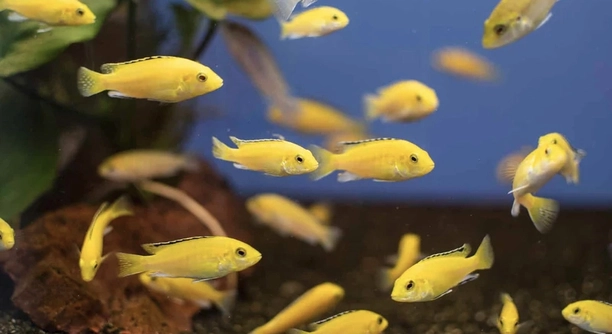
Have you ever set up a new aquarium and wondered whether cichlids enjoy swimming under leafy floating plants or prefer open water spaces? Observing their behavior can reveal interesting patterns in how they interact with their environment.
Cichlids generally prefer a balance between floating plants and open water. They use plants for shelter, breeding, and security, while open water allows for swimming, hunting, and social interactions. Maintaining both areas supports their natural behaviors effectively.
Understanding how cichlids use their surroundings can improve your aquarium setup and make your fish feel more comfortable and secure.
Why Floating Plants Matter
Floating plants create shaded areas that cichlids often use for resting and hiding. Many species feel safer when they can retreat under plants, especially shy or newly introduced fish. The leaves also provide surfaces for microorganisms, which some cichlids may graze on. In addition, plants help reduce strong lighting, making the aquarium less stressful. They can also act as a buffer against sudden water flow, giving fish calmer spaces. Overcrowded tanks with too many open areas can make cichlids feel exposed, which may lead to aggressive behavior. Floating plants also help with water quality by absorbing excess nutrients. They can reduce algae growth by limiting light reaching the lower parts of the tank. Even a few floating plants scattered across the surface can create a more comfortable and natural environment. Observation shows that cichlids often swim near or beneath plants during the day, using them strategically for comfort and protection.
Adding floating plants enhances both aesthetics and fish behavior. The shaded areas encourage natural activity and reduce stress.
Balancing the placement of floating plants is important. Too many leaves can block swimming paths, while too few may not provide enough cover. Adjusting plant density based on cichlid species can create an optimal environment. Combining floating plants with mid-level and bottom plants creates vertical layers, giving fish multiple options for hiding, exploring, and interacting. The key is observing how your cichlids respond and rearranging plants as needed. Different species have unique preferences; some like dense cover while others favor partial shading. Plants can also influence breeding behavior, as some cichlids use leaves for laying eggs or guarding fry. Watching these interactions can guide you in maintaining the right balance. Overall, floating plants improve both the physical and mental well-being of your cichlids, supporting a healthier, more engaging tank environment.
Benefits of Open Water
Open water allows cichlids to swim freely and exercise naturally. They use it for exploring and establishing territories.
Providing open areas reduces aggression by giving fish space to avoid conflict. It encourages active behavior and strengthens muscles.
Open water also supports social interaction, especially for schooling or semi-aggressive species. Without sufficient space, territorial disputes may increase, causing stress or injury. Observing fish in larger open areas shows more natural swimming patterns and playful behavior. Combining open water with plants ensures a versatile habitat, allowing cichlids to choose between hiding and swimming freely. Well-planned open zones also make feeding easier and reduce competition over limited spots. Ensuring at least a third of the tank is clear space provides balance, while decorations or rocks in other areas create interest without restricting movement. Proper use of open water contributes to a healthier, more active aquarium where cichlids can thrive physically and mentally over time.
Finding the Right Balance
Too many floating plants can make swimming difficult for cichlids. They need open water to move freely and exercise naturally.
Observing your cichlids helps determine how much cover they prefer. Some species spend more time under leaves, while others actively patrol open areas. Adjusting plant density based on behavior creates a comfortable environment. Combining floating plants with open spaces allows fish to hide when stressed and swim freely when relaxed. Watching interactions over a few days gives insight into which areas your fish use most. A balance ensures both mental stimulation and physical health.
Plant placement should also consider lighting and water flow. Dense floating plants can reduce light reaching lower tank areas, affecting other plants or algae growth. Positioning leaves to allow some open paths keeps water circulation strong. Rotating or trimming plants periodically prevents overcrowding and maintains variety in the tank. Each cichlid species may respond differently, so observing daily behaviors is crucial. Adjusting slowly helps avoid stressing the fish while keeping both hiding spots and swimming areas accessible.
Adjusting for Different Species
Some cichlids prefer dense cover, while others thrive in more open water. Species-specific behavior guides tank design.
Tropheus and African cichlids, for example, often favor open swimming zones with scattered plants or rocks. They explore aggressively and establish territories in open water, using plants only for occasional cover. On the other hand, South American cichlids like Apistogramma or Discus often hide under floating plants or among thick vegetation. Matching tank layout to natural preferences reduces stress and encourages healthy behavior. Observing feeding, social interaction, and resting patterns indicates whether adjustments are needed. A mix of plants and open space works for most community setups, but careful monitoring ensures each species’ needs are met.
Adjusting for species also involves considering tank size and water conditions. Smaller tanks may require fewer plants to maintain swimming room, while larger tanks can support dense floating cover without restricting movement. Some cichlids are sensitive to light intensity and prefer shaded areas provided by plants. Temperature and pH preferences may also influence where they spend time, with certain species favoring specific microenvironments within the tank. Observing how fish interact with both open water and plant-covered areas over time allows you to fine-tune the setup. Rotating plants or repositioning decorations can create variety and keep the habitat stimulating. This thoughtful approach ensures cichlids remain active, healthy, and display natural behaviors consistently.
Choosing Plant Types
Floating plants like duckweed or water lettuce offer light cover and shade for cichlids. They are easy to maintain and grow quickly, providing shelter without taking too much space.
Some cichlids prefer plants with larger leaves, such as Amazon frogbit, for hiding or laying eggs.
Combining Open Water and Plants
A tank with a mix of open water and floating plants encourages natural behavior. Open areas allow swimming, chasing, and social interaction, while plants provide shelter, reduce stress, and create microhabitats. Observing how cichlids use both areas helps adjust density and placement. A balanced setup supports health and activity.
Observing Fish Behavior
Watching where cichlids spend most of their time shows their preferences. Adjusting plant coverage and open water accordingly improves comfort and reduces stress.
How many floating plants should I add to my cichlid tank?
The number of floating plants depends on the tank size and species of cichlids. Generally, covering about 25–40% of the surface is a good starting point. This provides enough shade and hiding spots without limiting swimming space. Some species, like Apistogramma, appreciate denser coverage, while more active species need more open water. Observing your fish over a few days will help you determine if adjustments are needed. Too many plants can make swimming difficult and block light from reaching other plants. Trimming or thinning floating plants regularly keeps the balance healthy and prevents overcrowding.
Can floating plants affect water quality?
Yes, floating plants can influence water conditions in several ways. They absorb excess nutrients, which can reduce algae growth and help maintain cleaner water. However, decaying plant matter can release organic waste, increasing ammonia and nitrate levels if not removed. Regular maintenance, such as removing dead leaves and trimming excess growth, helps prevent water quality issues. Floating plants can also reduce water flow in certain areas, so monitoring circulation is important to avoid stagnant spots. Proper filtration combined with plant care ensures a healthy environment for cichlids while still offering natural shelter and shade.
Do cichlids hide under floating plants all the time?
Not all the time. Cichlids use floating plants mainly for protection, resting, or breeding. They often swim into open water for feeding, social interactions, and exploring. Some shy or new fish spend more time under plants initially but gradually explore more open areas once they feel secure. Observing their daily patterns helps determine the right plant density and placement. The goal is to provide options for both cover and freedom of movement. Having too many floating plants may lead to stress if fish feel trapped, so balance is key for creating a comfortable environment.
Will floating plants affect breeding?
Floating plants can encourage breeding for many cichlid species. Leaves offer shade and create secluded areas that reduce stress, which is essential for mating behavior. Some species may even use the leaves for guarding eggs or fry. Providing floating plants in combination with mid-level or bottom plants creates multiple zones for different reproductive behaviors. Observing interactions between males and females can indicate if plants are sufficient for spawning. Adjusting plant placement slightly during breeding seasons may improve success while maintaining access to open swimming areas for general activity.
Do cichlids prefer open water during feeding?
Yes, most cichlids move into open water to feed. Open areas allow them to chase food and compete naturally without obstruction. Floating plants near the surface can provide temporary hiding spots, but active feeding usually happens in clearer zones. Placement of floating plants should leave enough room for free swimming and reduce territorial disputes. Observing feeding behavior can indicate if the balance between cover and open water is correct. Adjusting plant coverage based on feeding patterns ensures fish are comfortable and well-fed without increasing aggression or stress.
Can too many floating plants cause aggression?
Indirectly, yes. Dense floating plants may limit swimming space and visibility, which can increase territorial disputes among cichlids. Fish may feel trapped or stressed, leading to aggression. Providing open areas for movement and escape routes reduces tension. Monitoring behavior after adding or removing plants helps identify problem spots. Maintaining a mix of open water and floating plants ensures that each fish has both shelter and space, reducing conflict while still allowing natural hiding and resting behaviors.
How do I maintain floating plants without harming cichlids?
Trim dead or overcrowded leaves regularly to prevent decay. Avoid chemicals that could harm fish. Ensure plants do not block all light or reduce water flow drastically. Cleaning debris during water changes helps maintain water quality. Rotating or thinning plants provides variety, preventing stagnant zones and keeping cichlids active. Observing fish reactions during plant maintenance helps maintain a safe, healthy environment while giving fish the benefits of both cover and open swimming areas.
Can floating plants affect tank temperature?
Yes, they can slightly shade the water, reducing light penetration and helping moderate temperature fluctuations. While the effect is small, in tanks exposed to strong lighting, this shading can create cooler zones. Fish often use these areas to regulate comfort. Adjust plant coverage to balance temperature control, light for other plants, and swimming space. Regular observation ensures cichlids remain comfortable and active.
Are there risks of plants overtaking the tank?
Floating plants grow quickly and can spread rapidly if not managed. Overgrowth can block light, reduce swimming space, and trap debris. Trimming, thinning, or removing excess plants is necessary to maintain a healthy environment. Careful management prevents overcrowding while still providing natural cover for cichlids. Observing how plants interact with fish behavior ensures the tank remains balanced and functional.
Do all cichlid species respond the same to floating plants?
No, species preferences vary. African cichlids often prefer more open water, while South American cichlids may spend more time under cover. Observing each species’ behavior guides plant placement and density. Tailoring the environment to species needs ensures lower stress, more natural behavior, and healthier fish overall. Adjusting over time based on observations is the best approach.
This FAQ section provides practical guidance on balancing floating plants and open water for cichlids, helping maintain a healthy, comfortable, and natural aquarium environment.
Finding the right balance between floating plants and open water is essential for keeping cichlids healthy and comfortable. Floating plants offer shade, hiding spots, and areas for resting, which helps reduce stress for many species. They also give shy or newly introduced fish a safe space, letting them explore the tank at their own pace. Open water, on the other hand, allows cichlids to swim freely, interact socially, and exercise naturally. Both areas serve important roles in the tank, and combining them creates a more dynamic and natural environment. Observing your fish over time is key to understanding how they use each area, which can guide adjustments in plant density or placement. Small changes can make a noticeable difference in their behavior, comfort, and overall well-being.
Floating plants also influence other aspects of the aquarium. They can absorb excess nutrients, helping to control algae growth and improve water quality. At the same time, decaying plant matter needs to be removed to prevent spikes in ammonia or nitrate levels. Open water ensures good circulation and allows fish to establish territories, reducing aggression in species that are naturally territorial. For species that breed in tanks, floating plants may provide safe areas for guarding eggs or fry, while open water gives adults space to move and hunt for food. Paying attention to how your cichlids respond to these elements allows you to create a setup that supports both physical health and natural behaviors, encouraging a more active and engaging environment.
Adjusting your aquarium over time is important. Some cichlids prefer dense plant cover, while others thrive in larger open spaces. Changes in behavior, such as spending more time hiding or becoming more aggressive, can indicate whether plant density or open water space needs adjustment. Regular trimming, repositioning, and balancing floating plants with open areas will ensure the tank remains functional and safe for all species. Ultimately, understanding your fish’s preferences and observing their interactions with plants and open water allows you to maintain a healthy, stress-free aquarium. Providing a mixture of cover and swimming space is the most effective way to meet the needs of cichlids, keeping them active, comfortable, and thriving over time.

Hello,
If you enjoy the content that we create, please consider saying a "Thank You!" by leaving a tip.
Every little bit helps us continue crafting quality advice that supports the health, happiness, and well-being of pets around the world, for pets of all shapes, sizes, and species.
We really appreciate the kindness and support that you show us!