
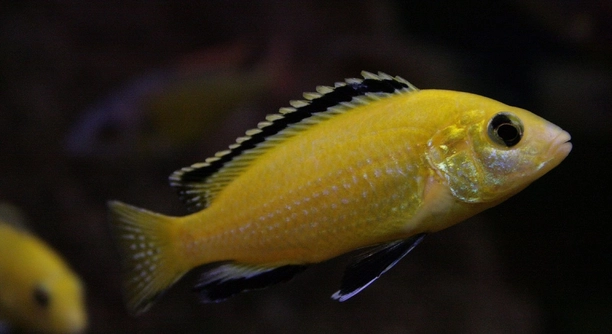
Do you ever find yourself needing to move your cichlids to a new tank but feel unsure about the best way to do it safely? Relocating fish can be stressful for both the owner and the pets.
Successful cichlid relocation requires careful planning, proper equipment, and consideration of the fish’s stress levels. Maintaining water quality, gradual acclimation, and monitoring health are critical to ensuring the process is safe and minimally disruptive.
Following these steps will make the move smoother for your cichlids and help maintain their health and well-being in the new environment.
Preparing the New Tank
Before moving your cichlids, it is essential to prepare their new tank properly. Ensure the tank is fully cycled, with stable water parameters that match their current environment. Clean the tank thoroughly but avoid using harsh chemicals that could harm the fish. Add appropriate substrate, decorations, and hiding spots to reduce stress during the transition. Test the water for temperature, pH, ammonia, nitrites, and nitrates to ensure it is safe. Installing a gentle filter and aeration system will help maintain oxygen levels and circulation. Gradually adjust the lighting to mimic the previous tank, which can make the environment more familiar. Having a stable, well-prepared tank before introducing your cichlids reduces the risk of shock, illness, and behavioral issues. Taking the time to match the new environment to the old one is crucial for a smooth relocation. This preparation sets the foundation for your fish to thrive in their new home.
A prepared tank reduces stress and ensures your cichlids adapt quickly. Stability in water and environment is key for healthy relocation.
Taking extra care during setup will minimize risks and help your fish feel secure. Providing similar hiding spots, proper temperature, and clean water allows them to adjust naturally without unnecessary stress or illness.
Transporting Cichlids Safely
Use a clean, leak-proof container to move your cichlids, filling it with water from their original tank.
Transporting cichlids safely requires careful handling to prevent injury or stress. Fill a sturdy container with water from the current tank and ensure it is secure during transit. Avoid overcrowding and consider using dividers for larger or more aggressive species. Keep the water temperature stable by using insulated carriers or placing warm packs around the container, if necessary. Minimize sudden movements and vibrations to prevent shock. During transport, maintain low lighting to reduce stress, and avoid tapping on the container. Limit transport time whenever possible, planning for the quickest and safest route. Once at the new tank, allow the fish to rest in the container for a short period before acclimating. Careful handling during this phase is crucial for the cichlids’ overall health, reducing the risk of stress-related illnesses or behavioral problems. Preparing ahead ensures a smoother transition.
Maintaining water temperature, gentle handling, and minimizing travel time are critical. Secure containers and familiar water help your cichlids remain calm during relocation.
Following these steps ensures the fish arrive healthy and ready to acclimate. Avoid rushing the process and give them a few minutes to adjust before adding them to the new environment. Keeping their water stable and limiting stress during transit protects their health and improves their chances of settling in comfortably.
Acclimating Your Cichlids
Acclimation helps cichlids adjust to new water conditions safely. Slowly introducing them prevents shock and reduces stress, which is essential for their health.
Start by floating the transport bag in the new tank for 15–20 minutes to equalize temperature. Gradually mix small amounts of tank water into the bag every five minutes. This helps fish adjust to pH, hardness, and other water parameters. Avoid adding too much water too quickly, as rapid changes can cause stress or illness. Observe the fish for signs of distress, such as rapid gill movement or erratic swimming. Patience during acclimation ensures a smoother transition and lowers the risk of sudden health problems. Keeping the process slow and steady allows cichlids to settle naturally.
After acclimation, gently release the cichlids using a net instead of pouring them. This minimizes water mixing and reduces stress. Ensure the fish are comfortable before leaving them alone for longer periods. Gradual adjustment encourages confidence and promotes healthy adaptation in the new tank.
Monitoring After Relocation
Close observation after relocation is necessary to detect early signs of stress or illness. Watch for appetite changes and unusual behavior.
In the first few days, closely monitor the cichlids for any health issues. Check water quality daily, ensuring parameters remain stable. Watch for signs of stress such as hiding excessively, gasping at the surface, or discoloration. Feed small amounts and note if they eat normally. Maintaining consistent temperature, lighting, and filtration helps them adapt faster. Remove any uneaten food promptly to prevent water quality deterioration. Be attentive to aggression among tank mates, as stress can trigger disputes. Early intervention helps prevent minor issues from becoming serious health problems, keeping the cichlids safe and comfortable in their new environment.
Continued care involves regular observation, maintaining water quality, and adjusting conditions if needed. Providing a stable, calm environment supports long-term health and encourages the fish to regain normal behavior quickly. Consistency and patience are key to helping cichlids settle fully.
Feeding Adjustments
Adjusting feeding during relocation helps cichlids cope with stress. Offer smaller portions and monitor their appetite closely.
Temporarily reduce feeding frequency and quantity. Overfeeding can stress fish in a new environment and degrade water quality. Provide easily digestible food to encourage eating without upsetting their system. Observe each fish to ensure they are consuming enough and adjust portions as needed.
Maintaining Water Quality
Consistently monitor water parameters after relocation to prevent illness. Regular testing ensures stability in the new tank.
Check ammonia, nitrite, nitrate, and pH levels daily for at least the first week. Perform partial water changes if needed, but avoid large fluctuations. Keep filtration running efficiently and remove uneaten food promptly. Maintaining stable water quality is critical for reducing stress and supporting the immune system of relocated cichlids. Subtle changes in temperature or chemical composition can lead to illness, so careful monitoring is essential. Adjust lighting and aeration as required to maintain oxygen levels. Keeping a steady, clean environment ensures fish adapt well and reduces the risk of long-term health issues.
Observing Behavior
Watch interactions and swimming patterns to detect stress or aggression early.
FAQ
How long should I acclimate my cichlids to the new tank?
Acclimation usually takes 30–60 minutes. Start by floating the transport bag in the new tank to equalize temperature for 15–20 minutes. Gradually add small amounts of tank water into the bag every five minutes. Avoid rushing the process, as sudden changes in water conditions can cause stress or illness. Observe the fish closely for any signs of distress, such as rapid gill movement or erratic swimming. Once the water parameters in the bag closely match the tank, gently release the cichlids using a net. Proper acclimation helps the fish adjust safely to their new environment and reduces the risk of shock.
Can I move multiple cichlids at once?
Yes, but be mindful of crowding and aggression. Overcrowding can increase stress, reduce oxygen levels, and lead to injury during transport. For larger or more aggressive species, consider separating them using dividers or multiple containers. Always use water from their original tank to fill the transport container, and ensure it is sturdy and leak-proof. Monitor temperature and water quality closely during transport. Limiting handling and movement reduces stress and helps cichlids arrive healthy.
What should I feed my cichlids after relocation?
Feed smaller portions for the first few days and offer easily digestible foods. Overfeeding can degrade water quality and stress the fish further. Observe their appetite and adjust portions gradually as they settle. Avoid changing their diet drastically during this period. Providing familiar foods helps reduce stress and encourages normal eating habits. Monitor feeding behavior closely to detect potential health issues early.
How do I prevent aggression after relocation?
Provide plenty of hiding spots and visual barriers within the tank. Rearrange decorations or add new structures to break sight lines, reducing territorial disputes. Monitor fish behavior and separate overly aggressive individuals if necessary. Maintaining stable water parameters and proper feeding routines also reduces stress-driven aggression.
How often should I test water parameters after moving cichlids?
Test daily for at least the first week. Monitor ammonia, nitrites, nitrates, and pH closely, along with temperature and oxygen levels. Perform partial water changes if necessary to maintain stability. Sudden changes in water chemistry can cause illness or stress. Keeping a consistent schedule helps the fish adapt safely and ensures long-term health.
Is it normal for cichlids to hide after relocation?
Yes, hiding is a common stress response. Provide adequate shelters like caves, plants, or rock formations to help them feel secure. Avoid disturbing the tank too often, and allow the fish to explore at their own pace. Hiding should decrease over several days as they acclimate.
Can I use a net to transfer cichlids?
Yes, but handle them gently. Using a soft, fine-mesh net reduces injury and limits stress. Avoid overhandling, as repeated contact can damage scales or fins. Slowly move them to the new tank after acclimation, ensuring water in the net closely matches the tank to prevent shock.
What are early signs of stress I should watch for?
Look for rapid breathing, erratic swimming, hiding excessively, loss of appetite, or faded colors. These signs indicate that water parameters or environmental conditions may need adjustment. Prompt action can prevent illness and help the fish recover quickly.
How long until cichlids fully adjust to the new tank?
Adjustment varies but typically takes one to two weeks. Smaller or less aggressive species may adapt faster, while larger or territorial fish need more time. Provide a stable environment, consistent feeding, and minimal disturbances. Regular observation ensures they settle safely and regain normal behavior patterns.
Should I change the lighting after relocation?
Yes, gradually adjust lighting to mimic previous conditions. Sudden changes in light intensity or duration can increase stress. Maintaining a stable light schedule helps fish acclimate and supports their natural behavior and feeding patterns.
What if a fish refuses to eat after relocation?
Continue offering small amounts of familiar food and monitor closely. Stress can temporarily reduce appetite, but prolonged refusal may indicate water issues or illness. Ensure water quality is stable and observe for other symptoms. Avoid overfeeding, and provide hiding spots to reduce stress and encourage normal eating habits.
How do I handle temperature differences between tanks?
Float the transport bag in the new tank to equalize temperature before releasing the fish. For larger differences, adjust slowly by adding small amounts of tank water into the bag gradually. Avoid rapid changes, which can cause shock and compromise fish health.
Final Thoughts
Relocating cichlids requires careful planning, patience, and attention to detail. It is not simply about moving fish from one tank to another; it involves creating a safe and stable environment that minimizes stress and supports their health. Proper preparation of the new tank is essential, including checking water parameters, adding hiding spots, and ensuring a clean, well-filtered environment. Transport should be done carefully, using secure containers and familiar water to prevent sudden changes that could shock the fish. Taking time to acclimate the cichlids slowly allows them to adjust to temperature, pH, and other water conditions, which is critical for reducing stress and preventing illness. Even small steps, like floating the bag in the new tank or gradually mixing in tank water, can make a significant difference in their overall adaptation.
After relocation, monitoring behavior and health is key. Observing the cichlids for signs of stress, aggression, or illness allows immediate intervention if problems arise. Feeding should be adjusted to smaller portions and easily digestible food to support their recovery. Water quality must remain stable, with daily checks of parameters such as ammonia, nitrites, nitrates, and pH. Uneaten food should be removed promptly to maintain cleanliness, and partial water changes should be performed carefully to avoid sudden fluctuations. Providing sufficient hiding spaces, rearranging decorations, and minimizing disturbances all contribute to a calmer environment. Aggression between tank mates can occur, especially if territorial species are involved, but careful observation and adjustment can prevent serious conflicts. Patience and consistency are crucial, as it may take days or even weeks for the cichlids to fully settle.
Caring for relocated cichlids is about balance and attentiveness. Ensuring a smooth move involves planning every step, from preparing the new tank to observing the fish post-relocation. Each fish responds differently, so it is important to adjust your approach based on their behavior and needs. Consistency in water conditions, feeding, and environmental structure promotes confidence and encourages natural behavior. While relocation can be stressful for both fish and owner, following proper steps reduces risk and helps maintain long-term health. Successful cichlid relocation is achievable with careful handling, gradual acclimation, and ongoing observation, ensuring that the fish remain healthy, active, and comfortable in their new home.

Hello,
If you enjoy the content that we create, please consider saying a "Thank You!" by leaving a tip.
Every little bit helps us continue crafting quality advice that supports the health, happiness, and well-being of pets around the world, for pets of all shapes, sizes, and species.
We really appreciate the kindness and support that you show us!