
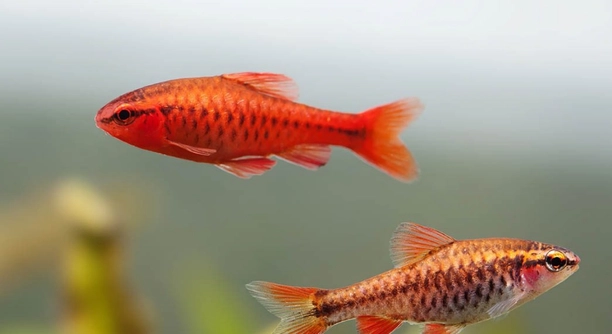
Cherry Barbs are popular freshwater fish known for their vibrant colors and peaceful nature. When it comes to setting up their habitat, choosing the right substrate is essential. A common debate among aquarium owners is whether Cherry Barbs prefer sand over gravel.
Research indicates that Cherry Barbs generally prefer fine substrates such as sand, which mimics their natural habitat. However, they can adapt to gravel as long as the pieces are smooth and not sharp. Both options can be suitable.
Understanding the benefits of each type of substrate will help you create a more comfortable and natural environment for your Cherry Barbs. The choice of sand or gravel can impact their behavior, health, and overall well-being in the aquarium.
Why Substrate Matters for Cherry Barbs
Choosing the right substrate plays a significant role in how your Cherry Barbs feel in their environment. These fish thrive in softer, finer substrates, which closely resemble their natural habitat in streams and ponds. Sand, especially, provides a more comfortable bottom surface for these fish to move around, reducing stress. On the other hand, gravel can also work if the pieces are smooth and round, without sharp edges that could harm their delicate bodies. The texture of the substrate impacts how your fish behave, as well as their overall health. Sand allows Cherry Barbs to sift through it, an instinctual behavior they enjoy. Gravel, while still acceptable, doesn’t offer this same experience, and may even trap waste and debris, making cleaning more difficult. Keeping your tank clean is essential for the health of all aquatic life, but it’s even more critical if you’re using gravel. When making your decision, consider not just the aesthetic look but the long-term comfort and well-being of your Cherry Barbs.
Substrate type affects water parameters, too. For example, sand helps maintain a stable pH level, which is crucial for Cherry Barbs. Gravel, especially when not cleaned properly, can trap organic matter and alter water quality over time.
Cherry Barbs are not high-maintenance fish, but they do benefit from a well-maintained tank. If you opt for gravel, it is important to vacuum the substrate regularly. Gravel tends to trap waste, which can lead to an increase in harmful ammonia or nitrates in the water. Over time, this can stress your fish, leading to potential health issues. Sand, on the other hand, makes waste removal easier and helps with filtration. The finer texture prevents debris from getting stuck between particles, allowing the water to flow more smoothly. However, it’s still important to use a good filtration system to keep the water clean. You can also consider adding live plants to help keep the tank balanced. Healthy plants will aid in filtration and offer your Cherry Barbs hiding spots, making them feel more secure. Whether you choose sand or gravel, regular maintenance is essential to ensure a happy and healthy environment.
The Pros and Cons of Sand vs. Gravel
When choosing between sand and gravel, both options have their pros and cons. Sand provides a more natural look and is gentler on the fish. However, it may compact over time and cause problems with water flow if not properly maintained.
Gravel is more commonly used in aquariums and provides a good base for plants to root in. It’s also easier to find in stores. The downside is that gravel can trap waste and debris, making it harder to clean. Regular vacuuming is needed to keep the tank free of harmful buildup.
In the end, the decision between sand or gravel depends on your priorities. If you want an environment that mirrors natural conditions and are ready to clean more frequently, sand may be the better option. If you prefer a more traditional look and have the time for proper maintenance, gravel might suit your needs. Each substrate has its place, but understanding how it affects both your fish and the tank’s ecosystem is key to making the right choice.
The Impact of Substrate on Behavior
The type of substrate affects how Cherry Barbs interact with their surroundings. Fish that live in environments with soft, fine sand are more likely to display natural behaviors like sifting through the substrate. Gravel can limit this.
Cherry Barbs are active and curious fish that enjoy exploring their environment. When they have sand in their tank, they often use their mouths to sift through it, looking for food and other small particles. This mimics their natural feeding habits. On the other hand, gravel doesn’t provide this experience. It may feel unnatural to them and limit their interaction with the substrate. The texture of sand allows them to interact with it in a way that gravel doesn’t, providing mental stimulation and comfort. This can lead to more active and healthy Cherry Barbs in your tank.
While Cherry Barbs can adapt to gravel, they seem to enjoy the sand’s finer texture. Some owners report that Cherry Barbs behave more naturally and are less stressed when kept in a tank with sand. When choosing a substrate, it’s important to consider not only aesthetics but how it can enhance the fish’s life in the aquarium. Sand encourages natural behaviors, leading to a more enriching experience for your fish.
Maintaining Tank Cleanliness with Different Substrates
Both sand and gravel require regular cleaning, but they affect tank maintenance differently. Sand is generally easier to clean because debris sits on top. Gravel can trap waste and debris, complicating cleaning efforts.
With sand, waste sits on top, making it easy to vacuum up. This prevents debris from getting trapped in the substrate, which can lead to harmful bacteria build-up. However, sand can compact over time, so it’s essential to stir it occasionally to allow water flow and avoid any build-up of gases under the surface. Gravel, on the other hand, can trap waste and food particles between the pieces, leading to potential water quality issues. Regular vacuuming is needed to prevent harmful build-up. Gravel requires more time and effort to clean, especially in tanks with high fish loads or dense vegetation.
Though gravel can be trickier to clean, it has its benefits. The uneven surface helps anchor plants, which can improve the overall aesthetic and stability of the tank. It’s also often preferred for tanks with bottom-dwelling fish or those that don’t sift through the substrate. Sand is easier to manage, but it might not be ideal for all tank setups. When making a choice, think about the specific needs of your tank and fish, as well as how much time you are willing to invest in cleaning.
Substrate and Water Quality
The substrate you choose affects water quality in the tank. Sand can help maintain a stable water environment, while gravel may trap waste, affecting water parameters. Both need regular maintenance to keep the water clean.
Sand allows for better filtration because it doesn’t trap as much debris. This helps prevent water quality issues, like high ammonia or nitrate levels, which can harm Cherry Barbs. In contrast, gravel often traps waste between its particles. If not vacuumed regularly, this waste can decompose and release harmful chemicals into the water. Therefore, while both substrates can be used effectively, sand may be more beneficial for maintaining clean water.
Regular water changes and proper filtration are essential regardless of substrate type. However, sand can help in reducing the risk of harmful build-up, keeping your Cherry Barbs safe from water quality issues.
Substrate and Plant Growth
Gravel is often preferred for supporting plant growth because it provides a solid base for roots. Sand may limit plant development if not chosen carefully.
Plants need to be securely anchored in the substrate for optimal growth. While gravel’s larger particles provide space for plant roots to grow, sand can cause problems if it compacts too much. Compacted sand may restrict root expansion and hinder plant development. A good compromise is using a layer of nutrient-rich substrate beneath sand to support plant growth. This setup provides both the benefits of sand and the stability needed for plants to thrive.
Substrate for Tank Aesthetics
The choice of substrate can dramatically change the look of your tank. Sand tends to create a soft, natural appearance, while gravel offers a more traditional, structured look.
FAQ
Can Cherry Barbs live in a tank with gravel?
Yes, Cherry Barbs can live in a tank with gravel. They are adaptable fish, and gravel is a commonly used substrate. However, it’s important to use smooth, rounded gravel to avoid injuring them. Rough or sharp-edged gravel can cause harm to their delicate bodies, especially when they move or sift through the substrate. It’s also essential to keep the gravel clean by vacuuming it regularly to prevent waste build-up. Although gravel isn’t their first choice, it can still provide a suitable environment if properly maintained.
Is sand better than gravel for Cherry Barbs?
In many cases, sand is a better choice for Cherry Barbs. It mimics their natural environment, where they often encounter soft, fine substrates. Sand allows them to sift through the substrate, an instinctual behavior that keeps them active and engaged. Unlike gravel, sand doesn’t trap waste and debris as easily, which helps maintain better water quality. However, sand can compact over time, so it’s essential to stir it occasionally to avoid gas build-up. Overall, sand provides a more natural and comfortable environment for these fish, promoting their health and well-being.
Can Cherry Barbs be kept with plants in a sandy tank?
Yes, Cherry Barbs can be kept with plants in a sandy tank. However, because sand can sometimes compact, it may restrict the growth of plant roots if not maintained properly. To support plant growth, consider using a nutrient-rich substrate beneath the sand. This helps provide the necessary nutrients for plants while maintaining the appearance and benefits of a sandy substrate. Additionally, the fine texture of sand can make it easier to remove debris around plants, as waste tends to sit on top of the surface.
What are the benefits of gravel for Cherry Barbs?
Gravel provides a solid, stable base for plant roots to anchor. It also promotes better water flow through the substrate, especially if the gravel is of a larger size. This can be beneficial for tanks with plants that need good root support. Gravel also helps with filtration, as the particles provide surface area for beneficial bacteria to grow. These bacteria break down harmful waste products, contributing to a healthier tank environment. Although it requires more regular cleaning to prevent debris from getting trapped, gravel can support a variety of aquarium setups effectively.
How often should I clean the sand in my Cherry Barb tank?
Cleaning the sand in your Cherry Barb tank should be done regularly, but the frequency depends on your tank setup. It’s essential to vacuum the sand at least once a week to remove any debris or waste that accumulates on the surface. You may also want to stir the sand occasionally to prevent it from compacting and to allow for better water flow. The goal is to keep the sand clean without disturbing the natural behaviors of your Cherry Barbs. In addition, ensure your filtration system is working well to help maintain water quality.
Does the substrate affect Cherry Barbs’ color?
The substrate itself doesn’t directly affect the coloration of Cherry Barbs. However, the overall health and well-being of the fish are influenced by their environment, and a comfortable environment may lead to more vibrant colors. Cherry Barbs typically exhibit the most vivid color in healthy, stress-free conditions. Using sand can reduce stress and promote natural behaviors, potentially allowing them to show their colors more clearly. A well-maintained tank with stable water parameters is crucial for keeping your Cherry Barbs healthy and colorful, regardless of whether you choose sand or gravel.
Can I mix sand and gravel in the same tank?
Yes, you can mix sand and gravel in the same tank. Some aquarium owners like to create a visually appealing landscape by combining different substrates. However, there are a few things to keep in mind. If you choose to mix substrates, make sure that the sand is not too fine or compacted, as this could cause water flow issues. Also, try to create a smooth transition between the two substrates to prevent debris from getting trapped between them. Regular cleaning will be necessary to maintain both types of substrates properly.
Do Cherry Barbs prefer a specific water pH with sand or gravel?
Cherry Barbs are not particularly sensitive to the pH of the water when it comes to substrate choice. They prefer slightly acidic to neutral water with a pH range of 6.0 to 7.5. Both sand and gravel can maintain these pH levels as long as the tank is properly maintained. However, certain types of gravel, such as crushed limestone, can alter the water’s pH, raising it to a more alkaline level. If you are using gravel, it’s important to monitor the water parameters to ensure they stay within the desired range for your Cherry Barbs.
Is it possible to change the substrate in an established tank?
Changing the substrate in an established tank is possible but requires careful planning. Removing and replacing the substrate can disturb the tank’s ecosystem, including the beneficial bacteria colonies that help break down waste. If you’re changing from gravel to sand (or vice versa), it’s important to do so gradually. Consider removing the fish and plants temporarily to prevent stress. You should also perform a series of water changes before and after the substrate change to maintain water quality. Additionally, be mindful of how the new substrate may impact the tank’s water flow and filtration system.
Do Cherry Barbs need a deep substrate?
Cherry Barbs do not require a deep substrate. A depth of 1 to 2 inches is generally sufficient for both sand and gravel. This provides enough space for beneficial bacteria to colonize and for plant roots to anchor. While deeper substrates can offer additional space for plant growth, they aren’t necessary for Cherry Barbs, especially if you don’t have many plants. If you plan to add plants, you may want to make sure the substrate is deep enough to support root systems, but for Cherry Barbs themselves, shallow substrates are perfectly acceptable.
Will sand affect my tank’s filtration system?
Sand can potentially affect your tank’s filtration system if not properly maintained. Because sand particles are finer, they can clog filters more easily, especially if you have a weak filtration system. To prevent this, it’s crucial to use a filter with enough power to handle the fine particles. Additionally, regular maintenance is key to ensuring sand does not compact and block water flow. If you notice any issues with filtration, you may need to adjust the power or type of filter you use to ensure your system is effective at keeping the water clean.
Final Thoughts
Choosing the right substrate for your Cherry Barbs is an important decision that can affect their health, behavior, and overall tank environment. Both sand and gravel can work well, but they offer different benefits. Sand tends to provide a more natural and comfortable environment, allowing your Cherry Barbs to sift through it, which mimics their behavior in the wild. It also helps maintain cleaner water since debris tends to sit on top, making it easier to remove. However, sand does require occasional stirring to prevent compaction and gas build-up.
Gravel, on the other hand, is more commonly used in aquariums and offers its own set of benefits. It provides a solid foundation for plants to anchor and supports a variety of aquatic creatures. Gravel can also help with filtration since it creates surface area for beneficial bacteria to grow. However, it tends to trap waste and debris more easily than sand, which means it requires more frequent cleaning to prevent water quality issues. If you opt for gravel, make sure it’s smooth and round to avoid injuring your Cherry Barbs.
Ultimately, the best choice between sand and gravel depends on your tank setup, your willingness to maintain it, and the needs of your Cherry Barbs. If you prioritize a natural environment and easier cleaning, sand may be the better option. If you prefer a substrate that supports plant growth and provides more structural support, gravel could be more suitable. No matter which substrate you choose, regular tank maintenance and proper water quality management will help keep your Cherry Barbs healthy and happy.

Hello,
If you enjoy the content that we create, please consider saying a "Thank You!" by leaving a tip.
Every little bit helps us continue crafting quality advice that supports the health, happiness, and well-being of pets around the world, for pets of all shapes, sizes, and species.
We really appreciate the kindness and support that you show us!