
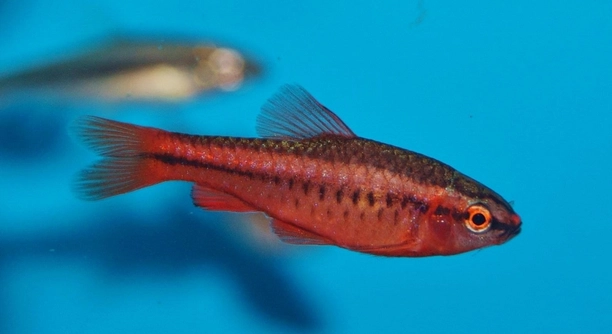
Cherry barbs are small, vibrant fish that make popular pets for aquarium enthusiasts. They are known for their lively behavior and striking colors, making them a beautiful addition to any home tank.
Research shows that cherry barbs, like many fish, rely heavily on environmental cues rather than recognizing individual humans. While they may associate their owners with feeding times, they do not demonstrate clear recognition of their human caregivers.
This information will help you understand how these fish perceive their surroundings and interact with you.
How Do Fish Recognize Their Owners?
Fish, including cherry barbs, generally do not recognize their owners in the way that mammals or birds might. Instead, their behaviors are primarily driven by instinct and routine. Fish like cherry barbs often rely on environmental cues, such as food, light, and movement, to guide their actions. They may learn to associate the sound of a specific person’s voice or their movements with feeding time. This association can make them more responsive to certain people, especially during feeding, but it is not the same as recognizing a person based on face or scent.
It’s important to remember that fish have a different sensory system than humans. While we rely on sight and sound to identify others, fish use more primitive methods such as vibrations and smell. This makes their “recognition” of us more about familiar routines than true recognition of individual faces.
Cherry barbs may show increased activity when they anticipate food. Their behavior becomes more predictable, but they do not form lasting emotional bonds in the way other pets might. The simple act of feeding or providing a consistent routine helps them connect with their environment but does not establish a sense of ownership or recognition.
Can You Train Fish to Recognize You?
Although fish cannot recognize people as we do, it’s possible to condition them to respond to specific actions or sounds. By consistently feeding them at the same time or making a specific noise, you may be able to encourage them to associate that stimulus with food. This could result in them swimming toward you when they hear a familiar sound, but this is still based on routine and not recognition of you as an individual.
How Fish Use Their Senses to Interact with Their Environment
Fish primarily rely on their senses of sight, smell, and vibrations to navigate their surroundings. They can detect changes in water movement, which helps them find food or avoid predators. While they can perceive certain visual cues, they do not have the same facial recognition abilities as humans or other mammals.
Cherry barbs, for example, use their lateral line system to detect vibrations and movement in the water. This system helps them respond to changes in their environment, such as approaching predators or feeding time. They also rely on smell to locate food and communicate with other fish, but they do not use these senses to identify specific people.
Over time, fish can form associations with specific events, like feeding times, based on consistent environmental cues. However, these associations are more about routine rather than recognizing individual humans. They don’t form lasting emotional bonds that would lead them to “recognize” a person in a way we understand.
Do Cherry Barbs Recognize Their Owners by Sound?
Cherry barbs may not recognize their owners in the same way a dog or cat does, but they can respond to specific sounds, especially if those sounds are consistently linked to feeding time. They may swim toward the surface when they hear a certain noise or vibration that signals food is near.
This behavior is driven by conditioned responses. Fish learn through repetition. If you consistently make a particular sound, such as tapping on the tank or speaking before feeding them, they can learn to associate that sound with food. While it’s not true recognition, it’s a learned behavior based on sound cues.
Can Cherry Barbs Recognize Their Owner’s Face?
Cherry barbs do not have the ability to recognize human faces. Their vision is more focused on detecting movement and changes in their environment. While they can see objects and people, their eyesight isn’t sharp enough for them to differentiate individuals based on facial features.
They can, however, learn to associate their surroundings with specific people, such as identifying a person by their movements or the sound of their voice. This doesn’t mean the fish can recognize their owner’s face, but they might respond to familiar routines linked to feeding.
How Cherry Barbs Respond to Familiar People
When cherry barbs recognize their feeding routine, they may swim to the surface when a specific person approaches, expecting food. However, this is more of a conditioned response to routine than true recognition. The fish are associating a person’s behavior with the event of being fed.
These behaviors are based on timing and patterns, rather than identifying a person. Fish learn quickly through repetitive actions, and they’ll start to react when the same person is consistently involved in their feeding schedule. This makes them seem like they “know” their owner, but it’s purely associative learning.
Will Cherry Barbs Bond with Their Owners?
Cherry barbs, like many fish, do not form emotional bonds in the way mammals do. While they can be conditioned to associate a person with feeding, they do not exhibit affection or attachment. They do not seek out human interaction for companionship.
FAQ
Can cherry barbs recognize their owners?
Cherry barbs do not recognize their owners in the way mammals or birds might. They are not capable of identifying individual humans based on facial features or scent. However, they can learn to associate specific actions, like the sound of a person’s voice or the movement of their hands, with feeding time. This type of learning, called conditioning, helps the fish respond to familiar cues but does not equate to true recognition.
How do fish recognize their environment?
Fish like cherry barbs primarily use their senses of sight, smell, and vibrations to interact with their environment. They rely heavily on their lateral line system, which detects water movement and vibrations. This helps them respond to changes around them, such as the presence of a predator or a food source. Fish do not rely on the same recognition mechanisms as humans, but they can learn and remember certain environmental cues, particularly those linked to feeding.
Do fish have memory?
Fish do have memory, but it works differently from that of humans. Research shows that fish can remember certain events and stimuli, especially those associated with feeding or danger. Cherry barbs, for example, can learn to associate a particular sound with food. This type of memory allows them to anticipate feeding time, but it is not the same as forming long-term memories of individual people or specific experiences.
Can cherry barbs become tame?
Cherry barbs may appear to become tame, but this is more about learning routines than bonding with a person. They can grow accustomed to regular feeding schedules and the actions of a particular person. If you feed them consistently and move in the same way each time, they may start to recognize the patterns and swim toward you when they see you approaching. However, they will not form a close bond or interact with you in the way a dog or cat would.
Do fish remember their owners?
Fish, including cherry barbs, do not have the cognitive ability to remember their owners the way pets like dogs or cats can. Their memory is primarily focused on environmental cues and events, such as the timing of feeding. While they might learn to recognize a person’s presence based on routine, they don’t form long-term memories of specific individuals.
Can cherry barbs recognize faces?
Cherry barbs do not have the ability to recognize faces. They have limited vision compared to mammals and rely on their other senses, like smell and vibrations, to navigate their environment. While they can perceive movement and changes in their surroundings, they do not differentiate between individual human faces. Their recognition is more about associating certain actions, such as feeding, with specific people or events, rather than recognizing faces themselves.
How do cherry barbs react to familiar people?
Cherry barbs may show excitement when a familiar person approaches, particularly if that person regularly feeds them. This behavior is more about routine and conditioning rather than emotional attachment. The fish may swim to the surface in anticipation of food, as they have learned to associate that person with feeding time. However, their reaction is not based on recognition of the individual, but on the expectation of a familiar event.
Can I train cherry barbs to recognize me?
While cherry barbs cannot recognize you as an individual, you can train them to respond to certain cues. If you consistently feed them at the same time or make a particular noise before feeding, they may learn to associate those actions with food. This could cause them to swim toward you or react when they hear the familiar sound or see the familiar movement. However, this is conditioned behavior and not true recognition of a person.
Do cherry barbs form bonds with their owners?
Cherry barbs do not form emotional bonds with their owners in the way that more social animals do. They may learn to associate certain people with feeding, but they do not seek out human interaction for companionship. Their behavior is based on instinct and conditioning rather than affection or attachment. While they can become more responsive to familiar routines, they do not bond with humans on an emotional level.
How can I make my cherry barbs more responsive to me?
To make your cherry barbs more responsive, establish a consistent feeding routine. They will start to associate you with food and may swim toward you when they see you approaching the tank. You can also use sounds or movements that they can learn to connect with feeding. Over time, they may show more excitement when you approach, but this is still based on learned behavior rather than recognition or emotional bonding.
Why do my cherry barbs swim to the surface when I approach?
When cherry barbs swim to the surface as you approach, it’s typically because they associate your presence with feeding time. Fish are creatures of habit, and once they learn a routine, they can anticipate when food is coming. This behavior is driven by their instincts and conditioning rather than any emotional attachment or recognition of you as an individual.
Can cherry barbs recognize other fish?
Cherry barbs can likely recognize other fish in their tank, but their ability to do so is based more on familiarity than on the complex social recognition seen in some other animals. Fish often recognize one another by their size, shape, or other distinguishing features. However, this recognition is more about survival and social behavior than emotional bonding.
Do fish have a sense of time?
Fish, including cherry barbs, have a basic sense of time, especially when it comes to routines. They can learn to expect food at specific times of the day, even if it’s not on a strict schedule. This sense of timing is based on environmental cues, like light changes or water temperature, rather than an internal clock like humans have. Over time, fish can recognize patterns and respond accordingly.
Final Thoughts
Cherry barbs are fascinating creatures, but they do not possess the ability to recognize their owners in the way humans or some other pets can. While they can associate certain actions, like a person’s movements or sounds, with food, this is more about conditioning than true recognition. Their behavior is based on routine and familiarity rather than emotional bonds or individual recognition. Cherry barbs, like most fish, respond to environmental cues, such as the timing of feeding, and may swim to the surface when they see a familiar pattern, but this should not be mistaken for recognizing a specific person.
Unlike mammals, who can form deep bonds with their owners, cherry barbs are more focused on survival instincts and simple associative learning. They do not seek out human interaction for companionship. Instead, they are driven by the expectation of food or the familiarity of their surroundings. Over time, they may respond more eagerly when they see a familiar person approach, but this is based on learned behavior rather than an emotional connection. For fish like cherry barbs, recognition is tied to the environment, not the individual.
Understanding the behavior of cherry barbs and other aquarium fish can help owners create a more engaging and enjoyable environment for them. While you may not be able to form a personal bond with your fish, you can still enjoy observing their reactions to routine and how they interact with their tank environment. Being aware of their natural instincts and the way they learn can help you build a better feeding schedule and improve the overall health of your fish. This knowledge can lead to a deeper appreciation of their simple yet intriguing behaviors.

Hello,
If you enjoy the content that we create, please consider saying a "Thank You!" by leaving a tip.
Every little bit helps us continue crafting quality advice that supports the health, happiness, and well-being of pets around the world, for pets of all shapes, sizes, and species.
We really appreciate the kindness and support that you show us!