
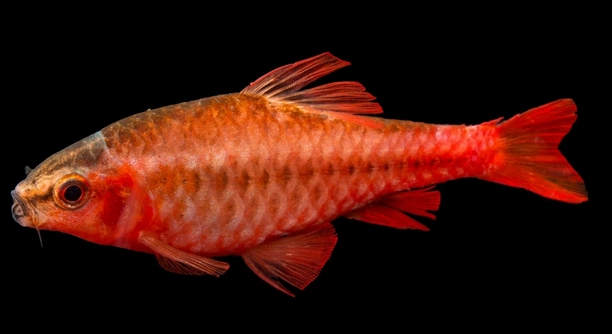
Cherry barbs are popular aquarium fish known for their vibrant colors and active nature. One of the key considerations for keeping them healthy is creating a suitable substrate for their tank. The right environment can improve their overall well-being.
Cherry barbs do not have a strong preference for sandy substrates. They thrive in a variety of tank conditions, including tanks with sand, gravel, or a mix. The choice of substrate will not significantly impact their health or behavior.
A sandy substrate can still be used in their tank for aesthetic purposes or to complement other fish species.
How Substrate Affects Cherry Barbs’ Behavior
The substrate in a cherry barb’s aquarium plays a role in their overall environment, but it doesn’t directly affect their behavior. Cherry barbs are highly adaptable fish, making them comfortable in a variety of setups. Whether you choose sand, gravel, or even a mixture, they adjust well. The key is ensuring that the tank offers enough space to swim and explore, regardless of the type of substrate. However, fine sand can sometimes make it easier for fish to forage for food, simulating a more natural environment.
Choosing the right substrate is essential to avoid sharp edges that could harm the fish. Avoiding overly rough or jagged gravel helps keep cherry barbs safe.
In addition to substrate, water quality, temperature, and tank mates play an important role in their behavior. Keeping water conditions stable is often more important than substrate type for ensuring healthy and active cherry barbs. A happy tank environment promotes natural behavior and vibrant colors.
Tank Setup and Cherry Barbs’ Health
Though cherry barbs adapt well to different setups, ensuring your tank has the proper elements is vital for their health. Cherry barbs are social fish, and having other fish to interact with can make a noticeable difference in their activity level.
The tank should be large enough to accommodate both the fish and the filtration system. Regular water changes and a proper filtration system are essential to maintain a clean and healthy environment. A mix of plants and hiding spots will provide a stress-free space for your fish, especially when they are feeling shy.
By creating an environment that meets their needs, cherry barbs will thrive in both sandy or gravelly substrates. Remember that water temperature and pH are important, but your choice of substrate can be based more on aesthetics than functionality.
Substrate and Water Chemistry
The substrate in your tank can influence the water chemistry, which is essential for the health of cherry barbs. Sand, for example, can trap more waste, leading to higher levels of ammonia and nitrites if not cleaned regularly. Gravel offers better drainage, helping to maintain more stable water parameters.
A sandy substrate needs to be cleaned often to prevent waste buildup, as stagnant areas can cause a spike in harmful toxins. On the other hand, gravel allows for better water flow, which can improve oxygenation and overall water quality. Both types of substrates can be suitable as long as maintenance is consistent.
To ensure your cherry barbs stay healthy, consider adding live plants to your tank. Plants help filter out excess nutrients, providing a more balanced ecosystem. When combined with the right substrate, plants can create a thriving environment for your fish.
Choosing the Right Substrate for Your Tank
When deciding between sand and gravel, consider the other fish in your tank. If you have species that like to burrow, sand might be a better option. It’s also gentler on the barb’s fins, reducing the risk of injury.
However, if you’re looking for a more practical option that’s easier to clean, gravel is the better choice. It helps to avoid compaction and doesn’t retain as much organic matter. The right substrate will depend on the specific needs of your tank setup and its inhabitants.
Balancing the needs of all species and your maintenance routine is key.
Substrate and Fish Behavior
Substrate choice can subtly impact fish behavior. Cherry barbs may spend more time exploring and foraging in a tank with fine sand. On the other hand, gravel can encourage them to swim more actively, especially when it creates a natural, varied environment.
Though the choice of substrate doesn’t drastically affect behavior, it can make them feel more secure and reduce stress. With proper tank setup, fish will exhibit natural behaviors such as schooling and interacting with each other. As long as they feel comfortable, cherry barbs will adjust well to their environment.
Importance of Tank Maintenance
Proper tank maintenance is vital for the well-being of your cherry barbs. Regular cleaning, water changes, and monitoring water parameters are essential to keeping your fish healthy. This is especially true if you’re using sand, as it can trap debris more easily.
Maintaining water quality helps to prevent diseases and keeps the tank environment stable. Use a gentle substrate vacuum for sand, ensuring no harmful buildup. A balanced tank setup will also support your fish’s overall health and vibrant colors, making regular maintenance a priority.
Water Temperature and Substrate Choice
Water temperature plays a significant role in how your cherry barbs react to different substrates. Colder water may make the fish less active, regardless of the substrate. Keeping the tank at the optimal temperature for cherry barbs (around 74-79°F) promotes a healthy, active environment.
FAQ
Do cherry barbs prefer a sandy substrate?
Cherry barbs are adaptable fish and don’t have a strong preference for sandy substrates. They can thrive in tanks with sand, gravel, or a mix. While they may enjoy foraging through finer materials like sand, it’s not essential for their well-being. What matters more is that the tank is clean, well-maintained, and offers plenty of space to swim and explore.
Can a sandy substrate cause issues for cherry barbs?
A sandy substrate can cause problems if not properly maintained. Since sand can trap organic waste, it’s important to clean it regularly to prevent harmful bacteria from developing. Without proper care, this could lead to ammonia spikes that could harm your fish. Gravel is easier to clean, but sand can still work if you ensure regular maintenance.
What type of substrate is best for cherry barbs?
There’s no single “best” substrate for cherry barbs, as they adapt well to various types. Sand is a good option if you want a natural look and have fish that like to forage. Gravel, however, allows better water flow and is easier to clean. Ultimately, it’s about what works best for your setup and maintenance routine.
Can I mix sand and gravel in the same tank?
Yes, mixing sand and gravel is perfectly fine, as long as you make sure both substrates are compatible with your tank setup. Many fishkeepers prefer this mix because it offers variety in the tank’s appearance and functionality. Just ensure the sand is fine enough to prevent any sharp edges and that both substrates are easy to clean.
Is fine sand bad for cherry barbs?
Fine sand isn’t necessarily bad for cherry barbs, but it requires regular cleaning. Fine sand can trap waste more easily than coarser materials, which can affect water quality if not managed properly. If you choose fine sand, consider using a gentle vacuum designed for sand substrates to help prevent debris buildup.
How often should I clean a sandy substrate for cherry barbs?
With a sandy substrate, cleaning is crucial. You should clean it regularly, at least once every two weeks, to avoid waste buildup. Use a siphon or substrate vacuum to remove debris from the surface without disturbing the sand too much. Be sure to perform regular water changes as well to maintain healthy water conditions.
Does the substrate affect cherry barb health?
The substrate does impact their health indirectly. While cherry barbs don’t have specific substrate needs, having a clean tank with the right substrate ensures better water quality. Clean water promotes healthy fish, reduces the chances of diseases, and maintains vibrant colors. Substrate affects water flow and cleanliness, which can influence overall health.
Can cherry barbs live in tanks with no substrate?
Yes, cherry barbs can live in tanks without substrate. Some aquarium setups, such as those with bare-bottom tanks, work well for cherry barbs. However, you’ll need to pay extra attention to water quality, as there will be no substrate to help filter out waste. In these tanks, regular water changes and strong filtration are especially important.
What are the benefits of using plants with cherry barbs?
Plants are an excellent addition to any tank, including one with cherry barbs. They help absorb excess nutrients, improve water quality, and provide hiding spots that reduce stress. Plants also create a more natural environment, allowing cherry barbs to feel secure and reduce aggression, which leads to healthier fish.
Can cherry barbs tolerate gravel as a substrate?
Gravel is a fine substrate for cherry barbs. It allows for good water flow and doesn’t trap as much waste as sand. As long as the gravel isn’t sharp and is properly cleaned, cherry barbs will do well in a gravel substrate. It’s an easy-to-maintain option that works well in most aquariums.
Is it okay to have sharp gravel with cherry barbs?
Sharp gravel can be harmful to cherry barbs, especially since they may accidentally scrape themselves while swimming or foraging. To prevent injury, use smooth, rounded gravel or fine sand. The safety of your fish should always be a priority, so choose substrates that are safe for their sensitive fins.
How does substrate affect cherry barb breeding?
While the substrate doesn’t directly affect the breeding behavior of cherry barbs, it does impact the tank’s overall environment. A clean, stable environment with the right substrate will encourage breeding. Providing plants or soft substrates can also give the fish areas to lay eggs, promoting successful breeding.
Do cherry barbs need a specific substrate for spawning?
Cherry barbs don’t require a specific substrate for spawning. They prefer to spawn on plant leaves or other surfaces like rocks or decorations. Adding fine-leaved plants or spawning mats can help them find a suitable place to lay eggs. The substrate doesn’t play a critical role in their reproductive process.
What’s the best substrate for cherry barbs in a planted tank?
If you have a planted tank, a nutrient-rich substrate like soil or fine gravel is ideal. Plants will benefit from the nutrients in the substrate, which in turn helps keep the water clean for your cherry barbs. Adding sand to the mix can also create a beautiful, natural-looking environment for both the plants and fish.
Can cherry barbs live in a tank with a gravel substrate and plants?
Yes, cherry barbs can thrive in a tank with a gravel substrate and plants. Gravel provides a stable base for plant roots, and the plants help maintain water quality. The mix of gravel and plants creates a balanced environment where cherry barbs can swim and interact, promoting a healthy ecosystem.
Final Thoughts
Choosing the right substrate for cherry barbs is not a one-size-fits-all decision. While they are not particularly picky about the type of substrate, it’s important to understand how each option can impact their behavior and health. Sandy substrates can mimic their natural habitat and provide a space for foraging, but they do require more frequent cleaning to prevent waste buildup. On the other hand, gravel offers better water flow and is easier to maintain, but may not give the same natural feel as sand. Regardless of your choice, the key is to ensure that the environment is clean and stable for your fish.
Maintaining water quality is crucial for the health of your cherry barbs, no matter the type of substrate you use. Regular water changes and proper filtration are necessary to keep the tank free from harmful toxins. The substrate should be cleaned regularly, especially with fine sand, to avoid trapping waste that could degrade water quality. If you notice any stress in your fish or changes in behavior, it may be a sign that the tank environment needs adjustment. A balanced, well-maintained tank ensures that your cherry barbs remain happy and healthy.
Overall, cherry barbs are hardy and adaptable fish that can live in various environments as long as basic care is provided. Whether you opt for sand, gravel, or a mix, the substrate choice will impact the overall aesthetic of the tank but is not the determining factor for their well-being. Creating a comfortable, clean, and secure environment with appropriate water parameters will help your cherry barbs thrive. Make sure to focus on the bigger picture, including water quality, tank size, and plant coverage, to create a thriving habitat for these beautiful, colorful fish.

Hello,
If you enjoy the content that we create, please consider saying a "Thank You!" by leaving a tip.
Every little bit helps us continue crafting quality advice that supports the health, happiness, and well-being of pets around the world, for pets of all shapes, sizes, and species.
We really appreciate the kindness and support that you show us!