
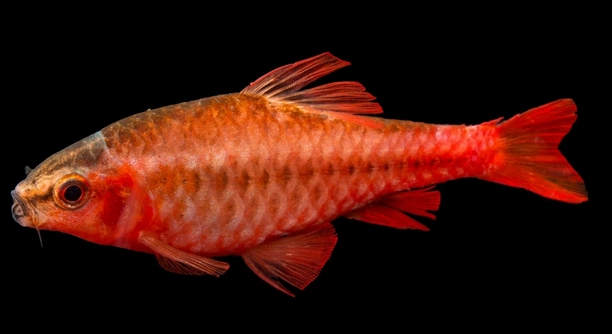
Cherry barbs are popular aquarium fish, known for their peaceful nature and attractive color. Keeping them in the right environment ensures their health and happiness. But, are they better suited for species-only tanks? Let’s explore this.
Cherry barbs thrive best in species-only tanks, as it reduces stress and potential aggression from other species. This type of tank also allows cherry barbs to exhibit their natural behaviors, leading to healthier and more active fish.
When it comes to maintaining a happy and healthy cherry barb, the tank setup plays a significant role. Understanding the benefits of a species-only tank can help you create an environment where your fish feel most at ease.
Why Cherry Barbs Might Struggle in Community Tanks
When adding cherry barbs to a community tank, one of the biggest challenges is their need for a calm and stable environment. In a community tank with a variety of species, there’s a higher chance that other fish might display territorial behaviors. This can lead to stress for cherry barbs, which may affect their health and longevity. Stress in fish can cause a weakened immune system, making them more vulnerable to diseases. Additionally, in tanks with larger, more aggressive fish, cherry barbs may find it difficult to find food and shelter, further impacting their well-being. While some species are more adaptable, cherry barbs are best suited to tanks where they can avoid stress from their tankmates.
Cherry barbs are peaceful, but they need a stable environment with little to no aggression. In a community tank, aggression from other species may lead to stress, weakening their immune system and affecting their overall health.
To keep cherry barbs healthy, it’s essential to understand their behavior. These fish thrive in calm waters with plenty of hiding spots. They also prefer to swim in schools, which helps them feel secure. In a community tank, other species might intimidate them or outcompete them for food. Over time, this can lead to weakened immune systems, making the cherry barbs more prone to illness. Additionally, some species of fish may exhibit territorial behavior, especially during breeding seasons, further adding to the stress. Even though cherry barbs are not aggressive, they can still become stressed and anxious in such environments, affecting their long-term health. A species-only tank allows them to express their natural behaviors without worry.
Creating the Perfect Home for Cherry Barbs
If you decide that a species-only tank is best for your cherry barbs, creating the ideal setup is essential. Choose a tank with plants and hiding spaces to help them feel secure. Maintaining clean water with a stable temperature will also contribute to their overall health.
Cherry barbs require well-maintained water parameters and a stable environment to thrive. They need clean, slightly acidic water with a temperature between 72-79°F. Plants, rocks, and decorations can help create a comfortable, low-stress environment.
Benefits of a Species-Only Tank
In a species-only tank, cherry barbs can live without the stress of other fish. They have space to swim freely and feel secure. This reduces the chances of injury from aggressive tankmates. Their vibrant colors and behaviors are more noticeable when they aren’t stressed or outcompeted by other fish.
Cherry barbs are peaceful by nature and prefer to live in a school of their own kind. In a species-only tank, they can fully exhibit their social behavior without worrying about aggressive or overly curious species. A calm environment helps them feel more comfortable, which often leads to healthier, more vibrant fish. Since cherry barbs do well in groups, a species-only tank ensures they have enough company, making them feel safer and more at ease. This natural social dynamic helps them thrive and shows off their best traits, like their stunning coloration and energetic movements.
In a species-only setup, it’s easier to maintain stable water conditions that are ideal for cherry barbs. These fish prefer slightly acidic water with a neutral to soft hardness. Keeping other species in the tank can cause fluctuations in water quality, as some species may have different needs. With cherry barbs alone, you can more accurately control the environment and prevent any stress caused by incompatible water parameters. This ensures a long, healthy life for your fish and reduces the risk of diseases caused by poor water quality.
Common Tankmates for Cherry Barbs
While cherry barbs may struggle in a community tank, there are still a few species that can live peacefully with them. Smaller, non-aggressive fish make the best companions, such as small tetras or rasboras. Avoid large or territorial species.
Ideal tankmates for cherry barbs include other peaceful, schooling fish. They can live well with species like neon tetras, pygmy corydoras, or other gentle barbs. These species are similar in size and temperament, so they won’t compete aggressively with the cherry barbs. Choosing fish that also thrive in similar water conditions ensures a harmonious tank environment. Avoiding larger fish, or species that exhibit territorial behavior, can help prevent conflicts and stress. Keeping the tank population to a minimum also allows enough space for each fish to feel comfortable and avoid overcrowding. With the right tankmates, cherry barbs can still enjoy a community setup without the added stress.
Ideal Tank Setup for Cherry Barbs
To create a comfortable environment for cherry barbs, ensure they have plenty of plants, rocks, and hiding spots. A well-planted tank mimics their natural habitat and reduces stress. Good filtration is also important to maintain clean water.
Cherry barbs are peaceful and thrive in planted tanks. They appreciate having lots of plants to swim through, as well as rocks or driftwood that provide hiding places. These features help reduce stress by giving the fish a sense of security. In a species-only setup, the cherry barbs can move freely without feeling crowded. A reliable filtration system is key to keeping the water quality stable, as cherry barbs are sensitive to poor water conditions. Proper maintenance will ensure they remain healthy and active.
Feeding Cherry Barbs
Cherry barbs are not picky eaters, but they benefit from a varied diet. Offering them high-quality flakes, pellets, and occasional live or frozen food ensures they receive the nutrients they need to stay healthy and vibrant.
Providing cherry barbs with a balanced diet is crucial for their well-being. They will eat most foods, but it’s best to give them a mix of high-quality flakes or pellets. Adding variety to their diet, such as live or frozen foods like brine shrimp or daphnia, supports their health. This also helps maintain their bright color and active behavior. Feeding them small portions multiple times a day keeps their digestion steady, and ensures they don’t overeat, which can lead to health problems.
Managing Water Parameters
Water quality plays a significant role in the health of cherry barbs. Ensure the water is soft to moderately hard with a pH between 6.5 and 7.5. Regular water changes help maintain stable conditions.
Maintaining proper water parameters is essential for cherry barbs. They prefer soft to moderately hard water with a pH range of 6.5 to 7.5, which is similar to their natural habitat. Regular water changes, about 20-30% per week, keep toxins from building up and help maintain stable conditions. Temperature should be kept between 72-79°F to keep the cherry barbs comfortable. Using an aquarium heater is helpful, especially in cooler environments, to maintain consistent warmth. With good water quality, cherry barbs will thrive and show their full potential.
FAQ
What size tank do cherry barbs need?
Cherry barbs are small fish, but they still require enough space to feel comfortable. A tank of at least 20 gallons is recommended for a small school of cherry barbs. The extra space allows them to swim freely and helps keep water quality stable. A larger tank also gives them room to interact with one another without feeling crowded. While they are small fish, a larger tank provides more stable conditions for maintaining clean water, which is essential for their health.
Can cherry barbs live with other species?
Yes, cherry barbs can live with other species, but it depends on the temperament of the other fish. They are peaceful and do well with other non-aggressive fish. Species like tetras, rasboras, and small peaceful catfish make good companions. However, cherry barbs should not be kept with larger or more aggressive species, as they may stress the barbs or outcompete them for food. In a community tank, it’s important to choose fish that have similar care requirements and aren’t territorial or aggressive.
Do cherry barbs need a school to thrive?
Yes, cherry barbs are social fish and thrive when kept in groups. They feel safer and more secure in a school of at least 5-6 individuals. In a group, cherry barbs are less likely to be stressed or become anxious. A school of cherry barbs can also exhibit natural behaviors, such as schooling and interacting with each other, which helps them feel comfortable in their environment. Without a school, cherry barbs may become shy and spend more time hiding, which can negatively impact their health.
Are cherry barbs hard to care for?
Cherry barbs are generally easy to care for, making them a great choice for beginners. They don’t have strict requirements and can adapt to a variety of water conditions. However, they do need stable water parameters, such as slightly acidic to neutral water and a temperature range of 72-79°F. Regular water changes are essential to keep their environment clean and prevent health issues. As long as their basic needs are met, cherry barbs are hardy and relatively low-maintenance.
How often should I feed my cherry barbs?
Cherry barbs should be fed small amounts of food 2-3 times a day. Overfeeding can lead to water quality issues, so it’s important to give them only as much food as they can consume within a few minutes. A varied diet is best, with high-quality flakes or pellets as the main staple food. You can also supplement their diet with live or frozen foods like brine shrimp or daphnia for added nutrition. Make sure to remove any uneaten food from the tank after feeding to avoid water pollution.
Do cherry barbs need special lighting?
Cherry barbs don’t require special lighting, but they do appreciate a tank with dim to moderate lighting. Bright lights can stress them out, especially if they are kept in a tank with fast-moving, aggressive fish. Adding plants to the tank can help reduce the intensity of the light and give the fish places to hide. For a peaceful environment, use soft lighting that mimics their natural habitat. Standard aquarium lighting works fine, as long as the fish aren’t exposed to harsh or constant light.
Are cherry barbs prone to any diseases?
Like most freshwater fish, cherry barbs can be susceptible to common aquarium diseases, especially if water quality is poor. They may develop skin issues or parasites if stressed or if the tank is overcrowded. To prevent disease, maintain clean water with regular water changes, and avoid overcrowding the tank. Quarantining new fish before adding them to the main tank also helps prevent the spread of diseases. If your cherry barbs show signs of illness, like loss of color or unusual behavior, you may need to treat the tank with appropriate medication or consult an aquarium professional.
What do cherry barbs like to eat?
Cherry barbs are omnivores, meaning they will eat a variety of foods. Their diet can include high-quality flakes or pellets, as well as occasional live or frozen food like brine shrimp, daphnia, or bloodworms. They also enjoy plant matter, so adding blanched vegetables like zucchini or spinach can provide variety in their diet. Offering different types of food ensures they get all the nutrients they need to stay healthy. Avoid feeding them too much protein-rich food, as it can lead to digestive issues or water quality problems.
Can cherry barbs breed in a community tank?
Yes, cherry barbs can breed in a community tank, but the chances of successful breeding are higher in a species-only tank. In a community setup, other fish may eat the eggs or fry. If you want to breed cherry barbs, you can create a separate breeding tank or add fine mesh to protect the eggs. Cherry barbs lay eggs that will stick to plants or surfaces in the tank. Once the eggs hatch, the fry are small and can be fed with specialized foods like infusoria or newly hatched brine shrimp.
How long do cherry barbs live?
Cherry barbs typically live for about 3 to 5 years in a well-maintained aquarium. Their lifespan can be affected by factors like water quality, diet, and tankmates. Providing a stable environment with proper care will help them live a longer, healthier life. Regular water changes, proper feeding, and maintaining optimal water conditions can help reduce stress and keep cherry barbs thriving for their full lifespan.
Final Thoughts
Cherry barbs are a beautiful and peaceful fish species that can make a great addition to your aquarium. They are relatively easy to care for, especially in a species-only tank, where they can thrive without the stress of competing for space or food. Their vibrant colors and active behavior make them an enjoyable fish to observe. Keeping them in an environment where they feel safe and secure will help them live longer, healthier lives. If you choose to keep cherry barbs, it’s important to maintain stable water conditions and provide them with the right tank setup to meet their needs.
While cherry barbs can coexist with other peaceful species, their ideal environment is a species-only tank. In such a setup, they can fully display their natural behaviors without the threat of aggression from larger or territorial fish. Keeping cherry barbs in a school of at least 5-6 individuals helps reduce stress and provides them with the social interaction they need to feel secure. Additionally, a species-only tank allows you to focus on their specific care needs, such as water quality and feeding, without worrying about compatibility with other species. This setup is ideal for both the fish and the aquarium keeper, as it minimizes potential issues and simplifies maintenance.
Ultimately, cherry barbs are a low-maintenance, yet rewarding fish to keep. They don’t require special lighting or equipment, but they do benefit from a clean, well-maintained tank with plenty of plants and hiding spots. By providing them with a suitable environment, proper care, and a compatible tank setup, you can enjoy watching your cherry barbs grow and flourish. Whether you choose to keep them in a species-only tank or in a carefully selected community setup, these fish will add a touch of color and peaceful energy to your aquarium.

Hello,
If you enjoy the content that we create, please consider saying a "Thank You!" by leaving a tip.
Every little bit helps us continue crafting quality advice that supports the health, happiness, and well-being of pets around the world, for pets of all shapes, sizes, and species.
We really appreciate the kindness and support that you show us!