
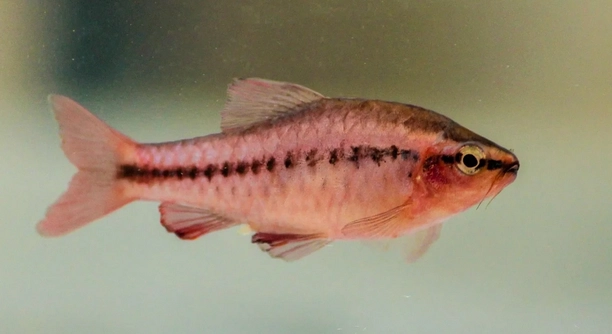
Cherry barbs are a popular choice for aquarium owners, known for their vibrant colors and peaceful nature. Many hobbyists wonder whether these small fish form attachments to their tankmates or prefer to stay solitary.
Cherry barbs do not typically form strong attachments to their tankmates. They are social but are more focused on interacting within their own species or other peaceful fish rather than creating bonds with specific individuals.
This social behavior can make them ideal companions in a community tank. Understanding their interactions can help create a peaceful environment for all your fish.
Understanding Cherry Barbs’ Social Behavior
Cherry barbs are known for their calm and peaceful nature. They thrive in community tanks with other non-aggressive fish. These fish enjoy being in groups, especially of their own kind, as it helps them feel secure. They will interact with other fish, but usually in a mild manner. Cherry barbs are not particularly territorial, which makes them easy to keep with other peaceful species. In their natural habitat, they live in schools, but in an aquarium, they may not form strong bonds with other species.
While they may swim near their tankmates, they won’t often show signs of attachment. Their social behavior is more about coexistence than forming close connections. This makes them suitable for tanks with multiple species, as long as the other fish are not overly aggressive. They generally keep to themselves and don’t get involved in territorial disputes. Their mild nature ensures they won’t cause trouble with tankmates.
Cherry barbs are easy-going and adapt well to community setups. They don’t require special attention from specific tankmates, but it’s important to have other calm fish around them. This can help prevent stress and encourage them to thrive.
Can Cherry Barbs Live with Other Fish?
Cherry barbs generally live well with peaceful fish, but some species may cause stress. They prefer calm environments with little disruption.
Choosing tankmates for cherry barbs requires understanding their need for a peaceful setting. Aggressive or overly active fish can make them anxious, which could affect their health. Avoid pairing them with overly large or dominant species. Instead, look for smaller, non-aggressive fish that won’t intimidate them. Fish like guppies, rasboras, or corydoras catfish are good choices. These fish can swim peacefully with cherry barbs without creating tension.
Cherry barbs are great in tanks with other fish that share their temperament. Their peaceful behavior allows them to blend into a community setup without problems. The key is ensuring that the other fish have a similar, non-aggressive disposition. This way, the tank remains peaceful, and all fish can live harmoniously.
How Cherry Barbs Interact with Their Tankmates
Cherry barbs typically don’t form deep bonds with other fish but enjoy a peaceful coexistence. They are social within their own species and interact gently with non-aggressive tankmates. Their interactions are more about sharing space than forming attachments.
They often swim near other peaceful fish, but their interactions are casual. They won’t engage in aggressive behavior or display dominance. In a community tank, they will peacefully share space without creating conflicts. Their calm demeanor makes them easy to keep with a variety of other fish. They prefer staying in schools of their kind but adapt well to other species if the environment remains peaceful.
However, they may sometimes seek out other cherry barbs or similar species for comfort, especially if they are the only ones of their kind in the tank. Their group behavior is focused on security, rather than building personal connections with other species.
Tank Conditions for Cherry Barbs and Their Tankmates
Proper tank conditions can help ensure harmony between cherry barbs and their tankmates. They thrive in well-maintained aquariums with stable water parameters.
To keep cherry barbs healthy, the tank should have a consistent water temperature between 75°F and 80°F. Proper filtration is essential for maintaining water quality, as these fish prefer clean, oxygen-rich environments. Cherry barbs are not overly demanding, but they do need a balanced environment to thrive. Placing them in a well-planted tank will provide hiding spots and make them feel secure. This creates a more relaxed atmosphere, reducing stress.
Additionally, cherry barbs do well in slightly acidic to neutral water, with a pH range of 6.0 to 7.5. Regular water changes are important to prevent the buildup of toxins and ensure that the tank remains a peaceful environment for all residents.
Cherry Barbs and Their Compatibility with Other Peaceful Species
Cherry barbs are great for community tanks, especially with other peaceful fish. They interact well with species that share their calm temperament. The right companions make a peaceful tank environment.
Some good tankmates for cherry barbs include smaller, non-aggressive fish like tetras, rasboras, or snails. These species don’t threaten the barbs and help keep the tank peaceful. It’s best to avoid aggressive or larger fish that might stress them out. Keeping these gentle fish together ensures a low-stress environment for all.
Potential Tankmates for Cherry Barbs
Cherry barbs are compatible with many types of peaceful fish. Rasboras, small tetras, and other calm species can be great companions. It’s best to choose fish that won’t dominate the tank or make the cherry barbs feel unsafe. This helps keep everyone happy.
Cherry barbs also do well with bottom-dwelling fish like corydoras catfish. These fish won’t compete for space or food, and their behavior won’t disrupt the cherry barbs. Having fish that occupy different levels of the tank can create a balanced and peaceful atmosphere.
Avoiding Aggressive Species
To ensure peace, avoid placing cherry barbs with aggressive fish. Larger fish or territorial species may make them anxious.
FAQ
Do cherry barbs need to be kept in groups?
Yes, cherry barbs feel more comfortable in groups. Keeping them in a school of at least 4-6 will help reduce stress and allow them to display more natural behavior. In groups, they feel safer and are less likely to become stressed or shy. A small group helps them feel secure, which encourages their natural schooling behavior. Without other cherry barbs, they might appear more timid or less active.
Can cherry barbs live with other types of fish?
Cherry barbs can live with many other peaceful species. They prefer calm fish that won’t bother them. Small, non-aggressive fish like tetras, rasboras, or guppies make excellent tankmates. They coexist well because they are gentle and don’t seek out dominance. Just ensure all the tankmates share similar peaceful temperaments. Fish that are too aggressive or territorial might cause stress to the cherry barbs, which can affect their health.
What size tank do cherry barbs need?
Cherry barbs do best in tanks of at least 20 gallons. A larger tank provides more space for swimming and allows for more fish, which reduces territorial behavior. The extra space also helps maintain better water quality. When keeping cherry barbs, it’s important to offer them room to roam and a peaceful environment to interact with their tankmates. A 20-gallon tank is the minimum, but larger tanks provide better stability for water parameters.
Are cherry barbs hardy fish?
Yes, cherry barbs are relatively hardy. They are adaptable to a variety of water conditions, making them ideal for beginner aquarium owners. However, they do best in stable water with regular maintenance. Cherry barbs are resilient but still require proper care, such as consistent water temperature and quality. Even though they can tolerate a range of conditions, neglecting regular tank maintenance may still lead to health problems.
Do cherry barbs prefer planted tanks?
Yes, cherry barbs thrive in planted tanks. Plants provide them with hiding spots, which can reduce stress and allow for more natural behaviors. Plants also help maintain water quality by absorbing excess nutrients. A tank with plants will mimic their natural environment, making them feel more comfortable. Adding soft plants like java moss or anubias can provide structure and security for your cherry barbs.
What is the lifespan of a cherry barb?
Cherry barbs typically live for about 3-5 years. Their lifespan can be influenced by factors like water quality, tank conditions, and diet. If kept in optimal conditions with proper care, they can live towards the upper end of their lifespan. Regular water changes, a balanced diet, and the absence of stressful conditions can help ensure that your cherry barbs live a long, healthy life.
Do cherry barbs require special feeding?
Cherry barbs have simple dietary needs. They are omnivores, meaning they eat a mix of plant and animal matter. You can feed them high-quality flake food, along with occasional live or frozen foods like brine shrimp or daphnia. They will also nibble on algae or leftover food in the tank, but providing them with a balanced diet will help them stay healthy and vibrant. Be sure to avoid overfeeding, as this can lead to water quality issues.
Can cherry barbs breed in a community tank?
Yes, cherry barbs can breed in a community tank, but it is unlikely that many fry will survive if other fish are present. Breeding conditions are typically best in a separate breeding tank where the eggs and fry can be protected from predation. If you have a community tank, you may notice occasional breeding behaviors, such as males chasing females. However, to successfully raise the fry, a separate tank with careful management is recommended.
What water parameters do cherry barbs need?
Cherry barbs prefer slightly acidic to neutral water, with a pH range of 6.0 to 7.5. They thrive in water temperatures between 75°F and 80°F. Their water hardness should be between 5-12 dGH. It’s important to maintain consistent water quality through regular water changes and proper filtration. Ensuring these conditions will help keep your cherry barbs healthy and reduce the risk of stress or disease.
Are cherry barbs aggressive toward other fish?
Cherry barbs are not aggressive and are known for their peaceful nature. They do not engage in territorial disputes or show signs of aggression toward other fish. They are more likely to stay out of the way than cause conflict. However, it’s essential to avoid pairing them with aggressive or overly dominant fish, as these species could stress out your cherry barbs.
How do cherry barbs behave in a tank?
Cherry barbs are active swimmers but tend to stay near the middle or bottom of the tank. They are social fish that interact with their tankmates in a peaceful manner. While they don’t form strong bonds with other species, they enjoy the company of their own kind. Their behavior is calm, and they don’t engage in aggressive or territorial actions. They are ideal for community tanks because they are not disruptive and adapt easily to their environment.
Final Thoughts
Cherry barbs are peaceful and adaptable fish that do well in community tanks. They’re not picky about their tankmates, making them a good choice for many aquarium setups. Their calm nature allows them to live with other non-aggressive species like tetras, rasboras, and guppies. As long as their environment is peaceful, cherry barbs will thrive. They do best in groups, so it’s a good idea to keep at least 4-6 of them together. This helps reduce stress and encourages more natural behavior.
These fish don’t require complicated care. With proper water conditions, a balanced diet, and a stable environment, cherry barbs can live for 3-5 years. They prefer slightly acidic to neutral water and enjoy temperatures between 75°F and 80°F. Keeping the water clean and performing regular maintenance is essential for their health. Although they can adapt to a variety of conditions, stable water quality is key to keeping them happy and healthy. A well-maintained tank with plenty of plants will give them the security they need to feel comfortable.
Overall, cherry barbs are low-maintenance fish that make great additions to any peaceful community tank. They won’t form strong bonds with other species, but they enjoy swimming near other fish. Their behavior is calm, and they aren’t aggressive, making them ideal for beginners or those looking to add peaceful fish to their aquarium. As long as you provide the right environment and tankmates, cherry barbs can live happily alongside other non-aggressive fish, creating a serene and colorful display in your tank.

Hello,
If you enjoy the content that we create, please consider saying a "Thank You!" by leaving a tip.
Every little bit helps us continue crafting quality advice that supports the health, happiness, and well-being of pets around the world, for pets of all shapes, sizes, and species.
We really appreciate the kindness and support that you show us!