
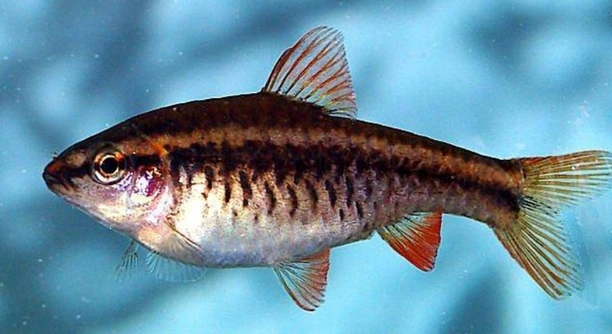
Cherry barbs are popular freshwater fish that are known for their vibrant colors and active nature. However, just like any other pet, they can get sick. Identifying illness early is crucial to ensuring their well-being.
The most common signs of a sick cherry barb include lethargy, loss of appetite, abnormal swimming behavior, or visible spots on their body. These symptoms can indicate various health issues that require prompt attention to prevent worsening conditions.
Recognizing early signs of illness will help you take action quickly and keep your cherry barb healthy.
1. Lethargy and Lack of Activity
Cherry barbs are usually very active fish, darting around the tank. If your fish starts to show signs of lethargy, like floating at the bottom or barely moving, this is often one of the first indicators that something’s wrong. It can be a sign of several issues, ranging from stress to an infection. If your cherry barb appears unresponsive or seems uninterested in its surroundings, it’s essential to act quickly. Decreased activity could also be a sign that the water conditions are not ideal, affecting the fish’s health.
Sometimes, poor water quality or sudden changes in the environment can cause stress, leading to lethargy. Pay attention to how your fish behaves during feeding times or when it interacts with tankmates. If the behavior persists, consider testing the water parameters to ensure everything is balanced.
Addressing lethargy early can prevent further health problems. By maintaining consistent water conditions and monitoring your fish’s activity level, you can catch health issues before they become more serious. It’s always better to act quickly when you notice any signs of unusual behavior in your fish.
2. Loss of Appetite
If your cherry barb stops eating, it’s a definite warning sign. Loss of appetite can be linked to a variety of issues, such as stress, disease, or even water contamination.
Stress can affect a fish’s ability to eat, so keep the environment calm and peaceful.
3. Abnormal Swimming Behavior
When a cherry barb starts swimming in an unusual way, like swimming upside down or rubbing against objects, it could signal a health issue. These behaviors often point to parasites, skin infections, or even internal problems. It’s crucial to examine the tank and identify any changes that may have triggered these symptoms.
Sometimes, swimming abnormally may indicate discomfort from water quality or an environmental change. Ensure that the tank’s water temperature and pH levels are within the ideal range. Poor water conditions often lead to irritation and may trigger these strange behaviors. Take action if the behavior continues for more than a day or two.
Keep an eye on the other fish in the tank as well, as other tankmates can stress out a cherry barb, leading to abnormal swimming. If the swimming pattern doesn’t return to normal after adjusting water conditions or tankmates, consult a vet or aquarium expert for further advice.
4. Visible Spots or Lesions
Any visible spots, lesions, or abnormal growths on your cherry barb’s body should be taken seriously. These could be symptoms of bacterial infections, parasites, or even fungal diseases. Check the fish closely for any unusual marks or swelling, which can indicate a serious health problem.
If you notice white spots or red sores, these are signs that the fish may have a skin infection or a parasitic infection. Prompt treatment with appropriate medications can help address the issue before it worsens. Depending on the type of infection, you might need to treat the entire tank to prevent other fish from getting sick.
In some cases, lesions or spots can appear as a result of external injuries. Check your tank’s decorations and any objects that may cause harm to your fish. These spots can quickly become infected, so keeping the environment clean and stress-free is essential. If the spots persist, seeking help from a vet or aquarium professional may be necessary.
5. Clamped Fins
Clamped fins, where your cherry barb’s fins are held tightly against its body, are often a sign of stress or illness. This behavior typically happens when the fish feels discomfort, either from poor water quality or a possible infection.
If the fins remain clamped for extended periods, it’s a good indication that something is wrong. Keep an eye on the fish to see if it shows other symptoms like lethargy or loss of appetite. Infections or parasites can cause the fins to clamp, so monitor closely for any other signs of illness.
6. Rapid Gilling or Labored Breathing
If your cherry barb is breathing faster than usual or seems to be struggling for air, it could be a sign of poor water quality or gill damage. Fish often show these symptoms when the oxygen levels are low or when they have difficulty getting enough air.
Increased gill movement may also point to an infection, parasites, or stress from the environment. A sudden drop in water temperature or poor filtration can lead to respiratory distress, so check your tank’s setup for any changes.
FAQ
What causes a cherry barb to stop eating?
Cherry barbs may stop eating for several reasons, including stress, poor water quality, or illness. If there are sudden changes in the tank’s environment, such as fluctuations in temperature or pH levels, the fish may become stressed and lose interest in food. Illnesses like internal parasites or infections can also lead to a loss of appetite. It’s important to monitor your fish closely and check the water parameters regularly to ensure they are within the ideal range. Also, consider removing any aggressive tankmates that could be stressing your cherry barb.
How do I know if my cherry barb has an infection?
Infections in cherry barbs can manifest through various symptoms, including changes in appearance, abnormal swimming, or a lack of appetite. You might notice sores, lesions, or discolored patches on the body or fins. If your fish is behaving unusually, such as rubbing against objects or swimming in circles, these could be signs of an infection. A common infection in fish is bacterial or fungal, which may require treatment with specific antibiotics or antifungal medication. A proper diagnosis from an aquarium professional can help you determine the right course of treatment.
What are the best water conditions for a cherry barb?
Cherry barbs thrive in slightly acidic to neutral water, with a pH level ranging from 6.5 to 7.5. The water temperature should be maintained between 72-79°F (22-26°C). Consistent water quality is crucial, so regular water changes are necessary to avoid ammonia or nitrite build-up, which can harm your fish. Keep an eye on the hardness of the water as well, which should be between 5-15 dGH. A good filtration system helps maintain clean water and reduce harmful substances in the tank. Regular water tests are essential to keep the environment stable and healthy for your cherry barbs.
How can I tell if my cherry barb is stressed?
Signs of stress in a cherry barb include abnormal swimming, such as darting around rapidly or staying near the bottom of the tank. They may also stop eating or hide frequently. If the fish is being harassed by other tankmates, it can cause stress. Stress can also result from poor water quality, so check the parameters to ensure they are within the proper range. Providing hiding spots or rearranging the tank to create a more peaceful environment can help reduce stress. In some cases, adding plants or rocks can offer a sense of security to the fish.
Why is my cherry barb swimming upside down?
Swimming upside down or in unusual patterns can indicate that your cherry barb is suffering from an infection, parasites, or swim bladder issues. Swim bladder problems often arise from overfeeding or water temperature fluctuations, causing difficulty in maintaining buoyancy. If your cherry barb is constantly swimming upside down, check the water quality and temperature first, as these are often the root cause of the issue. If water conditions are stable and the behavior persists, it may be time to consult an aquarium professional to diagnose and treat the problem properly.
How can I treat a sick cherry barb at home?
To treat a sick cherry barb at home, start by isolating the affected fish in a quarantine tank to prevent the spread of disease. Check the water parameters and adjust them if necessary. Depending on the symptoms, you may need to use medication specifically designed for bacterial, fungal, or parasitic infections. Always follow the instructions on the medication carefully. If the fish shows signs of a swim bladder issue, try fasting it for a few days to see if the condition improves. Ensure the tank is clean and maintain good filtration throughout the treatment process.
Can cherry barbs live with other fish?
Yes, cherry barbs are peaceful fish and can live with other non-aggressive species. They do best in a community tank with other small, peaceful fish. However, it’s important to avoid keeping them with overly aggressive tankmates that may stress them out or bully them. Cherry barbs generally do well with other tetras, rasboras, or peaceful livebearers. Make sure that your tank has plenty of hiding spaces, especially if there are more dominant fish, to give your cherry barbs a sense of security.
How often should I feed my cherry barb?
Feed your cherry barb two to three times a day, providing only as much food as it can eat in a few minutes. Overfeeding can lead to water quality issues and obesity in your fish. A varied diet of high-quality flake food, frozen or live foods like brine shrimp or bloodworms, will ensure your cherry barb gets all the nutrients it needs. If your fish has stopped eating, it’s essential to check the water conditions and remove any uneaten food after feeding to maintain a clean tank.
Why is my cherry barb’s color fading?
Fading color in cherry barbs can be a sign of stress, poor water quality, or illness. Stress is often caused by tankmates, sudden changes in the tank environment, or poor water conditions. Check the temperature, pH, and other water parameters to ensure they are within the right range. A drop in the fish’s color could also indicate the onset of an infection or disease. If your fish’s color doesn’t return to normal after improving the tank’s conditions, consider consulting a vet or experienced aquarium keeper for further advice.
Final Thoughts
Taking care of a cherry barb requires attention to detail and consistent monitoring of their health. Like all fish, they are sensitive to changes in their environment, and any small shift in water quality, tankmates, or temperature can cause stress or illness. The key to keeping your cherry barb healthy is to maintain a clean and stable environment, along with regular checks on water parameters. A balanced diet and careful observation of your fish will help ensure they live a long, happy life.
If you notice any of the signs mentioned, such as lethargy, clamped fins, or unusual swimming behavior, it’s important to act quickly. Early detection of any health problems can prevent them from getting worse. By regularly monitoring your fish and their surroundings, you can catch issues before they become serious. Cherry barbs are resilient and can recover from many minor health issues with proper care, but neglecting their needs can lead to more severe conditions. Never underestimate the power of good water conditions and proper nutrition in supporting your fish’s overall health.
Lastly, always be prepared to seek professional help when necessary. While many health issues can be managed at home, a veterinarian or an aquarium expert may be needed for more complicated problems. By staying proactive and informed, you can ensure that your cherry barb remains vibrant and active for years to come. Taking the time to understand their behavior and health needs will help you become a better aquarium keeper, providing your fish with the best possible care.

Hello,
If you enjoy the content that we create, please consider saying a "Thank You!" by leaving a tip.
Every little bit helps us continue crafting quality advice that supports the health, happiness, and well-being of pets around the world, for pets of all shapes, sizes, and species.
We really appreciate the kindness and support that you show us!