
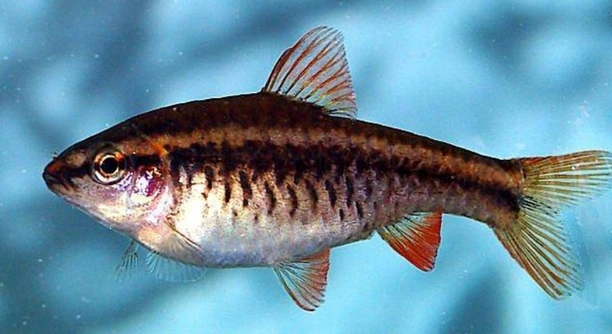
Have you ever looked at your cherry barbs and wondered if they notice the same decorations, the same corners, and the same swim paths every day? It’s something that many aquarium owners begin to think about.
Cherry barbs are naturally active and curious fish, and while they do not experience boredom the same way humans do, a stagnant environment can reduce their activity levels. Adding variety keeps them mentally and physically engaged.
Changing the setup every so often or offering new stimuli may help keep them alert and active throughout their daily routine.
Why a Static Tank Can Affect Cherry Barb Behavior
Cherry barbs are energetic fish that enjoy exploring their space. If their tank stays the same for too long, they may begin to show less movement and spend more time hiding or hovering in place. They thrive in tanks that give them a reason to swim, forage, or interact. A tank with the same scenery and routine might not provide the stimulation they need to stay active. Simple changes like moving plants, rearranging rocks, or introducing new structures can trigger a fresh response. This encourages more natural behaviors, such as schooling, exploring, or pecking at surfaces. It’s not about major overhauls—just small, occasional shifts to keep their space interesting. These subtle changes can support their mental engagement and overall health. Paying attention to how your cherry barbs act before and after changes will help you see what works best. A little variety goes a long way in keeping them lively.
Even fish that appear peaceful and quiet still need opportunities to stay engaged and stimulated in their tanks.
Some cherry barbs may not respond strongly to tank changes, but most will show some signs of increased curiosity. If you add or adjust decorations, you may notice them swimming more actively or interacting with new spots. Try swapping out a plant or adjusting the lighting every few weeks. Even switching out substrate textures or adding floating plants can encourage new behaviors. Feeding routines can also be varied slightly—try dropping food in a different area or using a feeding ring. Avoid overcrowding or too many changes at once, as this can stress them out. Instead, make small, spaced-out updates that feel natural. The goal is to maintain a healthy, familiar setting while offering just enough difference to keep their environment dynamic. Keeping the water quality and temperature stable is still key, so any environmental updates should be done gently and with their comfort in mind.
How to Keep Things Interesting for Cherry Barbs
A few small updates can go a long way toward encouraging natural activity and keeping your fish mentally stimulated.
Creating a more interesting space doesn’t require complicated equipment or major tank redesigns. Start by rotating decorations or moving driftwood into new areas. You can also switch out a few artificial plants for real ones or vice versa, giving them something different to explore. Adding floating plants creates shade and shelter, which encourages darting and playful movement. If your tank is large enough, adding a few new tankmates that are compatible in temperament and size can promote interaction. Just make sure to research first to avoid territorial conflicts. Food presentation also matters—using a feeding ring or offering occasional live foods can make mealtime more engaging. Even small lighting changes, like a dim period during the day, can mimic a natural environment and help keep their routines varied. By slowly introducing these adjustments, your cherry barbs are more likely to remain healthy, stimulated, and active.
Common Signs Your Cherry Barbs Need More Stimulation
When cherry barbs lack stimulation, they may become less active, spend more time hiding, or show less interest in feeding. These signs can indicate that their environment isn’t engaging enough, and a few simple changes may help.
You might also notice your cherry barbs pacing along the glass or staying in the same spot for long periods. These are often overlooked signs that they’re not as engaged as they could be. While it’s normal for them to rest occasionally, a lack of movement or curiosity throughout the day can suggest that their tank has become too predictable. Other times, they may show mild aggression toward tankmates if they’re not getting enough environmental variety. Keeping an eye on changes in group behavior can help you adjust things before it becomes a bigger issue. Small changes to the setup can refresh their interest and help them feel more comfortable.
Another sign to look for is a loss of vibrant color. Cherry barbs that are bored or stressed may become paler, which usually signals lower activity levels or environmental dissatisfaction. A dull environment won’t encourage them to show off their best traits. Simple tank updates—like rotating hiding spots or switching background colors—can influence mood and behavior. Even subtle adjustments can restore their brightness and bring back lively group swimming. Don’t wait for behavior to change drastically. Take note of minor shifts and try easy improvements like new plants, rearranged décor, or a change in light angle. These small efforts go a long way in improving the quality of life for your cherry barbs.
Easy Ways to Change Their Environment
Start with small changes like rotating decorations or introducing a few live plants. These simple tweaks keep the environment dynamic without overwhelming the fish. It helps promote exploration, which naturally boosts their activity and engagement.
Creating a varied tank doesn’t have to be time-consuming or expensive. Adding natural elements like smooth stones, real or fake plants, or even a leaf litter area can create new spaces for your cherry barbs to explore. Floating plants are especially useful because they offer shade and a change in light, which encourages movement. Even rearranging existing objects can create a sense of novelty. If you keep them in a community tank, make sure changes don’t affect other species negatively. Spacing out adjustments over time allows fish to adapt gradually, so they remain calm while exploring. Every couple of weeks, update one element—this keeps their interest up while maintaining consistency in their routine and water conditions.
Simple Tank Additions That Make a Difference
Adding a small mirror outside the tank for a few minutes a day can encourage cherry barbs to flare and move more. It offers a short burst of stimulation without stressing them if used in moderation.
You can also add leaf litter or Indian almond leaves to provide a more natural feel. These additions release tannins, slightly tinting the water and creating soft hiding areas, which your cherry barbs may explore more actively and frequently.
How Often You Should Change Their Setup
Adjusting the tank every two to three weeks is usually enough to keep things fresh without disrupting the barbs’ sense of safety. Too many changes too quickly can create stress, but gentle shifts in layout or lighting at regular intervals work well. You don’t need to replace everything—just rotate decorations, switch plant placements, or introduce something new occasionally. Watch how the fish react. If they explore more after a change, that’s a good sign you’re on the right track. It’s also helpful to observe if their colors brighten or they school more often, both signs of improved comfort and interest in their environment.
Why Consistency Still Matters
While variety is helpful, keeping water quality and parameters stable is essential. Ammonia spikes, temperature swings, or pH changes will do more harm than boredom ever could. Always make changes gradually and within a stable, clean setup.
FAQ
Do cherry barbs need a lot of stimulation to stay healthy?
They don’t need constant stimulation, but some variety in their tank environment helps them stay active and comfortable. A boring tank can lead to lower activity levels, faded color, and possible stress. Just a few changes every couple of weeks—like shifting decorations or changing plant layout—can make a noticeable difference in their behavior and energy.
How can I tell if my cherry barbs are bored?
Cherry barbs that are bored may swim less, stay near the bottom, or seem uninterested in food. They might also hover in one area or interact less with other fish. If they were once energetic and social but now seem distant or withdrawn, that’s a good sign something needs adjusting.
Can I use toys in a cherry barb tank?
Fish toys aren’t always necessary, but certain items—like floating objects, tunnels, or mirrors used briefly—can work well. Avoid anything sharp or unstable. Mirrors should only be used for a minute or two and not every day. Simple tank rearrangements often have more benefit than store-bought toys.
How often should I rearrange their tank?
Every two to three weeks is usually enough to keep cherry barbs interested without overwhelming them. Too many changes at once can cause stress, so it’s better to switch one or two things at a time. Rotating plants, moving rocks, or swapping out decorations helps renew their curiosity safely.
What happens if I never change their environment?
If the tank stays the same for too long, cherry barbs may become less active and lose interest in their surroundings. Over time, this lack of stimulation could lead to dull colors, reduced appetite, or even increased hiding. A little effort to keep things fresh really helps their overall well-being.
Is it okay to use floating plants for variety?
Yes, floating plants are great for cherry barbs. They break up the light and offer shaded areas, which can make the fish feel safer and more willing to explore. Just be sure the surface doesn’t get too crowded so your fish still have room to swim freely.
Do cherry barbs like hiding spots?
They do. Even though cherry barbs are active swimmers, they still enjoy having safe places to hide. This helps reduce stress and can encourage them to explore more. Use plants, driftwood, or decorations to create sheltered spots throughout the tank without blocking too much swimming space.
Will tank mates help reduce boredom?
Cherry barbs are social and prefer to be in groups of at least six of their kind. Adding compatible tank mates can increase activity, but it won’t fix boredom on its own. You’ll still need to keep the environment interesting and make occasional updates to the tank setup.
Can stress from boredom affect their health?
Yes. Long-term boredom can lead to chronic stress, which may weaken their immune system over time. You might notice more illness or a shorter lifespan. Preventing boredom with simple, consistent updates to their habitat is one of the easiest ways to support their health and happiness.
How do I keep things interesting without overdoing it?
Stick to one small change at a time, like moving a plant or adding a new rock. Avoid major changes too often. Observe how your cherry barbs react—if they become more active, that’s a good sign. Consistency in water quality matters more than constant environmental updates.
Final Thoughts
Cherry barbs are peaceful and curious fish that do well in a calm, stable tank. While they don’t need constant change to stay happy, a little bit of variety can help them stay active and interested. Rearranging plants, moving a rock, or adding a few floating leaves can make a simple setup feel fresh again. These small updates don’t need to be dramatic or expensive. What matters most is keeping the tank clean, the water stable, and the environment balanced. When these needs are met, cherry barbs are more likely to stay healthy and show their natural colors and behavior.
Boredom in fish isn’t always easy to spot, but if your cherry barbs start to swim less, isolate themselves, or lose interest in food, it may be time to adjust their space. A safe and comfortable tank doesn’t have to be complex. Even something as small as rotating a decoration or creating a new hiding spot can encourage exploration. Observing their response to small changes can give you helpful clues. If they start moving around more or schooling tightly again, then the change is likely working. Watch for signs of stress, and if the fish seem unsettled, return things to the way they were and try something else later.
In the end, cherry barbs do best with a mix of calm and occasional change. They enjoy stability, but that doesn’t mean their environment should stay exactly the same forever. A peaceful setup with room to swim, some hiding spots, and occasional updates is usually enough to keep them active and engaged. There’s no need to overthink it or make big adjustments too often. Focus on keeping things clean, gentle, and consistent, while slowly adding variety over time. When cherry barbs feel safe and interested in their surroundings, they tend to thrive. Keeping an eye on their behavior will help you know when it’s time to make a small change—and when it’s best to leave things alone.

Hello,
If you enjoy the content that we create, please consider saying a "Thank You!" by leaving a tip.
Every little bit helps us continue crafting quality advice that supports the health, happiness, and well-being of pets around the world, for pets of all shapes, sizes, and species.
We really appreciate the kindness and support that you show us!