
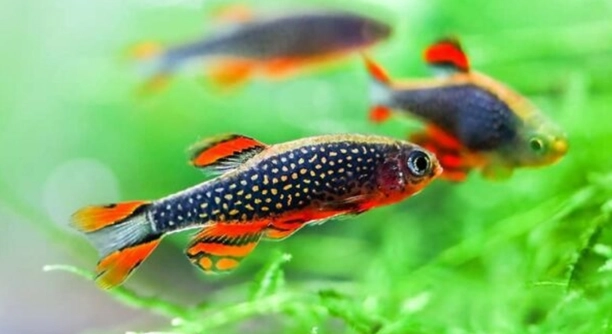
Do Celestial Pearl Danios often appear alert and active in their tanks, moving gracefully among plants and decorations. Their tiny size and shimmering colors make them engaging to watch during daily tank maintenance and feeding routines.
Celestial Pearl Danios are capable of recognizing and responding to consistent tank routines. They learn feeding schedules, familiar movements, and environmental cues, displaying adaptive behaviors that suggest memory and habituation within their aquatic surroundings.
Observing their reactions over time reveals patterns and habits that deepen understanding of their behavior in home aquariums.
How Celestial Pearl Danios Recognize Routine
These small fish are surprisingly aware of their surroundings. Over time, they can learn to anticipate feeding times and the movements of their owner around the tank. Observing them closely, you may notice subtle signs: a change in swimming patterns, a pause near feeding areas, or excitement when familiar signals occur. Their ability to remember specific times or sequences shows a level of cognitive processing that is easy to miss if you only glance at the tank. The more consistent the daily routine, the stronger their responses become. Lighting changes, water movement, and even tank cleaning schedules can influence how quickly they adapt. By keeping patterns predictable, you help the fish feel secure and reduce stress. Their small size does not limit their capacity to notice regularity, and they may even form bonds of recognition with consistent caretakers over weeks or months. Observing these reactions can be quietly rewarding for anyone caring for them.
Regular routines improve their overall comfort and reduce unnecessary stress, creating a stable tank environment.
Consistency in care strengthens the fish’s memory and enhances predictable behavior, which helps maintain a calm and balanced aquarium for long-term health.
Signs Your Danios Are Learning
When Celestial Pearl Danios anticipate feeding or respond to daily movements, it shows they are learning. These signs indicate they recognize patterns.
Repeated observation reveals several behavioral changes that indicate learning. They may swim toward the surface or cluster in specific tank areas when feeding time approaches. Some may follow the same path when the caretaker approaches or react similarly to tank maintenance actions. Over time, these behaviors become predictable, demonstrating memory retention. While small, these fish display a remarkable ability to adapt to repeated events, showing intelligence that is often underestimated. Recognizing these patterns allows you to interact with them more effectively and adjust care routines for their comfort. Daily consistency is key; abrupt changes in feeding times or tank layout can confuse them, while predictable actions help build trust and minimize stress. The observation of learned responses also enhances the satisfaction of keeping them, as it reveals a deeper understanding of their natural habits and adaptability in a controlled environment.
Establishing Consistent Feeding Times
Feeding Celestial Pearl Danios at the same time every day helps them recognize routine. Regular schedules reduce stress and encourage predictable behavior, making it easier to monitor their health and reactions in the tank environment.
Consistency in feeding supports both physical health and behavioral patterns. The fish quickly learn to associate specific times with food, often gathering near the feeding area beforehand. This anticipation reflects their ability to remember repeated events and respond accordingly. Maintaining uniformity in food type and portion also prevents overeating or aggression, ensuring a balanced and calm community within the tank. Observing these cues can help you adjust schedules to suit their natural rhythms.
Over time, consistent feeding strengthens trust between caretaker and fish. The repeated association between presence and nourishment allows them to feel more secure, minimizing stress and creating a more harmonious environment. Watching their reactions also provides insight into their preferences and energy levels, making it easier to detect changes in health or behavior.
Recognizing Environmental Cues
Danios react strongly to predictable tank cues such as light changes, water movement, or approaching hands. These environmental signals help reinforce learned routines and behavior.
They observe and memorize the timing and nature of various events, which helps them respond appropriately. For instance, subtle adjustments in lighting or water flow can indicate feeding, cleaning, or activity, prompting them to move toward areas of interest. Their keen observation skills allow them to detect patterns and adapt behavior over days or weeks. By providing stable environmental cues, you can reduce anxiety and encourage more natural responses. This approach also makes it easier to notice abnormal behavior, which may indicate stress or illness. Regularly observing how they react to these signals can inform better tank management.
Interaction With Caretakers
Celestial Pearl Danios often notice when someone approaches the tank. They may swim toward the front or follow movements, showing recognition and familiarity.
Regular interaction helps them feel secure. Gentle, consistent actions encourage predictable behavior and reduce stress in the aquarium environment.
Adjusting to Cleaning Schedules
These fish quickly adapt to regular tank maintenance. They learn to respond calmly to water changes, gravel cleaning, or plant trimming when performed consistently. Their memory of repeated events reduces fear responses, making maintenance easier and less stressful for both fish and caretaker.
Observing Behavioral Patterns
Watching their daily movements reveals clear habits and routines. Patterns emerge around feeding, swimming paths, and resting areas, which can indicate comfort and adaptation within the tank.
Do Celestial Pearl Danios remember feeding times?
Yes, they can learn and remember feeding schedules. Over repeated days, they begin to associate certain times or environmental cues with food. This recognition often appears as increased activity or swimming near the surface just before feeding. Their memory helps reduce stress and allows them to anticipate nourishment reliably.
How do they react to new tank routines?
Danios can be cautious at first when routines change. They may swim more slowly, hide, or hesitate near familiar areas. Over time, repeated exposure to the new schedule or environmental pattern allows them to adapt. Consistency and gentle transitions make changes easier for them.
Can they recognize their caretakers?
While small, these fish can learn to recognize movements, approach patterns, or presence of regular caretakers. They may swim toward familiar hands or follow predictable motions around the tank. Recognition develops gradually with regular interaction and consistency.
Do lighting changes affect their routines?
Yes, lighting cues are strong signals for these fish. Gradual shifts in light often signal feeding, resting, or activity periods. Maintaining consistent lighting schedules reinforces their internal routine, while sudden changes can cause temporary stress or confusion.
How long does it take for them to learn a routine?
Learning varies by individual, but noticeable adaptation often occurs within a few weeks of consistent cues. Feeding, caretaker presence, and environmental signals all contribute to establishing predictable behaviors. Regular observation helps identify when they have fully adjusted.
Do they respond to cleaning schedules?
Celestial Pearl Danios do notice repeated maintenance routines. Regular water changes or gravel cleaning become associated with non-threatening activity. With consistency, their reactions are calm, reducing stress and making tank care smoother for both fish and caretaker.
Can they distinguish between different types of cues?
Yes, they can differentiate between feeding cues, cleaning actions, and general movement. Over time, they respond appropriately to each event. Feeding triggers excitement, while cleaning or rearranging plants may prompt temporary caution. This shows their ability to remember and categorize repeated experiences.
Do social dynamics influence routine learning?
Social behavior affects how quickly they learn patterns. Fish in groups often reinforce each other’s reactions. Observing a few fish responding to cues can prompt others to mimic behavior, accelerating learning for the entire group.
Is consistency more important than the type of routine?
Consistency matters most. Whether it’s feeding times, light schedules, or cleaning patterns, predictable repetition helps them adapt. Irregular routines may cause stress or confusion, even if the activities themselves are suitable and harmless.
Can they forget learned routines?
Yes, if cues become inconsistent or are removed for extended periods, learned behaviors may fade. Reintroducing consistent patterns can help them regain familiarity, though it may take time for reactions to return fully.
Do they respond differently to visual and auditory cues?
Visual cues, like movements near the tank or light changes, are highly effective. Some auditory cues, such as tapping or the sound of water movement, may also trigger responses. Over time, they can associate multiple types of signals with routine events.
How can observing routines improve care?
Watching their reactions to daily events helps detect stress, illness, or discomfort early. Understanding their learned behaviors allows adjustments to feeding, lighting, and maintenance for a healthier, more predictable environment. Consistent observation strengthens the bond between caretaker and fish.
Do younger Danios learn routines faster?
Juveniles may adapt more quickly because they are actively exploring and highly responsive to environmental stimuli. Adults still learn but may require more repetition to fully recognize and respond to new routines. Patience and consistency are essential for all ages.
Are some routines more stressful than others?
Yes, abrupt changes in feeding times, aggressive cleaning, or sudden light shifts can cause temporary stress. Gentle, predictable schedules minimize negative reactions and help maintain a calm, balanced aquarium.
Can they anticipate human interaction?
Repeated presence of a caretaker at consistent times often triggers predictable responses. They may swim toward the front, gather near feeding areas, or display increased activity. This anticipation reflects recognition of routine and memory.
Do tank decorations impact routine learning?
Stable decorations provide landmarks that support predictable behavior. Sudden rearrangement may temporarily confuse them, as they rely on familiar spaces for navigation and comfort. Gradual changes are less disruptive to established routines.
Is it possible to train them beyond basic routines?
They can respond to consistent cues and signals, but their learning is largely tied to survival and daily activity patterns. Advanced training is limited, yet repeated, gentle interaction can reinforce certain behaviors, like following movements or clustering during feeding.
Do they behave differently in a community tank?
In groups, routine responses are often more synchronized. Observing one fish react can trigger similar behavior in others. Social learning reinforces patterns, making group adaptation smoother and more predictable.
Can stress interfere with routine learning?
Yes, high stress from poor water conditions, overcrowding, or sudden changes can reduce their ability to recognize or respond to patterns. Minimizing stress is key for effective routine learning and overall well-being.
How can caretakers reinforce positive routines?
Consistency, gentle interaction, and predictable environmental cues help reinforce behaviors. Rewarding calm responses during feeding or maintenance indirectly strengthens recognition and comfort, supporting long-term adaptation and stability within the tank.
Do they show excitement for anticipated events?
They display observable signs of anticipation, such as swimming near the surface, clustering in feeding zones, or increased activity. These behaviors reflect memory, learning, and adaptation to repeated, predictable events.
How can observation improve long-term care?
Tracking their responses over weeks reveals preferences, stress points, and behavioral changes. Adjusting schedules based on observation ensures healthier, happier fish and a more harmonious tank environment.
Celestial Pearl Danios are small but highly perceptive fish. Their ability to notice patterns in daily tank activities shows that they are more aware than one might initially think. Observing them over time reveals how they respond to consistent feeding times, lighting changes, and the approach of a caretaker. They quickly learn which cues indicate food, maintenance, or general activity. These learned behaviors are not only interesting to watch but also helpful for maintaining a calm and balanced aquarium. By providing predictable routines, it is possible to reduce stress for the fish and make daily care easier and more efficient. Even their reactions to environmental cues, such as water movement or rearranged decorations, show that they remember past events and adjust their behavior accordingly. Understanding these patterns allows caretakers to create a stable environment that supports both physical health and behavioral comfort.
Consistency is key when caring for Celestial Pearl Danios. Feeding schedules, lighting, and maintenance routines should remain as predictable as possible. Regular patterns help the fish feel secure, which encourages natural and calm behavior. Sudden changes, on the other hand, can lead to stress, hesitation, or temporary confusion, which may interfere with their daily activity and overall well-being. Repetition strengthens their memory and reinforces their understanding of expected events. Even small, gentle signals from a caretaker, like hand movements or predictable placement of food, can influence how they respond. Socially, these fish also benefit from observing each other. When one fish learns a routine, others in the group often follow, creating a synchronized pattern that enhances overall adaptation. Watching these dynamics over time allows caretakers to adjust schedules and care methods to suit the specific needs of their aquarium community.
Ultimately, the behavior of Celestial Pearl Danios demonstrates that they are capable of learning and adapting to routines in their environment. Their ability to recognize repeated cues, respond to predictable events, and anticipate daily activities reflects both memory and habit formation. Maintaining consistency in feeding, lighting, and maintenance not only improves their comfort but also allows caretakers to notice changes in behavior that might indicate stress or health issues. Observing these fish closely provides insight into their preferences and needs, making it easier to create a supportive and predictable environment. By respecting their natural tendencies and reinforcing positive routines, caretakers can ensure that Celestial Pearl Danios remain active, healthy, and comfortable, while also enjoying the subtle rewards of noticing their learned behaviors over time.

Hello,
If you enjoy the content that we create, please consider saying a "Thank You!" by leaving a tip.
Every little bit helps us continue crafting quality advice that supports the health, happiness, and well-being of pets around the world, for pets of all shapes, sizes, and species.
We really appreciate the kindness and support that you show us!