
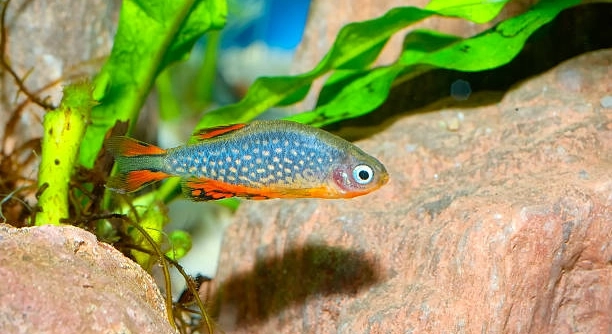
Celestial Pearl Danios are small, colorful fish that brighten up any aquarium. Many fish owners enjoy keeping them because of their peaceful nature and active swimming. Their tiny size makes them easy to care for in home tanks.
Celestial Pearl Danios do eat algae, though it is not their primary food source. They may nibble on soft algae in the tank, supplementing their diet with algae wafers, micro pellets, or live foods to maintain proper nutrition.
Observing their eating habits can help ensure a balanced diet and a clean, healthy aquarium environment for these charming little fish.
Understanding Celestial Pearl Danios’ Diet
Celestial Pearl Danios mainly thrive on small live or frozen foods like brine shrimp, daphnia, and micro worms. They enjoy occasional plant matter, but algae only makes up a tiny portion of their diet. Observing their behavior in the tank, you may notice them grazing on soft algae or biofilm that forms naturally on decorations and plants. While they are not strong algae eaters, these tiny fish will nibble on patches of green if it’s available. Maintaining a balanced diet is essential for their health, as overreliance on algae can lead to nutritional deficiencies. Most owners provide a mix of high-quality micro pellets or flakes alongside live foods to keep them healthy and active. Tank conditions also play a role; a well-planted tank with gentle water flow encourages natural grazing habits. Regular feeding and occasional supplementation with algae-based foods help ensure they stay vibrant and energetic.
Algae is only a minor part of their diet, so relying solely on it is not enough for proper nutrition.
Watching how they interact with their environment provides insight into their natural feeding habits and helps adjust their diet to include necessary nutrients.
Managing Algae in Your Aquarium
Celestial Pearl Danios can help reduce soft algae, but they won’t completely remove it.
To manage algae effectively, maintain a balanced aquarium environment. Algae growth is influenced by light, nutrients, and water quality. Excessive light or high nutrient levels can cause algae to flourish beyond what your fish can handle. Regular water changes, proper filtration, and controlled feeding help limit algae buildup. Planting fast-growing live plants can compete with algae for nutrients, further reducing its growth. Introducing algae wafers sparingly can encourage grazing behavior without letting the algae take over. Observing your fish as they nibble can help you identify when additional feeding or tank maintenance is needed.
Combining Celestial Pearl Danios with other algae-eating species can provide more comprehensive algae control, but their small size means they must share the tank with compatible tank mates. Overfeeding should be avoided, as leftover food accelerates algae growth. Keeping lighting on a consistent schedule prevents sudden algae blooms and supports the health of both plants and fish. By carefully managing nutrients, lighting, and feeding, you can maintain a cleaner tank that supports your fish’s natural behaviors and dietary needs, reducing stress and improving their overall well-being.
Feeding Habits of Celestial Pearl Danios
These fish prefer small, frequent meals rather than one large feeding. They nibble throughout the day, exploring plants and decorations for tiny bits of food.
Providing a mix of live, frozen, and high-quality pellet foods ensures they get the nutrients they need. Overfeeding can cause water quality issues, so feeding small portions two to three times a day works best. Their grazing behavior on soft algae or biofilm supplements their main diet but cannot replace essential proteins and vitamins. Observing how much they consume at each feeding helps adjust portions, keeping the tank clean and the fish healthy. Including occasional treats like daphnia or micro worms stimulates natural hunting instincts and keeps them active.
A consistent feeding schedule helps maintain their health and reduces stress. They become more vibrant and active when their diet meets all nutritional requirements.
Algae Types They Eat
Celestial Pearl Danios mostly target soft green algae and biofilm on tank surfaces, decorations, and plants.
While they may nibble on small patches of brown algae or hair algae, they are not effective at removing tougher types. They graze gently, preferring algae that is easy to consume and digest. Including algae wafers or vegetable-based supplements can encourage this behavior and provide additional nutrients. Their small size and peaceful nature mean they can only manage light algae coverage, so regular tank maintenance is necessary. Observing which types of algae they favor helps identify feeding patterns and ensures they benefit from natural grazing. Keeping a planted tank with soft algae promotes a balanced environment, supporting both the fish and the ecosystem within the aquarium.
Natural Grazing Behavior
Celestial Pearl Danios spend much of their day exploring the tank, grazing on tiny bits of algae and biofilm. This behavior helps them stay active and engaged, supplementing their main diet without requiring additional effort from the owner.
Their small size and constant movement allow them to access areas other fish may ignore, making their grazing gentle yet effective on soft algae surfaces.
Supplementing Their Diet
Adding algae-based wafers or finely chopped vegetables provides essential nutrients they cannot get from grazing alone. These supplements ensure proper growth and vibrant colors while maintaining their overall health. Feeding should be measured to prevent leftovers that could harm water quality.
Tank Environment Impact
A clean, well-planted tank encourages natural grazing and reduces excessive algae growth. Proper filtration, lighting, and regular water changes support both the fish and the ecosystem.
Observing Their Eating Patterns
Watching how your fish feed helps identify dietary needs. Changes in grazing habits can indicate health issues or dietary deficiencies that need attention.
FAQ
Do Celestial Pearl Danios eat all types of algae?
Celestial Pearl Danios mainly eat soft green algae and biofilm. They may nibble lightly on brown or hair algae, but tougher algae types are usually left untouched. Their small mouths limit what they can consume, so while they help control light algae growth, they cannot fully manage heavy algae infestations in a tank.
How often should I feed them algae-based foods?
Algae-based wafers or vegetable supplements can be offered a few times per week. Their main diet should consist of high-quality micro pellets, flakes, and live or frozen foods like brine shrimp or daphnia. Overfeeding algae-based foods can affect water quality, so small portions are best.
Can grazing on algae replace their regular diet?
No, grazing on algae only supplements their diet. Essential proteins, fats, and vitamins are not sufficiently available from algae alone. A balanced diet that combines natural grazing, prepared foods, and live or frozen foods ensures proper growth, coloration, and overall health.
Will they keep my tank completely algae-free?
Celestial Pearl Danios help control light algae, but they cannot remove heavy algae growth. Regular water maintenance, proper filtration, and controlled lighting are necessary to prevent excessive algae buildup. Including fast-growing plants can also compete with algae for nutrients, further reducing its spread.
Are there signs they are not getting enough algae?
It’s uncommon for them to require large amounts of algae, so deficiencies are usually seen in general diet imbalance rather than lack of algae. Signs of poor nutrition include faded colors, reduced activity, or weight loss. Ensuring a varied diet is more important than focusing solely on algae.
Do they prefer live or artificial algae?
Celestial Pearl Danios generally prefer natural, soft algae growing in the tank, but they will accept algae wafers or vegetable supplements. These artificial options provide additional nutrients and can be helpful when natural algae is scarce or during tank cleanings.
Can tank size affect their grazing behavior?
Yes, larger tanks with more surfaces for algae growth allow them to graze naturally, while very small tanks may limit grazing opportunities. Providing decorations, plants, and textured surfaces helps encourage natural foraging behavior regardless of tank size.
How can I encourage them to eat more algae?
Offering small amounts of algae wafers or lightly cleaning tank surfaces while leaving thin layers of biofilm can stimulate grazing. Avoid overfeeding other foods during these times, as their interest in algae may decrease if other meals are too abundant.
Do all Celestial Pearl Danios eat algae equally?
Individual fish may vary. Some will graze more actively, while others focus mainly on prepared or live foods. Observing their feeding habits can help determine which fish may need additional supplementation to ensure they all receive proper nutrition.
Is it safe to rely on algae wafers alone for their diet?
No, algae wafers cannot meet all their nutritional needs. They should be used to complement live, frozen, or high-quality pellet foods. A varied diet supports optimal growth, vibrant colors, and long-term health, ensuring the fish remain active and happy in the aquarium.
Do younger Danios eat algae differently from adults?
Juvenile Celestial Pearl Danios may nibble less on algae and prefer smaller live foods or finely crushed pellets. As they grow, their grazing behavior develops, and they may begin to explore algae and biofilm more consistently. Providing small, nutrient-rich foods helps support early growth.
Can algae consumption affect water quality?
Grazing on algae itself doesn’t harm water quality, but uneaten algae wafers or supplements can decompose, increasing waste levels. Regular observation and removal of leftovers are important to maintain clean water and prevent ammonia spikes.
Are there algae types to avoid feeding them?
Tough, filamentous algae like some green hair algae or chemically treated algae are not suitable. They may be difficult to consume or digest, and chemically treated algae can be harmful. Stick to naturally growing soft algae or safe commercial supplements.
Does feeding algae impact their health long-term?
When used as a supplement alongside a balanced diet, algae consumption can improve digestive health, provide fiber, and encourage natural foraging behavior. Overreliance on algae alone, however, risks deficiencies in protein and essential nutrients, so monitoring diet variety is key.
Can algae feeding affect their coloration?
Yes, a diet that includes carotenoid-rich algae can enhance orange and red tones in Celestial Pearl Danios. However, vibrant coloration relies on a balanced diet overall, including high-quality proteins and vitamins. Algae alone will not provide complete color enhancement.
Do algae-eating habits change with seasons?
In indoor aquariums, seasonal changes mostly relate to light cycles. Longer or more intense lighting may increase algae growth, giving Danios more grazing opportunities. Adjusting feeding and tank maintenance in response to light and algae growth helps maintain balance and fish health.
Are there alternatives if algae is scarce?
Yes, supplementing with algae wafers, blanched vegetables like zucchini, or spirulina-based foods ensures they receive similar nutrients. These alternatives mimic the benefits of natural grazing and help maintain proper nutrition when natural algae is limited.
How do I know if they are overgrazing?
Overgrazing is rarely an issue because they consume only soft algae in small amounts. Signs of concern include excessive damage to plants or depletion of beneficial biofilm. Offering supplements can reduce pressure on natural surfaces while maintaining balanced grazing behavior.
Is it safe to mix them with other algae-eating species?
Yes, they can coexist with other small, peaceful algae eaters. Combining species can improve algae control in the tank, but ensure food is sufficient for all inhabitants and that larger, aggressive algae eaters do not stress the Danios.
How much algae is appropriate for daily intake?
Daily algae intake should be small and supplemental. Observing their grazing patterns helps determine how much they consume naturally. Most of their nutrition should still come from prepared foods and live or frozen options, with algae serving as an extra source of fiber and enrichment.
Can they survive without any algae in the tank?
Yes, they can survive and thrive without natural algae if their diet is balanced with pellets, flakes, and live or frozen foods. Algae is helpful but not essential; it mainly provides enrichment and variety rather than being a dietary requirement.
Do algae supplements affect their behavior?
Providing algae supplements can stimulate natural foraging instincts, encouraging activity and exploration in the tank. It can also prevent boredom and promote healthier social interaction, as grazing becomes part of their daily routine alongside normal feeding schedules.
Are there risks with feeding too much algae?
Excessive algae feeding, particularly with wafers or vegetable supplements, can lead to leftover waste, higher ammonia levels, and potential nutrient imbalance. Moderation is key, and feeding should always complement a balanced diet rather than replace it.
Do they prefer algae over other foods?
Preference varies by individual. Some may enjoy grazing more than others, but generally, prepared foods and live options are more actively consumed. Algae acts as a supplementary treat rather than a primary food source, enhancing diet variety without replacing essential nutrition.
How long can they go without algae?
They can go indefinitely without algae if their diet is balanced and provides all necessary nutrients. While grazing enriches their environment, survival and health are supported through proper feeding of pellets, flakes, and live or frozen foods.
Can algae intake improve digestion?
Yes, small amounts of algae and plant matter can aid digestion by providing fiber. It helps maintain gut health and supports nutrient absorption. However, the main digestive support comes from a balanced diet that includes high-quality proteins and other essential nutrients.
Is algae safe for pregnant or breeding Danios?
Algae is safe and can provide minor dietary variety for breeding fish. However, ensuring protein-rich foods and live or frozen options is more important for supporting egg production, fry health, and overall reproductive success.
Do they need algae in planted tanks?
Planted tanks naturally encourage grazing, but algae is not required. Fish will nibble on biofilm or soft algae that forms on leaves, but a balanced diet ensures they receive adequate nutrients, regardless of the presence of algae.
Are there specific algae types that boost color?
Spirulina and carotenoid-rich algae can enhance red and orange hues, supporting vibrant coloration. These supplements work best alongside high-quality proteins and a varied diet to achieve noticeable long-term color improvement.
Do they share algae with other tank mates?
Yes, they graze alongside other small fish without aggression. Their peaceful nature allows multiple species to feed on the same surfaces, although competition can occur if algae is limited, highlighting the importance of supplemental feeding.
Can algae help juvenile Danios grow?
While algae provides minor nutrients and encourages natural foraging, juveniles mainly require high-protein foods for growth. Algae serves as enrichment rather than a primary growth source, supporting healthy behavior rather than rapid development.
Do algae-eating habits change with water temperature?
Slightly. Higher temperatures may increase metabolism and grazing activity, while cooler water slows feeding. Consistent temperature control ensures predictable eating patterns and reduces stress on both the fish and the tank environment.
Is algae good for digestive bacteria in their gut?
Yes, natural biofilm and algae support beneficial gut bacteria, improving digestion and nutrient absorption. This is a supplementary benefit alongside a balanced diet that provides complete nutrition.
Can algae cause health issues if contaminated?
Yes, algae that grows with harmful bacteria, chemicals, or toxins can be dangerous. Ensuring tank cleanliness and using safe, uncontaminated supplements prevents illness and protects overall fish health.
Do they prefer algae on plants or decorations?
They graze wherever soft algae or biofilm is present. Smooth surfaces and leaves are equally targeted, allowing them to explore the tank and access different food patches naturally.
Are there signs of too little algae in the tank?
With a balanced diet, little to no algae is usually not a problem. Signs to watch for include boredom or less active grazing behavior. Enrichment through supplements or additional surfaces can encourage natural exploration.
Do they ever eat algae at night?
They are primarily diurnal, feeding mostly during daylight hours. Some may nibble in low light or at night if surfaces are accessible, but most grazing occurs when the tank is well-lit.
Can overgrown algae harm them?
Yes, excessive algae can reduce oxygen levels, create toxins, and trap debris, potentially stressing the fish. Regular maintenance and controlled feeding prevent overgrowth and maintain a safe environment.
Are frozen algae foods as effective as live algae?
Frozen or commercial algae supplements provide similar nutrients and are convenient. While not identical to natural biofilm grazing, they are safe and effective for supporting diet and enrichment.
Do they need algae in a bare-bottom tank?
No, bare-bottom tanks limit natural grazing. Supplementation with algae wafers or vegetable foods ensures nutritional balance and allows the fish to experience similar foraging behavior despite the lack of surfaces.
How does water chemistry affect algae consumption?
Water quality influences algae growth. High nitrate or phosphate levels increase algae, providing more grazing opportunities. Poor water quality can reduce grazing activity, highlighting the need for proper filtration, regular changes, and balanced feeding.
Can algae supplements replace live food during shortages?
They can partially replace live food temporarily but should not be the main diet. Live or frozen foods provide essential proteins and nutrients necessary for long-term health and growth.
Do older Danios eat algae differently than younger ones?
Older Danios may graze more efficiently, recognizing biofilm and algae patches. They may also rely less on protein-rich live foods if grazing supplements their diet, although balanced nutrition remains essential.
Is it safe to give them algae from outdoor sources?
No, outdoor algae may carry contaminants, parasites, or pollutants. Always provide safe, tank-grown algae or commercial supplements to avoid health risks.
Do algae habits indicate overall health?
Yes, active grazing generally signals a healthy, well-fed fish. Reduced interest in algae may indicate stress, illness, or dietary deficiency, making observation an important part of care.
Do algae wafers spoil quickly in water?
Yes, uneaten wafers can soften and decompose, polluting the water. Feeding small portions ensures consumption and prevents water quality issues.
Are there seasonal changes in grazing needs?
In indoor tanks, changes mostly relate to light cycles affecting algae growth. Adjust feeding and tank maintenance accordingly to ensure they continue grazing and receiving proper nutrients.
Can algae influence breeding behavior?
Indirectly. Algae grazing provides enrichment and minor nutrients, keeping fish healthy and active. Healthy, active fish are more likely to engage in normal breeding behaviors.
Do they prefer certain algae flavors?
Individual preferences vary. Some respond more to spirulina or green algae, while others may ignore certain types. Observing behavior helps tailor supplements to their tastes.
Is algae consumption linked to stress reduction?
Yes, grazing provides natural enrichment, reducing boredom and stress. Active foraging mimics natural behavior, helping maintain mental and physical health in the aquarium.
Do they eat algae off the substrate?
Yes, they graze on surfaces including substrate, plants, and decorations. Soft biofilm or algae patches are accessible for their small mouths, providing enrichment throughout the tank.
Are there risks with feeding too many algae supplements at once?
Overfeeding can degrade water quality, cause nutrient imbalances, and reduce interest in other foods. Small, measured portions are safest for health and tank maintenance.
Can algae enhance immune health?
Algae provides minor vitamins, minerals, and fiber that support overall health. Combined with a balanced diet, it contributes to a stronger immune system and better disease resistance.
Do they eat algae during illness?
Ill fish may reduce grazing, relying on easier-to-digest prepared foods. Monitoring behavior helps identify illness early, allowing for dietary adjustments and care.
Can algae consumption prevent constipation?
Yes, fiber from algae and biofilm aids digestion and prevents constipation, especially when included with a varied diet of pellets and live foods.
Do algae-eating habits vary between tanks?
Yes, tank size, plant density, and algae availability affect grazing. Observing each tank individually helps ensure dietary needs are met and proper supplementation is provided.
Do they ever overgraze on decorations?
Rarely. They focus on soft algae and biofilm, leaving most decorations intact. Overgrazing usually occurs only if algae supplements are excessively abundant.
Can algae consumption affect social behavior?
Yes, grazing together encourages interaction and reduces boredom. Healthy feeding routines contribute to calmer, more active social dynamics among tank mates.
Do they eat algae differently in community tanks?
In community tanks, competition may slightly reduce grazing. They still nibble on soft algae, but some individuals may need extra supplementation to ensure balanced nutrition.
Is algae important for their winter diet in indoor tanks?
Not essential. Indoor temperatures are stable, and balanced prepared foods provide sufficient nutrition. Algae mainly offers enrichment rather than critical nutrients.
Do they ever refuse algae?
Yes, some fish ignore soft algae if other foods are more appealing. Observing preferences ensures they receive proper nutrients from a balanced diet.
Can algae influence growth rate?
Algae alone does not support significant growth. High-protein foods remain essential. Algae contributes minor nutrients and fiber, supporting overall health rather than accelerating growth.
Do they require algae during quarantine?
Not required, but small amounts of safe algae or supplements can reduce stress and provide enrichment while maintaining nutrition.
Are algae-based treats better than vegetables?
Both provide fiber and nutrients. Algae-based treats mimic natural grazing, while vegetables offer variety. Using both ensures balanced enrichment and dietary support.
Do they graze differently with different lighting?
Yes, brighter light encourages algae growth and grazing activity, while dimmer light reduces visible algae and grazing frequency. Adjust lighting to balance algae growth with fish activity.
Can they digest all algae types easily?
Soft green algae and biofilm are easily digested. Tough or chemically treated algae can cause digestive issues and should be avoided.
Do they ever store algae in their mouth?
No, they consume algae immediately. They nibble small bites while moving around the tank rather than storing food.
Does grazing affect swimming behavior?
Yes, constant grazing keeps them active and exploring, promoting exercise and preventing sedentary behavior.
Can algae feeding influence lifespan?
Supplemental algae contributes to overall health, but lifespan is mostly determined by proper diet, water quality, and care practices. Algae alone does not significantly extend life.
Do they compete with snails or shrimp for algae?
Yes, some overlap exists. While competition is usually minor, monitoring ensures all species receive adequate nutrition and no one is deprived of resources.
Is algae safe for fish with sensitive stomachs?
Soft algae and controlled supplements are generally safe. Introducing new types gradually helps prevent digestive upset.
Do they graze differently in planted versus bare tanks?
Planted tanks encourage natural grazing on leaves and surfaces, while bare tanks require supplements to mimic similar foraging behavior.
Can algae help maintain their energy levels?
Yes, grazing provides minor nutrients and stimulation, helping them stay active between main feedings.
Do they prefer algae at certain tank locations?
They target easily accessible patches on plants, decorations, or tank walls, grazing where algae is soft and abundant.
Does algae consumption affect reproduction success?
Indirectly, by supporting overall health and activity. Nutrient-rich diets remain the primary factor for successful breeding.
Are algae wafers or pellets better for supplementation?
Both are effective. Wafers mimic grazing, while pellets provide measured nutrition. Offering both can support varied feeding behavior.
Can overgrown algae harm eggs or fry?
Excess algae can reduce oxygen and trap debris, potentially affecting eggs. Proper maintenance ensures a safe environment for breeding.
Do they eat algae when stressed?
Stress may reduce grazing. Fish often prioritize easier-to-eat foods or may stop feeding temporarily until conditions improve.
Are there benefits to alternating algae types?
Yes, variety provides different nutrients and prevents boredom, supporting overall health and natural foraging behavior.
Can algae feeding prevent aggressive behavior?
Indirectly. Grazing keeps them occupied and reduces stress, which can minimize aggression in a peaceful tank setting.
Is it safe to mix algae supplements with regular feeding?
Yes, small portions of algae or vegetable-based supplements complement the main diet without replacing essential proteins or fats.
Do they eat algae more during growth phases?
Growth phases increase appetite, but algae remains supplementary. High-protein foods remain essential for proper development.
Can algae influence their immune system during illness?
Minorly. Algae provides vitamins and fiber that support general health, but primary immune support comes from a balanced diet and proper care.
Do they graze differently in groups versus alone?
In groups, grazing can be more active due to social behavior, while solitary fish may graze less frequently or explore differently.
**Are there seasonal variations in algae
Celestial Pearl Danios are small, peaceful fish that bring life and color to a home aquarium. Their diet is mainly made up of high-quality pellets, flakes, and live or frozen foods, but they also benefit from grazing on soft algae and biofilm that naturally grows in the tank. While they are not strong algae eaters, this occasional grazing can supplement their diet and provide enrichment. Observing their behavior helps you understand their preferences and adjust feeding routines accordingly, ensuring they receive a balanced mix of nutrients to stay healthy and active. In a well-maintained tank, they may nibble on algae from plant leaves, decorations, or tank walls, which encourages their natural foraging behavior. This gentle grazing is part of their day-to-day activity and helps prevent boredom while promoting mental stimulation. Providing a clean, safe environment along with varied food options supports their overall well-being and allows them to thrive in captivity.
Proper feeding and tank management are crucial when keeping Celestial Pearl Danios. While algae can be a helpful supplement, it should never replace their primary diet, which supplies the essential proteins, fats, and vitamins they need for growth and vibrant coloration. Feeding small portions two to three times per day prevents overfeeding and reduces the risk of water quality issues. Algae wafers or vegetable-based supplements can be introduced occasionally to encourage grazing behavior, but careful observation is necessary to ensure all fish receive adequate nutrition. Maintaining a planted tank with gentle water flow allows the fish to explore and feed naturally while keeping algae growth manageable. Regular water changes, proper filtration, and controlled lighting also contribute to a healthy tank environment, preventing excessive algae while supporting the natural behaviors of your fish. By balancing these factors, you create a stable and enriching habitat that meets the dietary and behavioral needs of Celestial Pearl Danios.
Overall, understanding the dietary habits and natural grazing behavior of Celestial Pearl Danios helps maintain their health and supports a clean, balanced aquarium. While they are small and their algae-eating impact is limited, observing how they interact with algae and biofilm can provide insights into their overall care needs. Supplementing their diet with high-quality pellets, live or frozen foods, and occasional algae-based treats ensures proper nutrition while encouraging natural activity. Tank conditions, such as plants, decorations, and water quality, influence how they graze and interact with their environment. By paying attention to both diet and habitat, you can provide a supportive space for Celestial Pearl Danios to live long, healthy lives. Their grazing behavior may be small, but it plays a meaningful role in keeping them engaged and contributing to a balanced tank ecosystem. With consistent care, these tiny fish remain vibrant, active, and healthy, making them a rewarding addition to any aquarium setup.

Hello,
If you enjoy the content that we create, please consider saying a "Thank You!" by leaving a tip.
Every little bit helps us continue crafting quality advice that supports the health, happiness, and well-being of pets around the world, for pets of all shapes, sizes, and species.
We really appreciate the kindness and support that you show us!