
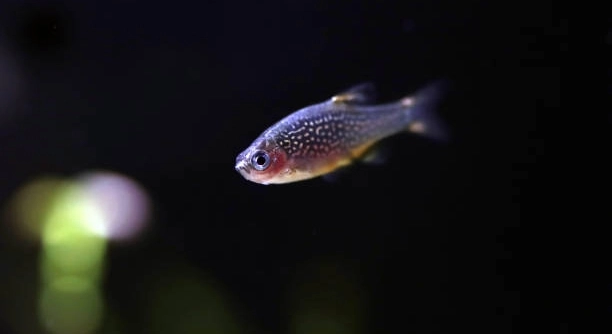
Are your danios swimming in crowded conditions, making it hard for them to thrive and feel comfortable? Overcrowding can lead to stress, health issues, and even aggression among these active, social fish in your aquarium.
Proper layout and careful planning are essential to prevent overcrowding in danio tanks. By balancing swimming space, plant placement, and hiding areas, aquarists can reduce stress, encourage natural behavior, and maintain optimal water quality for long-term fish health.
Applying these simple layout strategies will improve your aquarium’s environment and ensure your danios remain healthy, active, and happy within their aquatic home.
Choosing the Right Tank Size
Selecting the appropriate tank size is the first step in avoiding danio overcrowding. Small tanks quickly become cramped, increasing stress and the risk of disease. Danios are active swimmers, and limiting their movement can negatively affect their growth and behavior. A tank that provides ample swimming space allows for natural schooling behavior and reduces territorial disputes. Consider the number of danios you plan to keep and provide at least two gallons per fish as a baseline. Larger tanks also make it easier to maintain stable water parameters. Overcrowding not only stresses the fish but also impacts filtration efficiency, leading to a rapid buildup of toxins. Choosing a tank that meets both the current and potential future population helps prevent constant rearrangement. It also allows for adding plants, decorations, or hiding spots without sacrificing swimming room, creating a healthier and more comfortable environment for the fish.
A properly sized tank ensures danios remain active and reduces stress-related issues significantly.
Maintaining a spacious tank also allows you to manage water quality more effectively. Proper filtration and circulation become easier when there is enough room for water to flow freely. This reduces the risk of ammonia spikes and keeps the environment clean. Additionally, a larger tank provides opportunities to introduce compatible species without increasing competition. By considering tank size early, you prevent overcrowding problems before they arise and support the long-term health of your fish.
Strategic Decoration Placement
Placing decorations thoughtfully can create space for swimming while offering shelter for shy danios. Avoid clustering too many items in one area.
Decorations should be arranged to balance open swimming areas with hiding spots. Rocks, driftwood, and plants can break sight lines, reducing stress and aggressive behavior.
Overusing decorations or placing them haphazardly often reduces effective swimming space and creates bottlenecks in the tank. Dense areas can trap waste, making maintenance harder and affecting water quality. By positioning items along the edges or creating pathways, you encourage natural movement and interaction among the fish. Floating plants or low-lying structures provide shade without consuming central swimming areas. Using vertical space efficiently allows multiple layers for exploration. This approach also mimics natural habitats, giving danios a sense of security and stimulating activity. Thoughtful placement ensures the tank feels spacious while maintaining visual appeal and functional zones. With consistent observation and minor adjustments, you can create a layout that supports both health and behavior, keeping your danios active and stress-free.
Maintaining Proper Stocking Levels
Keeping an appropriate number of danios prevents overcrowding and stress. Each fish requires space to swim freely, and exceeding recommended numbers can cause aggression and health issues. Monitoring population regularly helps maintain balance in the tank.
Overstocking leads to rapid waste accumulation, which impacts water quality and increases the risk of disease. Fish in crowded conditions often exhibit erratic swimming, fin damage, and stunted growth. Maintaining proper stocking levels ensures each danio has enough room for movement, reduces competition for food, and minimizes territorial disputes. It also supports stable filtration efficiency, helping keep ammonia and nitrate levels low. Regularly assessing fish numbers and planning for growth can prevent sudden overcrowding issues. By keeping the population within recommended limits, the tank remains healthy, clean, and enjoyable for both fish and caretaker.
A balanced number of fish also allows for better observation of individual health and behavior. By avoiding overcrowding, you can easily spot early signs of illness or stress, giving you time to intervene. Adequate spacing encourages schooling behavior and reduces overall aggression, creating a calmer environment. Proper stocking makes feeding easier, as each fish has access to food without competition. It also allows room for decorations, plants, and hiding spots, which further improve the habitat. Maintaining the right number of danios is fundamental to their well-being and ensures a harmonious aquarium.
Effective Plant Placement
Plants should be positioned to provide shelter without limiting swimming space. Dense clusters should be avoided in central areas to keep movement open and natural.
Placing taller plants near the back and sides of the tank creates visual depth while leaving open areas for active swimming. Floating plants add shade and cover without occupying the main swimming zones, reducing stress and simulating natural environments. Careful plant placement helps create separate territories, allowing timid fish to retreat and reducing aggressive encounters. Using a mix of foreground and background plants ensures a balanced layout. Proper arrangement improves water circulation around plants, minimizing dead zones where debris can accumulate, which supports overall water quality and cleanliness in the aquarium.
Strategic placement also enhances the aesthetic appeal of the tank while maintaining functional space for the danios. By combining different plant heights and textures, the tank becomes visually engaging without feeling cramped. Plants along the edges act as natural barriers, guiding fish movement and encouraging exploration. Avoiding excessive central planting ensures the fish can swim in open areas without obstruction, which is critical for their physical health. Plants positioned with intention also provide hiding spots that reduce stress during feeding or aggressive interactions, supporting a healthier, more balanced aquarium environment. Proper plant placement ultimately benefits both the fish’s behavior and the overall maintenance of the tank.
Creating Open Swimming Areas
Open spaces are essential for danios to swim actively and maintain their health. Avoid placing decorations in the center of the tank, leaving ample room for movement and schooling behavior.
These open areas reduce stress, prevent collisions, and allow all fish to access food easily. Proper spacing encourages natural behavior and keeps the tank balanced.
Using Vertical Space
Adding vertical elements like tall plants or driftwood allows fish to explore multiple levels. It increases territory options without crowding horizontal swimming areas. Proper use of height creates natural zones and encourages healthy interaction among danios.
Regular Monitoring
Observe fish behavior daily to identify early signs of overcrowding. Adjust layout or population promptly to maintain a healthy tank environment.
FAQ
How many danios can I keep in a 20-gallon tank?
A 20-gallon tank can comfortably house about 10 to 12 danios, depending on their size and activity level. This ensures each fish has enough space to swim freely without stress. Overcrowding even slightly can lead to health problems and increased aggression.
What are the signs that my tank is overcrowded?
Crowded tanks often show visible signs such as frantic swimming, damaged fins, and increased aggression. Fish may compete for food or hiding spots. Water quality can deteriorate quickly, resulting in cloudy water, algae overgrowth, and higher ammonia or nitrate levels.
Can decorations cause overcrowding?
Yes, poorly placed decorations can reduce usable swimming space. Dense clusters in the center of the tank limit movement and create bottlenecks. Arranging plants, rocks, or driftwood along the edges helps maintain open areas for active swimming while still providing shelter.
Do floating plants help with overcrowding?
Floating plants provide shade and cover without reducing horizontal swimming space. They create a sense of security and help reduce stress while maintaining open areas in the tank. They also assist with water quality by absorbing nutrients and providing oxygen.
How often should I check stocking levels?
Stocking levels should be checked regularly, especially when introducing new fish. Keeping track of growth and population changes helps prevent overcrowding. Adjusting the number of fish or relocating them before space becomes limited protects their health and reduces stress.
Does overcrowding affect fish behavior?
Yes, overcrowding can cause erratic swimming, aggression, and hiding. Fish may stop schooling properly or chase each other excessively. Timid individuals may retreat constantly, which can affect feeding patterns and overall well-being. Proper spacing encourages natural, calm behavior.
How can I maintain water quality with multiple danios?
Regular water changes, efficient filtration, and proper stocking help maintain water quality. Overcrowding accelerates waste buildup, which increases toxins and stress. Keeping debris removed, monitoring parameters, and avoiding excess feeding ensures a healthier tank for all fish.
Can rearranging decorations reduce stress?
Rearranging decorations to create open pathways and separate zones can reduce stress. It allows shy fish to retreat and dominant fish to establish territories without constant conflict. Observation is key; small changes can have a large impact on tank harmony.
Are there ideal tank mates for danios to prevent overcrowding issues?
Choosing compatible species that occupy different tank levels or have calm temperaments reduces competition. Avoid aggressive or overly territorial fish. Proper planning ensures that all species have space and resources, preventing stress and maintaining a balanced environment.
How do I know if my danios are stressed?
Signs of stress include rapid breathing, clamped fins, erratic swimming, and hiding. Prolonged stress can lead to disease and reduced lifespan. Observing behavior, monitoring water quality, and maintaining proper layout and stocking levels are key to keeping danios healthy.
What is the best way to plan tank layout?
Plan for open swimming areas, vertical structures, and hiding spots along the edges. Leave the center clear for activity. Consider growth and potential additions to the tank. Thoughtful layout prevents overcrowding, supports natural behavior, and keeps the aquarium visually appealing.
How important is filtration in preventing overcrowding issues?
Filtration is crucial. In crowded conditions, waste accumulates faster, stressing fish and impacting water quality. Strong, well-maintained filtration ensures ammonia and nitrate levels remain safe and supports a healthy, balanced environment for all inhabitants.
Can changing water temperature help stressed danios?
Temperature alone won’t fix overcrowding but maintaining consistent, suitable water temperature supports immune function and overall health. Avoid sudden fluctuations, as they can worsen stress. Stability combined with proper space and layout is essential for thriving fish.
Is frequent feeding necessary in a crowded tank?
No, overfeeding in crowded tanks worsens water quality and stress. Feed small, measured portions once or twice daily. Ensure all fish have access but avoid excess, which can lead to toxins and disease. Proper feeding complements space and layout management.
How often should I rearrange decorations?
Rearranging should be occasional and strategic, only to improve swimming space or reduce territorial disputes. Constant changes can stress fish. Observe behavior first and make subtle adjustments to maintain a stable, comfortable environment.
What plants are best for preventing overcrowding stress?
Tall background plants and floating plants are ideal. They provide cover without limiting swimming space, create visual separation, and simulate natural habitats. Using plants strategically helps shy fish feel secure while maintaining open areas for active swimming.
How can I keep danios active in a limited space?
Even in smaller tanks, open swimming areas, vertical structures, and scattered plants encourage movement. Avoid central clutter, provide hiding spots along edges, and maintain proper stocking levels to allow schooling behavior and active, healthy fish.
Does overcrowding affect breeding?
Yes, stressed or cramped danios may avoid breeding or produce fewer eggs. Overcrowding increases competition and aggression, which can disrupt mating behavior. Adequate space, open swimming areas, and calm tank conditions support natural reproductive activity.
Can overcrowding cause disease outbreaks?
Overcrowding weakens fish immune systems and accelerates waste accumulation, creating conditions for disease. Common issues include fin rot, ich, and bacterial infections. Maintaining proper spacing, clean water, and observation is essential to prevent health problems.
Are tank size recommendations different for juveniles versus adults?
Yes, juveniles need room to grow, so starting with slightly larger tanks prevents future overcrowding. Adult fish require sufficient swimming space to maintain behavior and health. Planning for growth ensures long-term balance and minimizes stress.
How do I gradually reduce overcrowding?
You can reduce overcrowding by relocating excess fish, upgrading to a larger tank, or carefully managing additions. Avoid sudden changes that disrupt the existing community. Gradual adjustments support stable water quality and minimize stress for all inhabitants.
Can lighting impact overcrowding stress?
Lighting itself doesn’t reduce overcrowding but proper light levels enhance plant growth and provide a natural day-night cycle. Balanced lighting supports overall health, encourages normal behavior, and helps shy fish feel secure in their territories.
How often should I monitor fish behavior for overcrowding signs?
Daily observation is ideal. Watch for aggression, hiding, or unusual swimming patterns. Early detection allows adjustments to layout, stocking, or care before stress escalates, ensuring healthier, happier danios in the long term.
What is the easiest way to keep track of stocking limits?
Maintain a record of each fish added, their growth, and any transfers. Regular counting and noting behavior helps prevent unintentional overcrowding. Combining tracking with layout adjustments ensures all fish have adequate space and reduces stress-related problems.
How do I encourage shy danios to use open areas?
Provide gentle lighting, minimal central obstructions, and strategically placed hiding spots at the edges. Shy fish will gradually explore open areas when they feel safe, supporting natural schooling behavior and reducing stress.
Can filtration type affect overcrowding management?
Yes, efficient filtration removes waste faster, maintaining water quality even with multiple fish. Sponge filters or canister filters provide both mechanical and biological filtration, helping sustain a healthier environment in a moderately stocked tank.
Are there behavioral cues for overcrowding before water quality changes?
Erratic swimming, chasing, or clamped fins are early signs. Fish may also crowd near certain areas or avoid others. These behavioral changes often occur before visible water issues, allowing early intervention to prevent stress or illness.
How does tank shape influence overcrowding?
Long, rectangular tanks provide more horizontal swimming space than tall, narrow tanks. This allows danios to school properly and reduces territorial disputes, supporting natural activity and reducing stress. Proper tank shape complements stocking levels and layout design.
Can rearranging plants improve tank dynamics for shy fish?
Yes, relocating plants to edges or creating small pockets encourages shy fish to explore and reduces competition. Thoughtful adjustments create distinct zones, giving timid danios security while maintaining open swimming areas for active schooling.
Do different danio species require different spacing?
Some species are more active or larger than others, requiring more swimming space. Researching species-specific needs ensures proper spacing and prevents overcrowding-related stress or health issues, supporting harmonious multi-species setups.
Is water testing necessary for preventing overcrowding issues?
Absolutely. Regular testing for ammonia, nitrite, and nitrate helps detect early water quality problems caused by high stocking. Monitoring ensures corrective measures can be taken before overcrowding impacts fish health or behavior.
How can I reduce aggression in a crowded tank?
Provide hiding spots, create visual barriers, maintain proper stocking levels, and avoid central clutter. These steps reduce competition and territorial disputes, making a more peaceful environment despite higher density conditions.
Does temperature fluctuation worsen overcrowding stress?
Yes, sudden changes in temperature add stress to fish already coping with limited space. Consistent, suitable temperatures help maintain immune function and reduce overall stress, complementing proper tank size and layout management.
What role does feeding frequency play in stress management?
Balanced feeding prevents food competition and reduces waste accumulation. Overfeeding in crowded tanks increases stress and toxins, while underfeeding may lead to aggression. Proper, measured feeding supports a calmer, healthier environment for all fish.
How can I adapt a small tank to reduce overcrowding issues?
Use vertical space, open swimming areas, and edge-based decorations. Monitor stocking levels closely and avoid adding more fish than the tank can handle. Thoughtful layout maximizes usable space and supports fish behavior despite limited volume.
Are there visual tricks to make a tank feel less crowded?
Placing taller plants at the back and sides and leaving central open areas gives a sense of spaciousness. Light-colored substrate and strategic decoration placement also create the impression of a larger, open environment for the fish.
Can regular water changes compensate for overcrowding?
Water changes help maintain quality but don’t solve space limitations. They reduce toxins temporarily but won’t prevent stress or aggression caused by limited swimming areas. Proper tank size, layout, and stocking remain essential.
How can I safely add new danios without causing overcrowding?
Calculate available space, consider growth, and introduce fish gradually. Observe behavior closely, and ensure decorations and hiding spots are sufficient. Adding too many at once can increase stress and disrupt the existing balance.
What maintenance practices help prevent overcrowding problems?
Regular water testing, cleaning, plant trimming, and monitoring behavior keep the tank healthy. Adjusting layout, stocking, and feeding ensures that space remains sufficient and water quality stable, reducing stress and disease risk.
Can overcrowding affect growth rates?
Yes, crowded conditions can stunt growth due to stress, competition for food, and limited swimming space. Providing adequate room, balanced diet, and proper tank layout promotes normal development and healthy behavior.
How do I know if my tank layout is effective?
Observe fish movement, schooling, and aggression levels. If fish swim freely, show natural behaviors, and hiding spots are accessible, the layout is effective. Adjust decorations or stocking if stress signs appear.
Are there signs that plants are too dense?
Dense clusters that block swimming areas or trap waste indicate overcrowding risk. Ensure a mix of open spaces and plant coverage to balance shelter and activity.
What role does water flow play in overcrowding management?
Moderate flow encourages natural swimming patterns and distributes oxygen evenly. Poor circulation can create dead zones, causing territorial disputes and stress. Proper flow complements stocking and layout strategies.
Can rearranging driftwood reduce overcrowding issues?
Yes, driftwood along edges or in vertical arrangements frees central swimming space. It provides hiding spots while maintaining movement corridors, improving both behavior and tank aesthetics.
How can I encourage natural schooling behavior in limited space?
Maintain proper stocking, leave open swimming areas, and provide visual barriers along the edges. These steps allow danios to school naturally without constant collisions or stress.
Does overcrowding increase mortality risk?
Yes, stress, disease, and aggression caused by limited space can lead to higher mortality. Maintaining adequate tank size, layout, and stocking is essential for long-term survival and well-being.
How often should I trim plants to prevent overcrowding?
Trim as needed to maintain open swimming zones and prevent dense overgrowth. Regular trimming keeps pathways clear and supports water circulation, ensuring a healthier environment for all fish.
What is the best way to observe overcrowding issues early?
Daily behavioral monitoring is most effective. Look for aggression, hiding, and abnormal swimming patterns. Early detection allows layout adjustments, population management, and care interventions before problems escalate.
Can overcrowding impact breeding behavior?
Yes, stressed or crowded fish may delay spawning or produce fewer eggs. Adequate space, calm conditions, and proper layout encourage natural reproductive activity and healthy fry development.
Are there specific decorations that help reduce overcrowding stress?
Tall plants, vertical driftwood, and edge-based rocks create hiding spots without limiting open swimming areas. These items allow fish to establish territories and feel secure while maintaining active swimming zones.
How does water temperature consistency support overcrowded tanks?
Stable temperatures reduce additional stress in limited spaces. Consistency supports immune function, encourages normal behavior, and complements proper stocking and layout practices for a healthier aquarium environment.
Can overcrowding affect feeding behavior?
Yes, crowded tanks increase competition and stress, leading to uneven feeding. Proper spacing and open swimming areas ensure all fish can access food without conflict, supporting growth and health.
What is the role of vertical decorations in managing space?
Vertical elements maximize tank volume without reducing horizontal swimming space. They create zones, hiding spots, and visual interest, allowing danios to explore different levels safely.
How can I maintain a calm environment despite moderate stocking?
Balance open areas, hiding spots, and proper feeding. Avoid sudden layout changes, maintain clean water, and monitor behavior. Calm, structured space supports healthy schooling and reduces aggression.
Are there long-term impacts of chronic overcrowding?
Chronic overcrowding leads to stunted growth, weakened immune systems, increased disease risk, and behavioral issues. Preventing these problems early ensures healthier, longer-living fish and a stable tank environment.
How does tank substrate influence perceived overcrowding?
Light-colored, smooth substrates give an illusion of spaciousness. Dense or dark substrates can make the tank appear smaller, which may increase stress in danios even if actual space is adequate.
Can subtle layout adjustments improve tank harmony?
Yes, small shifts in decorations, plants, or driftwood can create pathways, open swimming areas, and separate territories, reducing stress and promoting natural behavior among fish.
Is quarantine necessary to prevent overcrowding issues with new additions?
Quarantine prevents disease introduction, which can be exacerbated in crowded tanks. Healthy, disease-free fish reduce stress and help maintain harmony in established communities.
How do I balance hiding spots with swimming space?
Distribute shelters along edges and vertical areas, leaving central zones clear. This provides security for timid fish while maintaining open swimming areas for active schooling and reduces territorial conflicts.
Does lighting placement affect overcrowding perception?
Yes, well-lit open areas encourage exploration and activity, while shaded zones along edges provide security. Proper lighting enhances spatial awareness and supports natural behavior without overcrowding stress.
How do I manage aggression in a moderately stocked tank?
Provide open swimming areas, hiding spots, and visual barriers. Observe interactions and rearrange decorations if dominance disputes persist. Proper layout reduces stress and ensures calmer community dynamics.
Are certain plants better for shy fish in crowded tanks?
Tall, dense plants at the edges and floating cover are ideal. They provide security without blocking open swimming areas, allowing timid fish to navigate the tank safely.
What is the role of observation in preventing overcrowding stress?
Regular monitoring allows early detection of behavioral changes, aggression, or hiding. Prompt adjustments to layout, stocking, or water parameters prevent escalation of stress-related problems.
How can I use tank corners effectively to reduce stress?
Corners can house plants or driftwood, creating refuge zones. This allows timid fish to retreat without limiting central swimming space, maintaining open areas for active movement and schooling behavior.
Do different water parameters affect overcrowding stress?
Yes, stable pH, temperature, and hardness reduce overall stress. Fluctuating conditions worsen the effects of limited space, while consistent parameters support natural behavior and immunity.
Are there visual indicators of overcrowding before behavior changes?
Clustering near certain areas, avoiding other zones, or frequent collisions indicate potential overcrowding. These signs allow proactive layout or stocking adjustments before stress becomes severe.
How can I prevent bottlenecks in the tank layout?
Place decorations along edges, leave central swimming zones clear, and use vertical structures. This ensures smooth movement and reduces stress caused by restricted pathways.
Does the shape of the tank influence schooling behavior?
Long, rectangular tanks support natural horizontal schooling better than tall, narrow tanks. Proper shape combined with open areas encourages healthy, stress-free activity.
What role do hiding spots play in managing moderate overcrowding?
Hiding spots reduce stress, allow retreat for timid fish, and prevent dominance disputes. Strategic placement along edges maintains central swimming areas while supporting natural behavior.
Can substrate texture impact fish comfort in crowded tanks?
Smooth, even substrate reduces injury risk and encourages free swimming. Rough or sharp substrates can restrict movement and increase stress, particularly in confined spaces.
How often should I inspect filtration in a moderately stocked tank?
Regular inspection ensures efficiency, removes clogs, and maintains water quality. Proper filtration prevents toxin buildup, reducing stress even when stocking is higher than ideal.
Are small adjustments better than major layout changes?
Yes, subtle changes minimize stress. Gradual improvements in open areas, hiding spots, or plant placement are more effective than large-scale rearrangements, which can disrupt fish behavior and comfort.
Can overcrowding affect long-term growth patterns?
Yes, chronic stress and limited swimming space can stunt growth. Adequate room, balanced nutrition, and proper layout promote healthy development and reduce long-term health issues.
How do I evaluate if stocking changes are needed?
Monitor swimming behavior, aggression, and feeding patterns. If fish show signs of stress or limited movement, adjustments to population or layout are necessary to maintain a healthy, balanced tank.
Can using vertical plants reduce conflict in crowded tanks?
Yes, vertical plants provide zones for retreat and exploration. They increase usable space without reducing horizontal swimming areas, minimizing aggression and stress among danios.
Does the frequency of water changes influence overcrowding effects?
Frequent, controlled water changes maintain water quality but don’t replace the need for adequate space. Combined with proper stocking and layout, they help reduce stress and disease risk.
How can I make limited space feel larger for danios?
Leave open swimming areas, use edge decorations, incorporate vertical elements, and balance plant density. Proper arrangement encourages activity and reduces stress, giving fish the perception of more room.
Are there behavioral differences between crowded and well-spaced tanks?
In crowded tanks, fish show aggression, hiding, and erratic swimming. Well-spaced tanks encourage schooling, calm exploration, and normal feeding behavior, supporting overall
Final Thoughts
Creating a comfortable environment for your danios is essential for their health and overall well-being. Overcrowding can cause stress, aggression, and increased susceptibility to disease. By paying attention to tank size, layout, and stocking levels, you can ensure that your fish have enough space to swim freely and display natural behaviors. Simple adjustments, such as rearranging decorations or trimming plants, can make a significant difference in maintaining open swimming areas and providing adequate hiding spots. A balanced setup encourages calm schooling, reduces territorial disputes, and allows all fish to access food and resources without competition. Observing your danios regularly helps identify early signs of stress or overcrowding so that small changes can be implemented before problems escalate.
Tank layout plays a crucial role in preventing overcrowding issues. Thoughtful placement of plants, driftwood, and other decorations can create natural zones for swimming and resting while maintaining open areas for active movement. Vertical space can also be utilized effectively to give fish additional territory without reducing horizontal swimming space. Floating plants provide cover and shade, enhancing security for shy individuals while keeping central areas open. Maintaining proper stocking levels ensures that each danio has room to grow, swim, and interact naturally with others. Combining all these strategies creates a harmonious environment that mimics natural habitats and supports long-term health. Proper filtration, regular water changes, and consistent monitoring of water quality complement these physical adjustments, ensuring that the tank remains clean, stable, and safe for all inhabitants.
Even with careful planning, maintaining a danio tank requires ongoing attention. Regular observation of fish behavior, water parameters, and overall tank conditions is necessary to prevent overcrowding-related stress. Adjusting the number of fish, rearranging decorations, and monitoring growth ensures that space is always sufficient and that all individuals can thrive. Avoiding sudden changes and maintaining a stable, consistent environment helps reduce stress and encourages natural behavior. Overcrowding affects not only the physical health of your fish but also their social dynamics and activity levels, making preventive measures crucial. By implementing these layout tricks, monitoring behavior, and maintaining proper care routines, you create a tank where danios can remain healthy, active, and comfortable. A well-maintained aquarium supports both the fish and your enjoyment as a caretaker, providing a peaceful, balanced, and visually appealing aquatic environment for years to come.

Hello,
If you enjoy the content that we create, please consider saying a "Thank You!" by leaving a tip.
Every little bit helps us continue crafting quality advice that supports the health, happiness, and well-being of pets around the world, for pets of all shapes, sizes, and species.
We really appreciate the kindness and support that you show us!