
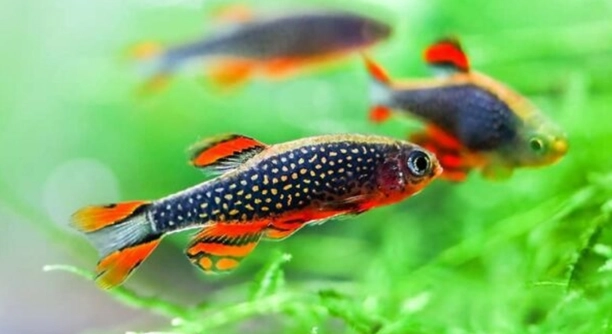
Do you ever notice your Celestial Pearl Danios swimming quickly whenever food is offered? These tiny, colorful fish can be lively during feeding times, making it interesting to observe how they interact with each other. Their movements seem almost playful.
Celestial Pearl Danios do show mild competition for food, but it is usually not aggressive. They tend to dart quickly toward food, and faster individuals may get more, yet overall, these fish coexist without severe conflict.
Observing their feeding habits can reveal small details about their social behavior and how best to ensure all fish get enough nutrition.
How Celestial Pearl Danios Eat Together
When I first observed my Celestial Pearl Danios during feeding time, I noticed they move quickly and gracefully toward the food. They rarely fight, but there is a clear pecking order. Some fish are faster and reach the flakes before the slower ones. This can be frustrating if you want all of them to eat equally. I tried spreading the food across the tank, which worked better. The fish then approached the food from different angles, giving the smaller or slower fish a fair chance. Watching them, I realized they also respond to each other’s movements. If one fish suddenly darts for a flake, others often follow. The interaction is subtle but noticeable, showing a gentle form of competition. Over time, I saw that all fish learned to anticipate feeding, and aggression remained low. Maintaining proper feeding amounts helps reduce stress and ensures healthier growth for everyone in the tank.
Spreading food in several spots allows all fish to access it without stress or overt competition.
This method also makes feeding time more engaging for me. By observing their responses, I can see which fish are shy and which are bold. The tiny movements and sudden dashes feel like a quiet communication between them. I noticed that slower fish eventually get their share if food is scattered and offered in small amounts. Over time, the fish became more confident, moving naturally and calmly during feeding. It made the aquarium feel more balanced, and watching them became genuinely relaxing. Learning these small patterns has helped me understand their behavior better. Ensuring everyone eats enough is simple when I plan feeding carefully. This approach also reduces the risk of illness and malnutrition in the tank, helping the fish thrive.
Tips to Reduce Competition
Offer food in multiple areas of the tank to reduce chasing and allow quieter fish to eat comfortably.
I also discovered that choosing the right food size and type matters. Small flakes or micro-pellets work best because they sink slowly, giving all fish time to grab a bite. Feeding smaller portions multiple times a day helps prevent dominance by faster fish and keeps everyone healthy. Observing their patterns, I learned that timing affects behavior too; feeding at consistent intervals keeps them calm and predictable. The tank layout plays a role as well. Plants, rocks, and hiding spots let timid fish approach food without being rushed by others. Overall, these small adjustments make feeding less competitive, reduce stress, and help the fish grow uniformly. Over time, the aquarium feels peaceful, and I can enjoy watching their natural interactions without worrying about one or two fish taking all the food. Consistency and attention to their needs make a noticeable difference in maintaining harmony during feeding sessions.
Feeding Schedule and Its Effects
Feeding Celestial Pearl Danios at regular times helps reduce competition. When meals are predictable, the fish become calmer and eat more efficiently. Irregular feeding can increase darting and chasing, especially among the faster individuals.
I noticed that feeding twice a day works best for my tank. Morning and evening meals keep the fish active without making them aggressive. Smaller portions prevent waste and allow the shy fish to eat without being rushed. If I tried one large feeding, the faster fish would dominate, and the timid ones often missed out. Over a few weeks, keeping a consistent schedule made the group more balanced during meals. They learned the rhythm, and I no longer had to intervene as much. Regular feeding also helped me monitor their health. Fish that hesitate or seem less active during scheduled feeding can be identified quickly, ensuring any problems are addressed early.
Maintaining a proper feeding schedule also affects their overall energy and growth. Consistency helps reduce stress, encourages healthy behavior, and ensures each fish receives enough nutrition to thrive in a shared tank environment.
Observing Behavior During Feeding
Noticing subtle differences in how each fish approaches food is important. Some are naturally bolder, while others hang back until most flakes are claimed.
Watching them closely revealed patterns I hadn’t seen before. Certain fish always dash for the first flakes, while others wait near plants or corners to grab leftovers. This behavior isn’t harmful if food is plentiful, but it shows their natural hierarchy. Over time, I could predict which individuals would get the first bites and which would rely on slower, smaller movements. Adjusting the feeding method, such as scattering food or dropping it slowly, helps the quieter fish get an equal share. It also reduces the occasional chase or bumping that happens in the early seconds of feeding. Observing these details taught me how to make feeding fairer and more relaxed, ensuring all fish stay healthy and comfortable in the tank environment.
Tank Setup and Space
A well-planned tank helps reduce competition for food. Open swimming areas combined with hiding spots allow all fish to access food comfortably.
Dense plants and decorations give timid fish places to wait and approach flakes safely. This setup encourages calmer feeding and less chasing overall.
Portion Control
Offering smaller amounts several times a day prevents faster fish from dominating meals. It also reduces waste and keeps water cleaner.
Food Type Preferences
Celestial Pearl Danios respond well to tiny flakes and micro-pellets that sink slowly. These foods allow all fish to feed at their own pace without constant competition.
Monitoring Growth
Regularly checking the size and condition of each fish ensures no individual is missing out. Healthy growth indicates the feeding method is effective.
FAQ
Do Celestial Pearl Danios fight over food?
They rarely fight aggressively, but faster fish often get to the food first. Slower or shy fish may need more time or scattered feeding to get their share. Over time, they adjust to each other, and serious conflicts are uncommon.
How can I make sure all fish eat?
Spread food across multiple areas of the tank and use smaller portions. Feeding more frequently in moderate amounts ensures the timid fish can access food without being rushed or stressed. Watching their behavior helps identify if any fish are missing meals.
What type of food works best for them?
Tiny flakes, micro-pellets, and live or frozen foods like brine shrimp or daphnia are ideal. Foods that sink slowly allow everyone a fair chance. Varying diet also helps with their nutrition and keeps them interested.
How often should I feed them?
Twice a day is usually enough for most tanks. Smaller meals prevent dominant fish from taking everything and reduce waste. Consistent timing also keeps the fish calm and predictable during feeding sessions.
Does tank size affect feeding behavior?
Yes, smaller tanks increase competition because fish have less space to spread out. Larger tanks with plants, hiding spots, and open swimming areas reduce stress and give timid fish more opportunities to eat.
Can adding plants reduce competition?
Plants provide hiding spots and break lines of sight, which can reduce chasing and allow shy fish to access food safely. Floating plants can also slow food sinking, giving all fish time to feed.
Is competition bad for their health?
Mild competition is natural and not harmful if all fish get enough food. Serious competition or constant stress can affect growth and immunity. Ensuring proper feeding methods and tank setup prevents these issues.
Should I separate faster fish during feeding?
Separation is rarely needed if you feed properly. Scattering food and offering multiple small portions is usually enough to let everyone eat fairly. Physical separation is only necessary in extreme cases.
Do they recognize each other’s feeding habits?
Yes, they observe each other and learn patterns. Bold fish may consistently reach food first, while timid ones wait for leftovers. Over time, this creates a predictable feeding dynamic that reduces conflict.
How do I know if a fish is not getting enough?
Check for slower growth, weight loss, or staying away from the feeding area. Adjusting feeding strategy, scattering food, or monitoring each fish more closely ensures no one is left hungry.
Can I feed different foods at the same time?
Offering a mix of flakes, pellets, and occasional live foods can work well. It keeps fish interested, helps ensure balanced nutrition, and reduces aggressive behavior since multiple food types are available at once.
Does water quality affect feeding competition?
Yes, poor water quality stresses fish, making them more reactive and competitive. Maintaining clean water, proper filtration, and regular changes keeps them calm and reduces stress-related chasing during meals.
Are younger fish more competitive than older ones?
Younger or faster fish often dominate at first, but older fish usually find ways to get their share over time. Monitoring feeding ensures both age groups eat adequately without constant intervention.
What if some fish always get less?
Adjust feeding locations, food size, and portion distribution. Observing behavior and making small changes over time helps ensure every fish receives enough nutrition. Some individuals may need extra attention temporarily until habits balance out.
Can I hand-feed them?
Hand-feeding is possible with patience and can give shy fish a better chance. Dropping small portions near them helps them eat without rushing, reduces competition, and strengthens observation skills.
Is competition stronger with fewer fish?
Not necessarily. Fewer fish can still show mild competition, but overcrowding increases aggressive chasing. Keeping a balanced group size for the tank volume helps maintain calm feeding dynamics.
Do they compete more for live food?
Yes, live food can trigger faster and more active chasing. Spreading it slowly or in multiple spots reduces stress and ensures slower fish can participate. Monitoring these sessions helps maintain fairness.
How long should feeding sessions last?
A few minutes is usually enough. Fish get their fill quickly, and leaving food for too long risks water quality issues. Observing them helps gauge when most have eaten adequately.
Can feeding behavior indicate health issues?
Yes, reluctance to eat or difficulty competing can signal illness. Changes in appetite, energy, or interaction with food may require closer observation or adjustment of care practices.
Do they always eat together?
Mostly, yes. They tend to gather during feeding, but individual behavior varies. Some wait at the edges or near hiding spots until food is more accessible, showing a mix of boldness and caution.
How do I prevent stress during feeding?
Provide multiple feeding spots, maintain clean water, and keep portions moderate. Observing interactions and adjusting the approach ensures calmer meals and healthier fish.
Does food sinking speed affect competition?
Yes, slower-sinking food allows timid fish to eat and reduces fast fish dominance. Fast-sinking food may favor bolder individuals, increasing minor competition. Choosing the right type helps balance access.
Is it normal for some fish to miss flakes?
Yes, occasional missed flakes happen, especially with fast-moving groups. Scattering food and monitoring helps ensure all fish receive consistent nutrition. Over time, even shy fish usually get their share.
Can I feed more if competition is high?
Increasing the amount slightly can help, but spreading it in several small portions is more effective. Extra food in one spot may benefit fast fish but leaves timid fish out.
Do Celestial Pearl Danios ever steal food from each other?
Yes, they may dart to grab flakes another fish is near. This behavior is mild and natural, not aggressive. Ensuring scattered feeding reduces stress and allows everyone to eat comfortably.
Are there signs of severe food competition?
Severe competition is rare but includes chasing, nipping, or stress-related hiding. Proper feeding methods, tank setup, and monitoring usually prevent these behaviors and promote healthy group dynamics.
Can diet variety reduce competition?
Yes, offering multiple food types keeps fish engaged and reduces stress. Different textures and sinking speeds help ensure each individual has a chance to feed.
Do feeding habits change over time?
Yes, fish adapt to each other and the environment. Shy fish often become bolder, and the group establishes a stable feeding rhythm. Observing over weeks helps refine methods for calmer, fairer meals.
How important is observation during feeding?
Very important. Noticing small details allows adjustments in portion, placement, and timing, ensuring all fish remain healthy and competitive behavior stays mild.
What’s the best way to manage a mixed group?
Scatter food, feed multiple times, and provide hiding spaces. Observation and small adjustments over time balance meals, reduce stress, and allow different personalities to coexist peacefully during feeding.
Do they show preference for certain foods?
Yes, some fish favor live foods, others prefer flakes or pellets. Offering a mix helps balance competition and ensures all fish enjoy feeding and receive proper nutrition.
Can feeding technique improve group harmony?
Absolutely. Dropping food slowly, scattering flakes, and using multiple spots reduces chasing and helps timid fish eat confidently, creating a calmer, healthier tank environment.
How long does it take for feeding behavior to stabilize?
A few weeks of consistent feeding usually results in predictable behavior. Fish learn the rhythm, slower individuals get their share, and overall competition remains mild and manageable.
Does overfeeding reduce competition?
Overfeeding may reduce mild competition temporarily, but it risks water quality problems. Balanced portions and frequent, scattered feeding are safer and more effective for long-term harmony.
What role do hiding spots play during feeding?
Hiding spots give timid fish confidence to approach food slowly. They reduce chasing, prevent stress, and make feeding sessions calmer and more equitable for all fish.
Can feeding routines influence social structure?
Yes, regular feeding and proper portioning help establish a mild hierarchy without stress. Bold and timid fish adjust naturally, maintaining balance during meals.
Are there tools to help with fair feeding?
Yes, feeding rings or dropper tools allow precise placement, spreading food evenly and reducing fast fish dominance while supporting shy individuals.
Does light affect feeding behavior?
Moderate lighting encourages natural activity without stress. Sudden changes or very bright light can make timid fish hide and increase perceived competition. Consistent conditions support calmer feeding sessions.
Can I train shy fish to eat more confidently?
Yes, offering food near them consistently or hand-feeding small portions encourages bolder behavior. Patience and repetition allow them to gradually participate fully during meals.
What’s the safest way to observe without disturbing them?
Watching quietly from a distance or behind the tank reduces stress. Quick movements or tapping the glass can startle fish and increase competition temporarily.
Do males compete more than females?
Not significantly. Both sexes show mild competition, but individual personality and speed play a larger role than gender in accessing food.
How important is water temperature during feeding?
Stable, appropriate temperature keeps metabolism steady. Sudden changes can reduce appetite or increase agitation, affecting how they feed together.
Can tank mates influence competition?
Yes, faster or more aggressive species can increase tension. Keeping compatible fish and monitoring feeding ensures Celestial Pearl Danios can eat without excessive stress.
Is it normal for some fish to wait until others finish?
Yes, timid or smaller fish often wait for leftovers. This is natural behavior and not harmful if food is sufficient.
How do I know my feeding method is working?
All fish remain healthy, active, and gain weight steadily. Observation confirms that shy fish get food and aggressive behavior remains minimal. Adjustments are made if any individual struggles.
Does the type of feeding equipment matter?
Yes, feeders that scatter food or deliver small amounts at a time help balance access and reduce dominance by faster fish. Simple tools can make a big difference in feeding harmony.
Can live plants reduce competition further?
Yes, they break sight lines, create small zones, and slow food falling. This gives timid fish confidence to eat without interference.
Should I adjust feeding as fish grow?
Yes, larger fish may need slightly more food, but proportions and spreading methods remain key. Observation ensures all sizes receive enough without creating dominance issues.
Do Danios remember feeding locations?
Yes, they quickly learn where food tends to appear. Rotating locations occasionally or scattering helps shy fish get consistent access and prevents constant chasing.
Is it okay if some flakes float away uneaten?
Yes, a few uneaten flakes are normal. Removing excess prevents water quality problems while ensuring all fish have already eaten.
Can feeding behavior indicate stress levels?
Yes, excessive chasing, hiding, or refusal to eat may signal stress. Adjusting food placement, portions, or tank layout helps restore calm and fair feeding.
Are live foods better for reducing competition?
Not necessarily. Live foods increase activity and chasing. Scattering or dropping them slowly ensures timid fish also participate without added stress.
How important is consistency in feeding habits?
Consistency creates predictable behavior, reduces stress, and allows timid fish to eat without being rushed. Regular meals support healthy growth and calmer tank dynamics.
Do Danios ever hoard food?
No, they eat quickly. Competition is brief and mild, not involving hoarding, so ensuring fair distribution is mainly about speed and placement.
What adjustments help during high activity times?
Scatter food, offer small portions, and monitor interactions. Calm feeding prevents fast fish from dominating and gives shy fish equal opportunity.
Can frequent observation improve feeding fairness?
Yes, noting individual behavior allows adjustments in portion, placement, or timing, ensuring all fish remain healthy and competitive behavior stays mild.
Is it normal for feeding behavior to change seasonally?
Yes, slight changes in appetite or activity can occur with seasonal variations in light or temperature. Maintaining consistency helps stabilize feeding patterns.
Can adding more food solve competition problems?
Extra food helps only if scattered properly. One large pile favors faster fish, so portioning and placement are more important than quantity.
Do they react differently to frozen versus live foods?
Frozen foods reduce chasing slightly because they sink predictably. Live foods encourage quick movement and mild competition. Balancing both types supports calm feeding.
Are shy fish at risk in mixed tanks?
Not if feeding is managed properly. Multiple portions, scattered food, and hiding spots ensure timid fish get adequate nutrition without stress from bolder tank mates.
Does feeding during the day versus night matter?
Yes, feeding when fish are active encourages natural behavior. Night feeding can stress them if they are less active or hiding, increasing competition temporarily.
Can I use feeding rings to help?
Yes, rings confine food to specific areas, slowing fast fish and giving shy ones a chance. It also reduces chasing and creates calmer meals.
Do Danios prefer surface or bottom feeding?
They are mid-to-surface feeders but will adjust. Choosing slow-sinking flakes or micro-pellets ensures even access across tank levels.
How do I balance fast and slow eaters?
Scatter food, offer multiple spots, and feed small portions several times. Observation ensures slower fish get enough while faster ones remain satisfied.
Can overstocking increase competition?
Yes, more fish in a small tank increases chasing and stress. Adequate space and population control reduce competition and improve feeding fairness.
Do shy fish eventually become bolder?
Yes, consistent feeding, scattered portions, and safe hiding areas encourage them to eat confidently over time, balancing access with bolder individuals.
Is mild chasing during feeding normal?
Yes, short bursts of speed or darting are natural and not harmful. Ensuring all fish get food minimizes stress while keeping behavior normal.
Can feeding technique prevent illness?
Yes, fair feeding ensures all fish get proper nutrition, supporting immunity. Reduced stress from calm meals also lowers susceptibility to disease.
Are some individuals always faster?
Yes, personality and energy levels influence feeding order. Observing patterns allows adjustments to ensure slower fish still get sufficient food.
Does water flow affect feeding competition?
Strong currents can favor bolder fish and make timid ones struggle. Moderate flow allows all fish to feed comfortably.
Should I remove leftover food after feeding?
Yes, removing uneaten food prevents water quality issues while ensuring all fish had the chance to eat.
Can I train them to eat in a specific area?
Yes, repeated feeding in a chosen spot helps fish anticipate meals and reduces chaotic chasing. Spreading food occasionally ensures shy fish are included.
Does age affect feeding behavior?
Younger fish may be quicker but smaller fish often adapt with consistent feeding. Observation ensures everyone receives adequate nutrition.
Are there tools to measure fair feeding?
Feeding rings, droppers, and timed feeders help control portions and placement, reducing dominance by faster fish and supporting shy individuals.
Do they compete more when hungry?
Yes, mild competition increases if meals are missed. Consistent feeding prevents excessive chasing and ensures calmer interactions during feeding times.
Is it normal for some fish to hover nearby without eating?
Yes, timid fish may wait until bold fish move away. Providing multiple food spots ensures they eventually get their share without stress.
Can scattering food improve harmony?
Yes, scattering reduces fast fish dominance and gives shy fish confidence to feed, keeping meals calm and equitable.
Do they ever fight over food?
Aggressive fighting is rare. Minor darting or nudging is normal, and proper feeding methods minimize stress and ensure fair access for all individuals.
Does feeding frequency matter more than portion size?
Both matter, but frequent small portions allow timid fish to eat without being rushed, reducing competition and promoting balanced growth.
Can food type influence speed of eating?
Yes, flakes and slow-sinking pellets give all fish a chance. Fast-sinking live foods may favor bolder fish. Balancing types maintains calm feeding.
Are shy fish at risk if others are faster?
Not if food is scattered and portions are small. Observation ensures everyone eats, and shy fish gradually become more confident.
Can feeding environment affect competition?
Yes, cluttered tanks or poor layout can increase chasing. Plants, hiding spots, and open areas reduce stress and help calm meals.
Is it normal for fish to wait their turn?
Yes, some wait near the edges until food is accessible. Scattered feeding ensures they eventually get their share without stress.
Do they recognize feeding times?
Yes, Celestial Pearl Danios quickly learn routine times, reducing chaos and creating predictable, calm meals.
Can adjusting feeding locations help timid fish?
Yes, dropping food near them or in corners allows shy fish to eat without being rushed by bolder tank mates.
Do they ever refuse food?
Occasionally, especially if stressed, sick, or unfamiliar with the type. Offering familiar food in small amounts usually resolves this.
How do I know feeding is fair?
All fish are active, healthy, and growing. Observation ensures timid fish get access and aggressive chasing is minimal.
Does food density affect competition?
Yes, high-density clumps favor fast fish. Spreading food evenly allows calmer, fair feeding for all individuals.
Can I use automated feeders?
Yes, they deliver small amounts consistently. Positioning multiple feeders or scattering ensures fair access for all fish.
Do Danios share food naturally?
Not really. They eat quickly, but minor darting and following is normal. Proper feeding management ensures shy fish still get enough.
Are there signs of imbalance?
Unequal growth, weight loss, or hiding during meals indicate adjustments in feeding method, portion, or placement are needed.
Can tank decor reduce competition?
Yes, plants and rocks break lines of sight, give hiding spots, and allow timid fish to eat without interference from faster fish.
Does light intensity affect feeding?
Moderate, consistent lighting encourages natural activity. Sudden bright lights can startle fish, increasing perceived competition.
Can changing food types help balance meals?
Yes, mixing flakes, pellets, and occasional live foods keeps all fish engaged and reduces dominance by bolder individuals.
Is it normal for some fish to eat faster than others?
Yes, speed varies by personality and size. Proper feeding techniques ensure slower fish still receive adequate nutrition.
Can feeding location rotation help?
Yes, changing drop spots prevents habitual dominance and gives shy fish multiple opportunities to access food.
Do Danios learn from each other?
Yes, observing peers helps timid fish become bolder over time, balancing access and reducing stress during meals.
How do I prevent overfeeding?
Offer small portions multiple times rather than one large amount. Monitor consumption and remove leftovers to maintain water quality and fish health.
Are there signs of healthy feeding behavior?
Fish approach food confidently, eat evenly, and show little chasing or stress. All grow steadily,
Final Thoughts
Feeding Celestial Pearl Danios can be simple if you pay attention to their natural behavior. These fish are small and lively, and they often move quickly when food is added to the tank. While some may reach the food faster than others, serious fighting is rare. Most of the time, the slower or more timid fish will eventually get their share if food is spread out and offered in small portions. Over time, they adapt to each other’s movements, and a predictable feeding rhythm develops. Observing them closely helps you understand which fish are bold and which are shy, allowing you to adjust your feeding methods so everyone gets enough nutrition. Using multiple feeding spots, scattering flakes, or offering slow-sinking pellets can make a noticeable difference in reducing minor competition and ensuring calmer meals for the entire group.
Maintaining a consistent feeding schedule also helps the fish feel secure and reduces stress. Feeding twice a day at roughly the same time encourages them to anticipate meals without becoming anxious or rushed. Smaller, frequent portions are better than one large meal, as they prevent the faster fish from dominating while giving the timid ones time to approach the food. Tank setup matters too. Plants, rocks, and other decorations create spaces where shy fish can wait safely and feed without being chased. Open swimming areas combined with hiding spots allow all individuals to move comfortably, reducing stress and supporting healthy behavior. Paying attention to water quality is also important because clean water keeps the fish calm and active during feeding. Healthy fish are more likely to eat efficiently, and observing their behavior regularly lets you spot any issues early. Over time, a well-maintained tank with a thoughtful feeding routine fosters a balanced environment where all Danios thrive.
It’s natural for Celestial Pearl Danios to show mild competition, but with careful feeding practices, this does not become harmful. Scattering food, choosing the right type of flakes or pellets, and monitoring each fish’s growth and condition ensures that everyone gets enough to eat. Feeding can also become an enjoyable part of keeping the aquarium, as you notice the small interactions, playful movements, and social patterns that develop among the fish. The shyest individuals often gain confidence over time, and the group establishes a peaceful rhythm during meals. By combining consistent schedules, proper portioning, and tank arrangements that accommodate all personalities, you can maintain harmony while supporting healthy growth. Understanding their feeding behavior and adjusting your methods when necessary helps prevent stress, supports nutrition, and makes caring for these small, colorful fish easier and more rewarding. A calm, balanced tank allows you to enjoy the beauty and activity of Celestial Pearl Danios while ensuring that every fish thrives.

Hello,
If you enjoy the content that we create, please consider saying a "Thank You!" by leaving a tip.
Every little bit helps us continue crafting quality advice that supports the health, happiness, and well-being of pets around the world, for pets of all shapes, sizes, and species.
We really appreciate the kindness and support that you show us!