
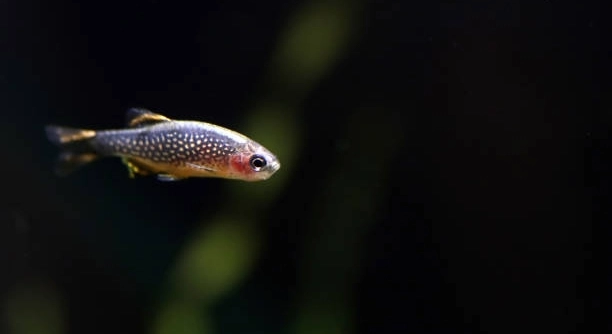
Danios are active, colorful fish that usually swim throughout the tank. Sometimes, however, they linger near the bottom for extended periods. Observing this behavior can help you understand their needs and overall well-being in your aquarium.
Danios hovering near the bottom is often linked to environmental stressors, illness, or dietary concerns. Water quality, temperature fluctuations, lack of oxygen, overcrowding, or underlying health issues can all contribute to this behavior in captive fish.
Knowing why your danios stay low can improve their care and tank conditions. Addressing these factors ensures healthier, happier fish in your home aquarium.
Water Quality Issues
Poor water quality is a common reason danios stay near the bottom. High ammonia, nitrite, or nitrate levels can make them uncomfortable. Dirty water can also stress fish, leading to sluggish behavior and hiding near the substrate. Regular water testing and partial water changes are crucial. Maintaining proper pH, hardness, and temperature will help your danios feel secure. Uneaten food, decaying plants, and waste buildup can quickly degrade water quality, so cleaning the tank regularly is essential. Using a reliable filter and monitoring its performance ensures the water stays clean and safe. Sometimes, even new tanks can cause problems if the nitrogen cycle is incomplete. Young danios or sensitive individuals are particularly prone to stress from water imbalances. Observing your fish for signs of gasping, clamped fins, or lethargy can alert you to water problems early. Prompt action often prevents serious health issues.
Poor water conditions can stress danios, affecting their activity, feeding, and overall health.
Consistent tank maintenance, including water changes, testing, and filtration, prevents discomfort and keeps danios active. A stable environment reduces bottom-dwelling behavior and promotes natural swimming patterns, enhancing the tank’s vibrancy.
Temperature Fluctuations
Sudden changes in water temperature can make danios uneasy and prompt them to stay low in the tank.
Danios are sensitive to cold or heat, which affects their metabolism and behavior.
If the tank water is too cold, danios may become sluggish and less inclined to swim freely. Conversely, water that is too warm can lower oxygen levels, causing them to hover near the bottom where conditions may feel slightly better. Using a heater with a thermostat helps maintain consistent temperature. Avoid placing the aquarium near drafts, direct sunlight, or heating vents, which can cause rapid fluctuations. Monitoring the temperature daily ensures it stays within the optimal 72–78°F range. Gradual adjustments are important when correcting temperature issues to prevent further stress. Providing stable conditions improves activity levels, encourages feeding, and supports overall health, making your danios more comfortable and confident in their environment.
Low Oxygen Levels
Danios may stay near the bottom when oxygen levels are low. Poor circulation, overcrowding, or warm water can reduce dissolved oxygen, causing fish to seek calmer areas.
Low oxygen can make danios appear lethargic and less willing to swim actively. Surface agitation from filters or air stones can improve oxygenation. Plants also contribute by producing oxygen during the day. Avoid overstocking the tank, as too many fish can quickly deplete oxygen. Monitoring oxygen levels, especially in warm or heavily planted tanks, helps keep danios comfortable. Observing their gill movement can indicate stress; rapid or heavy breathing often signals oxygen deficiency. Simple changes like adding aeration or adjusting water flow can restore activity and encourage fish to explore the entire tank, rather than staying near the bottom out of discomfort.
Ensuring proper oxygen levels reduces stress, supports metabolism, and improves overall health. Proper circulation keeps your danios energetic and balanced in their environment.
Illness or Parasites
Illness or parasites can cause danios to hover near the bottom and show unusual behavior.
Fish infected with bacterial, fungal, or parasitic issues often isolate themselves, reduce activity, and may lose appetite. Close observation of spots, fin damage, or unusual swimming patterns can indicate health problems. Quarantining affected fish and treating them with appropriate medication can prevent spread. A clean environment and balanced diet strengthen immunity and help recovery. Early intervention is key to avoiding severe consequences.
Infections or internal parasites can significantly stress danios, making them vulnerable to secondary issues. Maintaining tank hygiene, monitoring behavior, and addressing illness quickly supports long-term health. Timely action prevents deterioration, restores normal activity, and helps fish regain strength. Preventative measures, like routine checks and avoiding contaminated water or new unquarantined fish, minimize risk. Regular observation ensures subtle changes in behavior are noticed, allowing swift treatment before serious complications occur.
Stress from Tankmates
Aggressive or overly active tankmates can make danios stay near the bottom. Constant chasing or bullying leads them to seek refuge and avoid confrontation.
Providing hiding spots, plants, and open swimming areas helps reduce stress. Observing interactions ensures danios feel secure and remain active.
Overfeeding or Poor Diet
Overfeeding can cause digestive issues, making danios sluggish and more likely to hover near the bottom. Uneaten food also deteriorates water quality, adding stress. Feeding small, balanced portions and removing leftovers prevents problems. Including a variety of high-quality flakes, pellets, or live foods supports health and energy.
New or Unfamiliar Environment
Danios may remain low when first introduced to a new tank. Unfamiliar surroundings can make them cautious and less willing to explore.
Providing gentle acclimation, stable conditions, and gradual adjustments helps them feel comfortable and encourages normal swimming behavior over time.
FAQ
Why do my danios stay at the bottom all day?
Danios may spend most of their time at the bottom due to stress, illness, poor water quality, or low oxygen levels. Monitoring their environment and observing for signs of disease can help identify the reason. Regular maintenance and stable tank conditions encourage normal activity.
Can temperature changes make danios stay low?
Yes, sudden drops or increases in water temperature can slow their metabolism or reduce oxygen levels, making them hover near the bottom. Using a reliable heater and keeping the tank away from drafts or direct sunlight prevents sudden shifts and maintains comfort.
Could my danios be sick?
Illness is a common reason for bottom-dwelling behavior. Look for unusual spots, fin damage, rapid gill movement, or reduced appetite. Quarantine affected fish and treat with appropriate medication. Clean water and a balanced diet support recovery and prevent further stress.
Do poor water conditions affect their behavior?
Absolutely. High ammonia, nitrites, nitrates, or debris can stress danios, causing them to stay low. Frequent water testing, partial changes, and a good filtration system help maintain a safe environment. Observing for clamped fins or sluggish movement can indicate issues early.
Does overfeeding cause them to stay near the bottom?
Yes. Uneaten food can pollute the water and overfeeding can lead to digestive problems. Feed small, measured portions and remove leftover food to prevent discomfort. A varied diet keeps them energetic and encourages them to swim freely.
Will aggressive tankmates make them hide at the bottom?
Danios may retreat to the bottom if other fish are overly aggressive or dominant. Providing hiding spaces and open swimming areas reduces stress. Observing tank dynamics ensures all fish coexist comfortably and prevents prolonged bottom-dwelling behavior.
How long does it take for danios to adjust to a new tank?
New environments can make danios cautious. Acclimation usually takes a few days to a week, depending on the fish and tank setup. Stable conditions, gentle introductions, and hiding spots help them feel secure and start swimming normally.
Can plants and decorations influence their behavior?
Yes. Dense plants or decorations provide shelter, making danios feel safe. They may stay near the bottom initially to explore and adjust. Balanced placement of décor encourages swimming at all levels without causing stress or hiding excessively.
Is low oxygen a serious concern?
Low oxygen can quickly affect danios’ health. Signs include heavy breathing, lethargy, or staying at the bottom. Improving circulation with filters, air stones, or surface agitation keeps oxygen levels sufficient. Proper stocking density and regular monitoring prevent oxygen-related issues.
When should I seek professional help?
If danios continue to hover near the bottom despite stable water, proper diet, and adequate oxygen, consulting an aquatic veterinarian or experienced fish keeper is recommended. Persistent illness, unusual behavior, or rapid decline requires professional assessment to protect their health.
Can diet alone correct bottom-dwelling behavior?
A balanced diet supports health but may not resolve all issues. Addressing water quality, tankmates, oxygen, and stress factors is equally important. High-quality food, occasional live or frozen treats, and portion control improve energy and overall activity levels.
Are certain danio species more prone to bottom-dwelling?
Some species may naturally prefer lower areas when stressed or during acclimation. Observing patterns across species helps differentiate normal behavior from signs of illness or environmental problems. Providing appropriate care ensures all danios remain active and healthy.
Does water hardness or pH affect their swimming patterns?
Yes. Drastic changes in pH or hardness can stress danios, causing them to hover near the bottom. Regular testing and gradual adjustments maintain stability, promoting consistent swimming and reducing stress-related behaviors.
How do I know if it’s temporary or serious?
Temporary bottom-dwelling is usually seen in new tanks or mild stress conditions. Persistent behavior with additional signs such as loss of appetite, discoloration, or clamped fins indicates a serious issue requiring attention. Continuous observation is key to early intervention.
Can adding aeration solve bottom-dwelling problems?
Aeration increases oxygen levels and improves circulation, often encouraging danios to swim at all levels. While it may not solve illness or stress from tankmates, it is an effective step in supporting overall health and reducing bottom-dwelling behavior.
Is it normal for older danios to spend more time at the bottom?
Aging can slow activity, but persistent bottom-dwelling combined with lethargy or poor appetite may indicate health problems. Older danios benefit from careful monitoring, stable water, and a balanced diet to maintain mobility and energy.
Can overcrowding cause bottom-hanging behavior?
Yes. Too many fish increase competition for oxygen and space, making danios seek refuge near the bottom. Reducing stocking density, improving aeration, and providing hiding spots creates a more comfortable environment and encourages active swimming.
Does lighting affect their swimming levels?
Intense or inconsistent lighting can stress danios, causing them to stay low. Gradual light adjustments and providing shaded areas help them feel safe. Stable, moderate lighting supports normal behavior and natural activity throughout the tank.
How long should I observe before intervening?
Observe fish for several days to identify patterns or triggers. If bottom-dwelling continues alongside signs of stress, illness, or poor water conditions, take corrective measures immediately to protect their health. Consistent observation is essential for timely responses.
Are there natural ways to encourage them to swim higher?
Yes. Stable water conditions, proper diet, balanced lighting, sufficient oxygen, and gentle interaction encourage normal activity. Rearranging decorations to allow open swimming areas and providing hiding spots can reduce stress and make them explore upper levels naturally.
What routine maintenance prevents bottom-dwelling behavior?
Regular water testing, partial water changes, filter checks, and monitoring tankmates prevent stress and health issues. Keeping the tank clean, stable, and well-oxygenated ensures danios remain active, reducing the likelihood of persistent bottom-dwelling behavior.
Danios are lively, colorful fish that generally enjoy swimming throughout the aquarium. When they begin spending extended periods near the bottom, it can signal a variety of environmental or health issues. Observing this behavior carefully is essential because it provides insights into their overall well-being. Many factors can contribute to bottom-dwelling, including poor water quality, low oxygen levels, temperature fluctuations, illness, dietary issues, stress from tankmates, or even adjustment to a new environment. Each of these elements affects their comfort and activity levels, and understanding them helps create a stable, healthy tank for your fish. Paying attention to their behavior over time allows you to notice subtle changes early and take corrective steps before the problem becomes serious.
Maintaining a clean, stable environment is key to preventing bottom-dwelling behavior. Regular water testing and partial water changes ensure proper levels of ammonia, nitrites, and nitrates. Using a reliable filter and monitoring its performance also supports water quality. Temperature stability is equally important, as sudden fluctuations can stress fish and make them less active. Aeration and circulation help maintain oxygen levels, which is especially crucial in warmer water or tanks with many inhabitants. Providing hiding spaces and plants can reduce stress from aggressive or dominant tankmates, giving danios a sense of security. Additionally, offering a balanced diet in proper portions supports their health and energy, reducing sluggishness and encouraging normal swimming patterns.
Observing and responding to your danios’ needs consistently will improve their comfort and overall activity in the tank. While some bottom-dwelling behavior may be temporary, persistent signs of lethargy, unusual swimming, or lack of appetite warrant closer attention. Early intervention, whether through improving water conditions, adjusting diet, or addressing potential illness, ensures healthier, happier fish. Over time, these measures create an environment where danios feel secure and energetic, naturally exploring all levels of the tank. Careful observation, consistent maintenance, and a balanced approach to their habitat contribute to their long-term health and well-being, allowing your fish to thrive and display their natural, lively behaviors.

Hello,
If you enjoy the content that we create, please consider saying a "Thank You!" by leaving a tip.
Every little bit helps us continue crafting quality advice that supports the health, happiness, and well-being of pets around the world, for pets of all shapes, sizes, and species.
We really appreciate the kindness and support that you show us!