
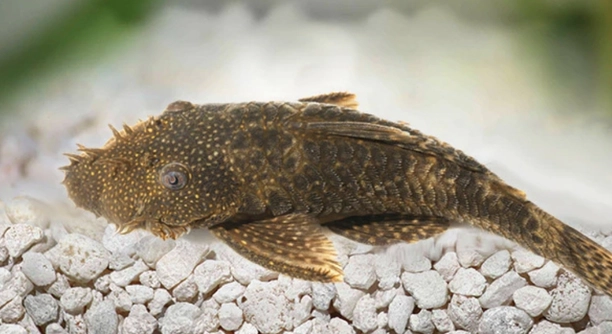
Do you ever notice your aquarium feeling a little tense even when all the fish seem calm? Bristlenose plecos are peaceful in many ways, yet they have subtle behaviors that can indicate boundaries and personal space. Watching them closely can reveal patterns in their movement and interactions.
Bristlenose plecos do show territorial signs, often defending specific areas of the tank. These behaviors include guarding caves, displaying fins, and chasing intruders. Recognizing these signs is essential for maintaining harmony and preventing stress among tank inhabitants.
Observing their subtle movements and interactions can help you create a balanced and comfortable environment for all your aquatic pets. It is important to understand these patterns for long-term care.
Understanding Bristlenose Pleco Territory
Bristlenose plecos naturally claim areas within the aquarium where they feel safe and comfortable. They often choose caves, driftwood, or other hiding spots as their personal spaces. These areas are essential for resting, feeding, and maintaining a sense of security. Territorial behavior can include gentle nudging, tail flicking, or spreading fins to signal dominance. In many cases, these behaviors are subtle and easy to overlook, especially in a tank with multiple plecos or other fish species. Observing your pleco over time helps identify which spots it prefers and how it responds when another fish enters its chosen area. Adjusting decorations, adding hiding spots, or providing ample space can reduce stress and prevent unnecessary confrontations. Recognizing and respecting these territorial boundaries contributes to a healthier, more stable aquarium environment, keeping your pleco active, content, and less prone to stress-related issues.
Monitoring these areas regularly allows you to anticipate conflicts and keep your pleco comfortable. Small adjustments can make a big difference in tank harmony.
Careful observation of your pleco’s behavior can reveal patterns over days or weeks. For instance, a pleco may defend a cave more aggressively during feeding times or when lighting conditions change. Some plecos may tolerate nearby neighbors while others become more protective if space is limited. Adjusting tank decorations or adding additional caves helps create multiple territories, reducing stress and potential aggression. It is also important to maintain clean water and proper nutrition, as stress can intensify territorial displays. Over time, observing these behaviors will give you a clear picture of how your pleco interacts with its environment and other fish, making it easier to manage tank dynamics effectively. Understanding these signs ensures that all fish can coexist peacefully, creating a stable and visually appealing aquarium.
Common Signs of Pleco Territory
Signs of territory include fin flaring, chasing intruders, and spending long periods in one location. These behaviors help maintain boundaries within the tank.
Recognizing these signals early is important for tank management. Plecos mark their space with physical presence, not aggressive attacks, allowing other fish to respect boundaries naturally. Providing multiple hiding spots or visual barriers can reduce stress and prevent conflicts. Some plecos will patrol the same area repeatedly, giving a clear indication of ownership. Watching for subtle changes in posture or movement helps detect tension before it escalates. Tankmates that ignore these signals may provoke mild confrontations, but adjustments in layout or spacing can restore peace. Understanding these signs ensures a healthier, less stressful environment, supporting both plecos and other aquatic species.
Territorial behavior is influenced by tank size, population, and environmental conditions. In smaller tanks, plecos may display stronger defensive behavior, as space is limited and competition for hiding spots increases. Larger tanks with multiple hiding places allow plecos to claim areas without frequent confrontations. Observing the timing of territorial displays can also provide insight; many plecos show heightened activity during feeding or breeding periods. Environmental enrichment, such as driftwood, caves, and plants, encourages natural behavior and gives plecos outlets for defense without harming others. Managing water quality and consistent feeding schedules further reduces stress, helping plecos maintain predictable territorial patterns. Over time, recognizing these behaviors allows you to design a tank that balances pleco needs with those of other fish, creating a peaceful, functional habitat that supports long-term health and activity.
How Plecos Mark Their Territory
Bristlenose plecos mark their territory mainly through physical presence and subtle displays. They may linger near a preferred cave, spread their fins, or gently push other fish away. These behaviors signal ownership without direct aggression, helping maintain boundaries within the tank naturally.
Physical markings are less about visible traces and more about consistent positioning. A pleco spending most of its time on a specific log or near a hiding spot signals to others that the area is claimed. Tail flicks, nudges, and fin displays reinforce this ownership. Over time, other fish learn to respect these areas, reducing conflicts. The combination of presence, movement, and minor displays creates a predictable pattern of territory that helps the pleco feel secure and minimizes stress.
Observation is key. Plecos may patrol their chosen area several times a day, ensuring no intruders approach. They adjust their displays based on tankmates’ reactions, increasing defensive behavior if challenged and relaxing when their boundaries are undisturbed. Recognizing these patterns allows you to arrange decorations strategically, providing multiple zones for different fish. This reduces tension, encourages natural behavior, and helps maintain a calm environment, especially in tanks with multiple plecos or territorial species.
Reducing Territorial Conflicts
Providing ample hiding spots and decorations reduces stress and prevents fights between plecos and other fish. Multiple caves, driftwood, and plants help separate territories naturally.
Tank layout plays a major role in minimizing conflicts. Plecos that have clearly defined spaces are less likely to chase others or display constant aggression. Adjusting the tank with visual barriers, such as tall plants or rocks, gives each pleco a sense of security. Water quality, proper feeding, and sufficient space also influence territorial behavior. When fish feel safe and have multiple zones to claim, interactions become calmer. Regular observation ensures that no single pleco dominates the tank excessively, maintaining harmony among all inhabitants.
Introducing new hiding spots or rearranging the tank can shift territorial boundaries. Plecos often explore new areas cautiously, gradually claiming spaces without aggressive encounters. Spacing caves and logs strategically allows multiple plecos to coexist, each with its own preferred area. Monitoring interactions during feeding is also essential, as food can trigger competition. Adjusting feeding locations or distributing food in several spots helps reduce confrontations. Environmental enrichment encourages natural behavior while limiting stress and aggression. Over time, careful tank management creates a balanced habitat, where plecos establish territories without constant disputes, supporting both their health and the well-being of other fish in the aquarium.
Timing of Territorial Behavior
Bristlenose plecos are most active in defending their territory during feeding and nighttime hours. These periods increase their awareness of intruders and encourage them to patrol their chosen areas more frequently. Understanding this timing helps manage tank interactions effectively.
Territorial displays are less frequent during daylight or when the tank is quiet. Plecos tend to rest in their preferred hiding spots, minimizing unnecessary confrontations. Recognizing these patterns allows for better planning of feeding schedules and tank maintenance to avoid stress or accidental disturbances.
Influence of Tank Size
Tank size directly affects pleco territorial behavior. Smaller tanks increase competition for hiding spots, leading to more frequent displays of dominance and occasional chasing. Larger tanks provide ample space for multiple territories, reducing stress and conflict among plecos. Careful planning of tank layout is essential for harmony.
Interaction with Other Fish
Bristlenose plecos usually coexist peacefully with other species, but territorial behavior can flare if space is limited. Fish that encroach on their preferred spots may be nudged or chased briefly. Providing visual barriers and multiple hiding areas reduces tension and encourages calm interactions.
FAQ
Do Bristlenose Plecos fight over territory?
Bristlenose plecos rarely engage in serious fights. Most interactions are limited to chasing, nudging, or fin displays. These behaviors are signals to maintain boundaries rather than aggressive attacks. Proper tank layout with multiple hiding spots greatly reduces the chance of conflicts and allows plecos to coexist peacefully.
How can I tell if my pleco is stressed by territory issues?
Signs of stress include hiding constantly, reduced feeding, rapid breathing, and excessive fin displays. Aggression toward other fish or unusual lethargy can also indicate tension. Observing your pleco’s behavior and checking the tank layout helps identify areas causing stress and allows adjustments to improve comfort.
Do plecos claim multiple territories?
Some plecos may patrol more than one area in a tank, but they usually have a primary space they defend consistently. Secondary areas are often less rigidly claimed and can be shared with other fish if space is sufficient. Multiple hiding spots support this behavior without causing conflict.
Does tank size affect territorial behavior?
Yes, smaller tanks increase competition for hiding spots, leading to more frequent displays of territory and mild chasing. Larger tanks allow plecos to establish separate areas without constant confrontations. Providing adequate space and visual barriers reduces stress and helps maintain calm interactions.
Can adding decorations reduce territorial aggression?
Absolutely. Caves, driftwood, plants, and rocks create boundaries and visual separation. Plecos feel secure in these spaces, which minimizes aggressive behavior. Rearranging decorations occasionally can also prevent one pleco from dominating a single area and encourages exploration.
Do plecos show territory differently at night?
Bristlenose plecos are nocturnal and more active in defending their areas during nighttime hours. They may patrol, flare fins, or nudge other fish while resting spots are claimed. Understanding this pattern helps schedule feeding and maintenance without disturbing their natural behavior.
How do tankmates affect pleco territory?
Plecos generally coexist well with non-aggressive species, but crowded conditions or aggressive neighbors can trigger territorial displays. Fish encroaching on hiding spots may be chased briefly. Ensuring enough space and providing multiple hiding spots reduces tension and encourages peaceful interactions.
Will plecos adjust their territory over time?
Yes, plecos adapt their territories as the tank changes. Rearranging decorations, adding new hiding spots, or introducing other fish may lead them to explore and claim new areas. Observing behavior over weeks helps you identify preferred zones and ensures harmony.
Is it necessary to separate plecos for territory reasons?
Separation is rarely needed if the tank is large and enriched with hiding spots. Problems arise mainly in small or poorly decorated tanks. If persistent chasing or stress occurs, adding more caves or increasing space usually resolves the issue without isolating the fish.
Do all plecos display territorial behavior the same way?
Individual temperaments vary. Some plecos are more assertive and display frequent fin flaring or chasing, while others are calmer and tolerate tankmates. Recognizing each pleco’s personality and providing sufficient territory helps maintain balance and reduces stress for all fish.
Can feeding methods influence territory behavior?
Yes, placing food in multiple locations reduces competition and minimizes chasing. If food is concentrated in one spot, plecos may become more territorial around that area. Distributing food evenly encourages peaceful feeding and prevents disputes over specific zones.
Do plecos defend their territory during breeding?
During breeding, territorial behavior can intensify, especially around caves or flat surfaces used for egg-laying. Males may become more protective and chase intruders away from the nesting site. Providing multiple caves and hiding spots can reduce stress for both breeding and non-breeding plecos.
Are plecos territorial with their own species?
Yes, interactions among plecos are common, particularly if the tank has limited space. Dominant individuals may patrol or chase others, but severe fighting is uncommon if adequate territory is available. Multiple hiding spots allow coexistence without constant conflict.
Can stress from territory issues affect pleco health?
Chronic stress can reduce immunity, decrease appetite, and make plecos more susceptible to disease. Maintaining sufficient space, hiding spots, and a calm environment helps prevent stress-related health problems and promotes overall well-being.
How long does it take for plecos to establish territory?
It usually takes several days to a few weeks for a pleco to consistently claim an area. Observing their movement and behavior over time helps identify their primary territory and ensures proper tank arrangements for long-term comfort.
Is it normal for plecos to chase other fish occasionally?
Yes, short chases or nudges are normal displays of territory. These behaviors signal boundaries rather than aggression. Most chases are brief and do not result in injury, especially in a well-structured tank with sufficient hiding spots.
Does water quality influence territorial behavior?
Poor water conditions can increase stress and make plecos more defensive. Maintaining clean, well-filtered water helps reduce tension, encourages natural behavior, and supports a stable hierarchy within the tank. Proper water parameters are essential for calm and healthy plecos.
Can plecos share caves or hiding spots?
Some plecos tolerate sharing if space is large and hiding spots are abundant. However, dominant individuals may claim a single cave exclusively. Providing multiple shelters allows coexistence while minimizing disputes and ensures all fish have secure resting areas.
Do plecos defend territory even without other fish around?
Yes, plecos naturally claim spaces even in solitary tanks. Territory is not solely about other fish; it provides a sense of security and a preferred resting area. Observing how they patrol or occupy hiding spots helps understand their comfort zones.
Will plecos reduce territorial behavior as they age?
Mature plecos often settle into established territories, and activity may become less frequent over time. Older fish usually patrol their area calmly, with less chasing, as long as their environment continues to meet their needs and space remains sufficient.
Final Thoughts
Bristlenose plecos are fascinating fish that show clear signs of territorial behavior. Understanding these behaviors is essential for maintaining a peaceful and healthy aquarium. Plecos naturally claim spaces such as caves, driftwood, and other hiding spots, using subtle displays like fin flaring, nudging, or patrolling to signal ownership. These actions are not aggressive in the sense of harming other fish, but they are important signals that help maintain boundaries. Observing these patterns allows aquarists to recognize preferred areas and adjust tank layouts accordingly. Providing multiple hiding spots and visual barriers reduces stress, minimizes conflicts, and encourages natural behavior. Plecos often revisit the same spots consistently, making it easier to identify which areas are most important to them. When their territory is respected, plecos tend to be calmer, more active, and healthier overall.
Territorial behavior in plecos is influenced by a combination of tank size, population density, and environmental conditions. Smaller tanks naturally increase competition for hiding spots, leading to more frequent displays of dominance, brief chases, and occasional nudging between fish. Larger tanks with plenty of caves, driftwood, and plants allow plecos to establish separate territories without frequent conflict. Environmental enrichment is particularly important, as it encourages natural behavior and provides outlets for defense without stressing other fish. Maintaining proper water quality, consistent feeding schedules, and adequate space further reduces stress and promotes stable interactions. Over time, careful observation and strategic arrangement of decorations help create a balanced habitat. Recognizing when a pleco is stressed or displaying excessive territorial behavior ensures that adjustments can be made before it affects the overall health of the fish or tank harmony.
Understanding pleco territory also allows aquarists to plan for tankmates, feeding routines, and tank changes with minimal disruption. Fish that respect boundaries tend to coexist peacefully, while overcrowding or poorly arranged spaces can increase tension. During breeding periods, territorial displays may intensify, especially around nesting sites, but these behaviors are manageable with multiple hiding spots and ample space. Plecos naturally adapt to changes in the environment, gradually establishing new territories if decorations are rearranged or new hiding spots are added. Observing these behaviors over weeks or months provides insight into each pleco’s preferences, personality, and patterns. By respecting their natural instincts, aquarists can support a calm, healthy, and well-structured aquarium. Overall, understanding pleco territorial behavior is not just about preventing conflict; it is about creating an environment where these fish feel secure, remain active, and live comfortably alongside other tank inhabitants, ensuring their long-term well-being and a balanced aquarium ecosystem.

Hello,
If you enjoy the content that we create, please consider saying a "Thank You!" by leaving a tip.
Every little bit helps us continue crafting quality advice that supports the health, happiness, and well-being of pets around the world, for pets of all shapes, sizes, and species.
We really appreciate the kindness and support that you show us!