
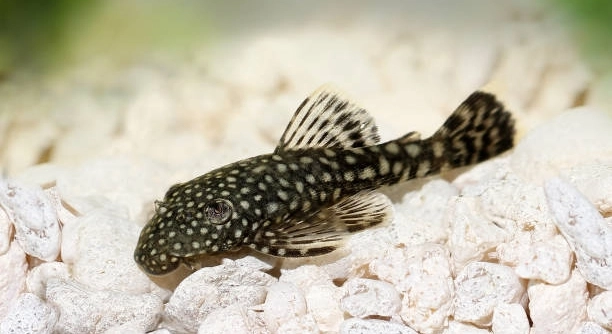
Bristlenose plecos are small, peaceful fish commonly kept in home aquariums. They are known for their algae-eating habits and unique bristled faces. Many aquarists enjoy observing their behaviors and interactions within the tank environment.
Bristlenose plecos can thrive both alone and in groups, but they often show more natural and active behaviors when kept in small social groups. Group life provides stimulation, reduces stress, and encourages healthier interaction patterns in captivity.
Learning how to balance tank space and social needs will help you create a comfortable environment for these interesting fish. Proper care ensures they remain active and visually engaging in your aquarium.
Understanding Bristlenose Pleco Behavior
Bristlenose plecos are generally peaceful fish that prefer a calm and stable environment. They spend much of their time grazing on algae and exploring hiding spots within the tank. Observing them closely reveals patterns in how they interact with other tank mates. When kept in groups, these plecos may establish subtle hierarchies, though aggression is typically minimal. Providing plenty of hiding spaces such as caves, driftwood, and plants allows each fish to feel secure. They are most active during dusk and nighttime, so changes in their activity levels may indicate stress or health issues. Water quality is critical; plecos thrive in well-maintained aquariums with stable temperatures and clean water. By noticing their habits, aquarists can adjust feeding routines and tank arrangements to encourage natural behavior, leading to a more balanced and visually appealing aquarium setting. Social interactions among small groups can enhance their overall well-being.
Group life encourages plecos to be more active and display natural behaviors. They feel safer and explore more confidently when not isolated.
Watching their group interactions provides insight into their personalities, preferences, and social dynamics. It also allows aquarists to plan tank setups that support both activity and comfort. Proper tank organization helps prevent stress and ensures healthier fish.
Benefits of Keeping Plecos in Small Groups
Keeping bristlenose plecos in small groups improves their overall activity and engagement within the tank. They show more natural grazing and swimming behaviors compared to solitary fish.
Group living can also reduce stress levels and encourage healthier immune responses. Fish kept alone may hide excessively or become less active, while those in small social clusters interact more with each other and explore their environment confidently. These interactions mimic conditions they would experience in the wild, where subtle social structures help maintain balance. Providing multiple hiding spots prevents competition and ensures each pleco can rest comfortably. Group life can also enhance breeding behaviors, as the presence of other plecos can stimulate interest and activity. Careful monitoring of tank conditions, including water quality, temperature, and food availability, is essential to maintain harmony. Observing their behaviors regularly allows adjustments to tank layout and feeding routines to support their health. Small groups create a dynamic and stimulating environment that encourages plecos to thrive and display their full range of natural behaviors.
Tank Setup for Group Living
Providing adequate space is essential when keeping multiple bristlenose plecos. Each fish needs enough room to graze, hide, and explore without feeling crowded. Proper layout reduces stress and supports natural behaviors.
Aquariums should include driftwood, caves, and dense plant cover to create separate territories. Multiple feeding spots prevent competition and ensure all fish receive enough nutrition. Proper filtration maintains clean water, as waste can build up faster in group settings. Monitoring temperature and pH levels is crucial, because plecos are sensitive to sudden changes. Arranging the tank to mimic natural habitats encourages activity and interaction. Observing how the plecos use these spaces allows adjustments for comfort. Overcrowding can lead to stress or aggression, so calculating the right number of fish per gallon is important. Group life works best when each pleco has access to both social interaction and personal space within the aquarium.
Regular observation helps identify whether each pleco is active, eating well, and interacting normally. Small adjustments to hiding spots and decorations can make a noticeable difference in their comfort and overall behavior.
Feeding and Nutrition in Groups
Group-living plecos require consistent access to food to maintain health and avoid competition. Multiple feeding spots help each fish eat comfortably without stress.
Bristlenose plecos are primarily herbivorous, relying on algae, vegetables, and specialized sinking pellets. Providing a balanced diet prevents nutritional deficiencies and keeps their bristles healthy. Including blanched zucchini, spinach, and cucumber offers natural variety, while occasional protein-based foods support growth. Feeding schedules should be consistent, ideally once or twice daily, depending on tank size and population. Observing their feeding behavior helps determine whether adjustments are needed. In group settings, some fish may be more dominant, so spreading food across multiple locations reduces conflicts. Driftwood in the tank also provides a grazing source and supports digestive health. By managing both food types and distribution, plecos remain active, healthy, and less prone to stress. Proper nutrition supports their natural behaviors and strengthens overall well-being, making group life more sustainable.
Signs of Stress in Group Settings
Even in groups, bristlenose plecos can experience stress from overcrowding or poor water quality. Watch for hiding excessively, reduced activity, or loss of appetite. Early detection helps prevent health problems and aggressive behavior.
Stress may also appear as damaged fins, faded color, or unusual swimming patterns. Adjusting tank layout, improving water conditions, or reducing fish density can restore comfort and encourage normal behavior.
Social Hierarchies Among Plecos
Bristlenose plecos naturally establish subtle hierarchies when kept together. Dominant individuals may claim preferred hiding spots or feeding areas, while others adapt by using alternate spaces. These hierarchies are rarely aggressive but influence how fish interact daily. Observing these patterns can guide adjustments to tank design, such as adding more caves or driftwood. Group living encourages interaction, with subordinate fish gradually gaining confidence and exploring more. Providing enough resources ensures all plecos access food and shelter, minimizing competition. Understanding these social dynamics helps maintain a balanced environment, supporting the overall health, activity, and natural behavior of every fish in the aquarium.
Breeding Considerations
Group life can increase the chances of breeding, as multiple plecos create natural stimulation. Observing behaviors helps identify potential breeding pairs and prepare nesting areas.
FAQ
How many bristlenose plecos should be kept together?
A small group of three to five plecos is usually ideal for a standard home aquarium. This number allows social interaction without overcrowding. Overcrowding can increase stress, reduce water quality, and trigger minor conflicts over hiding spots or food. Each fish should have access to adequate territory and hiding spaces to feel secure. Grouping them in moderate numbers encourages natural behaviors, such as grazing, exploring, and interacting, while still maintaining a calm and stable tank environment. Monitoring activity levels helps determine if adjustments are needed to maintain balance.
Do bristlenose plecos get along with other fish?
Bristlenose plecos are generally peaceful and coexist well with other non-aggressive fish. They rarely bother tank mates unless stressed or crowded. Avoid pairing them with aggressive or fin-nipping species to prevent injuries. Plecos may compete with other bottom-dwelling fish for food and territory, so spacing out hiding spots and providing multiple feeding areas is essential. Peaceful tank mates allow plecos to thrive socially while maintaining a stable and low-stress environment. Group-living plecos often show more confidence and natural behavior when tank conditions are calm.
How do I know if my plecos are stressed?
Stress signs include hiding excessively, reduced activity, faded coloration, or irregular swimming. Loss of appetite and damaged fins may also indicate discomfort. In group settings, stress can result from overcrowding or limited resources. Ensuring proper tank size, water quality, and hiding spots helps reduce stress. Observing daily behavior makes it easier to detect changes early. Adjustments to tank layout, feeding locations, or fish numbers often restore comfort. Healthy, active plecos display grazing and social behaviors while exploring their environment confidently.
Can bristlenose plecos breed in a group?
Yes, group living can encourage breeding. Male plecos may claim caves or driftwood as nesting sites, attracting females. Providing multiple hiding spaces ensures subordinate fish are not displaced. Water quality, temperature, and diet play crucial roles in breeding success. Observing courtship behavior and egg-laying helps aquarists identify potential breeding pairs. In a well-maintained group tank, plecos often display more natural breeding behaviors than isolated individuals. Ensuring enough territory and resources prevents stress and promotes successful reproduction.
What should I feed group-living plecos?
Group plecos need balanced nutrition. Algae, blanched vegetables like zucchini or spinach, and sinking pellets meet their dietary needs. Occasional protein-based foods support growth. Multiple feeding areas prevent dominant fish from monopolizing food. Driftwood serves as a grazing source and aids digestion. Consistent feeding schedules encourage natural behaviors and reduce competition. Monitoring each fish’s feeding ensures all receive adequate nutrition. Proper diet supports health, bristle development, and activity in group settings.
How do I maintain water quality for a group?
Water quality is essential in group tanks, as more fish produce more waste. Regular water changes, proper filtration, and monitoring temperature and pH help maintain a healthy environment. Testing ammonia, nitrite, and nitrate levels prevents toxicity. Group tanks require careful observation, as small issues can escalate quickly. Adding decorations and plants can support water quality by reducing stress and providing natural filtration. Consistent maintenance ensures plecos remain active, healthy, and display natural behavior while living harmoniously together.
Do plecos need separate hiding spots in groups?
Yes, multiple hiding spots prevent conflicts and allow subordinate fish to rest safely. Driftwood, caves, and dense plants create secure spaces. Group-living plecos rely on these territories to feel comfortable and reduce stress. Properly spaced shelters encourage exploration and grazing while maintaining social balance.
Is tank size important for groups?
Absolutely. Each pleco needs enough space to move, graze, and hide. Overcrowding increases stress and can lead to health problems or minor aggression. A larger tank supports natural social behavior and ensures all fish access resources comfortably. Careful planning prevents conflict and promotes long-term well-being.
How can I encourage natural behavior in group plecos?
Providing a varied environment with driftwood, plants, and multiple feeding areas encourages exploration and grazing. Observing interactions helps identify territorial preferences. Maintaining stable water conditions and proper nutrition further supports natural behaviors. Group life enhances social interaction, making plecos more active, confident, and visually engaging.
Can plecos harm each other in a group?
Aggression is rare but can occur if space is limited or resources are scarce. Dominant individuals may briefly chase others. Proper tank layout, multiple hiding spots, and adequate feeding reduce conflicts. Observing group dynamics helps maintain harmony and prevent stress or injury.
Final Thoughts
Bristlenose plecos are fascinating fish that adapt well to both solitary and group living. When kept in small groups, they often show more natural and active behaviors, including grazing, exploring, and interacting with each other. Observing a group of plecos provides insight into their personalities and preferences, making it easier to create an environment that supports their health and well-being. While individual plecos can survive alone, group life encourages social interaction, reduces stress, and adds a dynamic aspect to the aquarium. Careful observation of their behaviors can help aquarists identify signs of stress, monitor social hierarchies, and adjust the tank layout as needed to maintain a balanced environment.
Proper tank setup plays a significant role in ensuring a group of plecos thrives. Each fish needs adequate space to move, feed, and hide comfortably. Driftwood, caves, and dense plants provide natural hiding spots and grazing areas, while multiple feeding locations prevent competition among tank mates. Water quality is equally important; stable temperature, pH levels, and clean water help prevent stress and disease. Overcrowding or insufficient hiding spots can lead to minor conflicts or reduced activity. Maintaining a clean, well-organized tank not only supports the plecos’ physical health but also encourages natural behaviors, allowing them to feel secure while interacting within their group. By paying attention to these details, aquarists can create a harmonious environment that benefits all the fish in the tank.
Feeding and nutrition are also key factors in maintaining healthy group dynamics. Bristlenose plecos are primarily herbivorous and require a balanced diet consisting of algae, vegetables, and sinking pellets. Including blanched zucchini, spinach, or cucumber adds variety and ensures proper nutrient intake, while occasional protein-based foods support growth and overall health. In group settings, spreading food across multiple areas ensures that dominant individuals do not monopolize resources, and all fish receive adequate nutrition. Regular observation during feeding helps monitor each pleco’s eating habits and detect any issues early. Supporting their diet with natural grazing options, such as driftwood, also promotes digestion and encourages natural behaviors. Overall, keeping bristlenose plecos in small groups, with proper tank setup, water maintenance, and nutrition, allows them to live active, healthy, and visually engaging lives, enhancing both their welfare and the overall aquarium environment.

Hello,
If you enjoy the content that we create, please consider saying a "Thank You!" by leaving a tip.
Every little bit helps us continue crafting quality advice that supports the health, happiness, and well-being of pets around the world, for pets of all shapes, sizes, and species.
We really appreciate the kindness and support that you show us!