
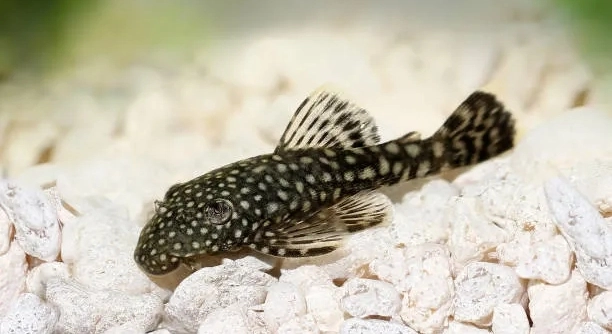
Have you recently added a pleco to your aquarium and noticed it acting differently than expected? Adjusting to a new tank can be stressful for these fish, and their behavior may change during the first few days.
Helping plecos adjust to a new tank requires providing proper hiding spots, maintaining stable water parameters, offering a consistent diet, gradually introducing them to tankmates, and monitoring their behavior closely to reduce stress and encourage healthy adaptation.
Following these steps can make a noticeable difference in your pleco’s comfort, ensuring a smoother transition and a happier, healthier fish in its new environment.
Providing Hiding Spots
Plecos are naturally shy and need secure places to feel safe in a new tank. Adding caves, driftwood, or PVC tubes gives them spaces to retreat when stressed. Without hiding spots, plecos may hide constantly or refuse to eat, which can affect their health. Observing their behavior will help you see which areas they prefer. Ensure the hiding spaces are stable and won’t collapse, and consider multiple options so they can choose. Plants can also help, especially broad-leafed or floating varieties that create shaded areas. Some plecos prefer darker, tighter spaces, while others like open hiding spots under decorations. Keeping these areas clean is important because debris or uneaten food can quickly accumulate, causing water issues. Rotating hiding spots occasionally can help reduce boredom. It’s important to balance accessibility with security so the pleco feels comfortable exploring but can retreat quickly if stressed.
Offering a variety of secure hiding spots reduces stress and encourages plecos to explore their tank confidently.
Plecos naturally seek cover during adjustment periods, so providing multiple, clean, and stable hiding areas is crucial. Driftwood not only offers shelter but also a surface for algae growth, which plecos enjoy eating. Broad-leafed plants can give additional shade and reduce stress, and careful placement ensures the tank looks natural while serving the pleco’s comfort. Observing which spots are preferred helps in arranging decorations effectively. Keeping hiding areas clean and stable supports overall tank health.
Maintaining Stable Water Conditions
Stable water conditions are essential for plecos to adjust. Frequent changes or extreme fluctuations can cause stress and illness.
Plecos are sensitive to temperature, pH, and ammonia levels. Regular testing and consistent maintenance help them thrive.
Monitoring water quality closely during the first weeks ensures the pleco adapts safely. Temperature should remain within their preferred range, usually 72–82°F, and pH levels should be steady, typically between 6.5 and 7.5. Sudden changes in these parameters can trigger hiding, loss of appetite, or unusual behavior. Filtration and partial water changes are important, but avoid drastic cleaning that removes beneficial bacteria. Using a thermometer, test kits, and a reliable filter will support stability. Additionally, acclimating the pleco slowly to its new tank by gradually mixing tank water with the bag water can reduce shock. Keeping conditions predictable, while providing hiding spaces and observing behavior, helps your pleco feel secure and begin feeding regularly. Consistent water maintenance ensures long-term health.
Offering a Balanced Diet
Plecos need a mix of vegetables, algae, and protein to stay healthy. Feeding too much or too little can affect their adjustment and overall wellbeing.
Providing a varied diet helps plecos feel secure and encourages regular eating. Fresh vegetables like zucchini, cucumber, and spinach are ideal. Algae wafers supply essential nutrients, while occasional protein from shrimp or bloodworms adds variety. Avoid overfeeding, as uneaten food can pollute the tank and stress the fish. Feeding small portions once or twice daily allows plecos to gradually explore and accept new food sources. Observing their preferences helps fine-tune feeding routines. A balanced diet supports digestion, energy, and growth.
A consistent feeding schedule and variety of foods promote adaptation. Plecos gradually explore new food and feel more comfortable in the tank, which reduces stress and encourages normal behavior.
Gradual Introduction to Tankmates
Slowly introducing plecos to existing fish prevents aggressive encounters and stress. Keeping interactions minimal at first helps them acclimate safely.
Separating the pleco with a divider or quarantining new tankmates for a few days reduces tension. Observe their behavior for signs of aggression or stress. Gradual exposure lets the pleco adjust at its own pace, building confidence. Avoid overcrowding, as this increases competition and territorial disputes. Respecting each fish’s space ensures smoother interactions. Tank decorations and hiding spots give plecos safe zones during introductions. Maintaining calm water conditions and monitoring feeding helps reduce conflicts. Gradual acclimation supports a stable, peaceful community tank and keeps all fish healthy.
Patience during introductions allows plecos to integrate without stress, promoting harmony. Observing reactions and providing personal space reduces conflict and supports long-term health.
Monitoring Behavior
Watching your pleco’s behavior helps identify stress or illness early. Changes in activity or appetite can signal adjustment issues.
Regular observation allows you to notice if your pleco is hiding too much, refusing food, or swimming unusually. Early detection helps prevent health problems and ensures the fish adapts comfortably to its new environment.
Maintaining Clean Tank Conditions
Keeping the tank clean reduces stress and promotes health. Uneaten food and waste can quickly affect water quality. Regular partial water changes, vacuuming the substrate, and filter maintenance are essential. Clean tanks prevent ammonia and nitrate spikes, which are harmful. Stable water conditions support immune function and encourage plecos to explore their environment, eat normally, and reduce hiding. Proper cleaning routines also help maintain a balanced ecosystem for plants and other fish. A well-kept tank ensures your pleco feels safe and allows its natural behaviors to emerge, supporting long-term health and growth.
Providing Comfortable Lighting
Soft, natural lighting helps plecos feel secure and reduces stress. Bright lights may cause hiding or inactivity.
FAQ
How often should I feed my pleco in a new tank?
When a pleco is adjusting, feed small amounts once or twice daily. Offer a mix of vegetables, algae wafers, and occasional protein. Overfeeding can cause water issues and stress the fish. Observe which foods your pleco prefers and adjust portions accordingly. Consistency helps them settle and feel secure.
What is the best way to acclimate a pleco to tankmates?
Introduce plecos slowly to existing fish. Use a divider or quarantine new fish for a few days. Provide hiding spots and monitor behavior closely. Avoid overcrowding, as it increases stress and territorial disputes. Gradual exposure lets plecos explore at their own pace while minimizing conflicts.
Why is hiding behavior important?
Hiding is natural for plecos, especially in a new tank. Secure spots help them feel safe and reduce stress. Caves, driftwood, and plants create shaded areas. Multiple hiding spaces let the pleco choose a comfortable location, supporting normal activity and eating habits.
How can I tell if water conditions are right?
Plecos are sensitive to temperature, pH, and ammonia levels. Use a thermometer and test kits to monitor stability. Temperature should remain between 72–82°F, and pH around 6.5–7.5. Avoid sudden fluctuations. Proper filtration, partial water changes, and stable parameters reduce stress and support immune function.
Is lighting important for plecos?
Soft, natural lighting is best. Bright or constant lights can cause hiding or inactivity. Providing shaded areas or dim lighting periods helps plecos feel secure. Plants and decorations also diffuse light, creating a comfortable environment for exploration and feeding.
How long does it take for a pleco to adjust?
Adjustment varies by species and individual fish, usually taking a few days to a couple of weeks. Monitoring behavior, feeding habits, and interaction with tankmates helps track progress. Maintaining stable water, consistent feeding, and secure hiding spots accelerates the adaptation process.
Can plecos be stressed by frequent tank changes?
Yes. Frequent rearrangements, water changes, or sudden environmental shifts increase stress. Partial water changes and careful maintenance are preferred. Avoid moving decorations or altering tankmates suddenly. Stable conditions and minimal disturbances promote confidence and normal behavior.
What foods should I avoid?
Avoid overfeeding processed foods or items high in fat. Some plecos may reject certain foods, so monitor intake. Uneaten food can degrade water quality, causing stress or illness. Stick to fresh vegetables, algae wafers, and occasional protein sources, feeding in small amounts.
How do I know if my pleco is healthy?
Healthy plecos are active at night, explore their environment, and eat regularly. Skin and fins should look intact, without lesions or discoloration. Normal breathing, steady swimming, and interaction with tank elements indicate comfort. Any persistent hiding, loss of appetite, or abnormal swimming requires attention.
Can tank decorations affect pleco adjustment?
Yes. Decorations provide hiding spots, surfaces for algae, and shading. Proper placement creates a safe environment and encourages exploration. Avoid overcrowding or unstable items that can injure the fish. Multiple hiding areas reduce stress and help plecos feel secure while adjusting.
Are water changes necessary during adjustment?
Partial water changes help maintain quality but avoid drastic changes. Large water replacements can shock sensitive plecos. Small, regular changes, combined with monitoring ammonia and nitrate levels, support a healthy environment. Consistent water quality reduces stress and encourages normal feeding behavior.
What is the role of driftwood in a pleco tank?
Driftwood provides hiding spaces, surfaces for algae growth, and natural texture. Many plecos also graze on driftwood, aiding digestion. Ensure pieces are secure and cleaned before placement. Driftwood supports comfort, feeding habits, and reduces stress during the adjustment period.
How do I manage aggression from other fish?
Provide hiding spaces and monitor interactions closely. Avoid overcrowding and remove aggressive fish if necessary. Gradual introduction reduces conflicts. Plecos usually adjust when they have secure areas and enough room to explore without being chased.
Can plecos adapt to artificial lighting?
Yes, but dim or timed lighting works best. Sudden, bright lights can increase stress. Combine natural light simulation with shaded areas or plants to create a safe environment. Gradual exposure helps plecos adjust without disrupting normal behavior or feeding patterns.
What signs indicate my pleco is fully adjusted?
A fully adjusted pleco eats consistently, explores the tank, and uses hiding spots comfortably. It shows normal swimming, interacts with tank elements, and responds to environmental changes without stress. Regular observation ensures any minor issues are addressed before they escalate.
How often should I monitor water quality during adjustment?
Daily testing of temperature, pH, ammonia, and nitrite is recommended during the first two weeks. Observing behavior alongside water tests helps identify problems early. Gradually, checks can be spaced out once stability is established, keeping conditions safe and stress-free.
Is it necessary to provide multiple hiding spots?
Yes. Multiple options allow plecos to choose their preferred spot and reduce territorial disputes. Different sizes and locations encourage exploration and support natural behavior. Clean and stable hiding spaces help plecos feel safe and comfortable throughout adjustment.
Can stress affect a pleco’s appetite?
Yes. Stress often causes plecos to hide and refuse food. Maintaining stable water conditions, hiding spots, and a consistent feeding routine reduces stress. Gradual acclimation helps restore appetite and encourages normal eating behavior.
Are plecos nocturnal during adjustment?
Most plecos are naturally nocturnal, becoming more active at night. Observing them during evening hours shows normal behavior. Providing shaded areas during the day and soft lighting helps support their natural rhythm and reduces stress.
Do plecos need supplements during adjustment?
Supplements are usually unnecessary if the diet includes vegetables, algae, and occasional protein. Some species benefit from extra calcium or plant-based nutrients. Feeding a balanced, varied diet supports growth, digestion, and overall health, reducing the risk of adjustment-related stress.
How do I prevent diseases during adjustment?
Maintaining stable water conditions, proper feeding, clean tanks, and observing behavior early are key. Quarantining new fish and avoiding sudden environmental changes reduce infection risks. Prompt attention to abnormal behavior prevents minor issues from developing into disease.
What should I do if my pleco refuses to eat?
Offer a variety of foods, including fresh vegetables, algae wafers, and occasional protein. Ensure water parameters are stable and hiding spots are available. Gradually adjust feeding times and portions, observing preferences until the pleco resumes normal eating.
Can tank size impact pleco adjustment?
Yes. Adequate space reduces stress and allows normal swimming, grazing, and exploration. Overcrowded tanks increase competition and hiding behavior. Providing enough room, combined with proper water quality and hiding spots, supports smoother adjustment and long-term health.
How can I track progress during the adjustment period?
Note behavior, feeding patterns, and interaction with tankmates daily. Monitor water quality and hiding habits. Recording changes helps identify stress or improvement, allowing you to adjust care routines. Consistent observation ensures the pleco adapts safely and comfortably to its new environment.
Are some pleco species harder to adjust than others?
Yes. Some species are more sensitive to water changes, diet, or social interactions. Researching species-specific needs helps provide ideal conditions, including temperature, hiding spots, and food preferences, ensuring smoother adjustment and reduced stress.
What role do plants play in pleco adjustment?
Plants provide shade, reduce light intensity, and create natural hiding spots. Floating or broad-leafed plants diffuse light and add security. Clean plants and proper placement support exploration, reduce stress, and encourage normal feeding behavior, helping plecos settle comfortably in their new tank.
How long should I keep up close monitoring?
Intensive observation is most important during the first two weeks. Watch feeding, hiding, swimming patterns, and interactions. After this period, if behavior is normal and water stable, monitoring can become routine. Early attention ensures any issues are addressed quickly, preventing stress or illness.
Can plecos be stressed by loud noises or vibrations?
Yes. Sudden noises or constant vibrations can cause hiding and reduce activity. Placing the tank in a quiet, stable area minimizes stress. Gentle, consistent conditions support normal behavior and help plecos feel safe during adjustment.
How do I know if my pleco is comfortable exploring?
A comfortable pleco will swim around the tank, graze on algae, and use hiding spots without prolonged hiding. Regular, calm exploration indicates confidence and adaptation, showing that water conditions, diet, and tank setup meet their needs.
Should I separate the pleco if it seems stressed?
Temporary separation may help if aggression occurs or stress persists. Use a divider or quarantine tank while maintaining proper water conditions. Gradually reintroduce the pleco once it shows confidence and normal behavior, ensuring minimal disruption and a smoother adjustment.
Can plecos tolerate different water types during adjustment?
Plecos generally prefer stable soft to moderately hard water, with neutral to slightly acidic pH. Sudden shifts between water types can cause stress. Gradual acclimation to new water conditions is essential, supporting health and feeding during the adjustment period.
Are there signs that indicate I need to consult a vet?
Persistent hiding, refusal to eat, abnormal swimming, discoloration, or visible injuries indicate possible illness. Consulting an aquatic veterinarian ensures timely diagnosis and treatment. Early intervention prevents complications and supports long-term health and comfort.
Do plecos interact with their environment during adjustment?
Yes. Exploring decorations, grazing on algae, and using hiding spots are natural behaviors. Encouraging interaction by providing driftwood, plants, and secure areas supports adaptation and reduces stress while promoting normal activity and feeding patterns.
Is it normal for plecos to hide most of the day?
Yes, during early adjustment plecos may remain hidden. Providing multiple hiding spots and dim lighting helps them feel secure. Over time, as stress decreases, they become more active, exploring and feeding throughout the tank.
How can I reduce stress during tank maintenance?
Perform partial water changes, avoid sudden rearrangements, and handle decorations gently. Maintain stable temperature, pH, and filtration. Clean efficiently without removing all beneficial bacteria. Reducing disturbances and creating predictable routines helps plecos feel safe during maintenance tasks.
What is the ideal temperature range for adjustment?
Most plecos thrive between 72–82°F. Maintaining a stable temperature reduces stress and encourages normal behavior, feeding, and exploration. Sudden fluctuations can cause hiding or refusal to eat. Using a reliable heater and thermometer ensures a consistent environment for the pleco.
Can plecos adapt to different tank sizes gradually?
Yes, but provide enough space initially. Gradual introduction to larger tanks allows exploration without stress. Ensure hiding spots, stable water parameters, and proper diet accompany the transition to support health, confidence, and normal activity patterns.
Do plecos need extra care at night?
They are naturally nocturnal, so low lighting at night helps maintain their rhythm. Minimal disturbances and consistent feeding schedules during the day support nighttime activity. Observing them in the evening shows normal behavior and ensures they are adjusting well.
How long should I expect adjustment challenges to last?
Most plecos settle within one to three weeks, depending on species and tank conditions. Maintaining hiding spots, stable water, consistent feeding, and gradual interactions ensures a smoother, healthier adjustment period for the fish.
Final Thoughts
Adjusting a pleco to a new tank can take patience and careful attention, but the effort is worth it for the health and wellbeing of your fish. Plecos are naturally shy and sensitive, and they respond strongly to changes in their environment. By providing hiding spots, maintaining stable water conditions, offering a balanced diet, and observing behavior closely, you give them the best chance to settle comfortably. Each pleco is different, and some may take longer to feel secure than others. Noticing how your pleco interacts with its surroundings helps you understand what it needs, whether it’s more hiding spaces, a slightly different diet, or calmer interactions with other fish. Regular monitoring during the first few weeks is essential, and small adjustments to tank conditions can make a significant difference in reducing stress and encouraging normal activity.
Creating a stable environment goes beyond just the physical setup. Water parameters, including temperature, pH, and filtration, play a major role in how well plecos adjust. Sudden changes or poor water quality can cause stress, hide-and-seek behavior, or loss of appetite, which can quickly affect health. Keeping water conditions consistent and performing regular, careful maintenance ensures a safe and comfortable habitat. Decorations and plants not only provide visual interest but also serve as essential hiding spots and surfaces for grazing. Driftwood, caves, and plants can create natural areas where plecos feel secure. Soft lighting and quiet surroundings further reduce stress, allowing the fish to explore and feed when it feels safe. The combination of proper hiding spots, calm lighting, and stable water parameters forms the foundation for a smooth adjustment period.
Feeding routines and diet also play an important role in helping plecos adapt. Offering a variety of vegetables, algae, and occasional protein keeps them healthy and encourages regular eating. Observing preferences allows you to adjust meals to match what your pleco is comfortable consuming. Gradual introductions to tankmates and careful attention to behavior prevent conflicts and further reduce stress. Every small effort—from monitoring water quality to arranging secure hiding spots—adds up and creates a more comfortable environment. Over time, plecos will begin to explore, feed regularly, and interact with their tank naturally. The adjustment process may require patience, but it ultimately supports long-term health and a happier, more confident fish in its new home.

Hello,
If you enjoy the content that we create, please consider saying a "Thank You!" by leaving a tip.
Every little bit helps us continue crafting quality advice that supports the health, happiness, and well-being of pets around the world, for pets of all shapes, sizes, and species.
We really appreciate the kindness and support that you show us!