
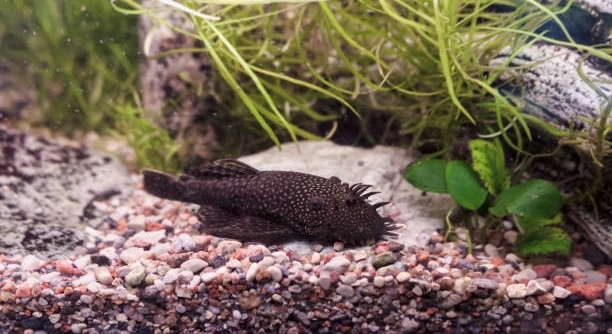
Have you ever noticed your bristlenose pleco resting in one spot for hours while the water swirls around it? These small catfish have unique habits that make them interesting additions to freshwater aquariums. Watching them closely can be rewarding.
Bristlenose plecos generally prefer moderate water flow rather than strong currents. Excessive currents can stress them and make it difficult for them to graze on surfaces. Maintaining a gentle to moderate flow supports their natural behavior and overall health.
Knowing the right current level can improve your pleco’s comfort and tank environment. Small adjustments can make a noticeable difference in their daily activity and well-being.
Understanding Bristlenose Plecos and Their Environment
Bristlenose plecos are freshwater fish that naturally live in slow-moving rivers and streams. They spend most of their time near surfaces, grazing on algae and biofilm. In aquariums, they feel most comfortable when there is a balance between water flow and calm areas. Too much current can tire them out, making it harder for them to feed properly. Hiding spots like caves or driftwood give them shelter, helping reduce stress and mimicking their natural habitat. Lighting also affects their activity; brighter light encourages algae growth, which they rely on. Observing their behavior can tell you a lot about how comfortable they are. Plecos are nocturnal by nature, often being more active during the night or in dimly lit conditions. Providing a consistent water temperature between 72°F and 78°F ensures they remain healthy. Paying attention to these details will make a noticeable difference in their behavior and overall tank balance.
Maintaining proper water flow improves their grazing and reduces stress. They thrive in gentle to moderate currents.
By arranging driftwood, plants, and rocks strategically, you can create zones of slower water where plecos can rest. It also encourages natural behaviors like scraping algae from surfaces. Moderate filtration ensures debris is removed without producing overly strong currents. Observing how plecos navigate your tank can help you adjust equipment placement. Sometimes, simply adjusting the filter output or adding baffles can improve their comfort. Over time, plecos may show clear preferences for certain areas, signaling where the current is suitable. Feeding them algae wafers supplements natural grazing, especially if the tank does not produce enough algae. A well-structured tank enhances both the fish’s health and your enjoyment of observing them. With small adjustments, you can support their natural habits while keeping the tank visually appealing and functional for all inhabitants.
Signs Your Pleco Is Struggling with Strong Current
If your bristlenose pleco spends most of its time clinging to surfaces or hiding, it may be stressed by strong water flow.
Bristlenose plecos show clear signs when the current is too strong. They may avoid open areas, remain in corners, or struggle to graze efficiently. Prolonged exposure can lead to stress, loss of appetite, or weaker immune responses, making them more susceptible to disease. Adjusting the flow gradually and providing sheltered areas helps them recover. By monitoring their behavior closely, you can identify which spots they prefer and adjust filtration or decorations accordingly. Ensuring moderate currents also allows other tank fish to thrive without disruption. Observing and responding to these signs supports their health, reduces stress, and maintains a balanced aquarium environment. Small changes in water flow can significantly improve their activity levels and comfort, allowing them to display natural behaviors like scraping surfaces and exploring their surroundings safely. Over time, you will notice a calmer, more active pleco that integrates well with other tank inhabitants.
Adjusting Aquarium Flow for Plecos
Even small changes to filter output can make a big difference for plecos. Reducing flow near resting areas and creating calmer spots with decorations helps them stay comfortable while still keeping the water clean.
Using rocks, driftwood, and plants to break the current creates zones where plecos can graze without fighting strong flow. Filters often produce concentrated streams that stress these fish, so redirecting output or using a spray bar can soften the water movement. Plecos will naturally gravitate toward these calmer areas, allowing them to feed efficiently and rest. Consistent observation is key, as each fish may have slightly different preferences, and adjusting gradually prevents sudden stress.
Strong currents can interfere with their feeding habits, making it hard to scrape algae or consume prepared wafers. By balancing flow and creating slow zones, you encourage natural behavior while maintaining water quality. Moderate currents also prevent debris from settling excessively without overexerting the pleco.
Tools and Techniques to Control Current
Baffles, spray bars, and sponge filters are effective ways to control water movement. These tools help create a more natural, manageable environment.
Baffles placed over filter outputs diffuse strong streams, making the water gentler near surfaces where plecos rest and graze. Spray bars spread the flow across a wider area, reducing high-velocity zones. Sponge filters provide oxygenation and circulation without producing a forceful current. Combining these techniques allows precise control over water movement in the tank. Regular testing of flow patterns ensures that plecos can access both feeding and hiding spots comfortably. These adjustments can be small but have a noticeable effect on their well-being, reducing stress and encouraging activity. Observing pleco behavior after changes helps fine-tune placement and filter settings. Consistent maintenance of these tools keeps currents stable, supporting both plecos and other fish.
Common Mistakes in Managing Current
Many aquariums have filters that are too strong for plecos, pushing them into corners and stressing them. Adjusting flow early prevents long-term problems.
Placing plecos in tanks without calm zones or hiding spots forces them to fight the current constantly. This can reduce feeding efficiency and cause fatigue.
Observing Pleco Behavior
Bristlenose plecos often reveal their comfort level through activity patterns. Resting in calm areas and actively grazing shows proper flow, while clinging to surfaces or hiding signals too much current. Observing these signs allows precise adjustments.
Balancing Tank Needs
Tank mates, plants, and filtration all affect current distribution. Creating calm areas benefits plecos without compromising overall water circulation.
FAQ
Do bristlenose plecos need a strong current to stay healthy?
Bristlenose plecos do not require strong currents to be healthy. They naturally inhabit slow-moving rivers and prefer gentle to moderate water flow. Strong currents can stress them, making it difficult to feed and rest properly. Moderate currents are enough to keep water oxygenated and clean while allowing plecos to display natural behaviors.
Can plecos survive in tanks with high flow filters?
Yes, but only if modifications are made. High flow filters can create areas that are too strong for plecos to navigate comfortably. Redirecting the output, adding baffles, or using spray bars can diffuse the water flow. Creating calmer zones near surfaces and hiding spots allows plecos to rest and feed efficiently. Without these adjustments, prolonged exposure can lead to fatigue, stress, and reduced feeding efficiency.
How can I tell if my pleco is stressed by current?
Stress from strong currents is visible in pleco behavior. If your pleco clings tightly to surfaces, stays in corners, or hides constantly, it may be struggling with water flow. Reduced appetite or irregular grazing patterns are additional signs. Adjusting flow gradually and monitoring behavior will help you identify the best conditions for comfort and feeding.
Are there tools to help control aquarium current?
Yes, there are multiple tools to control water flow. Spray bars, baffles, and sponge filters are effective at reducing strong currents. Spray bars disperse water across a wider area, while baffles diffuse concentrated streams from filters. Sponge filters generate gentle flow and oxygenation without creating forceful currents. Using a combination of these tools can provide precise control over water movement and create safe zones for plecos.
Should plecos have hiding spots to avoid strong currents?
Absolutely. Hiding spots like caves, driftwood, and dense plants are essential in aquariums with moderate to strong currents. Plecos naturally seek shelter in slow-moving or protected areas. These zones reduce stress, provide rest, and allow them to graze at their own pace. Observing where plecos choose to hide can also guide adjustments to current and tank layout.
Does current affect pleco feeding habits?
Yes, current directly impacts feeding. Strong currents make it difficult for plecos to scrape algae from surfaces or consume prepared foods like wafers. Calmer areas enable natural grazing and ensure that they get enough nutrition. Balancing water flow while providing feeding zones supports their health and keeps them active.
Can tank decorations help with water flow issues?
Decorations are very effective at managing flow. Rocks, driftwood, and plants break up strong currents and create calmer pockets for resting and feeding. Arranging decorations strategically can reduce fatigue, encourage natural behaviors, and make the tank visually interesting. Plecos will naturally explore these areas, giving them safe spaces to navigate while still benefiting from overall circulation.
How often should I monitor pleco behavior related to current?
Regular observation is key. Daily or every-other-day checks allow you to notice changes in resting spots, feeding efficiency, and overall activity. Early detection of stress helps prevent long-term health issues. Monitoring behavior alongside tank adjustments ensures plecos remain comfortable and active in their environment.
Is it okay to have some strong current in the tank?
Yes, but it should not dominate the tank. Strong current areas can be tolerated for brief swimming or oxygenation, but plecos need calm zones to rest and feed. Balancing flow throughout the tank ensures all inhabitants, including plecos, can thrive without unnecessary stress.
What is the ideal flow for bristlenose plecos?
Ideal flow is gentle to moderate, enough to circulate water and maintain oxygen levels without forcing plecos to fight the current constantly. Observing their behavior—active grazing, relaxed resting, and exploration—helps determine if the flow is appropriate. Adjust gradually and use decorations or filter modifications to maintain comfort.
This FAQ provides practical guidance on managing bristlenose plecos in varying current conditions. Observing their behavior, adjusting water flow, and creating calm areas ensures healthy, active fish that display natural habits while maintaining a well-balanced aquarium.
Bristlenose plecos are unique fish that show a lot through their behavior. Watching them interact with the environment helps you understand their preferences and comfort levels. They naturally live in slow-moving waters, so replicating that in your aquarium is important for their health. Strong currents can tire them out and make feeding difficult. Providing calm zones with driftwood, plants, and rocks lets them rest and graze without stress. Observing where they spend most of their time in the tank can tell you a lot about how the water flow affects them. Over time, small adjustments to filter output or decoration placement can make a big difference in their well-being. It’s not just about keeping the water moving; it’s about creating a balanced environment that supports natural behaviors and keeps the fish active and healthy.
Adjusting the current in the tank is easier than it may seem. Tools like spray bars, baffles, and sponge filters can reduce strong streams and create slower areas where plecos can feed comfortably. Even minor changes, like redirecting a filter output or moving decorations, can improve their daily experience. It is important to be patient and observe the plecos as you make adjustments. Every fish is slightly different, and some may prefer slightly stronger or weaker currents than others. By paying attention to their resting and feeding habits, you can ensure the environment suits their needs. The goal is to maintain gentle to moderate water flow that circulates water effectively while giving plecos control over where they spend their time. This balance is key to a healthy and stress-free aquarium.
Maintaining the right current also benefits other fish in the tank. Proper circulation ensures oxygen reaches all areas, removes debris, and keeps water clean without overwhelming slower-moving species like plecos. Combining adequate flow with hiding spots and grazing areas supports a healthy ecosystem in the tank. Plecos will thrive when they have access to both calm and flowing water, allowing them to display natural behaviors like scraping surfaces and exploring. Monitoring their activity over time helps you fine-tune the tank conditions and identify potential issues early. By providing the right environment, you not only keep your bristlenose pleco comfortable but also support the overall balance of your aquarium. A few simple adjustments can create a space where plecos and other fish live actively, safely, and with minimal stress.

Hello,
If you enjoy the content that we create, please consider saying a "Thank You!" by leaving a tip.
Every little bit helps us continue crafting quality advice that supports the health, happiness, and well-being of pets around the world, for pets of all shapes, sizes, and species.
We really appreciate the kindness and support that you show us!