
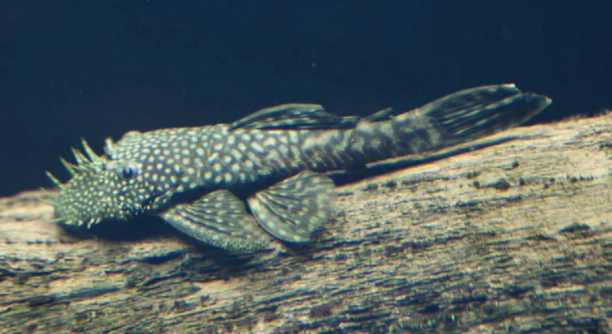
Keeping multiple plecos in the same tank can be a rewarding experience, but it comes with challenges. Many aquarists underestimate the importance of space, hiding spots, and diet management when housing these territorial fish together.
The most frequent mistakes when housing multiple plecos include overcrowding, insufficient hiding places, incompatible species combinations, poor water quality, unbalanced diets, improper tank maintenance, and neglecting territorial behavior. Each factor directly impacts the fish’s health and overall well-being.
Understanding these common pitfalls is essential for creating a harmonious tank environment. Proper planning and awareness can help ensure that your plecos thrive and coexist peacefully.
Overcrowding the Tank
Overcrowding is a common issue when keeping multiple plecos together. These fish grow larger than many expect, and a tank that seems spacious at first can quickly become cramped. Limited space increases stress levels, encourages aggression, and can lead to disease outbreaks. Each pleco needs its own territory, as these fish are naturally territorial and will defend their space aggressively. Without adequate room, dominant plecos may bully smaller ones, restricting access to food and hiding areas. Proper tank size is crucial, and adding too many plecos to a standard aquarium can create constant tension. In addition, overcrowding impacts water quality, as more fish produce more waste, which can overload filtration systems and destabilize the tank environment. Observing your plecos’ behavior and growth can help identify when space is becoming a problem, allowing for timely adjustments such as moving fish to a larger tank or reducing the number of tankmates.
A crowded tank can result in poor growth, illness, and stressed fish, making proper space management essential for healthy plecos.
Planning tank size around adult pleco dimensions and behavior ensures each fish has room to thrive. Regularly monitoring water parameters and observing interactions prevents long-term stress and promotes a balanced, peaceful aquarium environment.
Insufficient Hiding Places
Plecos need places to hide, rest, and feel secure.
Lack of hiding spots causes stress, territorial fights, and fatigue. Without caves, driftwood, or dense plant cover, plecos struggle to establish safe zones, affecting their feeding and overall health. Providing multiple hiding options reduces aggression and allows all fish to settle comfortably.
Different pleco species prefer specific hiding spaces. Some enjoy caves carved from rocks, while others favor driftwood or dense plant clusters. Ensuring a variety of hiding options across the tank helps satisfy territorial needs and mimics natural environments. These spaces also act as resting areas where plecos can retreat during the day, reducing constant exposure to bright light or activity. Overlapping territories become less of a problem when fish have secure retreats, decreasing aggression. Observing plecos’ behavior can indicate whether hiding spaces are adequate, such as fish consistently moving or competing over the same spots. By strategically placing multiple hides at different levels, aquarists can reduce stress, promote healthy growth, and maintain a peaceful tank.
Would you like me to continue with the next two mistakes in the same style?
Incompatible Species
Keeping plecos with aggressive or territorial tankmates often leads to injuries and stress. Choosing compatible species reduces conflict and allows plecos to feed and rest without constant harassment.
Some plecos may tolerate peaceful community fish, while others require species that occupy different tank levels. Aggressive tankmates, like certain cichlids or large barbs, can intimidate plecos, preventing them from accessing food or hiding spots. Stress from incompatible species can weaken the immune system, making plecos more vulnerable to disease. Observing interactions early helps identify conflicts. Adjusting tankmates or adding barriers and additional hides can reduce aggression. Maintaining a balance between bottom-dwelling plecos and mid- or top-dwelling fish ensures peaceful coexistence.
Even with compatible species, individual pleco temperaments differ. Some are naturally more assertive, claiming territory aggressively, while others are shy and easily stressed. Providing multiple hiding areas, visual breaks, and sufficient space allows all fish to maintain personal zones. Monitoring feeding times and behavior patterns helps prevent dominant plecos from monopolizing resources, ensuring equitable access. This careful management supports a healthier, more balanced tank where each fish can thrive without constant competition or stress.
Poor Water Quality
Dirty or unstable water conditions directly harm plecos, affecting growth, behavior, and overall health. Regular testing and maintenance are essential to prevent problems.
Plecos are sensitive to high ammonia, nitrite, and nitrate levels. Overfeeding, overcrowding, and insufficient filtration can quickly degrade water quality, stressing fish and leading to disease. Filtration systems must match the tank’s size and bio-load. Partial water changes, gravel cleaning, and monitoring chemical levels keep the environment stable. Temperature and pH consistency also matter, as sudden changes can shock plecos. Stress from poor water quality can suppress appetite, stunt growth, and trigger aggression.
Setting up a regular maintenance routine ensures plecos remain healthy. Frequent water testing, controlled feeding, and proper filtration prevent toxin buildup. Understanding each species’ ideal water parameters, including hardness and temperature range, supports natural behavior. Observing fish for signs of stress, such as hiding excessively, gasping, or unusual aggression, helps identify early water issues. Even small adjustments, like rearranging decor for better flow or increasing oxygenation, contribute to a healthier tank. Long-term attention to water quality is critical for thriving plecos and a peaceful aquarium environment.
Unbalanced Diet
Feeding plecos only one type of food can lead to malnutrition and poor health. A variety of vegetables, algae wafers, and occasional protein sources keeps them strong and active.
Neglecting dietary needs can cause slow growth, weakened immune systems, and dull coloration. Balanced feeding supports natural behavior and reduces aggression caused by hunger.
Improper Tank Maintenance
Regular tank cleaning is crucial. Removing waste, uneaten food, and debris prevents toxins from accumulating. Maintaining filters and monitoring water parameters ensures a stable, healthy environment for all plecos, reducing stress and illness over time.
Ignoring Territorial Behavior
Plecos need personal space to establish territories. Overlapping zones without sufficient hiding spots trigger fights and stress, making careful tank planning essential.
FAQ
How many plecos can I keep in one tank?
The number of plecos depends on tank size, species, and adult size. Larger species need more space, and each pleco requires its own territory. Overcrowding leads to stress, aggression, and poor water quality. A general rule is one pleco per 30–50 gallons, but always consider growth and behavior. Monitoring interactions and adjusting numbers or adding hides can prevent conflicts and promote healthy cohabitation.
What types of plecos are best kept together?
Peaceful, non-territorial species work best in shared tanks. Avoid pairing large or aggressive plecos with smaller, shy species. Bottom-dwelling fish that occupy similar levels may compete for food and space. Selecting species that differ in activity levels and preferred hiding areas reduces stress and prevents constant disputes.
How do I create enough hiding spots?
Provide caves, driftwood, and dense plants throughout the tank. Multiple hiding areas at different levels allow each pleco to claim a space. Natural decorations, like rock formations and PVC pipes, also work. Rotate or rearrange hides occasionally to keep fish engaged and reduce territorial fights. Watching behavior helps identify if hiding spaces are sufficient.
How often should I clean the tank?
Partial water changes of 20–30% every one to two weeks are recommended. Clean substrate to remove uneaten food and waste, and maintain filters regularly. Avoid over-cleaning beneficial bacteria, which helps maintain stable water chemistry. Consistency in maintenance keeps water parameters stable and reduces stress, preventing disease outbreaks.
What should I feed multiple plecos?
Offer a mix of algae wafers, fresh vegetables, and occasional protein sources. Feeding in several spots prevents dominant plecos from monopolizing food. Rotate vegetables like zucchini, cucumber, and spinach, and supplement occasionally with shrimp or bloodworms. Balanced feeding supports healthy growth, coloration, and natural behavior.
How do I prevent aggression among plecos?
Ensure adequate space, multiple hiding spots, and separate feeding areas. Observe which plecos are dominant and adjust tank decor to break line-of-sight conflicts. Avoid overcrowding and pair species carefully. Some aggression is natural, but minimizing stressors reduces serious injuries and promotes peaceful cohabitation.
What water parameters should I maintain?
Plecos thrive in stable water with pH between 6.5 and 7.5, moderate hardness, and temperatures between 72–82°F (22–28°C). Ammonia and nitrite should be zero, and nitrates below 20 ppm. Regular testing and water changes maintain these levels. Stability is more important than perfection, as sudden changes can stress fish.
How do I know if a pleco is stressed?
Signs include hiding excessively, refusing food, chasing tankmates aggressively, or showing damaged fins. Lethargy and pale coloration can also indicate stress. Identifying triggers—overcrowding, poor water, lack of hiding spots—helps correct the issue quickly and protect fish health.
Can plecos live with other bottom-dwelling fish?
Yes, if the species are compatible. Avoid overcrowding the bottom layer. Provide multiple hides and feeding areas to reduce competition. Careful observation of interactions is necessary, as territorial disputes can occur even among peaceful bottom dwellers.
Is it necessary to monitor pleco growth?
Yes. Rapid or stunted growth can indicate stress, poor diet, or water issues. Keeping track of size and behavior helps adjust tank conditions and feeding, ensuring plecos remain healthy and can coexist peacefully over time.
This FAQ addresses the main concerns of housing multiple plecos together and provides practical solutions for creating a balanced, healthy aquarium environment.
Final Thoughts
Housing multiple plecos can be rewarding, but it requires careful planning and attention to their needs. These fish are territorial by nature, and even peaceful species can become aggressive if their environment is not well managed. Proper tank size is essential to allow each pleco to claim a space and avoid constant conflict. Overcrowding leads to stress, injuries, and poor water quality, all of which can impact their health. By understanding the adult size of your plecos and giving each fish enough room, you create a more balanced and peaceful aquarium. Planning the tank setup ahead of time, including hiding spots, feeding areas, and decorations, helps reduce disputes and keeps the environment stable for everyone.
Water quality is another key factor that should never be overlooked. Plecos are sensitive to changes in water chemistry, and poor water conditions can quickly lead to illness. Regular testing of ammonia, nitrite, nitrate, and pH levels is crucial. Performing partial water changes and cleaning the substrate ensures that waste does not accumulate. Maintaining filters and checking that they are functioning properly keeps water clear and oxygenated. Clean water not only reduces stress but also supports natural behaviors like grazing and resting. When water quality is consistent, plecos are more likely to coexist peacefully and grow to their full potential.
Feeding and diet also play an important role in the health of multiple plecos. Offering a variety of foods, including algae wafers, vegetables, and occasional protein, ensures that all fish receive proper nutrition. Feeding in multiple locations helps prevent dominant plecos from monopolizing food. Providing multiple hiding places and observing interactions allows you to identify potential issues early, such as aggression or stress. By paying attention to their behavior, tank conditions, and diet, you can maintain a thriving group of plecos. Consistency, observation, and adjustments based on the fish’s needs are the most effective ways to ensure a harmonious tank where all plecos remain healthy and active.

Hello,
If you enjoy the content that we create, please consider saying a "Thank You!" by leaving a tip.
Every little bit helps us continue crafting quality advice that supports the health, happiness, and well-being of pets around the world, for pets of all shapes, sizes, and species.
We really appreciate the kindness and support that you show us!