
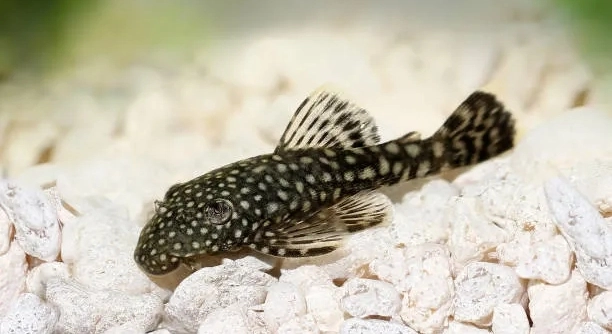
Is your pleco acting differently than usual, hiding more than normal, or showing unusual movements in its tank? Observing these behaviors closely can help you understand when your fish feels stressed or unsafe in its environment.
Plecos display signs of feeling unsafe through behavioral cues such as excessive hiding, sudden bursts of swimming, reduced feeding, or staying motionless near the bottom. Recognizing these indicators allows owners to adjust tank conditions and reduce stress effectively.
Monitoring these behaviors carefully will help ensure your pleco feels secure, creating a healthier and more comfortable environment for your aquatic companion.
Excessive Hiding
When a pleco feels unsafe, it often seeks out hiding spots more than usual. You may notice it staying under decorations, inside caves, or behind plants for long periods. While plecos naturally enjoy hiding sometimes, a sudden increase can indicate stress. Changes in the tank, new tankmates, or disturbances in the surrounding environment can trigger this behavior. Observing the frequency and duration of hiding can help you identify when your pleco is uncomfortable.
Hiding excessively is a key sign your pleco is stressed or fearful.
Providing adequate shelter and minimizing disturbances can help your pleco feel secure. Adjusting lighting, rearranging decorations, and giving it quiet periods can reduce stress and encourage normal behavior, helping your fish regain comfort in its habitat.
Rapid or Erratic Swimming
Rapid or erratic swimming is often a response to feeling threatened. Plecos may dart suddenly across the tank or collide with surfaces. This behavior can be triggered by sudden movements outside the tank, aggressive tankmates, or poor water conditions. Observing the pattern of movement is important to distinguish between normal activity and stress-induced swimming.
Erratic swimming signals that your pleco feels insecure.
Consistent monitoring of water parameters and tank conditions can prevent stress-related behaviors. Ensuring proper filtration, stable temperatures, and sufficient hiding places reduces anxiety. Removing overly aggressive tankmates or minimizing disturbances can also calm your pleco. Over time, maintaining a stable environment encourages regular activity, feeding, and healthy interaction with its habitat.
Loss of Appetite
A pleco that suddenly stops eating may be stressed or feel unsafe in its environment.
Loss of appetite can result from water quality issues, overcrowding, or aggressive tankmates. Stress suppresses normal feeding behavior, and plecos may retreat to hiding spots instead of searching for food. Observing feeding times and noting any changes can help identify the source of discomfort. Adjusting diet, tank conditions, and reducing disturbances often restores normal eating patterns over time.
Changes in feeding habits are often accompanied by other stress behaviors. Monitoring overall behavior, water parameters, and interactions with other fish ensures that your pleco can return to healthy feeding routines and reduces prolonged periods of stress.
Clamped Fins
Clamped fins occur when a pleco holds its fins close to the body, a clear sign of discomfort or fear. Plecos may show this when water conditions are poor or when they sense aggressive neighbors nearby.
Maintaining optimal water parameters is essential. Temperature, pH, and cleanliness directly affect a pleco’s sense of security. Sudden changes or extreme fluctuations can trigger clamping. In addition, overcrowding or the presence of dominant fish can make plecos hold their fins tightly. Providing sufficient hiding spaces and stable conditions helps them relax.
Observation is key. Regularly checking fin condition, behavior patterns, and tank dynamics allows you to address stress factors promptly. By ensuring calm surroundings and appropriate tankmates, clamped fins often return to normal, reflecting a pleco that feels safe and secure in its environment.
Hiding in Unusual Spots
Plecos may choose unusual hiding spots when they feel unsafe, like near the filter or behind decorations they rarely use. These choices often indicate elevated stress levels.
Watching where your pleco hides can reveal patterns of discomfort. Frequent changes suggest that the tank environment may need adjustments for stability and safety.
Lethargy
Lethargy in plecos is a common stress response. They may remain motionless for long periods, avoiding normal swimming or interaction. Prolonged inactivity can signal poor water conditions, illness, or fear caused by aggressive tankmates. Regular observation helps detect this behavior early.
Scraping or Rubbing Against Surfaces
Plecos sometimes scrape or rub their bodies against tank surfaces when feeling unsafe. This behavior may indicate irritation, stress, or attempts to relieve discomfort caused by environmental factors or parasites.
Sudden Color Changes
Color changes can be subtle or pronounced when a pleco feels unsafe. Darkening or dulling of coloration often reflects stress or poor water quality. Monitoring color shifts helps identify underlying problems affecting your pleco’s comfort and health.
FAQ
How can I tell if my pleco is stressed?
Signs of stress in plecos include excessive hiding, clamped fins, loss of appetite, rapid or erratic swimming, scraping against surfaces, and sudden color changes. Observing patterns and frequency of these behaviors helps determine if your pleco is uncomfortable. Changes in water quality, aggressive tankmates, or environmental disturbances are common causes. Regular monitoring and maintaining a stable tank environment are key to preventing stress.
What should I do if my pleco stops eating?
Loss of appetite is a strong indicator that your pleco feels unsafe. Check water parameters such as temperature, pH, and ammonia levels. Ensure tankmates are not aggressive and provide adequate hiding spots. Offering a variety of foods like algae wafers, vegetables, or driftwood can encourage feeding. Small, frequent feedings may also help. Stress reduction through a calm environment often restores normal eating habits.
Why is my pleco hiding all the time?
Plecos hide naturally, but prolonged or excessive hiding suggests insecurity. It may be reacting to sudden movements, tank rearrangements, or new tankmates. Ensure there are enough caves and plants for shelter. Minimizing disturbances, maintaining water quality, and observing interactions with other fish can make your pleco feel more secure.
What causes clamped fins in plecos?
Clamped fins occur when a pleco keeps its fins close to its body, often due to stress, poor water conditions, or aggressive tankmates. Stabilizing water parameters, providing ample hiding spots, and removing overly aggressive fish can help your pleco relax and restore normal fin posture.
Is erratic swimming dangerous for plecos?
Erratic swimming is usually a stress response. It can lead to injury if your pleco collides with tank decorations or the glass. Identifying the cause, such as sudden disturbances, water issues, or overcrowding, and correcting it helps reduce these risky behaviors. Calm, stable conditions are essential.
How do water conditions affect my pleco’s behavior?
Plecos are sensitive to changes in temperature, pH, ammonia, nitrites, and nitrates. Even small fluctuations can cause hiding, lethargy, or color changes. Regular testing, consistent maintenance, and gradual adjustments when necessary create a safer environment and reduce stress responses.
Can tankmates make my pleco feel unsafe?
Yes, aggressive or overly active tankmates can intimidate plecos, causing hiding, clamped fins, or loss of appetite. Observing interactions and separating incompatible species or providing additional hiding spaces can reduce stress and promote healthy behavior.
Why does my pleco scrape against surfaces?
Scraping may indicate irritation, stress, or parasites. Checking water quality, inspecting for skin damage, and ensuring there are no sharp decorations can reduce this behavior. Providing smooth surfaces and stable conditions allows your pleco to feel safer and healthier.
How long does it take for a stressed pleco to recover?
Recovery depends on the source of stress and how quickly it is addressed. Minor issues may resolve in a few days, while chronic stress from poor water conditions or aggressive tankmates may take weeks. Consistency in environment, diet, and tank management is crucial.
Can I prevent stress in plecos?
Yes, by maintaining stable water conditions, providing sufficient hiding spots, minimizing disturbances, and monitoring tankmate interactions. Regular observation and early intervention help keep your pleco comfortable, healthy, and displaying normal behavior.
Are color changes normal for plecos?
Plecos may darken or dull in response to stress, illness, or poor water conditions. Occasional, subtle shifts are normal, but sudden or extreme changes indicate that your pleco feels unsafe or unwell. Correcting environmental factors usually restores normal coloration.
How often should I check on my pleco’s behavior?
Daily observation is ideal to catch early signs of stress. Noting feeding habits, swimming patterns, hiding behavior, and color changes helps maintain a safe, comfortable environment and prevents long-term issues.
What role does tank setup play in pleco safety?
A well-structured tank with hiding places, smooth surfaces, and stable water conditions helps plecos feel secure. Proper filtration, lighting, and temperature regulation minimize stress. Regular cleaning and mindful arrangement of decorations create an environment where your pleco can thrive comfortably.
Can stress lead to illness in plecos?
Yes, prolonged stress weakens the immune system, making plecos more susceptible to infections, parasites, and fin rot. Addressing stress factors early and maintaining optimal tank conditions supports overall health and reduces the risk of disease.
How do I know if my pleco is comfortable again?
Signs of comfort include regular feeding, normal swimming patterns, relaxed fins, reduced hiding, and stable coloration. Consistent observation of these behaviors confirms that your pleco feels safe and secure in its environment.
This FAQ section covers the most common concerns and solutions for pleco stress, offering practical guidance to keep your fish healthy, secure, and happy.
Monitoring your pleco’s behavior is essential for maintaining a healthy and stress-free environment. Plecos may show subtle signs when they feel unsafe, such as hiding more than usual, clamped fins, loss of appetite, or changes in color. Observing these behaviors carefully allows you to respond promptly to their needs. Small adjustments in the tank, such as providing additional hiding spots, maintaining proper water conditions, and ensuring compatible tankmates, can make a significant difference in reducing stress. Paying attention to the patterns in your pleco’s behavior helps you understand when it feels secure and when it requires extra care.
Water quality plays a major role in a pleco’s sense of safety. Consistent monitoring of temperature, pH levels, ammonia, nitrites, and nitrates is crucial. Sudden changes or poor water conditions often trigger stress behaviors, including erratic swimming, lethargy, and scraping against surfaces. Regular maintenance, proper filtration, and stable water parameters create a comfortable environment that supports natural behavior. Alongside environmental factors, tankmates also influence a pleco’s well-being. Aggressive or overly active fish can make plecos feel threatened, causing them to hide or clamp their fins. Ensuring peaceful cohabitants and providing enough space for all tank inhabitants reduces tension and promotes a calm habitat.
Addressing stress early prevents long-term health issues and promotes overall well-being. Prolonged stress weakens the immune system, making plecos more susceptible to illness and reducing their natural activity. By observing changes in behavior, feeding patterns, and color, you can identify problems before they escalate. Providing stable conditions, sufficient hiding areas, and a quiet environment helps your pleco regain comfort and display normal behavior. Maintaining this level of care not only supports your pleco’s health but also strengthens your ability to notice subtle changes that indicate stress. Consistency, careful observation, and thoughtful adjustments ensure your pleco thrives and remains secure in its aquatic home.

Hello,
If you enjoy the content that we create, please consider saying a "Thank You!" by leaving a tip.
Every little bit helps us continue crafting quality advice that supports the health, happiness, and well-being of pets around the world, for pets of all shapes, sizes, and species.
We really appreciate the kindness and support that you show us!