
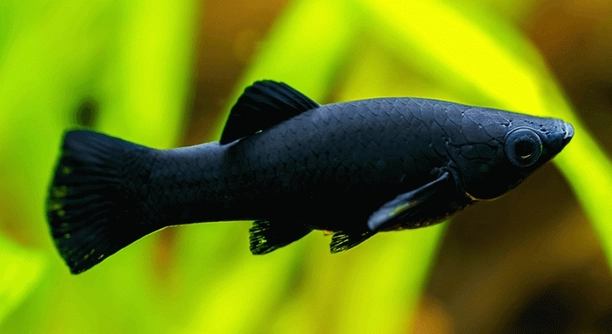
Black Mollies are popular freshwater fish known for their calm behavior and striking black coloration. Many aquarists notice their tendency to linger in certain areas of the tank, which can spark curiosity about their sleeping habits.
Black Mollies do not strictly sleep at the bottom of the tank. They typically rest near the middle or bottom levels, depending on water conditions, light, and tank environment, often seeking calm areas rather than a fixed location for sleep.
Observing where Black Mollies rest can help ensure their environment is comfortable and supportive of their natural behavior patterns.
Where Black Mollies Prefer to Rest
Black Mollies are not tied to one spot in the tank when they sleep. They often hover near plants, rocks, or other structures that give them a sense of safety. Some may drift closer to the bottom, while others stay mid-level, depending on how comfortable they feel. Tank conditions like water temperature, lighting, and current also influence their resting spots. In a well-maintained aquarium, they tend to choose quieter areas away from strong water flow or constant movement. Observing their patterns over time helps understand their preferences and allows for adjustments in tank setup to create a stress-free environment. Proper hiding spots and calm spaces encourage natural resting behaviors. Feeding schedules and tank activity can also impact where they sleep. Mollies adjust their position in response to perceived threats or changes, seeking areas where they feel secure while maintaining access to oxygen-rich water.
They often rest near structures, floating or mid-level plants, depending on comfort and tank conditions.
Creating a tank with varied hiding spots and gentle water flow supports their natural resting behavior and overall health.
Tank Conditions Affecting Sleep
Water quality is essential for restful sleep in Black Mollies. Poor filtration or irregular maintenance can disturb their rest. Temperature stability is equally important; fluctuations may cause stress, prompting the fish to move more and reduce resting time.
Proper lighting, combined with dark periods, helps establish a day-night cycle, promoting natural sleeping habits. Mollies benefit from dimmed lights or shaded areas during their rest phase. Uneven lighting or constant bright light can make them hover in unnatural positions, potentially causing fatigue. Regular water changes reduce ammonia and nitrite levels, ensuring a safe environment. Oxygenation also plays a role; low oxygen areas discourage resting and can affect their activity levels. Monitoring these factors closely ensures Black Mollies can rest naturally and reduces stress-related behaviors, such as excessive hiding or erratic swimming. A stable environment encourages predictable resting spots, making it easier to care for them while supporting their overall well-being. Observing these details allows adjustments that improve both sleep quality and daily behavior.
Nighttime Activity Patterns
Black Mollies are more active during the day and tend to slow down at night. They may drift slowly or hover near plants and decorations, conserving energy while staying alert to their surroundings.
During nighttime, their movements are gentle and deliberate. They often find a comfortable spot near mid-level or bottom areas, depending on how secure they feel. Strong water currents or bright lights can disrupt this resting period, causing them to shift positions frequently. Consistent feeding schedules and a stable tank environment encourage predictable nighttime behavior.
Some Black Mollies prefer floating near leaves or decorations, while others stay closer to the tank bottom. Providing varied resting spots allows each fish to choose where it feels safest, supporting natural behavior patterns and reducing stress.
Signs of Rest and Sleep
Black Mollies display subtle signs of rest, such as slower fin movement and occasional hovering. They remain alert but minimize activity, indicating a restful state.
Observing these signs helps identify if the fish are comfortable in their environment. If a fish constantly moves or hides, it may signal stress or unsuitable tank conditions. Quiet periods are important for their health, supporting growth, immunity, and general well-being. Providing shaded areas and calm zones encourages restful behavior while maintaining natural activity patterns during the day.
Preferred Sleeping Spots
Black Mollies often choose areas with plants or decorations for resting. They feel safer near structures that offer partial cover from movement in the tank.
Some may rest closer to the bottom, while others hover mid-level. Their choice depends on comfort, water flow, and available hiding spaces.
Impact of Tank Size
Tank size influences where Black Mollies sleep. Larger tanks provide more space for choosing preferred resting spots, reducing stress and competition. In smaller tanks, limited options can force fish into less comfortable areas, affecting sleep quality. Ensuring adequate space and a well-structured environment supports natural resting behaviors, helping fish feel secure and relaxed.
Light and Rest
Dim or shaded areas promote better rest. Bright lights may cause stress, making Black Mollies move frequently.
FAQ
Do Black Mollies sleep like humans?
Black Mollies do not sleep in the same way humans do. They do not close their eyes since fish do not have eyelids. Instead, they enter a restful state where their movements slow, and they hover or stay near a secure spot in the tank. This quiet period allows them to conserve energy and maintain health without being fully inactive.
How can I tell if my Black Molly is sleeping?
You can recognize sleep by slower fin movements and minimal swimming. They often stay in one area, hovering near plants, rocks, or other structures. Resting fish remain alert to sudden changes in the tank but do not swim actively, showing a clear distinction between active and rest periods.
Do Black Mollies always rest at the bottom?
Not necessarily. While some Black Mollies may rest near the bottom, others prefer mid-level spots or floating near decorations and plants. Their resting position depends on water flow, tank lighting, temperature, and personal comfort. Providing a variety of hiding spots encourages natural resting behavior.
Does tank lighting affect their sleep?
Yes, lighting plays a major role. Bright lights can stress them and disrupt resting patterns, causing constant movement. Dimmed lights or shaded areas help them settle in for rest. A proper day-night cycle with predictable light changes supports healthy sleep patterns.
Can stress affect where they sleep?
Absolutely. Stressful conditions like aggressive tank mates, poor water quality, or sudden disturbances can force Black Mollies to move constantly or hide in unusual spots. A calm, stable environment with adequate hiding places reduces stress and promotes proper resting behavior.
Do they need specific water conditions to sleep well?
Stable water temperature, proper filtration, and good oxygenation all contribute to better rest. Sudden temperature changes or low oxygen areas can disturb resting behavior. Regular water maintenance ensures a comfortable environment for predictable sleeping habits.
How long do Black Mollies rest each day?
They do not have a fixed sleep schedule like humans. Rest periods occur mostly during the night when tank activity decreases, though some resting can happen during quiet daytime hours. Providing calm, darkened periods helps them get sufficient rest for energy and health.
Should I adjust feeding schedules for sleep patterns?
Feeding times influence activity levels. Feeding shortly before lights dim may keep them active longer, whereas feeding earlier in the day encourages winding down as the tank darkens. Consistent feeding schedules help support natural energy and rest cycles.
Do all Black Mollies rest in the same spot?
Individual fish may choose different spots based on personality, comfort, and hierarchy in the tank. Some hover near plants, others near decorations, and some may prefer lower tank levels. Variety in the tank environment ensures each fish can find a comfortable resting place.
Can poor tank design impact sleep?
Yes. A tank with strong currents, few hiding spots, or constant disturbances can prevent restful behavior. Providing structures, gentle water flow, and calm areas supports natural resting and overall health. Proper planning of the tank layout is essential for healthy sleep patterns.
Do Black Mollies require total darkness to rest?
Complete darkness is not necessary but dimmed or shaded areas help simulate natural resting conditions. Consistent light cycles with periods of lower light encourage healthy sleep without causing stress. Avoid leaving lights on constantly to ensure predictable rest periods.
How do I encourage better sleep for my Black Mollies?
Create calm zones with plants and decorations, maintain stable water conditions, provide gentle currents, and follow a consistent light schedule. Observing individual behavior helps identify preferred resting spots. Small adjustments can make a significant difference in promoting restful behavior.
Can multiple fish affect each other’s sleep?
Yes, active or aggressive tank mates can disrupt resting Black Mollies. Crowded tanks or dominant fish may force others into less desirable resting areas. Providing adequate space and hiding spots ensures all fish can rest comfortably without interference.
Is it normal for them to hover mid-level instead of the bottom?
Yes, this is a normal behavior. Mid-level hovering is often chosen when fish feel safe and want access to oxygen-rich water. Tank setup, temperature, and personal comfort influence the chosen resting level.
Do Black Mollies ever rest in groups?
They may rest near other fish, especially in social tanks. Group resting provides a sense of security, though each fish may have individual preferred spots. Social dynamics and comfort determine group resting behavior.
How can I tell if sleep behavior is unhealthy?
Signs of disrupted or unhealthy rest include constant movement, hiding excessively, erratic swimming, or staying at the very bottom for long periods. Such behavior can indicate stress, poor water quality, or illness. Monitoring these patterns is key to maintaining fish health.
Do older Black Mollies rest differently?
Older fish may rest more frequently or choose calmer, lower-stress spots in the tank. Aging can affect energy levels and resting preferences, making observation important to meet their needs effectively.
Are there seasonal changes affecting sleep?
Seasonal water temperature variations, daylight hours, and feeding schedules can subtly impact resting behavior. Adjusting tank conditions to mimic natural stability helps maintain consistent sleep patterns throughout the year.
Does tank decoration type matter for sleep?
Yes, decorations provide shade, hiding places, and security. Plants, rocks, or other structures allow Black Mollies to choose preferred resting spots. Open, barren tanks may force them into less comfortable areas, affecting rest quality.
Can sleep patterns affect overall health?
Restful periods are essential for energy, immunity, and normal behavior. Disrupted sleep due to stress, poor tank conditions, or improper lighting can negatively impact health and increase susceptibility to disease. Maintaining optimal resting conditions supports long-term well-being.
How often should I observe their sleep behavior?
Regular observation during night or low-light periods helps identify preferred resting spots and detect stress signs. Noting patterns over time ensures tank adjustments support natural behavior and overall comfort.
Do Black Mollies need total isolation to rest?
No, they can rest with other fish around as long as the environment is calm. Excessive noise or aggression may disrupt them, so maintaining a peaceful tank is key.
Black Mollies are adaptable fish with distinct resting habits that are shaped by their environment and personal comfort. Unlike humans, they do not close their eyes, but they do enter a restful state where movement slows and energy is conserved. Observing their behavior over time can provide insight into their needs, allowing for adjustments in tank setup that support a healthy lifestyle. Resting spots vary widely among individuals, with some choosing mid-level areas and others preferring the bottom or shaded regions near plants and decorations. Factors such as water flow, temperature, lighting, and tank structure all play a role in determining where and how Black Mollies rest. Understanding these subtle patterns helps create a balanced environment that minimizes stress and encourages natural behavior.
A calm and stable tank is essential for promoting proper sleep. Bright lights, strong currents, or frequent disturbances can make it difficult for Black Mollies to rest, while dimmed areas and gentle water flow support their natural rhythms. Tank size also affects resting habits, as larger tanks offer more options for secure spots, while smaller tanks may force fish into less comfortable areas. Providing adequate hiding places, gentle water flow, and consistent feeding schedules ensures that each fish can rest comfortably. Observing behavior during quiet periods is key to understanding their preferred sleeping locations. By monitoring their choices, it becomes easier to make adjustments that promote long-term well-being. Proper water maintenance, temperature regulation, and oxygen levels are also critical for supporting restful behavior, as poor conditions can lead to constant movement, hiding, or other signs of stress.
Finally, supporting natural resting patterns contributes to overall health. Restful periods allow Black Mollies to conserve energy, maintain immunity, and perform normal daily activities effectively. Stress or inadequate resting conditions can negatively impact their health, leading to irregular swimming, excessive hiding, or vulnerability to illness. Providing a stable environment, calm zones, and consistent routines encourages predictable sleep and reduces tension in the tank. Observing individual preferences helps ensure that each fish feels safe and comfortable, promoting natural behavior and long-term vitality. Small changes, like adding shaded areas, adjusting lighting schedules, or moderating water flow, can make a significant difference in their rest quality. Prioritizing these factors creates a tank environment where Black Mollies can thrive, rest properly, and exhibit their natural behaviors with confidence.

Hello,
If you enjoy the content that we create, please consider saying a "Thank You!" by leaving a tip.
Every little bit helps us continue crafting quality advice that supports the health, happiness, and well-being of pets around the world, for pets of all shapes, sizes, and species.
We really appreciate the kindness and support that you show us!