
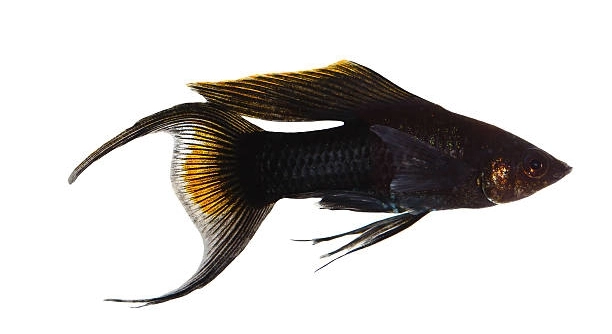
Do you ever notice how your Black Molly swims near the top of the tank, basking in the light, and wonder what kind of illumination suits them best? Lighting can influence their behavior and overall health.
Black Mollies generally thrive under a combination of natural light and full-spectrum LEDs. Natural sunlight supports their circadian rhythm and coloration, while LEDs provide consistent illumination, supporting growth and vitality without the risks of excessive algae or overheating in the tank.
Choosing the right light affects not only their appearance but also their long-term wellbeing and tank environment. Understanding these factors can make a noticeable difference in your fish care routine.
Understanding Black Molly Lighting Needs
Black Mollies are freshwater fish that respond strongly to their environment. Light affects their activity, feeding, and coloration. They naturally live in shallow, sunlit waters, so they are accustomed to bright but diffused light. Too little light can make them lethargic and reduce their vibrant colors. Too much direct sunlight may overheat the tank or encourage algae growth. Using natural sunlight through a window can work, but it’s hard to control duration and intensity. Full-spectrum LEDs are more reliable and can mimic daylight without the risks associated with real sunlight. LED lights can be set on timers to maintain consistent day and night cycles, helping Black Mollies develop regular behavior patterns. Gradually adjusting light levels when changing bulbs or moving tanks is important to avoid stressing the fish. Overall, balancing natural and artificial light ensures the fish are active, healthy, and display their best color.
Combining LEDs and natural light can create a balanced environment that supports both health and aesthetics.
Lighting choice directly affects feeding patterns, activity levels, and color vibrancy. Proper setup ensures a stable, safe tank.
LED vs Natural Sunlight
LED lights provide a consistent, controlled option for Black Molly tanks.
Natural sunlight can boost their coloration and maintain circadian rhythm. However, it is unpredictable and can heat the tank unevenly. Sunlight exposure depends on the time of year and location, making it difficult to maintain a stable schedule. LED lighting allows precise control of intensity, spectrum, and duration, which helps prevent overexposure and stress. Many aquarists combine indirect sunlight with LED lighting to achieve a natural effect while maintaining consistency. The spectrum of LED lights is important; full-spectrum LEDs closely mimic daylight and support healthy growth and coloration. Positioning lights at the correct height and angle ensures even distribution across the tank, avoiding shaded or overly bright spots. Timers are recommended to maintain a stable day-night cycle, which helps regulate feeding and sleeping patterns. Proper lighting also influences algae growth, as too much intense light encourages unwanted blooms. Balancing these factors creates a safe, visually appealing environment where Black Mollies can thrive without unnecessary stress or health issues.
Adjusting Light Duration
Black Mollies do best with 10 to 12 hours of light per day. Too much light can stress them, while too little can affect feeding and activity patterns.
Using a timer makes it easy to maintain a consistent schedule. Gradually increasing or decreasing light when changing seasons helps prevent sudden stress. Observing your fish during light changes shows how they respond, letting you adjust accordingly. Consistency in lighting encourages regular behavior and supports natural circadian rhythms. Artificial lighting combined with occasional indirect sunlight can balance their needs without overheating the tank or promoting excessive algae.
Monitoring tank temperature alongside lighting is essential. Bright lights can raise water temperature, so keeping an eye on both prevents heat-related stress. Gradual transitions between light and dark periods reduce shock and maintain healthy activity levels.
Effects of Lighting on Coloration
Proper lighting enhances the natural coloration of Black Mollies.
Full-spectrum LEDs or indirect sunlight allow their black scales to appear deeper and more vibrant. Without adequate light, colors may fade, leaving fish looking dull or less healthy. Bright, even lighting encourages natural patterns to emerge and makes your tank visually appealing. Poor lighting can also affect mood, causing lethargy or hiding behavior. Balancing intensity, duration, and placement ensures that all areas of the tank receive sufficient light. Regular observation allows you to notice changes in coloration and adjust lighting as needed. Consistency, combined with good nutrition, is key to maintaining vibrant, healthy Black Mollies.
Choosing the Right LED
LEDs with full-spectrum light are ideal for Black Mollies. They mimic natural daylight and promote healthy behavior without overheating the tank.
Avoid overly bright or colored LEDs, as they can stress fish and distort natural colors. Even light distribution is important for tank balance.
Combining Sunlight and LEDs
Using indirect sunlight alongside LED lighting provides a balanced environment. Sunlight offers natural cues for circadian rhythm, while LEDs maintain consistency in duration and intensity. Position the tank away from direct windows to prevent overheating and algae growth. Regularly monitor the tank to ensure fish are active and comfortable. This combination supports feeding patterns, coloration, and overall well-being.
Signs of Stress from Lighting
Faded colors, hiding, or unusual swimming indicate lighting stress. Adjusting light intensity or duration can help Black Mollies recover.
FAQ
How long should Black Mollies be exposed to light each day?
Black Mollies do best with about 10 to 12 hours of light daily. Consistency is key, so using a timer can help maintain a steady schedule. Sudden changes in light duration can stress them, affecting feeding, activity, and overall health.
Can Black Mollies live under only natural sunlight?
While natural sunlight can support their circadian rhythm and enhance coloration, relying solely on it is tricky. Sunlight intensity and duration vary, and direct sunlight can overheat the tank or encourage algae growth. A combination with controlled LED lighting works best.
Are LEDs better than natural light for Black Mollies?
LEDs offer consistent illumination without the risks of overheating or unpredictable exposure. Full-spectrum LEDs mimic natural daylight, supporting growth, coloration, and regular activity patterns. They allow precise control over intensity and timing, which is harder to achieve with sunlight alone.
Can too much light harm Black Mollies?
Yes, excessive light can cause stress, encourage algae growth, and raise tank temperature. Mollies may hide, swim erratically, or show faded colors. Using timers and adjusting intensity helps maintain a safe and comfortable environment.
Does lighting affect feeding behavior?
Proper lighting encourages regular feeding patterns. Fish are more active under balanced light, making them more likely to eat consistently. Low or inconsistent lighting can reduce appetite, leading to slower growth and less vibrant coloration.
How do I prevent algae growth with bright lighting?
Position the tank away from direct sunlight and avoid leaving lights on too long. Regular water changes and moderate light intensity help control algae while still providing sufficient illumination for Black Mollies.
Can indirect sunlight be used with LEDs?
Yes, indirect sunlight adds natural cues for circadian rhythms while LEDs provide consistent, controllable light. This combination supports healthy behavior and vibrant colors without the risks of overheating or excessive algae.
Do Black Mollies need different lighting in different seasons?
Light duration can be adjusted slightly with seasonal changes, but keeping a regular 10-12 hour cycle is most important. Gradual adjustments prevent stress and maintain natural activity and feeding patterns.
How do I know if lighting is causing stress?
Signs include hiding, lethargy, erratic swimming, or faded coloration. Observing behavior during light transitions and adjusting intensity or duration helps prevent long-term stress. Proper lighting ensures fish remain active and healthy.
Are colored LEDs suitable for Black Mollies?
Strongly colored LEDs can stress fish and distort natural colors. Full-spectrum LEDs or daylight-mimicking bulbs are best for supporting growth, activity, and vibrant coloration without negative effects.
Can lighting influence breeding?
Yes, consistent, appropriate lighting encourages natural behavior, which can improve breeding activity. Sudden changes or overly intense light can disrupt mating and stress fish. Maintaining stable, balanced lighting is key for reproduction.
How do I balance LEDs and natural light?
Indirect sunlight provides natural cues, while LEDs maintain control over intensity and duration. Place the tank to avoid direct sun exposure, use timers for LEDs, and observe your Mollies for behavioral signs to fine-tune the balance.
Should lights be turned off at night?
Yes, Black Mollies need darkness to rest. A proper day-night cycle supports feeding, activity, and overall health. Leaving lights on overnight can disrupt circadian rhythms and cause stress or fatigue.
Do lighting needs change as Black Mollies grow?
Juvenile and adult Mollies benefit from similar light cycles, but younger fish may need slightly lower intensity to prevent stress. Maintaining consistent duration and spectrum is more important than changing brightness frequently.
What is the best way to monitor lighting effects?
Observe activity, coloration, and feeding patterns. Signs of stress, fading colors, or unusual behavior indicate adjustments are needed. Combining careful observation with timers and proper placement ensures a healthy environment for Black Mollies.
This FAQ covers the main concerns about lighting for Black Mollies, focusing on balancing natural and artificial light, preventing stress, and promoting healthy behavior and coloration. Keeping a consistent, controlled environment ensures your fish remain active, vibrant, and comfortable.
Black Mollies are delicate fish that respond strongly to their environment. Lighting plays a key role in their health, activity, and coloration. They naturally live in shallow waters with plenty of light, which helps regulate their behavior. Proper lighting encourages them to swim actively, eat regularly, and display their natural colors. Too much light, especially direct sunlight or overly intense LEDs, can stress the fish, while too little light can make them lethargic and dull their appearance. A balance of natural and artificial light is ideal, giving them a stable environment that supports their natural rhythms. Observing the fish and adjusting light gradually ensures they remain comfortable and healthy. Using timers with LED lights helps maintain consistent day-night cycles, which are crucial for feeding and rest. Gradual changes in lighting during different seasons can also prevent stress, as abrupt shifts can confuse the fish and disrupt their routines.
Full-spectrum LEDs are particularly helpful for Black Mollies. They provide consistent illumination that mimics natural daylight, supporting growth, behavior, and coloration. These lights are controllable in terms of intensity and duration, reducing the risks associated with direct sunlight. Placing the tank away from direct sunlight prevents overheating and unwanted algae growth. Combining LEDs with indirect natural light gives Mollies the best of both worlds: the stability of artificial light and the natural cues of sunlight. Balanced lighting affects more than appearance; it also influences feeding habits and general wellbeing. Watching the fish closely will reveal how they respond to changes in lighting, allowing adjustments before stress or health issues develop. Maintaining a consistent, controlled environment ensures the fish remain active, healthy, and visually vibrant.
Lighting decisions affect more than the fish themselves; they also impact the overall tank environment. Proper lighting encourages plant growth without encouraging excessive algae, maintains stable water temperature, and supports a comfortable setting for the fish. Observing Mollies’ behavior is essential: hiding, fading colors, or erratic swimming are signs that adjustments are needed. With careful planning, a combination of full-spectrum LEDs and controlled sunlight allows for a stable, natural-feeling environment that promotes longevity and wellbeing. By monitoring lighting and responding to the needs of the fish, their tank can remain healthy, attractive, and balanced. Consistency, observation, and careful adjustments make it possible to provide an environment that meets the natural needs of Black Mollies, helping them thrive while keeping the tank safe and visually appealing.

Hello,
If you enjoy the content that we create, please consider saying a "Thank You!" by leaving a tip.
Every little bit helps us continue crafting quality advice that supports the health, happiness, and well-being of pets around the world, for pets of all shapes, sizes, and species.
We really appreciate the kindness and support that you show us!