
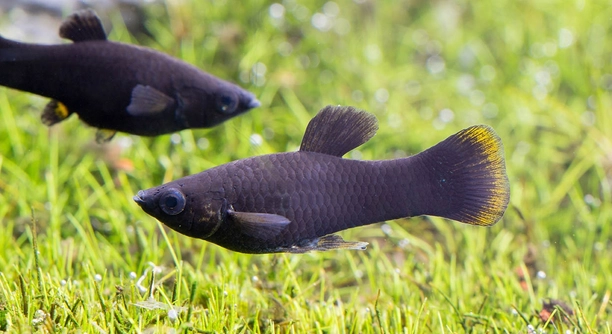
Many aquarists notice their black molly brushing against tank surfaces and wonder about the meaning behind this habit. This short introduction offers a calm look at what might influence the fish while maintaining a tone.
Black molly fish commonly flash against objects due to skin irritation linked to parasites or fluctuating water parameters. This behavior serves as an attempt to relieve discomfort, indicating a need for prompt evaluation of water quality and potential health concerns.
These insights offer a simple understanding of your fishs behavior while helping you create a stable environment that supports comfort.
Common Irritation Triggers
Many black mollies react to discomfort by brushing against objects, and this behavior can show up when the fish experiences something that bothers its skin. Irritants like parasites, leftover debris, or rough surfaces in the tank can create mild stress. When I see this behavior in my own fish, it usually reminds me to look closely at what could be affecting them. Sometimes it is as simple as a small change in the water that makes them uncomfortable. Other times it can be linked to tiny organisms that develop in tanks without steady care. Paying attention to these details helps maintain a calm space where the fish can swim with ease. It also helps reduce unexpected problems that might affect their health. Understanding these triggers makes it easier to respond early and support a stable environment that keeps the fish comfortable.
These quick reactions can appear harmless, yet they often signal that something in the tank needs attention.
Keeping these triggers in mind supports better care and prevents discomfort before it becomes a larger concern for your black molly.
Environmental Stress Factors
Rapid changes in temperature, lighting, or tank conditions can encourage black mollies to brush against surfaces as a sign of unease.
Maintaining a steady environment is important, especially since these fish respond strongly to small changes that may go unnoticed at first. Temperature swings can cause stress that leads to defensive reactions, while inconsistent lighting may interrupt their natural rhythm. I have noticed that black mollies thrive best when their surroundings stay predictable. Regular tank upkeep, careful feeding, and stable filtration play a meaningful role in reducing discomfort. Even minor issues, like leftover food or slow filter flow, can influence how they behave. By keeping the tank balanced and clean, you reduce the chances of irritation and help your fish stay calm. Creating a steady setting also allows you to spot unusual behavior more easily, making it simpler to support your black mollys overall well-being.
Parasitic Irritation
Parasites often make black mollies brush against objects, and I have seen how quickly this behavior can appear. Early signs usually show up before other symptoms, so noticing these moments helps you act before the problem becomes stressful for the fish.
Treating parasites requires steady steps that focus on the fish and the tank. Good water quality helps reduce irritation, and proper treatment supports recovery. I always move slowly with medication to avoid overwhelming the fish. Cleaning the substrate, adjusting filtration, and keeping feeding simple all help create balance again. When handled gently, most mollies improve quickly and return to calmer behavior.
Following through with treatment is important for long term comfort. Rechecking water and watching for lingering signs help prevent parasites from returning. Consistency plays a big part in keeping your black molly steady and reducing future issues caused by these tiny organisms.
Poor Water Quality Effects
Dirty or unstable water often leads to flashing, and black mollies react strongly to small shifts. A stable tank keeps them calm, so watching parameters helps prevent sudden irritation.
Improving water conditions starts with simple steps that keep the tank steady. Regular water changes help your fish feel comfortable, and I try to avoid overfeeding since leftover food affects cleanliness. Filters need light care to stay effective without disrupting the beneficial bacteria inside. When the tank stays balanced, black mollies move with ease and show fewer signs of irritation. Checking ammonia, nitrite, and nitrate levels keeps things predictable and prevents harmful spikes. A clean and steady tank supports healthy behavior and reduces the chance of flashing caused by unstable water.
Sharp or Rough Objects
Black mollies often flash against objects that have sharp edges or rough surfaces. I’ve noticed my fish avoiding certain decorations after a few bumps, which makes sense because delicate fins can easily get irritated or damaged.
Choosing smooth decorations helps reduce this behavior. Rounded stones or polished ornaments prevent minor scratches that lead to discomfort and make the tank safer overall.
Overcrowding Stress
Too many fish in one tank increases competition and stress, causing black mollies to brush against objects more often. I’ve seen this in tanks where space was limited, and fish reacted quickly to the added pressure. Proper stocking levels help reduce stress and keep mollies calm.
Nutritional Deficiencies
A lack of essential vitamins and minerals can make black mollies itchy or restless, leading to flashing behavior. I make sure to include a variety of foods, including high-quality flakes, occasional live food, and supplements. Balanced nutrition supports healthy skin and scales, reducing the urge to rub against objects.
Disease Symptoms
Some diseases trigger flashing as a response to discomfort. Early detection is important, so observing small changes in behavior can prevent more serious health problems in black mollies.
FAQ
Why does my black molly flash against objects only at night?
Black mollies are sensitive to changes in light and activity levels. At night, reduced lighting can make them more aware of subtle irritations or minor water issues. I’ve noticed in my own tank that dim conditions sometimes make mollies rub against surfaces more, possibly because they feel vulnerable and try to relieve discomfort before resting. Adjusting lighting schedules and keeping night conditions stable often reduces this behavior, creating a calmer environment for nighttime swimming.
Can flashing indicate a serious illness?
Yes, flashing can be a sign of illness, especially if combined with other symptoms like clamped fins, pale colors, or lethargy. I’ve learned that early observation is key. Checking water parameters, watching for visible parasites, and monitoring feeding habits helps catch problems before they worsen. Certain diseases, like ich or skin flukes, often start with mild irritation before becoming more severe. Prompt treatment and tank cleaning are essential to prevent long-term health issues.
How often should I change the water to prevent flashing?
Frequent water changes keep stress and irritation low. I usually perform a 20-25% water change weekly, depending on tank size and fish count. This removes debris and reduces toxin buildup, making the environment more comfortable for black mollies. Consistency is important; irregular changes can cause sudden shifts that increase flashing and stress.
Do decorations cause flashing?
Yes, decorations with rough or sharp edges can irritate black mollies. I found that smooth, rounded ornaments and polished stones help prevent rubbing behaviors. Even small protrusions can damage fins or skin, so arranging the tank with gentle surfaces makes a big difference in keeping mollies comfortable.
Can diet affect flashing behavior?
Absolutely. Poor nutrition can lead to skin irritation and restless behavior. I include a mix of high-quality flakes, occasional live food, and vitamin supplements to maintain healthy scales and reduce itching. Balanced nutrition strengthens their immune system, which can prevent secondary problems like irritation or disease that trigger flashing.
Is overcrowding a factor?
Yes, overcrowding increases stress and competition, causing black mollies to flash against objects more often. In my tank, reducing numbers or providing more hiding spaces lowered this behavior significantly. Ensuring proper space for each fish reduces stress, improves social interactions, and keeps them calmer overall.
Can temperature changes trigger flashing?
Even small temperature fluctuations can make black mollies uncomfortable. I keep my tank temperature stable, around 75-78°F, to prevent sudden stress. Rapid shifts, even a few degrees, often lead to rubbing behaviors as the fish try to relieve discomfort. Consistent monitoring of heaters and ambient room temperature helps reduce this problem.
When should I see a vet or specialist?
If flashing continues despite stable water conditions, proper nutrition, and smooth tank decorations, professional advice is needed. I’ve found that consulting a fish health specialist helps identify hidden issues like internal parasites or early-stage diseases. Early intervention prevents long-term damage and keeps black mollies healthy.
Can flashing cause permanent damage?
Frequent rubbing against rough surfaces can cause fin tears, scale loss, or infections. I make sure to monitor behavior and remove hazards immediately. Minor irritation can heal quickly if the environment is supportive, but repeated flashing without intervention may lead to permanent skin or fin problems.
Are there ways to reduce flashing naturally?
Yes, keeping water clean, providing smooth decorations, balancing nutrition, and avoiding overcrowding all help. I also include hiding spots and gentle currents in the tank, giving mollies areas to feel safe and reducing the need to rub against objects. Consistent care and observation are key to minimizing flashing naturally.
Black mollies flashing against objects is a behavior many aquarists notice, and it often signals that something in their environment or health needs attention. I’ve seen this in my own tank, and understanding the reasons behind it makes a big difference in how you care for your fish. While it can look alarming at first, flashing is usually a natural reaction to irritation, stress, or minor discomfort. Common causes include rough decorations, sudden water changes, parasites, or overcrowding. Each of these factors affects the fish’s skin and overall comfort, prompting them to rub against surfaces in an attempt to relieve irritation. Observing these behaviors carefully helps you identify what might be wrong before it becomes a bigger problem. Taking action early, like adjusting tank conditions or improving water quality, often resolves the issue quickly.
Maintaining a stable and clean tank is one of the most effective ways to reduce flashing behavior. I have learned that regular water changes, balanced nutrition, and a well-arranged tank with smooth decorations make a noticeable difference in the comfort of my black mollies. Temperature stability is also important because even small shifts can increase stress and cause them to flash more. Providing hiding spots and enough space for each fish reduces tension caused by overcrowding, and consistent monitoring helps catch minor issues before they escalate. In addition, paying attention to signs of parasites or skin problems allows for early intervention. When these small adjustments are applied, black mollies tend to swim calmly and show fewer signs of irritation, making the tank environment safer and more comfortable for all inhabitants.
Behavior like flashing is also a reminder of the importance of observation and patience in fishkeeping. I often spend time simply watching my mollies to notice small changes in movement, color, or interaction. These observations provide valuable insight into their health and well-being. Understanding why they flash helps prevent unnecessary stress and promotes a stable, healthy habitat. By focusing on water quality, nutrition, tank setup, and disease prevention, you create conditions where black mollies can thrive. The behavior may never completely disappear, as it is sometimes a natural reaction, but with careful care, it becomes less frequent and less severe. Paying attention to these details ensures your black mollies live comfortably and reduces the risk of long-term problems, supporting both their health and your confidence as a caretaker.

Hello,
If you enjoy the content that we create, please consider saying a "Thank You!" by leaving a tip.
Every little bit helps us continue crafting quality advice that supports the health, happiness, and well-being of pets around the world, for pets of all shapes, sizes, and species.
We really appreciate the kindness and support that you show us!