Why Did My Tiger Barb Disappear? (7 Possible Reasons)
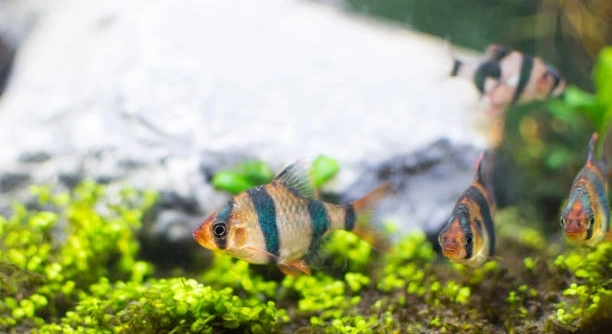
Many fish owners enjoy keeping tiger barbs because of their bright colors and lively behavior. Sometimes, these active fish seem to vanish from the aquarium without a clear reason. Understanding what causes a tiger barb to disappear can help keep your tank healthy. Tiger barbs may disappear due to factors such as hiding, jumping out, … Read more

7 Reasons to Avoid Small Tanks for Tiger Barbs

Small tanks might seem like a convenient option for keeping tiger barbs, especially if space is limited. However, these small environments often fail to meet the needs of this active and social fish species. Understanding why size matters is important for their well-being. Small tanks restrict swimming space and water quality, which are critical for … Read more

Do Tiger Barbs Get Curious or Just Hungry?

Tiger barbs are popular freshwater fish known for their active behavior and striking colors. Many fishkeepers notice these fish often approach the glass or their hands. Understanding whether this behavior stems from curiosity or hunger helps create a better care environment. Tiger barbs typically approach due to hunger rather than curiosity. Their behavior is strongly … Read more

7 Tips for Observing Natural Barb Behavior

Observing natural barb behavior can reveal many interesting patterns about their daily lives. These fish display unique actions that reflect their environment and social interactions. Understanding these behaviors helps create a better habitat for them. Natural barb behavior is characterized by their schooling tendencies, feeding routines, and territorial displays. These fish communicate through body movements … Read more

Do Tiger Barbs Recognize Specific Objects?

Tiger Barbs are popular freshwater fish known for their bright colors and active behavior. Many aquarium enthusiasts enjoy watching their interactions and wonder about their mental abilities. Understanding how these fish perceive their surroundings can deepen the appreciation of their care. Research shows that Tiger Barbs do recognize specific objects in their environment. They use … Read more

7 Tips for Calming a Stressed Tiger Barb

Tiger barbs are lively, colorful fish that brighten many home aquariums. However, they can sometimes show signs of stress that affect their health and behavior. Knowing how to calm a stressed tiger barb is important for keeping them happy and thriving. Calming a stressed tiger barb involves creating a stable environment with proper water conditions, … Read more

Are Tiger Barbs More Active at Night?

Are your Tiger Barbs showing bursts of energy when the lights go out? Many fish owners notice changes in activity levels but wonder if Tiger Barbs are truly more lively at night. Understanding their behavior helps create a better home environment. Tiger Barbs are generally diurnal, meaning they are more active during the day and … Read more

7 Foods That Tiger Barbs Love Instantly

Tiger barbs are popular aquarium fish known for their lively behavior and bright colors. Feeding them the right foods helps keep them healthy and active. Understanding their favorite foods can make caring for them easier and more rewarding. Tiger barbs thrive on a varied diet that includes high-quality flakes, pellets, live or frozen bloodworms, brine … Read more

Can Tiger Barbs Get Lonely? (What You Should Know)

Many fish owners enjoy keeping tiger barbs for their lively behavior and striking colors. These small, active fish are popular in home aquariums. Understanding their social needs can help maintain a healthy tank environment. Tiger barbs are social fish that thrive in groups. They can become stressed or lonely if kept alone, as their natural … Read more

Can Tiger Barbs Learn Feeding Routines?

Tiger Barbs are lively freshwater fish popular in home aquariums. Their behavior and habits, especially around feeding, often interest fish keepers aiming to provide the best care. Understanding their feeding routine can improve their health and aquarium harmony. Tiger Barbs can learn feeding routines through consistent timing and repeated exposure. These fish respond well to … Read more