
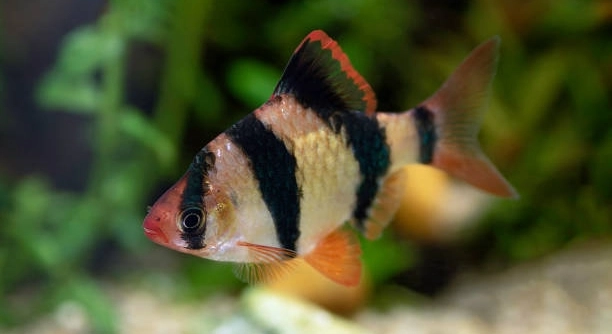
Are your Tiger Barbs showing bursts of energy when the lights go out? Many fish owners notice changes in activity levels but wonder if Tiger Barbs are truly more lively at night. Understanding their behavior helps create a better home environment.
Tiger Barbs are generally diurnal, meaning they are more active during the day and rest at night. While they may show some movement in low light, their peak activity occurs when the aquarium is well-lit and during feeding times.
Learning about their natural rhythms can improve how you care for them. Knowing when they are most active makes a difference in their tank setup and your interaction.
Activity Patterns of Tiger Barbs
Tiger Barbs are known for their lively nature during daylight hours. They tend to swim actively, explore their tank, and interact with other fish when the lights are on. As a species that thrives in well-lit environments, their behavior is influenced by the natural day-night cycle. During the night, when the aquarium lights are off, Tiger Barbs usually slow down and rest, although they may occasionally swim slowly or move to sheltered areas. This resting behavior helps them conserve energy and stay healthy. Their activity is also affected by feeding schedules, water temperature, and tank conditions. Keeping a consistent routine and a comfortable environment helps maintain their natural rhythm. Observing them during the day will give you a good idea of their normal energy levels and social habits.
Their movement at night is minimal and mostly related to short periods of light or disturbances.
Understanding when Tiger Barbs are active helps with tank maintenance and feeding times, ensuring the fish are healthy and stress-free.
Factors Influencing Nighttime Activity
Some factors can cause Tiger Barbs to be more active at night than usual. Stress, changes in water quality, or sudden noises can disturb their rest and make them swim around more. If the tank has uneven lighting or a night light, this might trick them into thinking it’s still daytime. Also, fish that share the tank with Tiger Barbs can affect their activity levels, especially if those fish are nocturnal or more active at night. Feeding schedules that are inconsistent can confuse their internal clocks. Over time, if a Tiger Barb experiences constant disturbances, it may start to change its normal behavior, including being more active after dark.
Checking water quality and maintaining a quiet, stable environment at night will help your Tiger Barbs keep their natural activity pattern.
Feeding and Nighttime Behavior
Tiger Barbs usually eat during the day, matching their active periods. Feeding at night is uncommon because they tend to rest when it’s dark. However, if you feed them in low light or late evening, they may become more active than usual.
Feeding schedules influence Tiger Barbs’ activity patterns. Regular feeding during daylight helps maintain their natural rhythm, keeping them active when the lights are on and calm when they are off. Sudden changes in feeding times or offering food at night can confuse their internal clock, making them more alert during dark hours. It’s best to feed them once or twice a day during the day to encourage normal behavior.
Providing a balanced diet with quality flakes, pellets, and occasional live or frozen foods supports their health. Overfeeding can lead to excess waste and stress, which might increase restless nighttime behavior. Consistent feeding keeps them settled and energetic during the right hours.
Tank Setup and Lighting Effects
Proper lighting is key to maintaining Tiger Barbs’ natural activity cycle. Bright lights during the day mimic their natural habitat and encourage daytime swimming and interaction. Using a timer to control lighting helps keep the cycle consistent.
Light intensity and duration impact behavior. Too much light at night or sudden changes in light can disturb their rest, causing unexpected activity. Providing some hiding places and plants in the tank allows Tiger Barbs to feel safe during dark periods. This setup reduces stress and helps maintain a natural pattern of being active by day and calm by night. Regular lighting schedules improve their overall well-being.
Social Behavior and Night Activity
Tiger Barbs are social fish that enjoy swimming in groups. Their activity is often influenced by how many companions they have. In a group, they are more active and playful during the day.
At night, they tend to stay close together, often resting in sheltered spots. This group resting helps them feel safe and reduces stress.
Signs of Unusual Nighttime Activity
Unusual activity at night may indicate stress or health problems. If Tiger Barbs swim aggressively or restlessly in the dark, it’s important to check water quality and tank conditions.
Adjusting Your Care Routine
Small changes in feeding, lighting, or tank setup can reduce nighttime activity. Consistency is key to helping Tiger Barbs maintain their natural behavior.
FAQ
Are Tiger Barbs nocturnal or diurnal?
Tiger Barbs are diurnal, which means they are most active during the day. They swim actively, feed, and interact with other fish when the aquarium lights are on. At night, they usually rest and slow down their movement, conserving energy until daylight returns.
Why do my Tiger Barbs seem more active at night sometimes?
Occasional nighttime activity can happen due to disturbances like loud noises, sudden light changes, or water quality issues. If the tank has a night light or inconsistent lighting, this might confuse them, making them swim around more than usual in the dark.
Can feeding at night affect their activity?
Yes, feeding Tiger Barbs at night can disrupt their natural rhythm. They expect food during the day, so giving them food late may cause them to become more active when they should be resting. Sticking to a daytime feeding schedule helps keep their behavior normal.
Is it normal for Tiger Barbs to hide at night?
Absolutely. Tiger Barbs often seek shelter in plants or decorations when the lights go off. Hiding is a natural behavior that helps them feel safe and reduces stress while they rest.
What kind of lighting schedule is best for Tiger Barbs?
A consistent light schedule of about 10 to 12 hours of light per day works best. Using a timer to keep the lights on and off at the same time daily helps Tiger Barbs maintain a healthy activity pattern.
Can tank mates affect their nighttime behavior?
Yes. If Tiger Barbs share the tank with nocturnal fish or species that are active at night, their behavior might change. They may become more active or restless after dark due to the influence of other fish.
How can I reduce stress that causes night activity?
Maintaining good water quality, consistent feeding times, and a stable environment helps reduce stress. Avoid sudden changes in lighting and keep noise levels low near the aquarium, especially at night.
What should I do if my Tiger Barbs won’t rest at night?
Check for any disturbances like light leaks, noisy filters, or aggressive tank mates. Ensuring the tank is dark and quiet at night encourages rest. Also, review feeding habits and tank conditions to identify possible stress factors.
Do Tiger Barbs sleep?
Yes, they do. While fish don’t sleep like humans, Tiger Barbs enter a restful state where they reduce movement and lower their metabolism during dark periods. This “sleep” helps them recover and stay healthy.
Can overfeeding cause increased nighttime activity?
Overfeeding can lead to poor water quality, which stresses fish and may cause abnormal behavior, including restless swimming at night. Feeding only what they can eat in a few minutes once or twice a day keeps them healthy and calm.
Are there signs of illness linked to nighttime activity?
If Tiger Barbs show constant restlessness or erratic swimming at night, it could signal illness or parasites. Other signs include loss of appetite, faded colors, or gasping at the surface. Prompt water testing and observation help catch problems early.
Is it okay to have a night light in the tank?
Using a night light can sometimes disturb Tiger Barbs’ natural rest. If a night light is necessary, choose one with low intensity and set a timer to avoid constant illumination, allowing the fish to rest properly.
How do hiding spots influence their night behavior?
Providing plenty of plants, rocks, or decorations gives Tiger Barbs safe places to retreat at night. Feeling secure helps reduce stress and promotes natural resting behavior, keeping them calmer in dark hours.
Will changing the tank environment affect their day-night cycle?
Yes. Sudden rearrangements, adding new fish, or changing water parameters can stress Tiger Barbs, causing unusual activity at night. Gradual changes and careful monitoring make transitions easier for them.
How important is water temperature for their activity?
Stable water temperature between 74°F and 79°F supports healthy activity patterns. Fluctuations or extremes can stress Tiger Barbs and disrupt their normal day-night behavior, sometimes increasing nighttime movement.
Can Tiger Barbs get used to artificial light schedules?
Yes, they adapt well to regular light schedules set by the owner. Consistent on/off timing helps them maintain their natural activity and rest cycles even in artificial aquarium settings.
What should I avoid to keep Tiger Barbs’ nighttime behavior normal?
Avoid sudden lighting changes, inconsistent feeding times, overcrowded tanks, and poor water conditions. These factors increase stress and cause abnormal activity, including being more active at night.
Do Tiger Barbs communicate through activity?
They do. Their swimming patterns and interactions show social behavior. Restlessness or chasing might indicate social hierarchy or stress, but typically they calm down at night to rest.
Can tank size influence their behavior?
A well-sized tank gives Tiger Barbs enough space to swim and hide. Small or overcrowded tanks cause stress, which can increase restless activity, sometimes more noticeable at night.
How often should I monitor their behavior?
Daily observation during both day and night hours helps spot changes early. Watching their activity patterns allows quick responses to any unusual nighttime movement or signs of stress.
Tiger Barbs are naturally more active during the day and tend to rest when the lights go out. Their behavior follows a typical day-night cycle, where most of their swimming, feeding, and social interactions happen under the aquarium lights. At night, they usually slow down and seek shelter in plants or decorations. This resting period is important for their health and well-being. It helps them conserve energy and recover from the day’s activity. Keeping a consistent lighting schedule that mimics natural daylight supports their natural rhythm and keeps them feeling secure.
Changes in their environment can affect how active Tiger Barbs are at night. Factors like sudden noises, poor water quality, or irregular lighting may cause them to become restless or swim more in the dark. Feeding them at night can also confuse their internal clock and disrupt their usual resting time. Providing a stable and calm environment is key to helping them maintain normal behavior. This means regular feeding times during the day, good water conditions, and proper tank lighting. Adding hiding spots and plants can give Tiger Barbs places to feel safe when it’s dark, reducing stress and helping them rest better.
Understanding the natural habits of Tiger Barbs makes it easier to care for them properly. Watching their activity patterns can give clues about their health and comfort. If they seem restless at night, it is a good idea to check the tank for any issues. Small changes in care, like fixing the lighting schedule or improving water quality, often help return their behavior to normal. Tiger Barbs thrive when their environment closely matches their natural needs, including a clear distinction between day and night. Keeping this balance supports their happiness and long-term health.

Hello,
If you enjoy the content that we create, please consider saying a "Thank You!" by leaving a tip.
Every little bit helps us continue crafting quality advice that supports the health, happiness, and well-being of pets around the world, for pets of all shapes, sizes, and species.
We really appreciate the kindness and support that you show us!