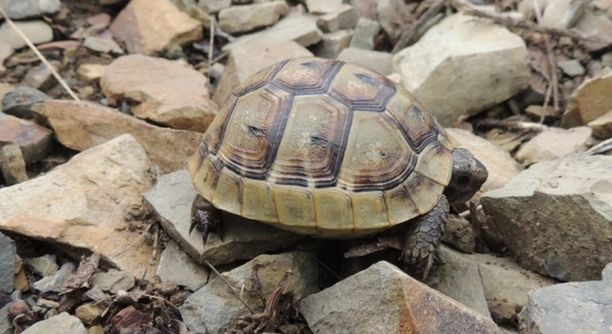
7 Ways to Encourage Natural Behaviors in Russian Tortoises

Russian tortoises are fascinating creatures that thrive in environments where they can express natural behaviors. Providing the right conditions for them can be key to their well-being and happiness. Encouraging natural behaviors in Russian tortoises involves creating an environment that mimics their native habitat. This includes proper space for movement, access to suitable food, and … Read more

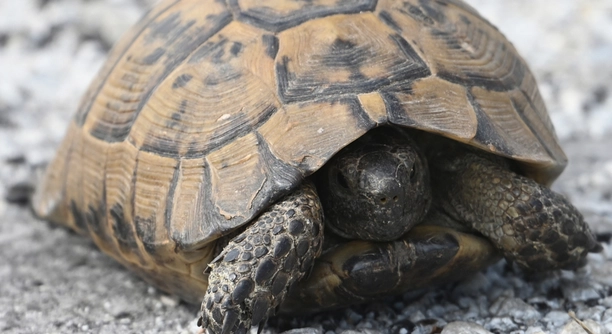
How to Prevent Respiratory Issues in Russian Tortoises

Russian tortoises, like other reptiles, are vulnerable to respiratory issues that can negatively impact their health. Understanding how to prevent these problems is essential for their well-being and longevity. Caring for them properly can help ensure they thrive in captivity. To prevent respiratory issues in Russian tortoises, maintaining proper humidity, temperature, and ventilation is crucial. … Read more

Why Is My Russian Tortoise Refusing to Drink Water?

A Russian tortoise refusing to drink water can be a worrying situation for any pet owner. Understanding why your tortoise may avoid drinking is important for its well-being. There are several possible reasons behind this behavior. The most common reason why a Russian tortoise refuses to drink water is dehydration or inadequate humidity levels in … Read more

7 Natural Remedies for Common Russian Tortoise Ailments

Russian tortoises are fascinating pets, but like any animal, they can experience health issues. Recognizing these ailments early can help ensure your pet stays happy and healthy. Natural remedies can often help treat minor conditions safely. There are several natural remedies for common ailments in Russian tortoises, including proper diet adjustments, herbal treatments, and environmental … Read more

How to Tell If Your Russian Tortoise Is Feeling Overstimulated

Russian tortoises, like any pet, need a balanced environment to stay healthy. Overstimulation can cause stress, affecting their well-being. Identifying signs of overstimulation can help you provide the care they need to thrive. Overstimulation in Russian tortoises typically occurs when they are exposed to excessive handling, bright lights, or loud environments. Stress can manifest as … Read more

Why Is My Russian Tortoise Moving in Circles?

Russian tortoises are known for their unique behaviors, which can sometimes raise concerns for their owners. One such behavior involves moving in circles, which may leave you wondering about the cause behind it. The most common reason for a Russian tortoise moving in circles is a sign of health or environmental issues. These can include … Read more

7 Common Russian Tortoise Myths You Shouldn’t Believe

Many pet owners believe a variety of myths about Russian tortoises, often causing confusion. It’s essential to separate fact from fiction when caring for these reptiles. Understanding their needs helps ensure they thrive in a healthy environment. Several common misconceptions about Russian tortoises can negatively impact their well-being. From dietary myths to misconceptions about their … Read more

How to Properly Quarantine a New Russian Tortoise

When bringing home a new Russian Tortoise, it’s essential to take the proper steps to ensure it settles into its new environment. A quarantine period is key to its health and well-being. Quarantining a new Russian Tortoise helps prevent the spread of potential diseases. By isolating the tortoise from other pets, you can monitor for … Read more

Why Does My Russian Tortoise Keep Running Into Walls?

Your Russian tortoise might seem frustrated when it repeatedly runs into walls, but there’s more to it than meets the eye. Understanding this behavior can help improve your pet’s environment and overall well-being. The main reason your Russian tortoise runs into walls is a lack of proper environmental stimulation. Tortoises are highly active animals, and … Read more

7 Things You Should Know Before Getting a Russian Tortoise

Russian tortoises are popular pets known for their small size and calm nature. Before deciding to adopt one, it’s important to understand their needs and characteristics. Ensuring you’re prepared can help provide a long, healthy life for your pet. Caring for a Russian tortoise requires commitment to their specific environmental and dietary needs. They thrive … Read more