
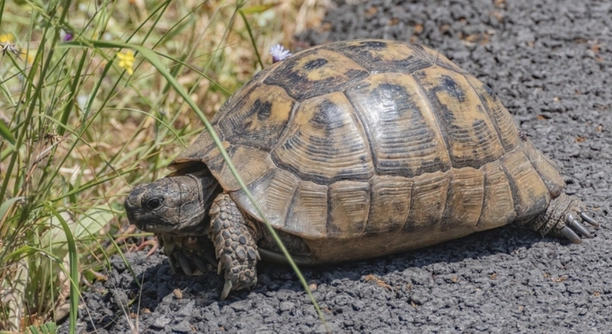
Many pet owners believe a variety of myths about Russian tortoises, often causing confusion. It’s essential to separate fact from fiction when caring for these reptiles. Understanding their needs helps ensure they thrive in a healthy environment.
Several common misconceptions about Russian tortoises can negatively impact their well-being. From dietary myths to misconceptions about their behavior, debunking these myths is crucial for proper care and long-term health. Correct information leads to better care and informed decisions.
Exposing these myths will provide the clarity needed to keep your tortoise healthy. Understanding the truth behind them can help you become a more knowledgeable tortoise owner.
Myth 1: Russian Tortoises Can Live in Small Spaces
It’s often assumed that Russian tortoises don’t need much space, but that’s far from the truth. These tortoises are active creatures that require ample room to roam. A small enclosure can lead to stress and health issues. The minimum recommended space for a single tortoise is 40 gallons. This ensures they have enough space to move around, exercise, and explore. Inadequate space can also lead to shell deformities and poor muscle development.
A larger, more enriching habitat will help keep them active and healthy.
Providing your tortoise with proper space for exploration will prevent these issues. The key is offering variety—allowing them to dig, climb, and roam freely to mimic natural behaviors.
Myth 2: Russian Tortoises Don’t Need UVB Lighting
Many believe Russian tortoises can thrive without UVB lighting, but this is a misconception. UVB lighting is crucial for their health, helping them absorb calcium and prevent metabolic bone disease. Without it, their shell growth can become deformed and their bones weak.
A proper UVB light should be positioned within 6-12 inches of their habitat. It should be replaced every 6-12 months to maintain its effectiveness. Tortoises need exposure to UVB rays for 10-12 hours a day, which mimics natural sunlight.
Ensuring your tortoise gets enough UVB will help keep their bones strong and promote overall well-being. Without it, they could face serious health issues that could be easily avoided.
Myth 3: Russian Tortoises Can Eat Any Plant
Not all plants are safe for Russian tortoises. Many common garden plants can be toxic to them. Some plants, like dandelions and clover, are perfectly safe, but others like iceberg lettuce or certain flowers should be avoided. Feeding your tortoise the wrong plants can cause digestive problems or even poisoning.
It’s essential to know which plants are safe and which are harmful. Stick to a diet of leafy greens, grasses, and edible flowers. Avoid offering them high-oxalate foods like spinach, which can affect calcium absorption.
Feeding your tortoise the right plants is key to keeping them healthy. By researching safe options and avoiding risky ones, you’ll ensure a better diet and fewer health problems.
Myth 4: Russian Tortoises Don’t Need Water
Some people think Russian tortoises can go without water, but hydration is just as important for them as it is for any pet. While they do not spend much time in water, they still need fresh water available daily to stay hydrated and aid digestion.
Always provide a shallow dish of fresh water in their habitat. Make sure it’s not deep enough for them to accidentally drown, but enough for them to drink and soak if they wish. Clean the water regularly to avoid any bacteria buildup.
Proper hydration helps with digestion and overall health, making it an essential part of their care.
Myth 5: Russian Tortoises Don’t Need a Balanced Diet
Russian tortoises require a carefully balanced diet. Some people assume that any leafy green or vegetable will suffice, but they need a variety of foods to meet all their nutritional needs. A proper diet supports their growth and long-term health.
Their diet should include a mix of grasses, leafy greens, edible flowers, and occasional fruits. Avoid overfeeding fruits due to their high sugar content. Consistently providing a variety of foods ensures that they get enough fiber, vitamins, and minerals to remain strong and healthy.
Balancing their diet prevents health problems and helps them live a long life.
Myth 6: Russian Tortoises Are Low-Maintenance Pets
While Russian tortoises may seem like low-maintenance pets, they still require daily attention and care. They need a clean environment, appropriate lighting, and consistent food and water. Regular health checks are also important to detect any potential issues early.
Although they are independent animals, they rely on their owners for proper care. Neglecting their basic needs can lead to a range of health problems, including dehydration, malnutrition, and shell deformities. Investing time into proper care results in a healthier, happier tortoise.
Don’t underestimate the level of responsibility required to keep your tortoise thriving.
FAQ
What is the best substrate for Russian tortoises?
The best substrate for Russian tortoises is one that allows them to dig and burrow, as they naturally do in the wild. A combination of coconut coir, soil, and sand works well for their habitat. Avoid using substrates like cedar or pine shavings, as they can be toxic to tortoises. Ensure the substrate is dry but can retain some moisture for humidity. It’s important to clean the substrate regularly to maintain a healthy environment.
How often should I feed my Russian tortoise?
Russian tortoises should be fed daily, but the amount varies based on their size and age. Younger tortoises, which are growing, may need more food, while adults can be fed a smaller portion. They should be offered a variety of leafy greens, grasses, and edible flowers daily. Limit fruits and high-calcium vegetables to occasional treats. Overfeeding can lead to obesity, so always offer the right portion size.
Can Russian tortoises live with other animals?
Russian tortoises are generally solitary animals. Keeping them with other species is not recommended, as it can lead to stress or even aggression. If you decide to house multiple tortoises, ensure the space is large enough to prevent territorial disputes. Keeping them alone is often the best choice for their well-being.
Do Russian tortoises need a basking spot?
Yes, Russian tortoises need a basking spot to regulate their body temperature. Provide a heat source that maintains a basking temperature of 90-95°F (32-35°C). This allows them to properly digest food and stay healthy. The basking area should be in a well-lit spot with a UVB light to ensure they get enough exposure to UV rays.
How can I tell if my Russian tortoise is healthy?
A healthy Russian tortoise will have clear, bright eyes, a smooth, intact shell, and active behavior. The shell should not show any signs of pyramiding, cracking, or soft spots. Healthy tortoises also have strong legs and move around actively, especially during the day. Keep an eye on their eating habits—if they stop eating or show signs of lethargy, it may indicate a health problem that needs attention.
What temperature should my Russian tortoise’s habitat be?
The temperature in a Russian tortoise’s enclosure should range between 75°F (24°C) during the cooler part of the habitat and 90-95°F (32-35°C) in the basking area. At night, the temperature can drop to around 65-70°F (18-21°C). These temperature ranges mimic the natural environment of Russian tortoises and ensure proper metabolism and digestion.
Can I take my Russian tortoise outside?
Yes, Russian tortoises can be taken outside, but only in a secure, enclosed area. They love to explore and benefit from the natural sunlight and grazing. Ensure the environment is safe, free of predators, and does not have dangerous plants or chemicals. Only let your tortoise outside for short periods, as they are vulnerable to extreme weather changes.
How can I prevent my Russian tortoise from getting obese?
Preventing obesity in Russian tortoises starts with feeding them the right amount of food. Avoid overfeeding high-calcium vegetables and fruits, as these can lead to excessive weight gain. Regularly monitor their diet and portion sizes. Offer a variety of high-fiber greens and grasses while ensuring they get enough exercise by providing them with ample space to roam and dig.
How long do Russian tortoises live?
Russian tortoises can live for 40 to 50 years with proper care. However, their lifespan depends on the conditions they are kept in. If they are fed a balanced diet, housed in a spacious, clean environment, and provided with proper lighting, they can live a long, healthy life. Regular vet check-ups are also essential to ensure their well-being.
Why is my Russian tortoise not eating?
A loss of appetite in a Russian tortoise can be caused by several factors, including improper temperature, stress, illness, or a poor diet. Check the temperature in their enclosure to ensure it is within the correct range. If the temperature is fine, try offering different foods to see if they show interest. If they continue to refuse food, it may be time for a vet visit.
Final Thoughts
Understanding the needs of Russian tortoises is key to ensuring they live healthy and fulfilling lives. While there are many myths surrounding these reptiles, it’s important to focus on what they truly require to thrive. These tortoises need proper hydration, a balanced diet, appropriate living conditions, and regular health checks. Misunderstanding their needs can lead to unnecessary stress or health problems for them. By debunking common myths and taking a more informed approach, you’ll be able to care for your tortoise more effectively.
Their habitat plays a crucial role in their overall well-being. A properly set up enclosure with the right temperature, substrate, and lighting will keep your tortoise happy. Providing a variety of food and ensuring hydration is also essential. It’s easy to overlook the basics, but these small steps can significantly improve their quality of life. Russian tortoises are low-maintenance compared to some other pets, but they still need regular care and attention to thrive. The effort you put into their daily routine will pay off in their long, healthy life.
Remember that patience is key when it comes to tortoise care. They don’t show dramatic changes quickly, and it’s important to observe their behavior over time. If you keep the environment and their diet in check, your Russian tortoise will likely live a long, healthy life. Being mindful of their needs and avoiding common misconceptions will help you build a lasting bond with your pet. The effort you put into understanding and caring for them will create a positive, sustainable environment for both you and your tortoise.

Hello,
If you enjoy the content that we create, please consider saying a "Thank You!" by leaving a tip.
Every little bit helps us continue crafting quality advice that supports the health, happiness, and well-being of pets around the world, for pets of all shapes, sizes, and species.
We really appreciate the kindness and support that you show us!