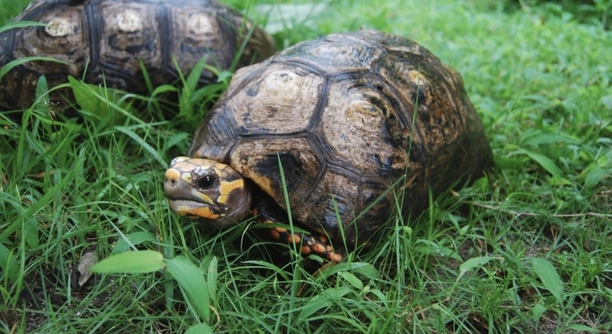
7 Signs Your Red-Footed Tortoise Is Ready to Hibernate

Is your red-footed tortoise showing unusual behavior as the seasons change? Understanding the signs of hibernation readiness can help you provide the best care and ensure your tortoise remains healthy during this natural process. Red-footed tortoises do not typically hibernate like some other species. However, they may experience a period of slowed activity known as … Read more
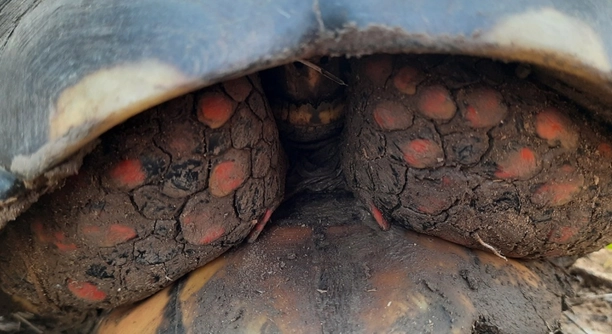
How to Tell If Your Red-Footed Tortoise Is Overfed

Is your red-footed tortoise looking a little too round lately? Overfeeding can lead to serious health issues, affecting mobility and overall well-being. Understanding the signs of overfeeding is essential to keeping your tortoise healthy and happy for years to come. An overfed red-footed tortoise may develop pyramiding, excessive weight gain, and lethargy. Pyramiding causes raised, … Read more

7 Best Plants to Avoid in a Red-Footed Tortoise Enclosure

Red-footed tortoises are popular pets, and providing a suitable enclosure is essential for their well-being. Choosing the right plants can prevent potential health issues. Knowing which plants to avoid is crucial for their safety and comfort. Certain plants can be harmful to red-footed tortoises if ingested or interacted with. These plants may cause digestive problems, … Read more

Why Is My Red-Footed Tortoise Biting Its Own Legs?

If your red-footed tortoise is biting its own legs, it may seem unusual or concerning. Understanding why this behavior occurs can help you address it properly and ensure your tortoise’s health and well-being. Red-footed tortoises may bite their own legs due to stress, boredom, or underlying health issues. Environmental factors such as inadequate space, improper … Read more

Can Red-Footed Tortoises Eat Avocado? (+Why It’s Dangerous)

Red-footed tortoises are known for their diverse diet, but some foods can pose health risks. One such food is avocado, which contains compounds that can be harmful to them. Understanding these dangers is key to their well-being. Red-footed tortoises should not eat avocado. Avocado contains a substance called persin, which can be toxic to them. … Read more

7 Ways to Make a Red-Footed Tortoise’s Shell Shinier

A red-footed tortoise’s shell is an important feature, both for its protection and appearance. Keeping it shiny can improve the tortoise’s overall health and help maintain its natural beauty. Several methods can help achieve this goal. To make a red-footed tortoise’s shell shinier, proper care and maintenance are essential. Regular cleaning, providing a healthy diet, … Read more

Why Is My Red-Footed Tortoise Always Rubbing Its Eyes?

Is your red-footed tortoise constantly rubbing its eyes, leaving you concerned about its health? Eye irritation in tortoises can stem from various factors, including environmental conditions, dietary imbalances, or potential infections that require attention. The most common reason your red-footed tortoise is rubbing its eyes is due to dryness or irritation from improper humidity levels. … Read more

7 Best Calcium Sources for Red-Footed Tortoises (+How to Use Them)

Are your red-footed tortoises getting the right amount of calcium in their diet? Proper calcium intake is essential for their bone health, shell development, and overall well-being. Without it, they may face serious health issues, including metabolic bone disease. The best calcium sources for red-footed tortoises include cuttlebone, calcium powder, eggshells, and natural foods like … Read more

How to Tell If Your Red-Footed Tortoise Is Too Fat

Red-footed tortoises are known for their unique and colorful shells, but caring for them means paying attention to their health. Maintaining a healthy weight is important for their overall well-being, and it’s crucial to spot any signs of obesity. A red-footed tortoise is considered overweight when its body shows signs of excess fat, such as … Read more