How to Tell If Rasbora Are Cold

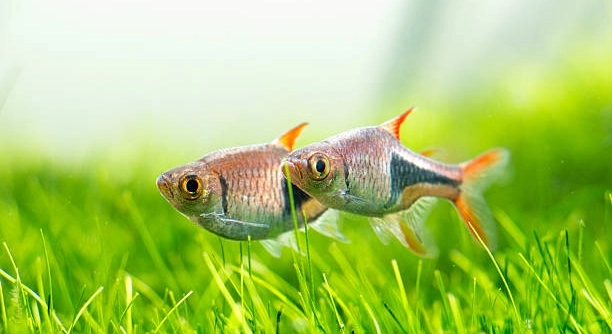
Are your rasbora fish acting a bit sluggish or hiding more than usual in the tank? Sometimes, subtle signs can show when these small fish are feeling too cold. Knowing how to spot these signs helps keep them healthy and happy. Rasbora fish show signs of being cold through slowed movement, clamped fins, and spending … Read more
7 Things That Trigger Rasbora Hyperactivity

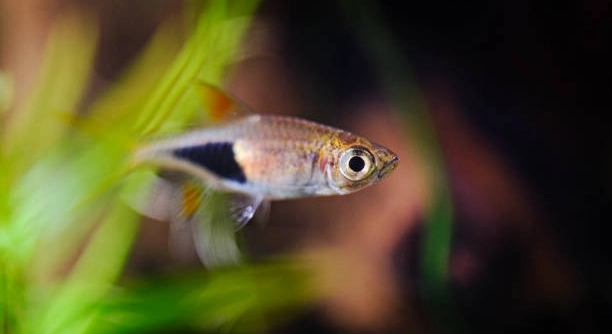
Do your rasboras sometimes dart around their tank nonstop, making it hard to tell if they’re excited or stressed? Rasbora hyperactivity is often triggered by sudden environmental changes, poor water quality, tank overcrowding, improper lighting, and temperature fluctuations. Stress from incompatible tank mates or lack of stimulation can also lead to increased, erratic swimming behavior. … Read more

7 Environmental Cues Rasbora Respond To

Rasboras are small freshwater fish that react to many things in their surroundings. Their behavior changes depending on different cues in the environment. Understanding these cues can help in caring for them properly. Rasboras respond to environmental factors such as water temperature, lighting, water flow, tank decorations, presence of other fish, feeding times, and water … Read more

7 Differences Between Calm and Stressed Rasbora

Many people enjoy keeping Rasboras as peaceful aquarium fish. Observing their behavior can help spot when they are calm or stressed. Knowing the differences can improve how you care for them and keep them healthy. Calm Rasboras show steady swimming, vibrant colors, and active social behavior, while stressed Rasboras display erratic movement, dull coloration, and … Read more

7 Sudden Changes That Shock Rasbora

Rasboras are popular freshwater fish known for their peaceful nature and vibrant colors. They can sometimes show sudden changes in behavior or appearance that may surprise their caretakers. Understanding these shifts is important for maintaining their health and wellbeing. Sudden changes in rasboras can be caused by factors such as water quality fluctuations, stress from … Read more

Do Rasbora Have a Favorite Time to Swim?

Do you enjoy watching Rasbora swim gracefully in your aquarium? These small, active fish often capture attention with their lively movements. Understanding their swimming habits can help create a better environment for them to thrive. Rasbora do not have a strict favorite time to swim but tend to be more active during daylight hours. Their … Read more

Why Rasbora Might Suddenly Prefer the Middle

Do you ever notice your rasbora spending less time near the surface and suddenly hovering in the middle of the tank instead? Rasboras often move to the middle of the tank due to subtle changes in water parameters, lighting, or stress levels. This behavior may also be linked to natural instincts or shifts in social … Read more

7 Benefits of Keeping Rasbora in Schools

Do your rasboras seem restless or disoriented when swimming alone or in small groups? Their natural instincts may be telling you something important about their well-being and daily behavior in your aquarium setup. Keeping rasboras in schools provides essential social structure, reduces stress, and encourages natural behaviors like synchronized swimming and group foraging. This schooling … Read more

7 Best Practices for Rasbora Tank Cycling

Setting up a tank for rasboras requires careful preparation to create a healthy environment. Cycling the tank properly helps establish beneficial bacteria that keep the water safe for your fish. This process is essential for their well-being and longevity. Tank cycling for rasboras involves establishing a stable biological filter through beneficial bacteria growth, which converts … Read more

How Rasbora Adjust to Filter Current

Rasboras are small, active fish commonly kept in home aquariums. They are known for their graceful swimming and social behavior. Many aquarists notice how these fish react to water flow created by aquarium filters. Rasboras adjust to filter currents by altering their swimming patterns and positioning. They often swim parallel to the flow or find … Read more