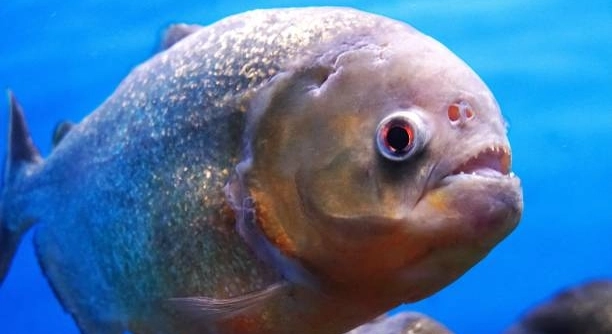
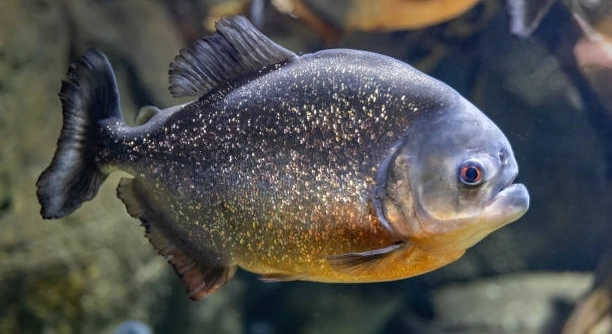
7 Steps to Cycle a New Piranha Tank

Setting up a new piranha tank requires careful preparation to keep your fish healthy and safe. Cycling the tank properly is an essential step that helps create a stable environment for your aquatic pets. This process may seem complicated at first, but it can be done smoothly with the right guidance. Cycling a new piranha … Read more
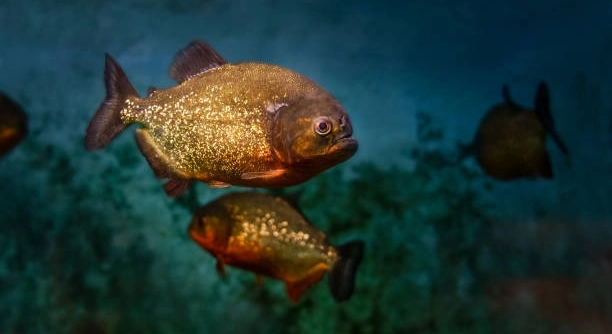
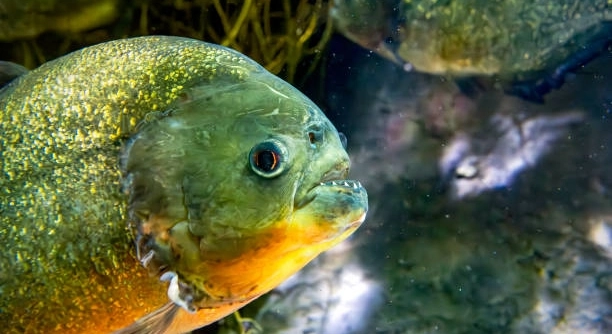
7 Things That Reduce Tank Anxiety for Piranhas

Do your piranhas often act skittish or hide more than usual, making it hard to enjoy their bold personalities in the tank? Piranhas experience anxiety from poor tank conditions, limited hiding spaces, inconsistent lighting, and environmental disruptions. Addressing these specific factors can significantly reduce their stress and help them maintain healthy behavior in captivity. Creating … Read more

7 Signs Piranhas Are Ready to Compete

Piranhas are fascinating fish known for their sharp teeth and strong instincts. When they prepare to compete, they show specific behaviors that signal readiness. These signs help observers understand their changing mood and intentions. Piranhas exhibit several clear signs when ready to compete, including heightened aggression, fin spreading, rapid swimming, and vocalizations. These behaviors indicate … Read more

How to Introduce Enrichment Items to a Piranha Tank

Introducing enrichment items to a piranha tank can improve the fish’s environment and overall well-being. Adding new objects helps keep piranhas mentally stimulated and encourages natural behaviors. This simple change can make a noticeable difference in their daily life. Proper introduction of enrichment items involves gradual placement and monitoring to ensure the fish adjust without … Read more

7 Piranha Body Shifts You Should Understand

Understanding how piranhas change their body can help anyone interested in these fascinating fish. These shifts are important for their survival, behavior, and how they interact with their environment. Knowing about them gives a clearer picture of piranha life. Piranha body shifts refer to the various physical and behavioral changes these fish undergo due to … Read more

7 Things That Make Piranhas Ditch a Meal

Piranhas are often seen as fierce and relentless feeders. Yet, there are times when these fish suddenly lose interest and abandon a meal. Various factors can influence their feeding behavior beyond simple hunger. Piranhas may ditch a meal due to changes in water temperature, stress, illness, the presence of dominant fish, poor water quality, unappealing … Read more

7 Signs Your Piranhas Are Learning Routine

Are your piranhas showing signs of recognizing their daily schedule? Watching these fish adapt to routine can be fascinating for any aquarium owner. Understanding their behavior helps create a stable environment for them to thrive. Piranhas can learn routine through repeated daily patterns, including feeding times and interactions. They respond consistently to stimuli, showing anticipation … Read more

Why Is My Piranha Pacing? (And How to Respond)

Are your piranhas swimming back and forth nonstop? Many owners notice this pacing behavior and wonder what it means. It can be puzzling and sometimes worrying when your fish won’t stay still in their tank. Piranha pacing usually indicates stress, boredom, or environmental issues like poor water quality or inadequate tank size. Identifying the cause … Read more

7 Repetitive Behaviors That Signal Stress

Stress often shows up in small, repeated actions that people might not notice right away. These behaviors can be subtle signals that the mind and body are under pressure. Recognizing them can help in managing stress more effectively over time. Repetitive behaviors such as nail biting, pacing, hair twirling, and fidgeting are common indicators of … Read more

7 Feeding Routines That Encourage Calm

Feeding routines have a significant impact on the mood and behavior of pets and children. Establishing calm and consistent eating habits can create a peaceful environment during mealtimes. This article presents seven feeding routines that help encourage calm and reduce stress. Implementing structured feeding routines promotes predictability and reduces anxiety during meals. Consistent timing, portion … Read more