
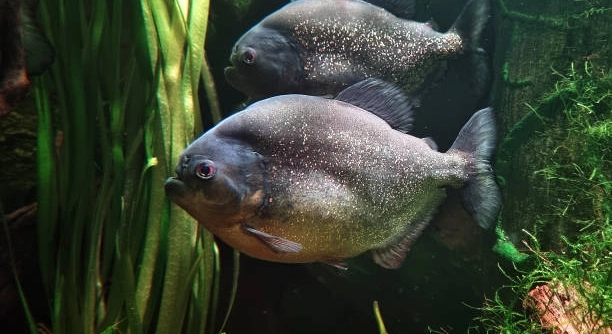
Piranhas are often seen as fierce and relentless feeders. Yet, there are times when these fish suddenly lose interest and abandon a meal. Various factors can influence their feeding behavior beyond simple hunger.
Piranhas may ditch a meal due to changes in water temperature, stress, illness, the presence of dominant fish, poor water quality, unappealing food, or disruptions in their environment. These factors affect their appetite and feeding motivation.
Understanding these reasons will help maintain piranha health and ensure they feed properly in captivity or the wild. Recognizing feeding triggers is essential for care and observation.
Changes in Water Temperature
Piranhas are sensitive to their environment, and water temperature plays a crucial role in their feeding habits. When the water becomes too cold or too warm, their metabolism slows down or speeds up, which can affect their appetite. Sudden fluctuations in temperature cause stress, leading piranhas to lose interest in food. In captivity, temperature shifts may occur due to heater malfunctions or seasonal changes. In the wild, weather variations impact water temperature naturally. Maintaining a stable temperature within the ideal range of 75–82°F helps keep piranhas comfortable and hungry. Monitoring the tank or habitat temperature regularly ensures their environment remains suitable for feeding. It is important to avoid rapid changes, as these can disrupt feeding routines and overall health. Consistent water temperature supports normal digestion and activity, encouraging piranhas to feed regularly without hesitation.
Stable water temperature directly influences piranhas’ willingness to eat by maintaining their natural metabolic rate and reducing stress.
Proper temperature control fosters healthier feeding patterns, promoting piranhas’ wellbeing and preventing feeding refusal linked to environmental stress.
Stress and Illness
Stress significantly impacts piranhas’ feeding behavior. Factors such as overcrowding, aggressive tank mates, or frequent handling increase stress levels. When stressed, piranhas conserve energy and avoid eating to focus on survival. Illness also reduces appetite. Common diseases like parasites or bacterial infections can cause lethargy and discomfort, leading to meal refusal. Recognizing signs of stress or illness is essential for timely intervention.
Piranhas experiencing stress or illness often refuse food until their condition improves.
Addressing the root causes of stress includes reducing tank population, avoiding aggressive companions, and minimizing disturbances. Quarantining new fish before introduction helps prevent disease spread. Regular health checks identify early symptoms of illness. Treating infections promptly with appropriate medications restores appetite. Providing a calm, clean environment lowers stress and encourages feeding. Balanced nutrition strengthens the immune system, aiding recovery. Consistent monitoring and care reduce the chances of prolonged meal refusal caused by stress or sickness. Preventive measures support piranhas’ overall health and feeding habits. Understanding these factors helps maintain a stable feeding routine even during challenging conditions.
Presence of Dominant Fish
Dominant fish can intimidate piranhas and interfere with their feeding. This behavior often causes less aggressive piranhas to avoid meals.
Dominant fish may control food access by chasing or blocking others. This creates stress and competition, leading some piranhas to skip feeding. In mixed-species tanks, this issue is common. Ensuring enough space and hiding spots helps reduce dominance conflicts. Feeding smaller groups separately can also improve access for shy individuals. Maintaining a balanced social environment minimizes meal refusals caused by aggressive tank mates.
Separating piranhas during feeding times encourages fair food distribution. Observing tank dynamics allows for timely adjustments to reduce stress and hunger-related issues.
Poor Water Quality
Poor water quality negatively affects piranhas’ appetite and health. Elevated ammonia, nitrite, or nitrate levels can cause discomfort and sickness, leading to feeding refusal.
Regular water testing and maintenance are essential for keeping water parameters safe. Dirty water reduces oxygen levels and increases toxins, stressing piranhas and suppressing their desire to eat. Frequent water changes and proper filtration help maintain cleanliness. Inadequate water quality can also weaken their immune system, making them prone to illness. Clear, well-oxygenated water supports normal feeding behavior and overall vitality. Keeping water within recommended levels is key to preventing meal abandonment and ensuring piranhas remain active and healthy in their environment.
Unappealing Food
Piranhas can be picky about their meals. If the food is stale or not to their preference, they may refuse to eat.
Offering fresh, appropriate food is important. Variety helps maintain their interest and provides balanced nutrition.
Disruptions in Environment
Sudden changes, such as loud noises, vibrations, or frequent movement near the tank, can disturb piranhas and cause them to stop feeding temporarily.
Maintaining a calm, stable environment reduces stress and encourages consistent feeding habits.
Illness
Illness often causes a loss of appetite in piranhas. Symptoms such as lethargy, unusual swimming, or visible spots indicate health issues that need attention.
Addressing illness promptly is crucial to restore appetite and prevent long-term feeding problems.
Why do piranhas sometimes refuse to eat even when the water conditions seem fine?
Piranhas may refuse food despite good water conditions due to factors such as stress, social dynamics, or unappealing food. Even if water quality is optimal, sudden changes in their environment or the presence of dominant fish can disrupt feeding. Additionally, piranhas have preferences for fresh and varied food; repeated feeding of the same item might cause boredom or refusal. Monitoring behavior and adjusting feeding routines can help identify the exact cause.
How can temperature fluctuations affect piranha feeding habits?
Temperature changes influence piranhas’ metabolism. If water is too cold, their metabolism slows down, reducing hunger and feeding activity. Too warm water speeds metabolism but can increase stress. Sudden temperature shifts cause discomfort, making piranhas avoid eating until conditions stabilize. Keeping temperature steady within 75–82°F minimizes these issues, helping maintain regular feeding.
What signs indicate that piranhas are stressed or ill?
Stress and illness reduce appetite in piranhas. Common signs include erratic swimming, hiding, lethargy, clamped fins, and color changes. Physical symptoms like white spots, redness, or swollen areas indicate infection or parasites. Stress may result from overcrowding, aggression, or poor water quality. Early detection of these signs is key to treating issues before appetite loss becomes prolonged.
Can tank mates cause feeding problems for piranhas?
Yes. Dominant or aggressive tank mates may intimidate piranhas, limiting their access to food. This leads to stress and skipped meals for less dominant fish. Proper tank management, such as providing hiding places and feeding in separate areas, reduces competition. Observing social interactions helps prevent feeding disruption caused by aggression.
How important is food variety for piranhas?
Variety plays a significant role in keeping piranhas interested in their meals. Offering different protein sources like fish, shrimp, or insects mimics their natural diet and provides balanced nutrition. Feeding the same food repeatedly may cause refusal due to boredom or lack of nutrients. Freshness is equally important; stale food is often rejected. Rotating food types supports healthy appetite and overall wellbeing.
What environmental disruptions cause piranhas to stop eating?
Loud noises, vibrations, and excessive movement near the tank disturb piranhas. These disruptions trigger stress responses, causing temporary feeding refusal. Sudden changes in lighting or frequent rearranging of tank decorations also unsettle them. Keeping a calm and stable environment minimizes these interruptions and promotes regular feeding behavior.
How can poor water quality affect piranha feeding?
Poor water quality introduces toxins like ammonia and nitrites that cause discomfort and illness. This leads to reduced appetite or complete refusal to eat. High nitrate levels lower oxygen availability, stressing piranhas further. Regular testing, water changes, and filtration are essential to maintain clean water. Healthy water conditions support normal feeding and immune function.
What should be done if a piranha stops eating for several days?
If a piranha refuses food for more than two days, check water parameters immediately and observe for signs of illness or stress. Isolate sick fish if needed and consult an aquatic veterinarian for diagnosis and treatment. Adjust environmental factors like temperature, tank mates, and feeding methods. Patience and consistent care often restore appetite over time.
Can feeding schedule impact piranha meal refusal?
Yes, irregular feeding times or overfeeding may cause piranhas to lose interest in food. Feeding once or twice daily at consistent times helps maintain hunger and routine. Avoid excessive feeding, which can lead to poor water quality and reduced appetite. Balanced portions and regular schedules encourage healthy eating habits.
Is it normal for piranhas to skip meals occasionally?
Occasional meal skipping can happen, especially during minor stress or environmental changes. This behavior is usually temporary if all other conditions are optimal. However, repeated or prolonged refusal may indicate deeper issues requiring attention. Monitoring patterns helps distinguish normal behavior from problems.
Final Thoughts
Piranhas are unique fish with specific needs that influence their feeding habits. Understanding the reasons behind their refusal to eat is important for maintaining their health and well-being. Factors such as water quality, tank environment, social dynamics, and food preferences all play a role. Addressing these elements carefully can help reduce the chances of piranhas ditching their meals and improve their overall condition.
It is essential to monitor the tank regularly to ensure stable water parameters and a peaceful environment. Keeping the water clean and within the correct temperature range supports piranhas’ metabolism and appetite. Providing hiding places and observing interactions between tank mates also prevents stress caused by aggression or dominance. Feeding fresh, varied food encourages them to eat consistently and meet their nutritional needs.
Patience and attention to detail are necessary when caring for piranhas. Changes in feeding behavior can indicate underlying problems that require timely action. Proper tank maintenance, diet management, and reducing disturbances can promote regular feeding. Understanding these factors allows for better care and a healthier environment for piranhas, supporting their longevity and activity in captivity.

Hello,
If you enjoy the content that we create, please consider saying a "Thank You!" by leaving a tip.
Every little bit helps us continue crafting quality advice that supports the health, happiness, and well-being of pets around the world, for pets of all shapes, sizes, and species.
We really appreciate the kindness and support that you show us!