7 Tank Mistakes That Escalate Aggression
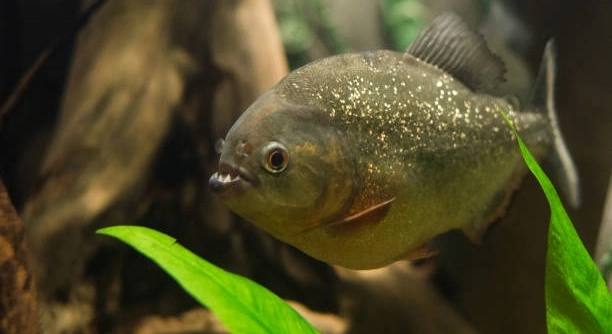
Are your peaceful tank fish suddenly acting more aggressive than usual, leaving you confused and worried about their behavior? Aggression in tanks is often caused by avoidable mistakes related to environment, space, and species compatibility. These issues can create stress, territorial disputes, and even physical harm among fish. Understanding what might be going wrong can … Read more

7 Feeding Times That Match Natural Instinct

Feeding pets at the right times can improve their health and behavior. Many owners struggle to find feeding schedules that align with their animals’ natural rhythms. This article offers guidance on matching feeding times with instinctive patterns. Optimal feeding times correspond with an animal’s natural activity and metabolic cycles. Aligning feeding schedules with these innate … Read more

7 Behaviors That Occur After a Tank Redesign

Many tank owners notice changes after their tanks go through a redesign. Adjustments in setup, plants, and decorations can cause shifts in the tank’s environment and its inhabitants’ behavior. These changes can be subtle or quite noticeable. After a tank redesign, fish and other aquatic creatures often exhibit altered behaviors such as increased hiding, changes … Read more

7 Reactions Piranhas Might Have to External Noise

Piranhas are known for their sharp teeth and quick movements. They live mostly in freshwater environments, where sounds from outside can catch their attention. These fish react differently to noises around them in their habitat. Piranhas exhibit a variety of responses to external noise, including increased alertness, changes in swimming patterns, and altered feeding behavior. … Read more

7 Habits to Avoid During Piranha Feeding

Caring for piranhas during feeding time requires attention and caution. Feeding them properly ensures safety for both the fish and the keeper. Avoiding certain habits can prevent accidents and stress in these sharp-toothed creatures. Avoid approaching the tank abruptly, overfeeding, or using bare hands during feeding. These actions increase the risk of injury and disrupt … Read more

How to Spot Nipping Injuries in Grouped Piranhas

Do you ever find yourself wondering why your piranhas have small bites or marks on their bodies after a quiet day in the tank? Nipping injuries in grouped piranhas are most often caused by dominance behavior, territorial disputes, or feeding aggression. Identifying early signs such as torn fins, missing scales, or unusual swimming patterns can … Read more

7 Breathing Patterns That Signal Trouble

Breathing is a basic function that most people take for granted. Yet, certain unusual breathing patterns can signal health problems that require attention. Recognizing these signs early can be crucial for timely care and intervention. Seven distinct breathing patterns often indicate underlying medical issues. These include rapid breathing, shallow breaths, irregular rhythms, noisy breathing, prolonged … Read more

7 Ways Piranhas React to New Scents

Piranhas are known for their sharp teeth and fast reactions. These fish respond quickly to changes in their environment, especially new scents in the water. Understanding how piranhas react to smells can help us learn more about their behavior. Piranhas exhibit distinct responses to new scents, including increased movement, cautious investigation, aggression, and feeding behaviors. … Read more

7 Clues Piranhas Are Adjusting to New Light

Many fish species adapt to changes in their environments, and piranhas are no exception. These sharp-toothed fish are known for their behavior and hunting skills, which may shift as their surroundings change, especially with new light conditions. Research shows piranhas adjust their behavior, vision, and activity patterns in response to changes in light. These adjustments … Read more

What’s the Ideal PH for a Piranha Tank? (+Tips)

Piranhas are fascinating fish that require specific care to thrive in a home aquarium. One of the key factors in maintaining their health is ensuring the water conditions are suitable. Proper pH levels help keep these fish active and stress-free. The ideal pH for a piranha tank is typically between 6.5 and 7.5. Maintaining this … Read more