Why Are My Discus Fins Starting to Clamp?
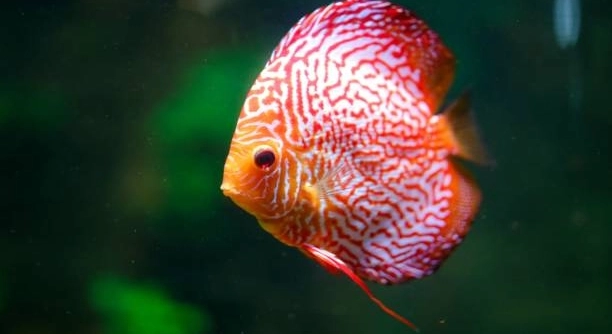
Discus fish are popular for their vibrant colors and graceful swimming. Sometimes, their fins start to clamp, which can worry many fish keepers. Understanding why this happens can help keep your discus healthy and comfortable. Clamped fins in discus fish are usually a sign of stress, illness, poor water quality, or improper tank conditions. Identifying … Read more

7 Effects of Changing Discus Diets Too Fast

Changing the diet of discus fish too quickly can cause unexpected problems for their health. Many fish owners want to improve nutrition but may not realize the risks involved with rapid food changes. Understanding these effects is important for proper care. Sudden changes in discus diets can lead to stress, digestive issues, weakened immunity, and … Read more

Do Discus Fry Grow Better in Dim Light?

Are your discus fry not growing as quickly as you expected, even though you’re following the right feeding and care routine? Discus fry grow better in dim light because it reduces their stress levels and encourages more consistent feeding behavior. Brighter lighting may cause them to become anxious or inactive, negatively affecting their overall development … Read more

7 Feeding Methods That Discus Fry Prefer

Feeding discus fry requires special care because their dietary needs differ from adult fish. Many fishkeepers seek the best ways to support healthy growth and development for these delicate young discus. Proper feeding methods can make a big difference in their survival and wellbeing. There are several feeding methods that discus fry prefer, including infusoria … Read more

What Tankmates Are Safe for Discus Fish? (Full Guide)

Keeping discus fish healthy and happy in a community tank requires choosing the right tankmates carefully. Many hobbyists want peaceful companions that won’t stress or harm these beautiful fish. Selecting compatible species is key to a thriving aquarium environment. Safe tankmates for discus fish include peaceful, non-aggressive species such as tetras, dwarf cichlids, and Corydoras … Read more

7 Signs Your Discus Tank Is Too Bright

Many discus owners want their tanks to look bright and lively. However, too much light can cause stress and harm to the fish. It is important to recognize when the tank lighting is too intense for your discus. Excessive brightness in a discus tank can lead to stress, reduced coloration, and weakened immune systems. Overexposure … Read more

7 Early Clues That Fry Are Underfed

Underfeeding fry can cause many problems in their early growth stages. Recognizing early signs helps ensure they get the nutrition they need to thrive. This article highlights common clues that indicate fry may not be eating enough. Fry that are underfed often show slow growth, decreased activity, and pale coloration. These symptoms occur because insufficient … Read more

7 Causes of Torn Fins in Discus Fish (+Fixes)

Are your discus fish showing signs of frayed or torn fins that seem to get worse over time, despite good care? Torn fins in discus fish are often caused by poor water quality, stress, aggressive tank mates, injury, or infections. Identifying the specific cause is key to providing effective treatment and preventing further fin damage … Read more

7 Things That Discourage Discus Breeding

Breeding discus fish can be rewarding, but it also comes with challenges that many hobbyists face. Understanding what discourages breeding helps improve success and creates a better environment for these beautiful fish. This article explores common obstacles in discus breeding. Several factors discourage discus breeding, including poor water quality, inadequate diet, improper tank setup, stress, … Read more

Should Discus Be Fed Live Food Regularly?

Discus fish are popular for their vibrant colors and graceful swimming. Many hobbyists want to provide the best care and diet to keep them healthy and happy. Feeding habits often raise important questions for discus owners. Feeding discus live food regularly can be beneficial as it mimics their natural diet and promotes active feeding behavior. … Read more