
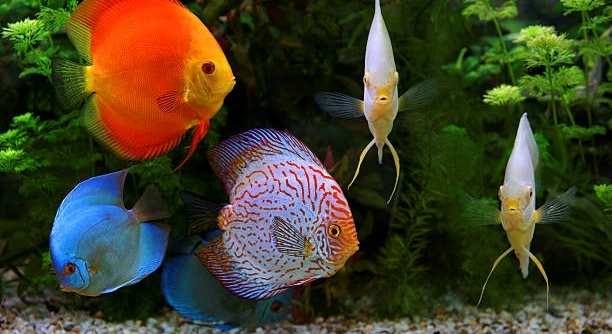
Keeping discus fish healthy and happy in a community tank requires choosing the right tankmates carefully. Many hobbyists want peaceful companions that won’t stress or harm these beautiful fish. Selecting compatible species is key to a thriving aquarium environment.
Safe tankmates for discus fish include peaceful, non-aggressive species such as tetras, dwarf cichlids, and Corydoras catfish. These fish share similar water parameters and temperaments, making them suitable companions that coexist well without causing stress or competition.
Knowing which fish can live peacefully with discus helps create a balanced, calm tank. This guide offers clear information to make the best choices for your aquarium setup.
Why Choosing Compatible Tankmates Matters
Discus fish are known for their calm and sensitive nature. They require stable water conditions and minimal stress to thrive. Choosing the right tankmates is essential because aggressive or very active fish can cause stress, leading to illness or poor growth in discus. Tankmates that require different water parameters or have conflicting temperaments might also create problems in maintaining a balanced environment. For example, fast-swimming fish may outcompete discus for food or disturb them. Peaceful fish that share similar water needs—such as warm, soft, and slightly acidic water—are ideal companions. Proper selection helps keep the tank peaceful and allows discus fish to show their best colors and behavior. Avoiding overly aggressive or territorial species also reduces the chance of injuries or stress-related diseases. In the end, compatibility supports the overall health of your discus and the stability of the aquarium ecosystem.
Keeping a calm and stress-free environment helps discus fish live longer and look healthier.
Choosing the right tankmates means considering fish behavior, water requirements, and size. Peaceful schooling fish like tetras and small catfish are good choices. Avoid large, aggressive, or fin-nipping fish. Matching these factors ensures everyone in the tank can coexist peacefully.
Common Safe Tankmates for Discus
Peaceful species that thrive in similar water conditions make the best tankmates for discus fish. Small tetras, such as cardinal or rummy nose tetras, are popular because they are calm, colorful, and stay in groups. Corydoras catfish are bottom dwellers that clean leftover food without bothering discus. Dwarf cichlids like apistogrammas also work well, as long as they are not too aggressive. Some angelfish can be compatible if introduced carefully and monitored. Avoid fish that nip fins or are too active, like some barbs or large cichlids, as they can stress discus. Shrimp and snails can be good tankmates but watch out for species that might bother the discus fry. Selecting fish with similar temperature and pH preferences helps keep the water stable, which is vital for discus health.
Safe tankmates help maintain a peaceful, balanced aquarium where discus fish can thrive without stress.
Tankmate Fish to Avoid
Aggressive or territorial fish are not suitable tankmates for discus. Species like tiger barbs, large cichlids, and some gouramis can cause stress or injury. Avoid fish that nip fins or are overly active around your discus.
Tiger barbs often nip fins and can bully slower fish like discus. Large cichlids may compete aggressively for space and food, disturbing the calm tank environment needed for discus. Gouramis, depending on species, might show territorial behavior that isn’t compatible with discus. Fast or aggressive fish can outcompete discus at feeding times and stress them, leading to health issues. Keeping these species apart helps maintain a peaceful and balanced aquarium.
Even some schooling fish like barbs or danios, which are active swimmers, might stress discus because of their speed and constant movement. It’s best to avoid any species that don’t share a calm temperament and water preferences.
Water Conditions for a Community Tank with Discus
Discus fish need warm water, typically between 82°F and 86°F, with soft, slightly acidic conditions (pH around 6.0 to 7.0). Tankmates should thrive under similar conditions to avoid health problems. Sudden changes in water quality can stress all fish involved.
Many common tropical fish can live in these parameters, but it’s important to avoid species requiring cooler or harder water. Keeping temperature and pH stable supports a healthy community tank. Regular testing and water changes help maintain these conditions. Compatible fish will be more comfortable and less prone to disease.
Matching water needs also means choosing tankmates that won’t alter the water chemistry, such as some snail or shrimp species that may increase hardness or pH. Planning carefully before adding any new species ensures your discus and tankmates thrive together without conflict.
Feeding Tankmates with Discus
Feeding discus and their tankmates requires balance. Discus need high-protein diets, while some tankmates prefer flakes or pellets. Feeding should meet everyone’s needs without causing competition or leftover waste.
Separate feeding areas or slow feeders can help. It ensures discus get enough food without stress from faster eaters or overfeeding issues.
Benefits of Keeping Corydoras with Discus
Corydoras catfish are peaceful bottom dwellers that clean leftover food and help maintain tank cleanliness. They prefer similar water conditions and won’t bother discus. Their calm nature and small size make them excellent companions. Corydoras add activity to the tank’s lower levels without stressing discus, creating a balanced aquarium.
Common Mistakes with Discus Tankmates
Choosing aggressive or very active fish often leads to stress and health issues for discus. Mixing species with different water needs can cause illness. Overstocking the tank reduces water quality and increases tension. Avoid these mistakes to keep your discus healthy and comfortable.
FAQ
What are the best fish to keep with discus?
The best tankmates for discus are peaceful, small to medium-sized fish that prefer similar water conditions. Popular choices include cardinal tetras, rummy nose tetras, and Corydoras catfish. These species are calm, social, and don’t compete aggressively for food or space. They thrive in warm, soft, and slightly acidic water, matching discus preferences well. Avoid fast or aggressive fish to keep stress low and maintain harmony in the tank.
Can angelfish live with discus?
Angelfish can live with discus if introduced carefully and monitored closely. Both species share similar water requirements, but angelfish sometimes show territorial behavior or nip fins. Keeping a larger tank with plenty of hiding spots helps reduce conflicts. It’s best to observe their interaction over time and separate them if any aggression occurs to protect your discus.
Why should I avoid barbs with discus?
Barbs, especially tiger barbs, are often too aggressive and active for discus tanks. They tend to nip fins and harass slower fish like discus. Their fast swimming can stress discus, making them more vulnerable to disease. For a peaceful tank environment, it’s better to choose calmer fish with gentler temperaments.
Do discus need special water conditions?
Yes, discus require warm water between 82°F and 86°F, with soft, slightly acidic water (pH 6.0–7.0). Maintaining these conditions is critical because discus are sensitive to water quality changes. Tankmates should share these preferences to prevent stress and illness. Regular water testing and frequent changes help keep the environment stable.
Can shrimp live with discus?
Some shrimp species, like Amano shrimp or ghost shrimp, can coexist with discus if the tank is large enough. Shrimp help clean leftover food but may be seen as food by larger discus. Providing plenty of plants or hiding places helps shrimp avoid being eaten. It’s important to monitor interactions to ensure peaceful coexistence.
What should I feed discus and their tankmates?
Discus require a diet high in protein, including pellets, frozen or live foods like bloodworms and brine shrimp. Tankmates like tetras or Corydoras usually eat flakes or sinking pellets. Feeding small amounts multiple times a day helps prevent competition and reduces leftover waste, which can harm water quality.
How many tankmates can I keep with discus?
Tank size and filtration capacity determine how many tankmates can live with discus comfortably. Overcrowding increases stress and lowers water quality, which harms discus health. A good rule is to provide at least 10 gallons of water per discus and keep the number of tankmates balanced to avoid overcrowding.
Are snails good tankmates for discus?
Many snail species are peaceful and can live with discus, helping clean algae and leftover food. However, some snails may affect water parameters, so it’s important to choose species known to be compatible. Monitoring water conditions regularly helps avoid problems.
How do I introduce new fish to a discus tank?
Introduce new fish slowly to reduce stress. Quarantine new arrivals for at least two weeks to prevent disease. Use a drip acclimation method to help fish adjust to water parameters gradually. Adding tankmates at the same time helps reduce territorial behavior. Watch closely for signs of aggression or illness.
Can discus live with other cichlids?
Most larger or aggressive cichlids are not suitable tankmates because they can bully discus. Some dwarf cichlids, like apistogrammas, may be compatible if kept in large tanks with plenty of hiding spots. Always observe interactions carefully to avoid stress or injury.
Why do discus need peaceful tankmates?
Discus are shy and sensitive fish that thrive in calm environments. Stress from aggressive or overly active tankmates can cause illness and poor coloration. Peaceful companions help discus feel secure and reduce stress-related behaviors, promoting better health and longevity.
How do I keep the tank clean with multiple species?
Good filtration, regular water changes, and proper feeding are key. Bottom dwellers like Corydoras and some snails help clean leftover food, reducing waste buildup. Avoid overfeeding and overcrowding to maintain water quality. Regular testing for ammonia, nitrites, and nitrates ensures a safe environment for all fish.
Choosing the right tankmates for your discus fish is important for a healthy and peaceful aquarium. Discus are sensitive fish that need calm companions sharing similar water conditions. Picking fish that are peaceful and not too active helps reduce stress and promotes their well-being. Fish like tetras, Corydoras catfish, and some dwarf cichlids generally do well with discus. Avoiding aggressive or very fast species is key to keeping discus comfortable and safe.
Water quality and stability play a big role in keeping discus and their tankmates healthy. Discus prefer warm water with soft, slightly acidic conditions. Tankmates should be able to thrive in the same environment to avoid causing problems. Regular water changes, good filtration, and careful feeding keep the tank clean and balanced. Overcrowding or mixing fish with very different needs can lead to stress and illness. Taking time to research the species you want to add helps create a stable community tank.
It’s also important to watch how your discus interact with their tankmates once introduced. Sometimes, even compatible fish may show signs of stress or aggression. Providing plenty of hiding spots and enough space can help reduce conflicts. Keeping a close eye on behavior and water parameters ensures problems are caught early. With patience and care, a well-planned discus tank can be a beautiful and peaceful home for many fish. The right choices make all the difference for a happy aquarium.

Hello,
If you enjoy the content that we create, please consider saying a "Thank You!" by leaving a tip.
Every little bit helps us continue crafting quality advice that supports the health, happiness, and well-being of pets around the world, for pets of all shapes, sizes, and species.
We really appreciate the kindness and support that you show us!