7 Times Convict Cichlids Surprise Their Owners
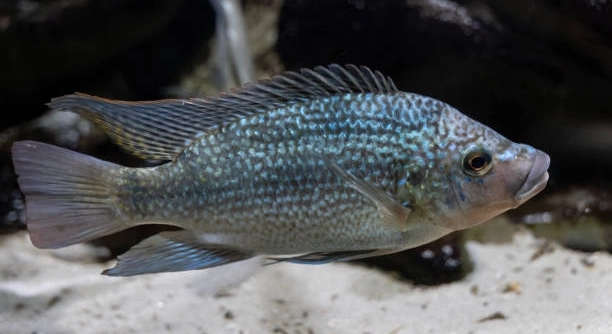
Have you ever kept convict cichlids and noticed how often they behave in unexpected ways within a home aquarium, turning simple fishkeeping moments into experiences that feel surprising, memorable, and sometimes deeply endearing to owners. The primary reason convict cichlids surprise their owners lies in their advanced social behaviors, strong parental instincts, and environmental awareness, … Read more

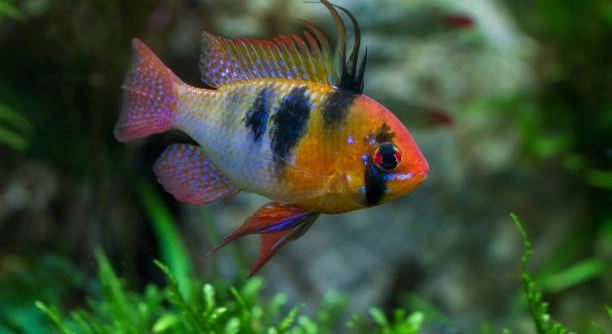
7 Foods That Make Cichlid Colors Pop

Cichlids are admired for their bright, vivid colors, which can make any aquarium feel alive. Their beauty often depends on more than genetics. Diet plays a crucial role in enhancing and maintaining their natural hues. Certain foods are proven to intensify cichlid coloration. Ingredients rich in carotenoids, spirulina, and astaxanthin promote vibrant reds, oranges, and … Read more

7 Signs of Bonding Between Convict Pairs

Many convicts spend years surrounded by strangers and strict routines, yet some form close relationships that help them cope. These connections can provide comfort, understanding, and stability, making daily life slightly more bearable in a harsh environment. Bonding between convict pairs is often indicated by shared routines, mutual support, verbal and nonverbal communication, trust-building behaviors, … Read more

What If My Convict Cichlids Never Breed?

Are your convict cichlids showing little interest in breeding despite your careful setup? Many aquarists face this situation, observing their fish swim peacefully yet without laying eggs or showing typical mating behaviors in the tank environment. Convict cichlids may fail to breed due to factors such as inadequate water conditions, insufficient hiding spaces, improper diet, … Read more

7 Times You Should Avoid Feeding Live Food

Feeding live food can feel natural for many pet owners, especially when caring for reptiles or fish, yet this practice carries risks that are often overlooked during daily routines and well meaning care decisions process. Live food should be avoided during periods of illness, stress, injury, or improper housing because it can introduce parasites, cause … Read more

What If a Cichlid Pair Stops Defending Fry?

Do you ever notice your cichlid pair swimming past their fry without much attention, leaving the little ones exposed in the tank? Many fish owners have seen their usually protective parents act unusually indifferent, causing concern for the fry’s safety. When a cichlid pair stops defending their fry, it is often due to stress, poor … Read more

7 Ways to Safely Introduce New Tankmates

Adding new fish or other creatures to your aquarium can feel exciting but also stressful. Many fish owners worry about aggression, stress, or illness when introducing a new tankmate into an established environment. The safest way to introduce new tankmates is by following careful, gradual steps. Quarantining new arrivals, monitoring behavior, maintaining proper water conditions, … Read more

7 Signs of Cichlid Hormonal Behavior

Cichlids are fascinating fish, known for their vibrant colors and unique behaviors. Observing them closely can reveal patterns that go beyond normal activity. Hormonal changes often trigger noticeable shifts in how they interact with their environment and other fish. Hormonal behavior in cichlids can manifest through increased aggression, territorial marking, frequent spawning attempts, excessive digging, … Read more

Do Convict Cichlids Form Permanent Bonds?

Convict cichlids are popular among aquarium enthusiasts for their vibrant colors and active behavior. Many fishkeepers observe their interactions closely, noticing the ways they swim, defend territories, and respond to each other in shared tanks. Convict cichlids do not form permanent bonds in the way mammals or some bird species do. They exhibit pairing behavior … Read more

Why Are Fry Climbing the Tank Walls?

Do your fry seem to be climbing the tank walls constantly, leaving you unsure of what might be wrong? Observing this behavior can be worrying, especially when your goal is to keep your fry healthy and thriving. Fry climbing the tank walls is usually a response to poor water quality, insufficient oxygen, or stress in … Read more