
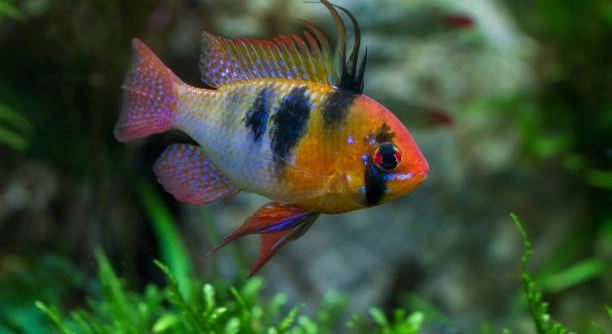
Cichlids are fascinating fish, known for their vibrant colors and unique behaviors. Observing them closely can reveal patterns that go beyond normal activity. Hormonal changes often trigger noticeable shifts in how they interact with their environment and other fish.
Hormonal behavior in cichlids can manifest through increased aggression, territorial marking, frequent spawning attempts, excessive digging, unusual coloration changes, heightened protective instincts, and intensified interactions with tank mates. Recognizing these signs helps in managing their care effectively and maintaining a balanced aquarium environment.
Learning to identify these behaviors early ensures healthier interactions and reduces stress for both the fish and their owner. Proper observation can enhance your understanding of cichlid dynamics.
Increased Aggression
Cichlids can suddenly become more aggressive during hormonal changes. You may notice chasing, nipping, or blocking other fish from certain areas of the tank. This behavior is often a sign that a fish is preparing to defend a territory or potential breeding site. Aggression may escalate over days, with some fish targeting specific tank mates repeatedly. Observing which fish are being challenged and how often these encounters occur can help in assessing the intensity of hormonal influence. Tank layout can also play a role, as limited hiding spaces increase conflict. Providing extra shelters and visual barriers reduces stress and prevents injuries. It is important to separate overly aggressive individuals if the situation worsens. Hormonal aggression is temporary but requires attention to maintain a peaceful aquarium environment. Adjusting feeding schedules and monitoring water quality can also help in minimizing tension. Overall, careful observation and strategic tank management keep the fish safe during these periods.
This aggression is temporary, often tied to spawning cycles, and usually decreases once breeding behaviors subside.
Watching closely during these periods helps prevent injuries and keeps interactions under control, ensuring the tank remains balanced.
Frequent Spawning Attempts
Some cichlids begin laying eggs or attempting to breed more often than usual when hormones peak. This can include cleaning specific surfaces repeatedly or performing courtship displays toward tank mates. Spawning behaviors may appear even if no mating partner is present. These actions are driven by natural instincts, and the fish respond to internal hormonal signals rather than the environment alone. Observing these attempts helps determine whether the fish are ready to breed or just exhibiting hormonal restlessness. Regular water changes and maintaining proper temperature conditions support these behaviors without causing harm. Overcrowded tanks can stress both spawning and non-spawning fish, so ensuring enough space is crucial. Hormonal activity can also make fish more protective of their chosen surfaces, so adding extra hiding spots reduces conflicts. Feeding protein-rich foods during this time may encourage healthy breeding behavior. Careful attention allows the fish to express natural instincts safely while keeping the aquarium balanced.
Frequent spawning behavior signals that your cichlids’ hormonal levels are high, prompting increased protective and reproductive activity.
Supporting natural behaviors with tank management and proper nutrition ensures healthier fish and reduces stress in both parents and other tank mates.
Territorial Marking
Cichlids often claim specific areas of the tank when hormones rise. They may dig, move decorations, or chase intruders away to protect their space. This is a normal part of their behavior during breeding cycles.
Territorial marking becomes more obvious when fish repeatedly defend certain spots. They may scrape substrate, shift rocks, or guard caves. These behaviors are tied to hormonal changes and reproductive instincts, signaling readiness for mating or protecting potential eggs. Fish without adequate space may become stressed or injured. Adjusting tank layout and adding barriers helps reduce conflict. Understanding these patterns allows you to manage the aquarium effectively and maintain harmony among tank mates. Observing interactions regularly gives insight into which fish are more dominant.
Some cichlids may guard multiple areas at once, increasing aggression toward others. Providing separate zones and visual breaks can help manage conflicts and protect less dominant fish, keeping the tank balanced during hormonal peaks.
Unusual Coloration Changes
Cichlids may show intensified or unusual colors when hormones surge. Their fins, body, or head may brighten or display new patterns, often signaling reproductive readiness.
Color changes often accompany breeding behavior and can indicate stress, dominance, or mating readiness. Fish may develop darker markings or brighter highlights, making them stand out in the tank. These changes are temporary and usually fade once hormonal cycles stabilize. Monitoring water quality and diet supports healthy coloration without adding stress. Some fish display subtle shifts, while others dramatically change, reflecting individual hormonal responses. Recognizing these changes helps differentiate between normal hormonal behavior and potential illness. Color intensity can also influence social interactions, with more vibrant fish asserting dominance over others, altering tank dynamics.
Maintaining stable conditions and proper nutrition enhances natural coloration while reducing unnecessary stress. Observing color patterns can give clues about breeding activity and social hierarchy, helping manage interactions safely.
Excessive Digging
Cichlids often dig more when hormones are high. They move substrate around to prepare potential nesting sites or claim territory.
This behavior can disturb plants or decorations, but it is natural. Providing extra sand or gravel allows them to dig safely without damaging the tank environment.
Heightened Protective Instincts
Hormonal changes make cichlids more protective of eggs, fry, or chosen territories. They may chase tank mates or hover near specific areas constantly. This behavior ensures their reproductive success and signals readiness for breeding. Careful observation helps prevent stress or injury to other fish while allowing natural instincts to be expressed.
Intensified Interactions
Cichlids may interact more aggressively or closely with tank mates during hormonal peaks. They inspect, chase, or block others frequently to assert dominance.
Monitoring these interactions and maintaining ample space prevents prolonged stress. Adjusting tank layout and providing shelters supports balanced social behavior and keeps the aquarium environment stable.
FAQ
How can I tell if my cichlid is showing hormonal behavior or just being aggressive?
Hormonal behavior in cichlids usually coincides with breeding readiness and is often temporary. Aggression linked to hormones is more structured, such as guarding a territory, chasing specific fish, or digging repeatedly in one area. Random or constant aggression outside these patterns is likely unrelated to hormones. Observing the context and timing of these behaviors helps differentiate natural hormonal responses from general hostility.
Should I separate aggressive cichlids during hormonal surges?
Separation may be necessary if aggression is severe or other fish are stressed or injured. Providing visual barriers, extra hiding spaces, or dividing the tank temporarily can reduce conflict while allowing natural behaviors to occur. Temporary separation during peak hormonal activity often prevents long-term injuries and stress.
Can hormonal behavior affect water quality or tank health?
Yes, behaviors like digging or excessive territory marking can stir up substrate, increasing waste and affecting water clarity. Frequent water testing and partial water changes help maintain stable conditions. Adding additional filtration or rearranging decorations can also reduce environmental stress caused by these behaviors.
Does diet influence hormonal behavior?
Diet can influence the intensity of hormonal behavior. High-protein foods and breeding-specific diets may trigger stronger reproductive instincts, while a balanced diet maintains health without excessively stimulating hormones. Feeding small, frequent portions ensures nutrition without overfeeding, which can affect water quality.
How long do hormonal behaviors typically last?
Hormonal behaviors usually peak during breeding cycles and gradually subside once mating or territory establishment is complete. Duration varies by species, age, and environment but generally lasts several days to a few weeks. Maintaining proper tank conditions ensures these periods pass without causing harm to fish or the aquarium.
Can tank setup reduce stress during hormonal changes?
Yes, arranging the tank with sufficient hiding spots, caves, and separate zones can reduce stress. Visual barriers help minimize confrontations and allow less dominant fish to retreat. A well-planned layout supports natural behaviors while keeping interactions controlled and the aquarium balanced.
Are hormonal behaviors more common in certain cichlid species?
Some species show more pronounced hormonal behaviors, especially those known for territorial or complex breeding habits. Mouthbrooders, for example, exhibit intense protective instincts, while other cichlids may show subtler changes. Understanding your species’ typical behavior patterns helps anticipate and manage these changes.
Can hormonal behavior cause long-term issues?
If left unmanaged, hormonal behavior can lead to injuries, stress, or dominance-related health problems in other fish. Providing proper space, nutrition, and tank management reduces these risks and allows the natural cycle to occur safely. Regular observation is key to preventing long-term problems.
What signs indicate hormonal stress rather than normal behavior?
Signs of stress include lethargy, loss of appetite, rapid breathing, or hiding for extended periods. While hormonal changes involve increased activity, stressed fish may act unusually passive or show physical symptoms. Adjusting tank conditions and monitoring closely ensures both hormonal and general stress responses are managed appropriately.
Can hormonal behavior impact breeding success?
Yes, properly expressed hormonal behaviors increase the chances of successful breeding. Aggression, color changes, digging, and protective instincts are all natural components of mating. Ensuring a safe environment and minimizing unnecessary stress supports reproductive health and the well-being of both parents and offspring.
How often should I monitor my cichlids during hormonal peaks?
Frequent observation is important during hormonal periods. Daily checks help identify aggressive behaviors, substrate disturbance, and feeding changes. Adjusting conditions promptly prevents injuries and maintains balance. Tracking behavior also helps anticipate when hormonal surges will subside.
Is it normal for fish to become less social during hormonal periods?
Yes, some cichlids focus entirely on territory or potential breeding areas, temporarily reducing social interactions. This behavior is temporary and part of their reproductive strategy. Allowing fish space and monitoring for signs of stress ensures their safety and preserves aquarium harmony.
Can hormonal behaviors be minimized without affecting breeding?
Providing sufficient space, hiding spots, and visual barriers can reduce conflict without interfering with reproductive instincts. Maintaining stable water conditions, proper diet, and tank layout helps fish express natural behaviors safely. Observing interactions allows you to make minor adjustments as needed while supporting breeding success.
What is the best way to track hormonal behavior patterns?
Keeping a simple log of aggressive episodes, color changes, and digging behavior helps identify patterns. Note the time of day, tank conditions, and interactions with other fish. Tracking these behaviors over several weeks provides insight into hormonal cycles and helps in proactive tank management.
Can hormonal behavior occur outside breeding season?
Some species may show mild hormonal behaviors in response to environmental changes, diet, or social interactions, even outside typical breeding periods. These behaviors are usually less intense and shorter in duration but still reflect internal hormonal fluctuations. Maintaining routine care helps manage these occurrences without stress.
How can I help shy or subordinate fish during hormonal periods?
Provide additional shelters, plants, and separate zones to allow retreat. Feeding in multiple locations ensures all fish get nutrition without confrontation. Monitoring interactions and adjusting layout helps protect less dominant fish while allowing dominant individuals to express natural hormonal behaviors.
Do all cichlids show visible hormonal signs?
Not all species or individuals show obvious signs. Some may exhibit subtle changes in color or behavior, while others display strong aggression or digging. Understanding your specific cichlid species’ tendencies allows better prediction and management of hormonal activity in the tank.
What role does lighting play in hormonal behavior?
Lighting can influence activity levels and color intensity. Brighter lights may enhance visible coloration and stimulate reproductive behavior, while dimmer lighting can reduce stress and aggression. Adjusting lighting according to species needs supports natural cycles without causing unnecessary tension.
Are there any signs that indicate a fish is ready to breed?
Common signs include intensified colors, consistent digging, guarding a territory, courtship displays, and protective behaviors. These indicators are usually accompanied by temporary aggression and focused attention on specific tank areas. Observing these patterns helps identify peak hormonal periods and supports successful breeding.
Can tankmates affect hormonal behavior?
Yes, the presence of compatible or incompatible species can influence hormonal expression. Aggressive or dominant tankmates may increase stress, while compatible pairs allow natural behaviors to occur safely. Careful selection and observation of tankmates help balance social dynamics during hormonal cycles.
Is it safe to interfere with hormonal behaviors?
Minimal interference is best. Providing space, hiding spots, and stable conditions allows natural behaviors without unnecessary disruption. Intervening only when aggression causes injuries or stress ensures fish remain healthy while expressing natural instincts.
How do I know when hormonal behavior has ended?
Behaviors gradually return to normal as breeding cycles end. Aggression decreases, digging slows, protective instincts relax, and color intensity stabilizes. Consistent observation confirms when fish have returned to their usual patterns, signaling the end of hormonal influence.
Can environmental enrichment reduce stress during hormonal peaks?
Yes, adding rocks, caves, and plants allows fish to express natural instincts safely. Enrichment provides options for retreat and territory creation, reducing overall tension. Strategic placement supports social balance while allowing dominant and subordinate fish to coexist peacefully.
How important is monitoring water parameters during hormonal behavior?
Extremely important. Hormonal activity can increase waste production and disturb substrate. Regular testing of ammonia, nitrite, nitrate, and pH ensures water remains stable. Maintaining clean, balanced conditions supports fish health and prevents additional stress during these sensitive periods.
Are hormonal behaviors predictable?
Yes, many cichlids follow seasonal or environmental cues for breeding. Recognizing patterns in behavior, tank conditions, and diet helps anticipate peaks. Tracking these cycles allows for proactive tank management, reducing conflict and supporting healthy interactions.
Can I encourage breeding without increasing aggression?
Yes, providing appropriate space, hiding spots, and balanced nutrition encourages natural breeding behaviors while minimizing aggressive incidents. Observing social dynamics and adjusting tank layout helps maintain harmony during reproductive periods.
How can I safely manage multiple breeding pairs?
Separate zones, adequate shelters, and sufficient space are crucial. Monitoring interactions and minimizing competition ensures each pair can express reproductive behaviors safely. Planning tank layout and providing enrichment supports multiple breeding pairs without excessive conflict.
What are the long-term benefits of understanding hormonal behavior?
Recognizing and managing hormonal behavior improves fish health, reduces injuries, supports successful breeding, and maintains tank harmony. Consistent observation and proper care allow you to respond effectively, creating a safer, more balanced environment for all cichlids.
Can I prevent all aggression related to hormones?
Complete prevention is unrealistic. Hormonal aggression is natural and temporary. The goal is to manage it safely through tank design, nutrition, and observation, ensuring minimal stress and maintaining overall fish well-being.
What are common mistakes when managing hormonal cichlids?
Overcrowding, insufficient hiding spots, ignoring water quality, and overfeeding are common issues. Misinterpreting normal hormonal behavior as illness can lead to unnecessary interventions. Careful observation, space management, and routine maintenance help avoid these mistakes and support healthy fish behavior.
How do I support less dominant fish during breeding periods?
Extra shelters, multiple feeding areas, and visual barriers allow subordinate fish to avoid conflict. Regular monitoring and tank adjustments prevent prolonged stress while letting dominant fish express natural reproductive instincts safely.
Can hormonal behaviors be influenced by seasonal changes?
Yes, temperature, light cycles, and feeding schedules can trigger or enhance hormonal behavior. Mimicking natural seasonal conditions often results in more predictable breeding activity and reduces unexpected aggression.
Is it normal for hormonal behaviors to vary between individuals?
Yes, individual temperament, age, and health affect intensity. Some cichlids show dramatic behaviors, while others display subtle changes. Recognizing these differences ensures proper management tailored to each fish’s needs.
How do I know if hormonal behavior is causing harm?
Signs include injuries, stress indicators, decreased appetite, or isolation of fish. Prompt action, such as adding hiding spots or separating aggressive individuals, prevents serious harm while allowing natural hormonal expression to continue safely.
Can tank maintenance influence hormonal behavior?
Proper cleaning, water changes, and stable conditions reduce unnecessary stress and help fish express natural behaviors. Inconsistent maintenance can amplify aggression, stress, or illness during hormonal peaks. Regular care supports healthy hormonal cycles and overall well-being.
Are there tools to help manage hormonal aggression?
Yes, items like divider nets, additional caves, plants, and substrate layers can manage aggression and provide safe spaces. Adjusting decorations strategically creates zones for retreat and reduces conflict among tank mates.
Can hormonal behavior affect feeding routines?
During hormonal peaks, fish may eat more aggressively or be distracted by territory and breeding behaviors. Feeding in multiple spots and monitoring intake ensures all fish receive proper nutrition without increasing tension in the tank.
What is the best way to balance natural behavior with tank safety?
Provide space, enrichment, and stable water conditions, and monitor interactions closely. Intervene only when necessary to prevent injury, allowing fish to express natural hormonal instincts while maintaining a safe environment.
How often should I document behavioral changes?
Recording daily or weekly observations helps track hormonal cycles, aggression levels, and breeding readiness. Logs provide insights into patterns and support proactive tank management to maintain harmony.
Can hormonal behavior indicate overall fish health?
Yes, consistent, strong hormonal behavior usually indicates healthy fish. Weak or abnormal signs may suggest stress, illness, or environmental issues that need attention to ensure proper growth and reproduction.
How long does it take for tank dynamics to normalize after hormonal peaks?
Once breeding activity ends, aggression, digging, and color changes gradually decrease. Depending on species and tank setup, normal social behavior usually returns within a few days to weeks, provided environmental conditions remain stable.
Are there signs that hormonal behavior is unusual or problematic?
Excessive aggression, injuries, prolonged hiding, or loss of appetite may indicate a problem. These signs suggest stress, overcrowding, or incompatible tankmates rather than normal hormonal activity. Prompt action is needed to restore balance and protect fish.
Can hormonal behavior affect other species in a community tank?
Yes, aggressive cichlids can stress or harm more peaceful tankmates. Providing zones, shelters, and monitoring interactions ensures all species coexist safely during hormonal peaks, reducing potential conflict and injury.
What adjustments can I make to reduce conflict during hormonal periods?
Increase hiding spaces, rearrange tank decorations, separate aggressive individuals if needed, and provide multiple feeding spots. These adjustments reduce tension and allow fish to express natural behaviors safely while maintaining overall tank balance.
How do I identify dominant versus subordinate fish during hormonal activity?
Dominant fish often guard territories, chase others, and display brighter colors. Subordinate fish retreat, hide, or avoid confrontations. Recognizing these roles helps in arranging tanks to reduce conflict and protect less dominant individuals.
Are hormonal behaviors predictable by age or maturity?
Yes, mature fish are more likely to display pronounced hormonal behaviors. Juvenile fish may show minimal or no changes. Observing developmental stages helps anticipate when behaviors will occur and how to manage them effectively.
Can environmental stress amplify hormonal aggression?
Yes, poor water quality, overcrowding, or inadequate hiding spots can increase aggression beyond normal hormonal levels. Maintaining stable, enriched conditions reduces excessive stress while allowing natural behaviors to occur safely.
How important is observing body language in cichlids?
Body posture, fin flaring, and swimming patterns reveal aggression, territoriality, and readiness to breed. Careful observation allows early intervention to prevent injuries and manage tank dynamics effectively during hormonal periods.
Do hormonal behaviors differ between males and females?
Yes, males often display stronger territorial and color changes, while females may focus on nest preparation and protective behaviors. Understanding these differences supports proper tank management and safe breeding practices.
Can tank size influence hormonal aggression?
Smaller tanks intensify competition and stress during hormonal peaks. Larger tanks with defined territories and hiding spots reduce conflicts, allowing natural behaviors to occur safely while maintaining aquarium balance.
Is it normal for hormonal behavior to repeat cyclically?
Yes, many cichlids follow recurring hormonal cycles tied to breeding or environmental conditions. Recognizing these cycles allows preparation for aggression, digging, or spawning behaviors in advance.
How can I minimize injuries from hormonal aggression?
Provide shelters, visual barriers, adequate space, and monitor interactions closely. Separate highly aggressive individuals if necessary and maintain water quality to reduce stress and prevent injury during hormonal periods.
Can hormonal behavior indicate readiness for future breeding?
Yes, signs like color changes, digging, and territorial guarding often predict upcoming breeding activity. Observing these behaviors helps prepare the tank environment to support healthy reproduction safely.
Are there subtle signs of hormonal behavior I might miss?
Subtle behaviors include brief color flashes, minor substrate movement, or slight changes in swimming patterns. Paying attention to these cues provides early insight into hormonal cycles and helps manage interactions proactively.
Does temperature affect hormonal behavior intensity?
Yes, warmer water within species’ ideal range can enhance activity and color display, stimulating reproductive behavior. Sudden temperature fluctuations may stress fish and disrupt natural hormonal cycles. Maintaining stable temperature supports predictable, safe behaviors.
Can hormonal behavior lead to long-term stress if unmanaged?
Repeated aggression, overcrowding, or lack of hiding spaces can cause chronic stress, weakening immunity and reducing lifespan. Proper management during hormonal periods prevents long-term effects while allowing natural behaviors.
How do I know if hormonal behavior is impacting breeding success?
Healthy, focused behaviors like guarding, digging, and courtship indicate proper hormonal expression. Excessive aggression or stress among tankmates may hinder breeding, signaling a need for intervention to support reproductive success.
Can visual enrichment reduce aggressive displays?
Yes, plants, rocks, and decor provide boundaries and distraction. Visual enrichment allows fish to claim territories safely and reduces direct confrontation during hormonal peaks, maintaining peace in the tank.
Is there a correlation between hormonal behavior and lifespan?
Normal hormonal activity does not reduce lifespan, but unmanaged aggression or stress can cause injuries and weaken immunity. Proper tank management ensures healthy, safe expression of natural behaviors without negative long-term effects.
Can hormonal behavior be used to plan breeding cycles?
Yes, observing signs like digging, color changes, and territorial guarding helps predict when fish are ready to breed. Planning around these behaviors improves success and ensures a safe, controlled environment.
What are signs that intervention is necessary?
Injuries, excessive hiding, rapid breathing, loss of appetite, or constant chasing indicate intervention is needed. Adding shelters, separating individuals, or adjusting layout prevents harm while allowing normal hormonal behavior to continue.
How do hormonal behaviors vary between tank setups?
Open tanks with few hiding spots increase visible aggression, while complex layouts allow natural expression with less stress. Observing behaviors in context of the environment helps tailor management strategies for safety and harmony.
Can hormonal behavior affect feeding hierarchy?
Yes, dominant fish may control food access, leaving subordinate fish underfed. Feeding in multiple locations ensures all fish receive nutrition, reducing stress and maintaining balance during hormonal periods.
Are there environmental cues that trigger hormonal behavior?
Yes, light cycles, temperature changes, social interactions, and substrate availability can trigger hormonal behaviors. Replicating natural cues safely allows predictable, manageable reproductive behaviors without excessive stress.
How can I track behavioral improvements over time?
Keep notes on aggression, digging, color changes, and feeding patterns. Comparing logs across weeks shows how behaviors peak and subside, helping plan interventions and anticipate future hormonal cycles.
Can multiple cichlid species coexist during hormonal peaks?
Yes, if the tank provides enough space, hiding spots, and separate territories. Monitoring interactions and adjusting layout ensures safe coexistence while allowing natural behaviors.
Do all cichlids display protective behavior for eggs or fry?
Most do, but intensity varies. Mouthbrooders protect differently than substrate spawners. Understanding species-specific behavior helps plan tank management during breeding periods to prevent stress or injury.
How can I reduce tension during simultaneous hormonal peaks?
Provide additional shelters, create separate zones, monitor aggression, and adjust feeding strategies. Strategic tank arrangement allows dominant and subordinate fish to express natural behaviors safely.
Are there early warning signs of conflict during hormonal periods?
Frequent chasing, fin flaring, substrate disturbance, and territorial patrolling indicate escalating conflict. Early intervention prevents injury and maintains tank balance while allowing natural hormonal behaviors to occur.
Can stress from hormones affect fish immunity?
Yes, chronic stress weakens immunity, making fish more susceptible to disease. Managing aggression, maintaining water quality, and providing enrichment reduces stress and supports overall health.
How do I maintain harmony in a community tank with hormonal cichlids?
Provide ample space, shelters, visual barriers, and multiple feeding spots. Monitor interactions and separate aggressive individuals if necessary to maintain peace and allow natural behaviors safely.
Can hormonal behavior be beneficial for fish development?
Yes, it encourages natural instincts, breeding readiness, and social structure understanding. Properly managed hormonal activity supports physical and behavioral health, contributing to stronger, healthier fish.
Is it normal for cichlids to return to calm behavior after hormonal peaks?
Yes, most cichlids revert to typical social patterns once breeding or territorial periods end. Consistent tank management ensures this transition is smooth and stress-free.
**How
Caring for cichlids requires attention to their natural behaviors, especially during hormonal periods. These fish display changes in aggression, color, and activity that are entirely normal and part of their reproductive cycle. Understanding these behaviors helps prevent unnecessary worry and allows you to create a safer and more stable environment. Observing your cichlids closely can reveal patterns in digging, territory marking, and interactions with other fish. These behaviors may appear sudden, but they are usually temporary and tied to internal hormonal shifts rather than illness. By recognizing these signs early, you can make small adjustments to the tank layout, feeding routines, and shelter placement to reduce stress and maintain harmony among tank mates.
Managing a cichlid tank during hormonal periods involves creating spaces that accommodate both dominant and subordinate fish. Providing adequate hiding spots, caves, plants, and substrate ensures that less assertive fish can retreat and avoid constant confrontation. Territorial behavior and increased aggression are natural, but they can become problematic if the environment is overcrowded or lacks visual barriers. Maintaining water quality is equally important, as digging and increased activity can stir up substrate and impact tank chemistry. Regular observation, proper nutrition, and strategic adjustments help reduce tension and support healthy interactions. Even when cichlids are displaying intense hormonal behavior, careful management allows them to express natural instincts safely without causing long-term harm to the fish or the tank environment.
Hormonal behavior in cichlids can also provide insight into their overall health and readiness for breeding. Signs such as intensified colors, protective actions, and consistent interactions indicate that the fish are in good condition and responding naturally to environmental cues. While these behaviors may require extra attention and monitoring, they are not inherently harmful. Maintaining a balanced tank, supporting social hierarchies, and tracking changes over time ensures that both dominant and subordinate fish remain healthy. With careful observation and proactive management, hormonal behaviors can be handled effectively, making it possible to enjoy the dynamic activity of cichlids while keeping the aquarium peaceful, safe, and well-maintained. Understanding these cycles allows you to anticipate changes, reduce stress, and create an environment that supports the natural instincts and well-being of all the fish.

Hello,
If you enjoy the content that we create, please consider saying a "Thank You!" by leaving a tip.
Every little bit helps us continue crafting quality advice that supports the health, happiness, and well-being of pets around the world, for pets of all shapes, sizes, and species.
We really appreciate the kindness and support that you show us!