7 Ways to Calm Territorial Cichlid Behavior

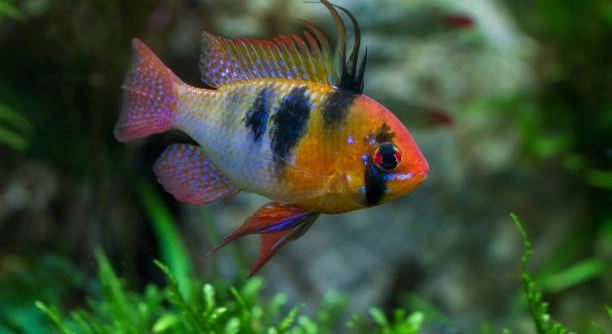
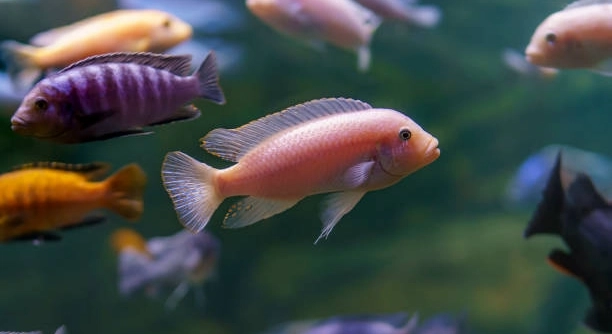
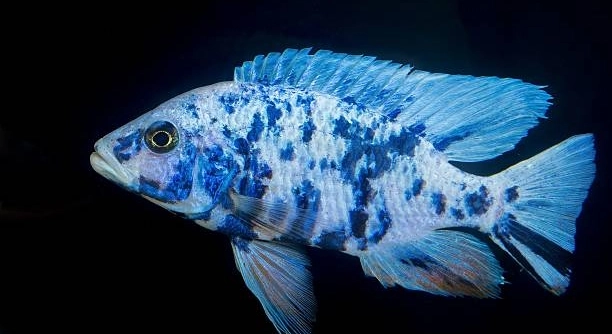
Territorial cichlids are fascinating fish, but their protective nature can make aquarium life challenging. These fish often guard their space aggressively, which can stress other tank mates and make daily care more demanding for owners. Managing territorial behavior in cichlids requires careful tank planning, proper decoration placement, and balanced feeding schedules. Consistent monitoring and environmental … Read more
Can Convict Cichlids Live With Cory Cats?

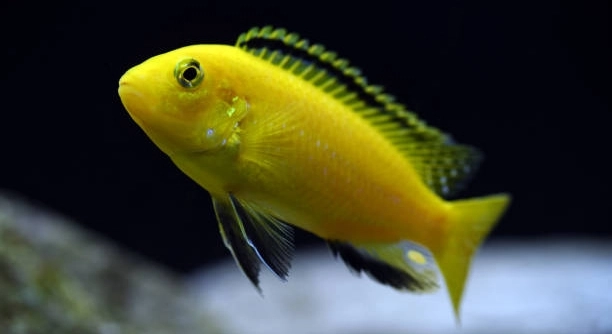
Keeping a community aquarium can be both enjoyable and challenging, especially when choosing compatible fish species. Some fish are naturally peaceful, while others display territorial behavior, making tank harmony an important consideration for hobbyists. Convict cichlids and cory catfish can coexist under carefully managed conditions. Convict cichlids are semi-aggressive and territorial, but cory cats are … Read more

7 Mistakes New Convict Cichlid Owners Make

Starting with convict cichlids can be exciting, but many new owners face unexpected challenges. These colorful fish are lively and intelligent, requiring proper care, attention, and a suitable environment to thrive in home aquariums. New convict cichlid owners often make mistakes related to tank size, water conditions, diet, aggression management, and breeding control. Addressing these … Read more

7 Things That Scare Convict Cichlids

Convict cichlids are lively and colorful fish that bring energy to any aquarium. They are curious by nature but can easily become stressed when their environment changes unexpectedly or when unfamiliar elements appear around them. Convict cichlids are most commonly scared by sudden movements, large or aggressive tank mates, changes in water conditions, bright lights, … Read more

What If Convicts Never Clean the Spawning Site?

Have you ever noticed how rivers and lakes rely on certain fish to keep their eggs safe and healthy? Convicts, a type of freshwater fish, play an important role by cleaning their spawning sites carefully. Their work supports the survival of the next generation. If convicts do not clean their spawning sites, leftover debris and … Read more

Are Convict Cichlids More Aggressive in Groups?

Convict cichlids are popular aquarium fish known for their striking patterns and lively behavior. Many aquarists enjoy keeping them, but their interactions can vary depending on tank size, group dynamics, and environmental conditions. Understanding their behavior helps ensure harmony. Convict cichlids can display increased aggression when kept in groups, particularly in confined spaces. Territorial disputes … Read more

Why Do Cichlids Guard Rocks With No Eggs?

Do you ever notice cichlids fiercely guarding empty rocks in your aquarium without any eggs present? Their behavior can seem puzzling at first, making even experienced fish keepers pause and observe with curiosity. Cichlids often guard rocks without eggs as a form of territory establishment and dominance display. This behavior signals to other fish that … Read more

How Long Can Convict Cichlids Live Alone?

Do you ever find yourself fascinated by colorful fish swimming gracefully in their tanks? Convict cichlids are bold and active, often showing strong personalities. Many aquarists wonder about keeping them alone in a home aquarium. Convict cichlids can live alone for several years under proper conditions. Maintaining clean water, stable temperature, and a balanced diet … Read more

7 Convict Cichlid Tankmates That Actually Work

Keeping a convict cichlid can be rewarding, but finding the right tankmates is not always simple. These fish are known for their territorial nature, which can make community tanks challenging for new and experienced hobbyists alike. Convict cichlids are compatible with certain species that can tolerate their aggression and activity levels. Suitable tankmates include other … Read more

7 Tips for Spotting Breeding Behavior Early

Breeding behavior can appear in subtle ways, especially in pets or animals under your care. Observing changes early helps you understand their needs and prevent potential problems before they become serious or stressful. Recognizing early signs of breeding behavior involves careful monitoring of physical changes, social interactions, and shifts in daily habits. Identifying patterns promptly … Read more