
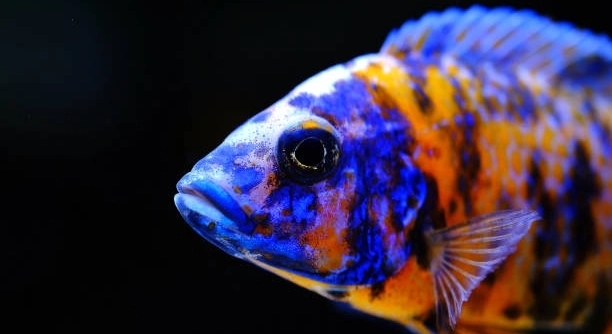
Convict cichlids are lively and colorful fish that bring energy to any aquarium. They are curious by nature but can easily become stressed when their environment changes unexpectedly or when unfamiliar elements appear around them.
Convict cichlids are most commonly scared by sudden movements, large or aggressive tank mates, changes in water conditions, bright lights, unfamiliar objects, loud noises, and improper handling. These factors trigger stress responses and can impact their health and behavior significantly.
Learning how these triggers affect your fish will help maintain a calm and healthy aquarium environment for your convict cichlids.
Sudden Movements
Convict cichlids are very sensitive to fast movements near their tank. When someone suddenly waves their hand or taps the glass, these fish can startle easily. Even quick shifts in nearby objects or reflections can make them swim frantically or hide. Over time, repeated shocks from sudden motion can stress the fish, affecting their appetite and activity. Many owners don’t realize that these reactions are normal signs of fear. Providing a calm environment with minimal rapid motion around the tank helps cichlids feel secure. Watching them adapt gradually to gentle, consistent movements can reduce stress. Slowly introducing changes, like rearranging decorations or cleaning the tank without rushing, allows convict cichlids to adjust. They notice subtle cues in their surroundings and respond instinctively. Their natural instinct is to protect themselves from perceived danger, which means even harmless gestures can cause fear. Understanding their reactions makes it easier to maintain a peaceful tank.
Convict cichlids react poorly to sudden movements, often causing stress behaviors and temporary hiding. Calm, predictable activity reduces fear effectively.
Keeping movements slow and steady around the tank ensures the fish stay relaxed. Gradual exposure can help them feel safer.
Aggressive Tank Mates
Aggressive tank mates create tension in a convict cichlid’s habitat. Even if the cichlids are generally hardy, constant chasing or territorial disputes can cause them to hide or stop eating. Fish that nip fins, dominate space, or interrupt feeding routines increase stress levels. Stress weakens their immune system and may make them more prone to illness. It’s important to select compatible species and monitor interactions closely. Providing plenty of hiding spots and territories reduces conflicts, giving each fish its own safe area. Observing behavior during feeding and daily activity helps identify trouble quickly. Sometimes simply rearranging tank décor or adding barriers can reduce confrontations. Aggressive interactions are not always obvious immediately, so consistent observation is key. A peaceful community setup promotes better health and more natural behavior in convict cichlids, allowing them to thrive without constant stress or fear of attack.
Aggressive tank mates can severely impact convict cichlids, so careful selection and monitoring are necessary to maintain a stable environment.
Changes in Water Conditions
Sudden changes in water temperature, pH, or hardness can unsettle convict cichlids, causing stress and hiding behavior. Maintaining stable water conditions is crucial for their health and comfort.
Convict cichlids are very sensitive to fluctuations in their water environment. Even small shifts in temperature or pH can make them anxious. Chlorine or heavy metals in tap water can also trigger fear responses. Regular water testing and careful adjustments help prevent unnecessary stress. Gradual water changes with proper acclimation allow them to adapt without panic. Stability in water conditions supports healthy behavior, reduces aggression, and improves feeding. A calm, consistent environment lets convict cichlids explore their tank confidently.
Stress from changing water can affect their immune system, appetite, and activity levels. Avoid sudden shifts by preparing water ahead of time, using conditioners, and monitoring parameters. A predictable water routine keeps them healthy and less fearful.
Bright Lights
Too much or sudden bright lighting can startle convict cichlids, leading them to hide or swim frantically. Consistent, moderate lighting reduces fear and creates a comfortable environment for natural behavior.
Harsh or flashing lights can trigger panic in convict cichlids. They are accustomed to gradual changes in brightness similar to natural day and night cycles. Sudden exposure to strong lights can make them dart around or stay in hiding spots for long periods. Using dimmable or filtered lighting helps prevent stress. Incorporating shaded areas or plants allows them to retreat when needed. Overhead lights that are turned on and off abruptly often cause the most reactions. Adjusting light gradually and providing areas of low illumination helps them feel secure and maintain normal activity.
Convict cichlids respond best to lighting that mimics natural cycles, avoiding sudden brightness. Layered tank décor, plants, and consistent schedules make the environment safer, supporting feeding, exploration, and overall health.
Unfamiliar Objects
New decorations or objects in the tank can make convict cichlids nervous. Introducing items gradually helps them adjust and reduces stress.
Sudden changes, like adding ornaments or equipment, can cause hiding or erratic swimming. Allowing the fish time to explore new items slowly helps them feel more secure and prevents fear-driven behavior.
Loud Noises
Loud sounds near the aquarium, such as banging or shouting, can startle convict cichlids. Their sensitive lateral line detects vibrations, triggering stress and defensive behavior.
Repeated exposure to noise may affect feeding and overall health. Minimizing sudden or constant loud sounds helps maintain a calm, stable environment for the fish.
Improper Handling
Rough or frequent handling stresses convict cichlids and can lead to injury. Always use nets gently and only when necessary.
Minimizing handling ensures the fish remain calm, reduces fear responses, and supports their long-term well-being.
FAQ
What should I do if my convict cichlid is constantly hiding?
Hiding is a natural response to fear or stress in convict cichlids. Check for sudden movements, aggressive tank mates, loud noises, or water changes. Providing stable water conditions, safe hiding spots, and minimal disturbance can encourage them to explore. Avoid overcrowding the tank and keep lighting moderate to help them feel secure. Gradually introducing new decorations or objects allows the fish to acclimate without panic. Observing their behavior over several days can reveal patterns and help identify the source of stress. Consistency in care makes hiding less frequent over time.
How can I tell if my convict cichlid is stressed?
Signs of stress include hiding frequently, darting around, refusing food, color fading, or aggression toward other fish. Stress can also make them more susceptible to illness. Monitoring water conditions, tank mates, and overall environment is key. If changes are necessary, make them gradually. Proper nutrition, clean water, and a calm setting reduce stress. Stress behaviors often subside once the fish adjusts to a stable and predictable environment. Observing them daily helps detect subtle signs early.
Are sudden water changes harmful to convict cichlids?
Yes, abrupt changes in temperature, pH, or water hardness can trigger fear and stress. Convict cichlids prefer a stable environment. Always acclimate new water slowly and test parameters beforehand. Using conditioners can remove harmful chemicals from tap water. Gradual changes prevent panic, support feeding, and maintain immune health. Even small fluctuations, repeated frequently, can affect their behavior. A consistent water routine reduces stress and allows them to thrive.
Can bright lights really scare convict cichlids?
Absolutely. Sudden or overly strong lighting can startle them. They respond best to gentle, consistent illumination that mimics natural cycles. Providing shaded areas or plants allows retreat when needed. Adjusting light slowly prevents panic and encourages normal swimming and feeding. Consistent lighting also supports natural behaviors and reduces stress over time.
How do I introduce new decorations safely?
Add new objects gradually, allowing the fish to explore at their own pace. Avoid sudden placement in the tank and make sure items are smooth and non-toxic. Observing reactions helps determine if they feel secure. Rearranging decorations slowly and leaving familiar hiding spots intact reduces anxiety. Small, incremental changes keep the environment comfortable.
What’s the best way to handle convict cichlids without stressing them?
Handle them only when necessary, using soft nets and gentle movements. Avoid frequent or rough handling, as it can cause panic, injury, or weakened immunity. Minimize interactions and plan maintenance in a calm, controlled manner. Reducing handling helps the fish maintain normal activity and feeding patterns.
Do tank mates affect convict cichlid behavior?
Yes, aggressive or overly active tank mates increase stress and fear. Convict cichlids may hide, stop eating, or become defensive. Choose compatible species, monitor interactions, and provide enough space. Adding barriers or extra hiding spots can reduce conflict. A balanced community setup encourages calm behavior and healthy social interactions.
Can loud household noises disturb convict cichlids?
Definitely. Convict cichlids sense vibrations through their lateral line and react to sudden bangs or consistent loud sounds. Minimizing noise near the aquarium helps them stay calm. Over time, they adjust better to normal, low-level household activity. Creating a stable and quiet environment supports feeding, exploration, and overall health.
How long does it take for convict cichlids to get used to changes?
Adjustment depends on the type of change and the individual fish. Gradual water changes, gentle lighting shifts, and slow introduction of objects can allow adaptation in a few days. Sudden changes may take longer and increase stress. Patience and observation are key. Providing safe spaces and routine care encourages confidence.
Are there signs of permanent stress damage in convict cichlids?
Chronic stress can lead to faded colors, weakened immunity, loss of appetite, and abnormal behavior. Long-term exposure to fear triggers may also make them more aggressive or withdrawn. Addressing causes quickly, maintaining stable water, and providing safe spaces can prevent permanent effects. Healthy routines and careful monitoring are essential for recovery.
How can I prevent fear in my convict cichlids?
Maintain stable water, consistent lighting, gentle handling, and a peaceful tank community. Introduce changes slowly, provide hiding spots, and minimize loud noises. Observing their behavior helps detect early stress signs. A calm and predictable environment ensures they remain confident and healthy, reducing fear responses over time.
What should I do if my convict cichlid stops eating?
Loss of appetite is often linked to stress, poor water conditions, or aggressive tank mates. Check water parameters, observe interactions, and reduce disturbances. Offer favorite foods in small amounts and maintain a consistent feeding schedule. Stress reduction usually restores normal eating behavior within a few days.
Can multiple stress factors affect convict cichlids at once?
Yes, factors like sudden movements, aggressive tank mates, bright lights, and water changes can compound stress. Even minor triggers can add up, affecting behavior and health. Reducing multiple stressors simultaneously, providing hiding spots, and keeping care routines consistent improves overall well-being.
Is it normal for convict cichlids to react differently to changes?
Individual fish have unique temperaments. Some adjust quickly, while others are more sensitive. Observing each fish helps tailor care. Providing safe spaces, gradual introductions, and predictable routines ensures all fish feel secure. Understanding their personality supports healthier and calmer behavior in the tank.
Convict cichlids are fascinating fish with strong personalities. They can bring life and activity to any tank, but they are also sensitive to changes in their environment. These fish notice sudden movements, bright lights, and changes in water conditions very quickly. Even small disturbances can make them hide, dart around, or act aggressively. Understanding their natural instincts helps owners create a calm and safe habitat. By paying attention to how they react, it becomes easier to prevent stress before it affects their health or behavior. It is important to remember that convict cichlids are naturally cautious. They rely on their instincts to stay safe, and what may seem harmless to a person can feel threatening to them. Simple adjustments, like moving slowly around the tank or introducing new objects gradually, can make a big difference in how comfortable they feel. Over time, these fish can become more confident and explore their environment more freely.
Providing a stable environment is one of the most effective ways to keep convict cichlids healthy and stress-free. Consistency in water temperature, pH, and lighting is essential. Sudden changes, even if small, can upset them and affect their appetite, activity, and immune system. Adding plenty of hiding spots, decorations, and plants also helps them feel secure. These safe areas allow the fish to retreat when they feel threatened. Tank mates should be chosen carefully, as aggressive or overly active fish can increase stress levels. Observing daily behavior allows you to notice any early signs of fear or discomfort. Even loud noises or vibrations outside the tank can startle them, so keeping the area calm is beneficial. Handling should be minimal and gentle, only when necessary, to avoid unnecessary panic or injury. When owners maintain these routines, convict cichlids usually adapt well and display healthier, more natural behavior.
Finally, creating a supportive environment is about consistency, patience, and observation. Convict cichlids respond to small changes, so gradual adjustments are always better than sudden ones. Watching their reactions over time helps identify stress triggers and gives insight into their needs. Ensuring stable water conditions, safe hiding places, compatible tank mates, and moderate lighting makes the tank a comfortable space. Reducing loud noises, sudden movements, and frequent handling supports their sense of security. By understanding their instincts and respecting their sensitivities, owners can build a healthy habitat where the fish thrive. Over time, convict cichlids often become more confident, display natural behaviors, and interact calmly with their environment. Providing this balance benefits both the fish and the overall enjoyment of keeping a lively, vibrant aquarium. A careful approach ensures that fear and stress are minimized, allowing convict cichlids to remain active, healthy, and happy in their home.

Hello,
If you enjoy the content that we create, please consider saying a "Thank You!" by leaving a tip.
Every little bit helps us continue crafting quality advice that supports the health, happiness, and well-being of pets around the world, for pets of all shapes, sizes, and species.
We really appreciate the kindness and support that you show us!