What Should You Do With Excess Cichlid Fry?
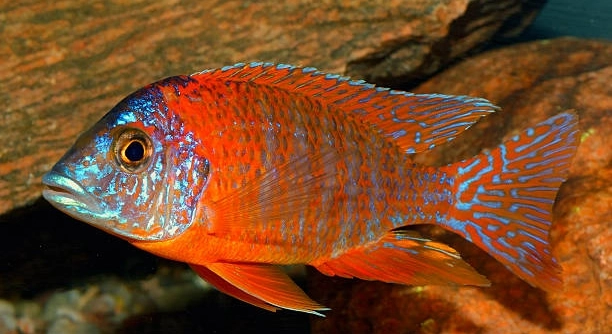
Raising cichlids can be exciting, but it often leads to an unexpected problem: an abundance of tiny fry swimming around your tank. Managing these small fish requires careful thought and planning to ensure their well-being. The most responsible approach for handling excess cichlid fry involves assessing your capacity to care for them, considering rehoming options, … Read more
Can Convicts Survive in a Planted Tank?

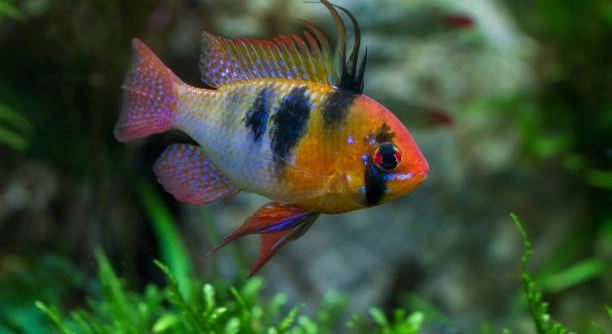
Convict cichlids are known for their hardiness and adaptability, making them popular among aquarium enthusiasts. They can bring life and color to a tank while maintaining a resilient nature that allows them to thrive in various conditions. Convict cichlids can survive in a planted tank if proper care is provided. Ensuring suitable water parameters, adequate … Read more

7 Tankmates That Rarely Bother Convicts

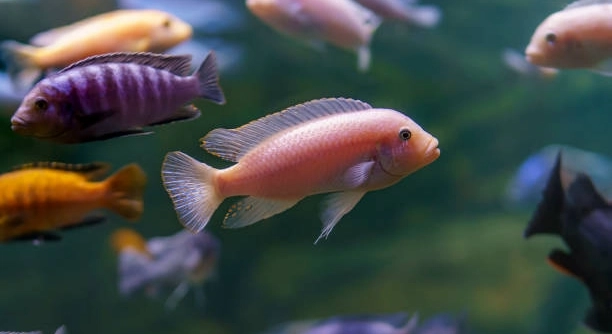
Keeping convicts in a peaceful aquarium can be challenging for many hobbyists. Some fish simply prefer solitude or become aggressive with other species, making tank harmony difficult to achieve in community settings. Certain fish species, such as corydoras, nerite snails, cherry shrimp, and otocinclus, coexist well with convicts due to their non-aggressive nature and differing … Read more

Can Convict Cichlids Be Kept Without Substrate?

Keeping convict cichlids can be rewarding, but many new hobbyists wonder about tank setup. These fish are hardy and active, yet their environment plays a key role in maintaining their health and natural behavior. Convict cichlids can be kept without substrate, as they are adaptable to bare-bottom tanks. A substrate-free setup allows easier cleaning, better … Read more

What Temperature Do Cichlids Prefer?

Cichlids are colorful and active fish that many hobbyists enjoy keeping in home aquariums. Their behavior and health are influenced by many factors, but temperature plays a key role in keeping them comfortable and thriving. Cichlids generally prefer water temperatures between 74 and 82 degrees Fahrenheit. Maintaining this range supports their metabolism, immune system, and … Read more

7 Steps to Prepare a Tank for New Convicts

Setting up a tank for new convicts requires careful planning and attention. Ensuring a clean, safe, and well-organized environment helps reduce stress and allows the inmates to adjust more smoothly to their new surroundings. Proper tank preparation involves thorough cleaning, disinfecting surfaces, ensuring adequate ventilation, and arranging necessary fixtures. Establishing clear zones for sleeping, eating, … Read more

How Do You Know When Fry Are Independent?

Fry are delicate creatures that require careful observation during their early days. Watching their behavior and growth helps determine when they are ready to survive without constant parental support or guidance in their environment. Fry are considered independent when they can feed on their own, swim actively without relying on adult fish, and demonstrate consistent … Read more

7 Clues That a Cichlid Is Building a Nest

Cichlids are fascinating fish with unique behaviors that often go unnoticed. Observing their daily routines can reveal important insights into their health and natural instincts. Nest building is one of the most interesting behaviors to watch closely. Cichlids build nests as part of their reproductive behavior. Signs include digging in the substrate, moving small objects, … Read more

What If Fry Refuse to Leave Their Nest?

Many young birds naturally leave the nest when they are ready, guided by instinct and the need to learn survival skills. However, some fry may delay this step, staying longer than usual in their familiar environment. If fry refuse to leave their nest, it often indicates a combination of environmental safety, food availability, or incomplete … Read more

7 Steps to Introduce New Cichlids Safely

Introducing new cichlids to an established aquarium requires patience, planning, and care. A calm approach helps reduce stress, protect tank harmony, and support healthy adjustment for every fish involved during this important transition together now. The safest method to introduce new cichlids involves quarantine, gradual acclimation, territorial management, and consistent observation. Following structured steps minimizes … Read more