
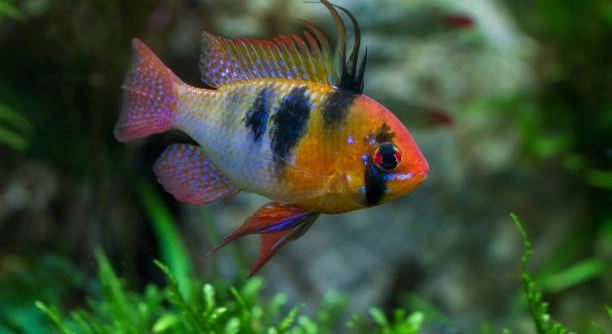
Fry are delicate creatures that require careful observation during their early days. Watching their behavior and growth helps determine when they are ready to survive without constant parental support or guidance in their environment.
Fry are considered independent when they can feed on their own, swim actively without relying on adult fish, and demonstrate consistent growth. Monitoring their development, behavior, and response to food is essential for ensuring they thrive independently.
Recognizing these milestones ensures your fry grow healthy and strong. This knowledge allows for better care and preparation as they transition to full independence.
Signs Your Fry Are Eating Independently
Fry begin by nibbling at small particles in the water while still staying near protective areas. Over time, you may notice them actively searching for food, moving with confidence, and showing less hesitation around larger tank mates. Their fins become stronger, allowing better control while swimming, and their coloration often intensifies, signaling good health. Observing feeding habits is key, as independent fry can grab food quickly without being guided or chased by adult fish. It’s normal for some fry to take longer than others, so patience is important. Providing a variety of finely crushed flakes, micro pellets, or live foods encourages self-feeding and ensures proper nutrition.
Tracking these changes helps you understand when to separate fry from adults safely. Independence is marked by consistent feeding and swimming behavior without direct intervention from caretakers.
Fry independence also depends on environmental conditions. Maintaining clean water and stable temperatures supports growth. Hiding spots reduce stress, allowing fry to explore confidently. Gradually reducing parental feeding assistance encourages self-sufficiency. Consistent observation ensures any fry struggling to feed can be helped. Over time, independent fry gain weight evenly, swim throughout the tank, and interact naturally with peers. Ensuring proper nutrition and space helps them thrive.
When to Transition Fry to a Larger Tank
Fry can remain in the breeding tank until they grow strong and feed efficiently on their own. This usually occurs after a few weeks, depending on species and growth rate.
Moving fry too early can stress them, while waiting too long may limit space and affect growth. Ensure water quality is excellent, with regular partial changes, and provide sufficient hiding areas to prevent bullying. Acclimate fry slowly to the new environment by matching water parameters to reduce shock. Observing behavior during the transition is essential; active, confident fry adapt more easily.
Before transferring, remove uneaten food and monitor for signs of disease. A larger tank allows fry to develop fully, reduces competition, and prevents overcrowding. Feed small amounts frequently, offering varied diets to promote healthy growth. Gradually introduce new tank mates once fry are consistently swimming and feeding on their own. Separation from adults should be careful to prevent stress, and gentle handling reduces injury risk. Maintaining proper filtration, temperature, and water conditions supports continued development. Regular observation during the first week in the new tank ensures fry adjust successfully. Independence is reinforced when they confidently navigate, feed, and interact in the larger space.
Feeding Techniques for Independent Fry
Offer finely crushed flakes or micro pellets several times a day. Small, frequent feedings ensure fry receive enough nutrition without polluting the water. Live foods like baby brine shrimp or microworms can encourage natural hunting behavior and improve growth rates.
Consistency in feeding is crucial. Independent fry thrive when they can find food on their own, but still require regular portions to develop evenly. Introducing a variety of foods supports balanced nutrition, enhances color, and strengthens immune systems. Observing how fry respond to each type of food helps determine their preferences and ensures all individuals are feeding adequately. Avoid overfeeding, as leftover food can degrade water quality and cause stress.
Monitoring growth alongside feeding habits helps track development. Gradually adjust portion sizes as fry grow, maintaining small meals but increasing quantity over time. Maintaining water quality and removing uneaten food prevents disease. Combining live and prepared foods teaches fry to forage while receiving essential nutrients. Fry that eat actively and show steady growth are ready for further independence and eventual tank transitions.
Observing Behavioral Changes
Independent fry explore the tank more freely, swimming throughout different levels instead of sticking to one area. They become less skittish and respond confidently to their environment, showing clear signs of self-reliance.
Behavioral observation reveals readiness for independence. Fry that can navigate without guidance, interact with peers without panic, and locate food quickly indicate proper development. Stress levels are lower in active fry, and their movement patterns show coordination and strength. Any signs of lethargy or hesitation may require closer attention to diet, water quality, or tank conditions. Tracking these behaviors over time provides insight into their overall health and ensures fry are thriving before any tank changes.
As fry mature, social interactions become more structured. They establish simple hierarchies and can avoid conflict naturally. Increased curiosity and boldness indicate growing confidence and independence. Fry begin to recognize feeding routines and actively participate in foraging. Consistent observation of these behavioral cues helps determine the optimal timing for tank transitions, feeding adjustments, and separation from adults. Ensuring fry have space, clean water, and minimal stress allows natural behaviors to develop fully. These changes also provide a reliable measure of health, strength, and readiness for the next growth stage.
Adjusting Water Conditions
Maintain stable temperature and pH levels suitable for your fry species. Sudden changes can stress them and slow development. Regular water changes keep toxins low and support healthy growth.
Filtration should be gentle to avoid sucking in small fry. Using a sponge filter or diffused air system ensures water circulation without harming the youngest fish.
Recognizing Health Issues
Look for signs of illness such as faded color, sluggish movement, or unusual swimming patterns. Early detection prevents serious problems. Observing fry daily allows you to notice subtle changes and intervene promptly. Treating minor issues quickly reduces stress and helps maintain a healthy, thriving group of fry.
Separating Fry by Size
Grouping fry by size prevents bullying and ensures smaller fish have access to food. Overcrowding can stunt growth and cause stress, so monitoring size differences helps maintain a balanced environment.
Encouraging Exploration
Providing hiding spots and open swimming areas promotes confidence. Fry that explore are more likely to find food and develop strong swimming skills, preparing them for full independence.
FAQ
How do I know if my fry are truly independent?
Independent fry will swim confidently throughout the tank, feed on their own without guidance, and avoid hiding constantly. Their fins are strong, movements coordinated, and they actively explore their surroundings. Consistent growth and quick response to food are also clear signs of independence. Observing these behaviors daily gives a reliable sense of readiness for separation from adults.
When should I start feeding fry independently?
Start offering small portions of crushed flakes, micro pellets, or live foods as soon as fry can swim freely. Initially, they may need observation to ensure they are actually eating. Frequent, tiny feedings support growth and prevent uneaten food from polluting the water. Over time, reduce parental or adult assistance gradually.
What type of food is best for independent fry?
A combination of finely crushed flakes, micro pellets, and live foods like baby brine shrimp or microworms works well. Live foods encourage natural hunting instincts, while prepared foods ensure balanced nutrition. Variety helps fry develop evenly and supports immune system strength. Monitor preferences to confirm all fry are feeding adequately.
How often should I feed my fry?
Small, frequent feedings throughout the day are ideal. This mimics natural feeding patterns and prevents overfeeding. Observing how quickly they consume food ensures the right amount is offered. Adjust feeding frequency as fry grow, increasing portions gradually while maintaining regularity to promote steady growth and healthy development.
How do I maintain water quality for independent fry?
Regular partial water changes, gentle filtration, and monitoring temperature and pH are essential. Avoid strong currents that may stress small fry. Removing uneaten food promptly prevents toxins from building up. Clean, stable water reduces disease risk and supports consistent growth, ensuring fry remain active and healthy.
Should fry be separated by size?
Yes, separating fry by size prevents bullying and ensures smaller individuals get adequate food. Overcrowding and competition can stunt growth or cause stress. Monitoring growth rates and grouping fry accordingly helps maintain balance, reduces aggression, and allows all fry to thrive.
When is it safe to move fry to a larger tank?
Move fry once they are swimming confidently, feeding independently, and showing consistent growth. Acclimate them slowly to match water parameters between tanks. A larger tank provides more space, reduces competition, and encourages natural behaviors while preventing overcrowding and stress.
What signs indicate fry may be unhealthy?
Faded colors, sluggish swimming, staying at the bottom, or erratic movements suggest possible health issues. Early detection is critical. Treating minor problems promptly and adjusting water conditions, diet, or tank environment helps fry recover and continue growing normally.
How can I encourage exploration in fry?
Include small hiding spots alongside open swimming areas. This encourages confidence while allowing fry to practice foraging. Observing their interactions with the environment helps ensure they are learning to navigate safely and develop independence without constant supervision.
Can independent fry handle adult tank mates?
Fry should only be introduced to adult fish after they are strong, confident, and feeding on their own. Start with calm, non-aggressive adults. Monitor interactions closely to prevent bullying or injury. Gradual integration supports safe social development and reduces stress for both fry and adult fish.
Final Thoughts
Raising fry to independence takes patience, observation, and consistent care. Each step, from feeding to tank management, plays an important role in ensuring healthy development. Fry grow at different rates, so it is important to pay attention to individual behavior and growth patterns rather than expecting all fry to reach milestones simultaneously. Watching them eat, swim, and explore provides insight into their readiness to live without constant support. Maintaining clean water, stable temperatures, and proper nutrition helps fry grow strong and reduces stress, which is essential for their long-term survival.
Feeding is one of the most critical aspects of fostering independence. Small, frequent meals that include a mix of prepared and live foods encourage natural foraging instincts while providing balanced nutrition. Overfeeding or underfeeding can lead to health problems and slow growth. Observing which foods fry respond to and adjusting portions gradually ensures they are receiving enough nutrients. Separating fry by size when necessary can prevent bullying and allow smaller individuals to access food, promoting even growth. These careful feeding practices, combined with regular observation, make it easier to know when fry are truly ready to be independent.
Behavioral cues are equally important when assessing independence. Confident swimming, active exploration of the tank, and consistent response to food are all signs that fry are becoming self-sufficient. Providing hiding spots and open spaces allows fry to develop their skills safely, helping them adapt to changes in their environment. Once fry can navigate confidently, feed on their own, and interact with peers without stress, they are ready for larger tanks or eventual integration with other fish. Consistent care, observation, and support during these early stages lay the foundation for healthy, thriving fish. By paying attention to these details, fry can grow into strong, independent fish capable of thriving in their environment.

Hello,
If you enjoy the content that we create, please consider saying a "Thank You!" by leaving a tip.
Every little bit helps us continue crafting quality advice that supports the health, happiness, and well-being of pets around the world, for pets of all shapes, sizes, and species.
We really appreciate the kindness and support that you show us!