7 Tank Changes That Confuse Cichlid Pairs
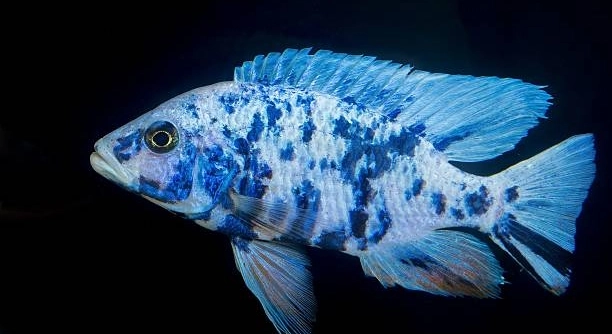
Keeping a cichlid pair healthy and happy can be challenging when changes occur in their tank. Even small adjustments in water, decor, or lighting can disrupt their routine and create confusion between the fish. Cichlid pairs often react negatively to sudden alterations in tank layout, water chemistry, temperature, or lighting. These changes can disturb established … Read more
What Happens If Cichlids Lose Their Fry?

Cichlids are known for their careful parenting, tending to eggs and fry with dedication. Losing fry can be upsetting for both the fish and their owner. Understanding this process helps in maintaining a healthy aquarium environment. When cichlids lose their fry, it is usually due to stress, poor water conditions, or insufficient parental care. The … Read more

Can Convict Cichlids Live With Tetras?

Convict cichlids are known for their bold personalities and bright colors. Many aquarium enthusiasts enjoy keeping them, but their aggressive tendencies often raise concerns when mixing them with smaller, peaceful fish like tetras. Convict cichlids can live with tetras under carefully managed conditions. Tank size, hiding spaces, and careful monitoring of aggression are essential. While … Read more

7 Best Tank Sizes for Convict Cichlid Pairs

Choosing the right tank size for convict cichlid pairs supports healthy behavior, stable water conditions, and reduced stress. Proper space allows natural breeding habits while keeping aggression manageable in home aquariums for most beginner keepers. The optimal tank size for a convict cichlid pair is at least 30 gallons. This volume provides adequate territory, stable … Read more

7 Ways to Make Fry Tanks More Enriching

Keeping fry tanks healthy and stimulating is important for young fish growth and survival. Many hobbyists focus on water quality but forget the role of enrichment in promoting natural behavior and reducing stress in fry. Fry tanks can be made more enriching by adding gentle water flow, varied hiding spots, live plants, floating objects, subtle … Read more

7 Behavioral Cues That Show Cichlid Trust

Do you ever notice how your cichlids react when you approach the tank? Their behavior can reveal subtle signs of comfort and familiarity. Observing these small actions can help you understand the level of trust they have in you. Cichlid trust is often demonstrated through consistent, predictable behavior such as approaching the front of the … Read more

7 Ways to Tell Cichlid Fry Are Ready to Move

Caring for cichlid fry can be both exciting and challenging for any aquarist. Watching them grow daily brings a sense of accomplishment, yet knowing the right moment to move them is essential for their survival and development. Cichlid fry are ready to move when they display independent swimming, noticeable size increase, developed coloration, proper fin … Read more

7 Signs of Healthy Breeding Behavior

Breeding animals requires attention, patience, and knowledge. Observing natural behaviors can help identify what is normal and healthy in a breeding environment. Recognizing these patterns early supports proper care and responsible breeding practices. Healthy breeding behavior is characterized by regular mating patterns, mutual social interactions, absence of aggression, proper reproductive health, and observable nurturing tendencies. … Read more

Are Convict Cichlids Always Aggressive?

Convict cichlids are popular freshwater fish known for bold patterns and strong personalities, often discussed among aquarists who want peaceful tanks while understanding natural behaviors that influence daily care and compatibility decisions in home aquariums. Convict cichlids are not inherently aggressive, but they display heightened territorial behavior during breeding and stress conditions. Their aggression is … Read more

Why Is My Convict Resting on the Bottom?

Have you ever noticed your convict cichlid spending most of its time at the bottom of the tank? Many fish owners find this behavior puzzling, especially when the fish usually swims actively in mid or upper levels. Observing your fish closely can reveal important details about its health and environment. Convict cichlids resting at the … Read more