
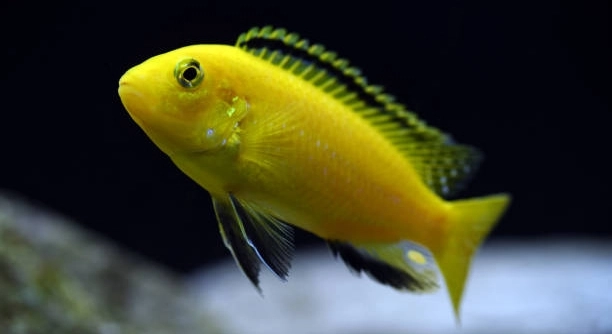
Have you ever noticed your convict cichlid spending most of its time at the bottom of the tank? Many fish owners find this behavior puzzling, especially when the fish usually swims actively in mid or upper levels. Observing your fish closely can reveal important details about its health and environment.
Convict cichlids resting at the bottom of the tank is often a response to stress, water quality issues, or illness. Maintaining proper temperature, clean water, and balanced nutrition is essential to prevent prolonged bottom-dwelling behavior.
Monitoring your tank conditions and your fish’s habits can provide insights into the underlying causes of this behavior. Understanding these factors will help you support a healthier, more active fish.
Understanding Convict Cichlid Behavior
Convict cichlids naturally spend time near the bottom of their environment, especially when they are resting or feeling stressed. Observing this behavior early can help prevent serious health problems. These fish may stay low when the water temperature drops or rises beyond their comfort range. Poor water conditions, such as high ammonia or nitrite levels, also cause them to linger near the bottom. Even changes in tank setup, like new decorations or added tank mates, can affect their movement. Some convict cichlids are simply more reserved and prefer quieter areas. Providing hiding spaces, consistent feeding schedules, and stable water parameters helps them feel secure. Regular observation allows you to notice changes in appetite, coloration, or swimming patterns. Early attention can prevent minor issues from becoming serious. Ultimately, a well-maintained tank with proper water quality and comfortable conditions encourages your convict cichlid to explore more actively.
Stress, poor water quality, or illness often explains bottom-dwelling behavior.
Maintaining ideal water conditions and consistent feeding helps your cichlid feel safer and more active. Adjusting tank temperature and cleaning water regularly prevents prolonged stress. Overcrowded tanks or aggressive tank mates may also push the fish to the bottom. Observation is key to identifying changes before they worsen.
Common Causes for Resting at the Bottom
Bottom resting can indicate environmental or health issues that need attention.
Water temperature that is too low or high slows metabolism, causing lethargy. Low oxygen levels reduce activity, making the fish stay near the substrate. Unstable water chemistry, like improper pH or ammonia spikes, stresses convict cichlids. Parasites, infections, or poor diet may also contribute to this behavior. Removing aggressive tank mates and providing hiding spots can help reduce stress. Monitoring feeding habits and physical appearance is critical.
Many owners notice that after improving water quality and diet, convict cichlids gradually return to normal swimming patterns. Introducing gentle tank mates and reducing disturbances encourages exploration. Keeping a consistent light schedule and maintaining a clean substrate can also improve comfort. Health checks for signs of disease or injury help prevent long-term issues. Ultimately, paying attention to water, diet, and social dynamics keeps your fish active, healthy, and comfortable in their environment.
Tank Conditions and Environment
Poor tank conditions often cause convict cichlids to stay at the bottom. Dirty water, unstable pH, or sudden temperature changes can stress them. Ensuring proper filtration, regular water changes, and a stable environment encourages healthier swimming patterns and reduces bottom-dwelling behavior.
Maintaining stable water parameters is crucial. Convict cichlids prefer temperatures between 75–82°F and a pH around 6.5–7.5. Frequent testing for ammonia, nitrites, and nitrates prevents toxic buildup. A clean substrate and adequate hiding spaces make the fish feel secure. Overcrowding or adding aggressive tank mates can also force them to the bottom. Observing the tank closely allows early detection of any problems before they affect the fish’s health. Proper care and attention keep convict cichlids active and comfortable.
Providing an environment that mimics natural habitats is beneficial. Rocks, caves, and plants create secure spaces and reduce stress. Avoid sudden lighting changes or rapid water adjustments. Even minor changes can impact their swimming behavior. Regularly checking equipment, such as heaters and filters, ensures stable conditions. A calm, consistent environment helps convict cichlids stay active and reduces bottom resting. By maintaining good water quality and thoughtful tank design, you create a setting where fish can thrive naturally.
Diet and Nutrition
An improper diet can lead to lethargy and bottom-dwelling behavior. Convict cichlids need a balanced diet with protein, vegetables, and occasional live food. Feeding small amounts multiple times a day is better than one large feeding.
Nutritional deficiencies or overfeeding can affect energy levels. A mix of high-quality pellets, frozen foods, and occasional vegetables provides essential nutrients. Overfeeding may foul the water, increasing stress. Underfeeding or poor-quality food can weaken the fish, causing it to rest at the bottom. Observing appetite changes is important. Adjust feeding schedules according to fish size, age, and activity level. Ensuring consistent, balanced nutrition supports overall health, encourages activity, and reduces bottom-dwelling tendencies.
Monitoring how your cichlid responds to different foods can reveal preferences and dietary gaps. Gradually introducing new foods helps avoid digestive issues. Avoid feeding solely flakes or low-quality pellets. Supplementing with frozen or live food provides variety and encourages natural foraging behaviors. Offering vegetables like spinach or peas supports digestion and overall vitality. A well-planned diet combined with proper tank maintenance creates a healthy, active fish. Paying attention to feeding patterns allows you to identify problems early and maintain a more energetic, confident convict cichlid.
Stress and Aggression
Convict cichlids can become stressed from overcrowding or aggressive tank mates. Constant chasing, fighting, or territorial disputes often force them to stay at the bottom. Providing enough space and hiding spots helps reduce stress and encourages more normal swimming behavior.
Even minor changes in the tank, like new decorations or added fish, can trigger stress. Stress can weaken their immune system, making them more prone to illness. Observing interactions and separating aggressive individuals when necessary supports a healthier environment and prevents prolonged bottom-dwelling.
Illness and Disease
Lethargy and resting at the bottom can signal health issues. Common problems include bacterial infections, parasites, or fin rot. Early detection and treatment, along with quarantine when needed, are essential to prevent worsening conditions and to maintain overall tank health.
Temperature and Water Parameters
Convict cichlids are sensitive to temperature and water changes. Sudden drops or rises in temperature, low oxygen levels, or unstable pH can make them inactive and stay near the bottom. Maintaining consistent parameters keeps them active and healthy.
FAQ
Why is my convict cichlid staying at the bottom all the time?
This behavior usually points to stress, poor water quality, illness, or temperature problems. Convict cichlids are naturally active fish, so prolonged bottom-dwelling often signals something in their environment or health is off. Checking water parameters, temperature, and tank setup helps identify the issue.
Can water quality really affect their behavior that much?
Yes, water quality is critical. High ammonia, nitrites, or nitrates, as well as fluctuating pH, can stress fish and cause them to rest at the bottom. Regular water testing and changes keep conditions stable and reduce lethargy. Clean, well-oxygenated water allows fish to swim confidently throughout the tank.
Does diet influence their activity levels?
Absolutely. A poor diet, overfeeding, or underfeeding can lead to lethargy. Convict cichlids need protein-rich foods, occasional vegetables, and live or frozen treats for variety. Balanced nutrition supports energy levels and overall health, encouraging normal swimming behavior.
Can tank mates make them stay at the bottom?
Yes, aggressive or territorial fish can push convict cichlids to the bottom. Even a single bully can stress them enough to stay low. Providing hiding spots, adequate space, and separating aggressive fish reduces stress and restores normal behavior.
Is temperature really that important?
Convict cichlids thrive between 75–82°F. Water that is too cold slows metabolism, while water that is too warm can overheat them. Either extreme can make them inactive and stay near the bottom. Consistent temperature ensures energy levels and proper immune function.
Could illness be the reason?
Yes. Bacterial infections, parasites, or fin rot often make convict cichlids lethargic. Look for faded colors, clamped fins, or unusual spots. Early treatment is crucial. Quarantining affected fish prevents spread, and medications specific to the illness can restore health.
Do hiding spots really help?
They do. Convict cichlids feel safer when they have rocks, caves, or plants to retreat to. Hiding spaces reduce stress from tank mates, bright lights, or sudden changes. Feeling secure encourages exploration and reduces bottom-resting behavior.
Can overfeeding cause them to stay at the bottom?
Overfeeding can foul water, which stresses fish and reduces swimming activity. It can also lead to digestive issues. Feeding small, measured portions multiple times a day is better than one large feeding. A clean tank with proper feeding promotes energy and active swimming.
How quickly should I expect improvement?
Once environmental or health issues are addressed, you may see gradual improvement within days. Adjusting water, temperature, diet, and tank setup steadily encourages your convict cichlid to leave the bottom and return to normal activity. Some behavioral changes take weeks, especially after illness.
Are there long-term consequences if they stay at the bottom too long?
Prolonged inactivity can weaken muscles, reduce appetite, and increase susceptibility to disease. Long-term stress may shorten lifespan. Early detection and correction of water, diet, or health issues are essential for maintaining a healthy, active convict cichlid.
How often should I monitor the tank?
Daily observation is ideal. Look for changes in swimming, coloration, and appetite. Weekly testing for ammonia, nitrites, nitrates, and pH ensures stable water quality. Keeping a consistent routine prevents minor issues from becoming serious problems.
Is it normal for them to rest at the bottom sometimes?
Yes, occasional resting at the bottom is normal, especially at night or after feeding. It becomes a concern when it’s prolonged, frequent, or accompanied by signs of illness or stress. Monitoring patterns helps differentiate normal rest from potential problems.
Can stress from sudden changes cause this behavior?
Yes, adding new fish, changing tank decorations, or altering lighting can stress convict cichlids. Even small changes in routine or environment may make them stay low temporarily. Gradual adjustments and stable conditions help them adapt without prolonged bottom-dwelling.
Will medications or supplements help?
Only if illness or nutrient deficiencies are confirmed. Using medications without identifying the problem can worsen stress. Focus on water quality, diet, and temperature first. Supplements for vitamins or minerals may help weak fish recover energy and activity.
How do I know if it’s serious or temporary?
Observe appetite, coloration, fin condition, and response to feeding or movement. Temporary bottom resting often resolves with minor adjustments. Serious issues persist despite proper water, diet, and environment. Persistent lethargy warrants closer examination and possibly veterinary advice.
Can adding plants or decorations encourage swimming?
Yes. Plants and hiding spots provide security, reduce stress, and encourage exploration. Convict cichlids are naturally curious. A well-structured tank motivates activity, making them less likely to remain at the bottom.
What is the most important factor to address first?
Water quality is always the top priority. Even healthy fish with good diet and tank mates will suffer in poor water. Stable temperature, low ammonia, proper pH, and oxygenation form the foundation for active, healthy behavior.
How can I prevent this behavior in the future?
Maintain clean water, stable temperature, and a balanced diet. Avoid overcrowding, provide hiding spots, and monitor tank mates. Regular observation allows early detection of stress or illness. Consistency is key to preventing long-term bottom-dwelling behavior and keeping your convict cichlid healthy and active.
Final Thoughts
Convict cichlids resting at the bottom of the tank is a behavior that can signal several things about their environment or health. While it is normal for them to occasionally rest near the substrate, prolonged bottom-dwelling often points to stress, poor water quality, or health concerns. Maintaining a clean and stable tank is essential for these fish. Regular water changes, checking parameters like pH, ammonia, nitrites, and nitrates, and ensuring the temperature stays within the proper range help create a comfortable environment. Even small fluctuations in water conditions can affect their behavior, so consistency is key. Observing your fish daily allows you to notice changes early, making it easier to respond before minor issues become serious. Providing a structured tank with hiding spots and decorations can also reduce stress and encourage them to explore more of their space.
Diet and nutrition play a significant role in keeping convict cichlids active. A balanced diet with protein-rich pellets, occasional vegetables, and live or frozen foods ensures they have the energy needed to swim and interact. Overfeeding can foul the water and lead to digestive problems, while underfeeding or providing low-quality food may weaken their energy levels. Feeding smaller portions several times a day is often more effective than one large feeding. Observing how your fish respond to different foods can give insight into their overall health and energy. Maintaining proper nutrition alongside clean water and a stable tank environment promotes normal swimming behavior, reducing the tendency to remain at the bottom.
Stress, aggression from tank mates, and illness are other important factors to consider. Aggressive or territorial fish may push convict cichlids to the bottom, while sudden changes in tank setup or lighting can trigger temporary stress. Illnesses like bacterial infections, parasites, or fin rot can also lead to lethargy and bottom-dwelling behavior. Early detection and treatment are crucial for restoring their health. Regularly observing physical appearance, appetite, and swimming patterns allows you to identify potential problems before they worsen. Creating a secure and stable environment, providing a balanced diet, and monitoring for signs of illness all contribute to the long-term health and activity of convict cichlids. Paying attention to these factors ensures your fish can remain healthy, active, and comfortable in their tank.

Hello,
If you enjoy the content that we create, please consider saying a "Thank You!" by leaving a tip.
Every little bit helps us continue crafting quality advice that supports the health, happiness, and well-being of pets around the world, for pets of all shapes, sizes, and species.
We really appreciate the kindness and support that you show us!