7 Ideal Water Parameters for Killi Fry

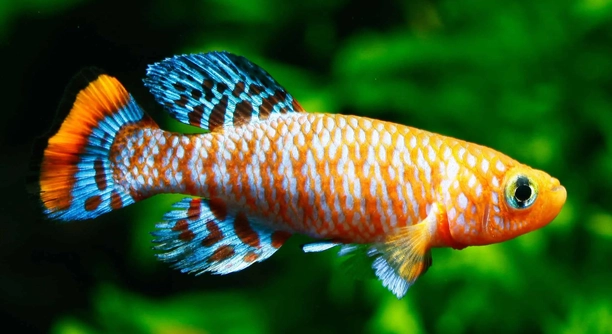
Killi fry are delicate fish that require specific water conditions to thrive. Maintaining the right water parameters helps support their health and growth. This article covers seven essential factors to monitor for successful killi fry care. The ideal water parameters for killi fry include stable temperature, pH, hardness, ammonia, nitrite, nitrate levels, and oxygen concentration. … Read more

Can Killis Tolerate Low pH Levels Long-Term?

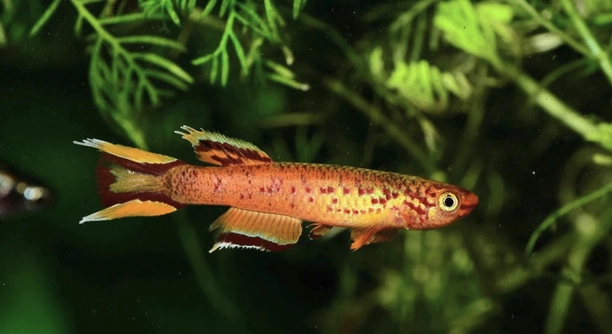
Killis are popular freshwater fish that many hobbyists enjoy keeping. They often live in waters with varying conditions, which makes understanding their needs important. One key factor for their care is the water’s pH level and how it affects their health. Killis can tolerate low pH levels for short periods but long-term exposure to acidic … Read more

Do Killis Like Company or Isolation?

Have you ever wondered whether your killifish feels happier living alone or prefers having other fish nearby in its tank? Killifish are generally solitary and thrive best when kept alone or in carefully managed environments, especially males, which can be territorial and aggressive. While some species tolerate companions, overcrowding or mismatched tank mates often lead … Read more

How to Introduce Fry to Adult Killis

Introducing fry to adult killifish can be a delicate process that requires patience and care. Many hobbyists want to ensure the young fish survive and grow without stress or harm. Proper introduction helps maintain a peaceful tank environment for all. The best way to introduce fry to adult killis is by using a separate breeding … Read more

Should You Keep Killi Fry in the Dark?

Killi fry are small, delicate fish that many aquarium keepers enjoy raising. Their unique behavior and appearance make them popular among hobbyists. Understanding their needs is important for successful care and healthy growth in a home aquarium. Killi fry do not need complete darkness to thrive, but subdued lighting helps reduce stress and mimics their … Read more

Why Do My Killi Fry Only Eat Live Foods?

Are your killi fry thriving but seem to only show interest in live foods, ignoring everything else you offer in the tank? The primary reason your killi fry only eat live foods is due to their natural hunting instincts and need for movement cues. These young fish rely on visual stimulation to trigger feeding behavior, … Read more

How Long Can Killis Go Without Food?

Killis are small, colorful fish often kept in home aquariums. Their care involves understanding their feeding habits and how long they can go without food. This information helps keep them healthy and thriving in captivity. Killis can generally survive without food for about one to two weeks, depending on factors like age, water temperature, and … Read more

Do Killi Fish Bite Each Other?

Killifish are small, colorful fish often kept in home aquariums. Many people enjoy their vibrant patterns and peaceful nature. However, concerns sometimes arise about how they behave around each other in confined spaces. Killifish can bite each other, but this behavior is usually limited and depends on species, tank size, and environment. Aggression may occur … Read more

Do Killi Fish Prefer Sand or Gravel?

Killi fish are popular among aquarium enthusiasts for their vibrant colors and lively behavior. Setting up their habitat properly is essential for their well-being. One important aspect is choosing the right substrate for their tank. Killi fish generally prefer fine sand over gravel as a substrate. Sand mimics their natural environment better and allows them … Read more

7 Ways to Save Fungus-Infected Killi Eggs

Fungus infections on killifish eggs are a common problem that many hobbyists face. These infections can quickly spread and threaten the survival of the entire clutch. Knowing how to handle and treat fungus is essential for successful breeding. To save fungus-infected killi eggs, it is crucial to isolate affected eggs and use antifungal treatments such … Read more