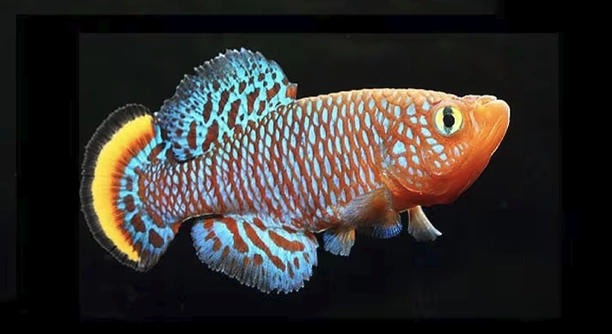
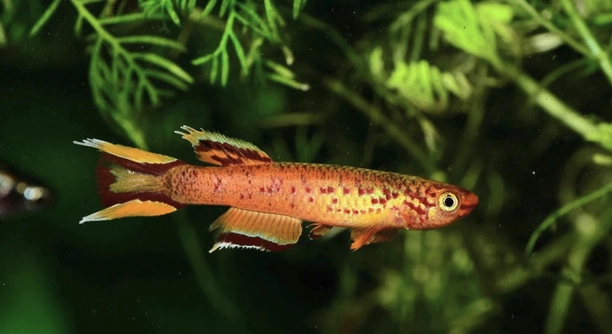
Can You Use LED Lights With Killi Tanks?

Killi tanks are popular among aquarium hobbyists for their unique fish and compact size. Many keepers want to create the best environment for their killifish, including choosing the right lighting. LED lights are often considered for their efficiency and brightness. LED lights can be used with killi tanks, provided they do not produce excessive heat … Read more
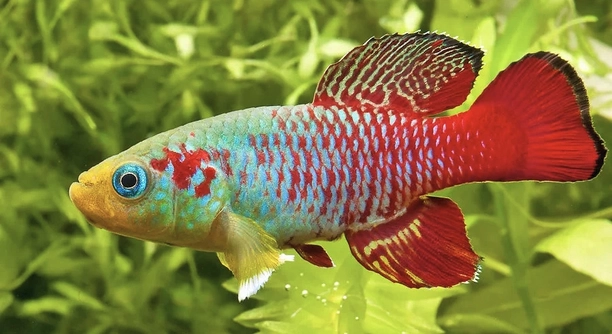
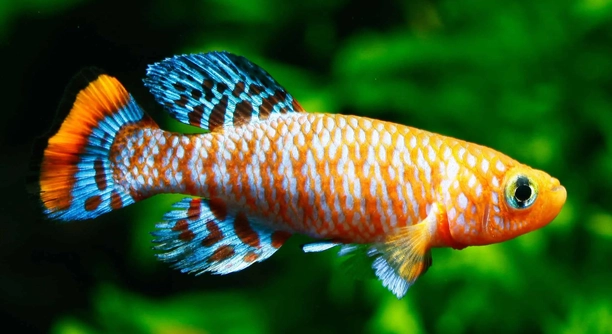
7 Common Diseases in Killi Fry

Killi fry are small, colorful fish often kept by hobbyists who appreciate their beauty and behavior. These delicate creatures can face several health challenges in captivity, which may affect their survival and growth. Knowing about common diseases helps keep them healthy. Seven common diseases affect killi fry, including fungal infections, bacterial infections, parasitic infestations, swim … Read more

Do Killi Fish Like Strong Currents?

Killi fish are small, colorful freshwater fish often kept in home aquariums. Many fishkeepers wonder about their preferred water conditions and how they respond to water movement. Understanding their needs helps create a better environment for these delicate creatures. Killi fish generally do not prefer strong currents. They thrive best in calm or gently flowing … Read more

Can Killi Fish Survive in Small Bowls?

Many people enjoy keeping killi fish because of their bright colors and unique behaviors. These small fish are often chosen for home aquariums, especially by beginners. Their care needs can vary, which makes understanding their environment important. Killi fish can survive in small bowls, but only if conditions are carefully managed. Proper filtration, regular water … Read more

How to Tell If Killi Fish Are Overcrowded

Are your killifish showing signs of stress or unusual behavior? Overcrowding in tanks is a common issue that can affect their health and well-being. Knowing the signs of overcrowding helps maintain a healthy environment for your fish. Killifish become overcrowded when tank space is insufficient for their number, leading to increased aggression, poor water quality, … Read more

Why Are Killi Fish So Hard to Photograph?

Killi fish are small, colorful creatures that many aquarium lovers enjoy. Their unique patterns and lively movements make them interesting pets. However, capturing clear photos of these fish can be surprisingly difficult for many hobbyists. Killi fish are hard to photograph mainly because of their quick movements, small size, and shy behavior. Their tendency to … Read more

7 Steps to Treat Killi Fish Ich Safely

Killi fish are delicate and beautiful pets that require special care to stay healthy. Ich is a common disease that can affect them, causing discomfort and health issues. Knowing how to treat it safely is important for every fish owner. Treating killi fish ich safely involves a careful, step-by-step approach that includes isolating affected fish, … Read more

How to Travel With Killifish Safely

Traveling with killifish requires careful preparation to ensure their safety and well-being. These delicate fish need specific conditions during transport to avoid stress and harm. Proper handling is essential for a smooth journey. The best way to travel with killifish safely is by using secure, well-aerated containers with stable water temperature and minimal movement. Providing … Read more

Can You Keep Killis Without a Filter?

Keeping killifish without a filter is a topic that many aquarium enthusiasts consider. Killifish are known for their vibrant colors and unique behaviors. Understanding their care needs is important to maintain a healthy environment in your tank. Killifish can survive without a filter, but only with careful maintenance such as frequent water changes and a … Read more

Why Do Killis Linger at the Bottom?

Killis are small, colorful fish that often attract attention in home aquariums. Many fishkeepers notice that killis tend to stay near the bottom of the tank rather than swimming freely at all levels. This behavior can seem puzzling but is quite common among these species. Killis linger at the bottom mainly because of their natural … Read more