
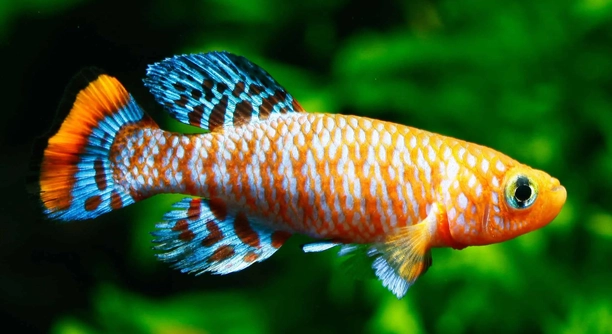
Killi fish are small, colorful freshwater fish often kept in home aquariums. Many fishkeepers wonder about their preferred water conditions and how they respond to water movement. Understanding their needs helps create a better environment for these delicate creatures.
Killi fish generally do not prefer strong currents. They thrive best in calm or gently flowing water, which mimics their natural habitats like slow-moving streams and ponds. Strong currents can stress them and interfere with their normal behavior.
Knowing how water flow affects killi fish is important for maintaining their health and comfort in captivity. This article will help you provide the right conditions for your fish to flourish.
Natural Habitat of Killi Fish
Killi fish naturally live in quiet waters like ponds, marshes, and slow streams. These areas usually have little to no strong current, allowing the fish to swim calmly and find food easily. The slow movement of water also helps plants grow, which provide shelter and breeding spots for killi fish. When kept in aquariums, mimicking this environment is important to reduce stress and encourage natural behavior. Strong currents in tanks can tire them out and make it difficult for them to swim properly. Many killi fish species come from environments with dense vegetation and calm waters, so they rely on these conditions for safety and comfort. Providing gentle water flow also supports better oxygen levels without overwhelming the fish. Understanding their habitat helps create a more suitable tank that supports their health and well-being over time.
Killi fish prefer slow-moving water with plenty of plants for shelter and breeding.
Creating a calm aquarium environment similar to their natural habitat supports killi fish health and natural behavior. Gentle water flow and plant coverage help reduce stress and make them feel secure. This balance also encourages active swimming and breeding, which is important for their overall care. Avoiding strong currents prevents exhaustion and helps maintain clear water for these sensitive fish. Proper water flow improves oxygen levels without disrupting their routine. Ensuring the tank conditions are close to what they experience in the wild allows killi fish to thrive and display their natural colors and behaviors more fully. This approach leads to a happier, healthier aquarium.
Effects of Strong Currents on Killi Fish
Strong currents can cause several problems for killi fish in captivity. They may struggle to swim and use more energy just to stay in place, which can lead to stress and weakened immune systems. Constant exposure to fast-moving water can tire them out, making them less active and more vulnerable to illness. Strong currents also disrupt their feeding habits because food particles move too quickly, making it hard for them to catch meals. Additionally, breeding can be negatively affected, as eggs and fry may get swept away or damaged. Killi fish rely on calm conditions to safely build nests and protect their young. In a tank with strong water flow, these natural behaviors become difficult, reducing their chances of successful reproduction.
Killi fish do best in aquariums with gentle water movement to avoid stress and health issues.
To ensure killi fish remain healthy and comfortable, tank water flow should be controlled carefully. Using equipment like adjustable filters or adding decorations can help reduce current strength. By keeping the water calm, you support their natural habits and improve their quality of life.
How to Create a Gentle Current in Your Aquarium
To keep killi fish comfortable, it’s important to control the water flow in the tank. Using a filter with adjustable settings helps create a gentle current that won’t overwhelm the fish.
One way to reduce strong currents is by placing decorations like rocks, plants, or driftwood near the filter’s output. These objects break up the flow and create calmer areas where killi fish can rest. Positioning the filter so it doesn’t blow directly across the tank also helps. You can direct the water towards a corner or the surface to lower the current’s strength. Gentle aeration is enough to keep oxygen levels stable without causing stress. Regularly checking the tank for signs of strong currents, such as fish struggling or hiding, can guide adjustments. These steps make a big difference in mimicking their natural habitat and keeping killi fish happy.
Another useful method is to choose a filter designed for small tanks or slow flow. Sponge filters or internal filters with low flow rates are often ideal for killi fish setups. These filters provide adequate filtration without strong water movement. Additionally, live plants contribute by slowing the current and improving water quality. The balance between filtration and gentle water flow helps maintain a healthy environment. By taking these measures, you support the natural behavior and health of killi fish, making your aquarium a better home for them.
Signs Your Killi Fish Are Uncomfortable With Strong Currents
Killi fish that are stressed by strong currents often show visible signs of discomfort. They may hide frequently or remain still at the tank bottom to avoid fighting the flow.
You might also notice them having trouble swimming, especially if they seem to struggle against the current or get pushed around. Loss of appetite or changes in behavior such as aggression or lethargy can indicate stress. Fish that are constantly tired or showing faded colors may also be affected. Watching your killi fish closely will help you identify if the current is too strong. Early detection allows you to adjust the tank setup before health problems develop. Observing these signs helps ensure a peaceful and suitable environment for your fish.
Best Tank Setup for Killi Fish
A tank with slow or no current is best for killi fish. Use plenty of plants and hiding spots to create calm areas where they can rest.
Adding floating plants can also help reduce surface agitation and light intensity, making the environment more natural and comfortable.
Choosing the Right Filter for Killi Fish
Filters that produce gentle water movement, like sponge filters or low-flow internal filters, are ideal for killi fish tanks. These filters provide good water quality without creating strong currents that can stress the fish. Adjustable filters allow fine-tuning the flow to match your tank’s needs. Avoid powerful external filters unless the flow can be directed or reduced. Proper filtration supports fish health while keeping water conditions stable and calm.
Feeding Killi Fish in Low-Flow Tanks
Feeding is easier when the water flow is gentle. Food stays near the surface longer, allowing killi fish to eat comfortably without chasing fast-moving particles.
Avoiding Common Mistakes with Water Flow
Strong currents or poor tank decoration can make killi fish stressed and unhappy, so always adjust flow carefully.
FAQ
Do killi fish need a filter with a strong current?
Killi fish do not need a strong current in their tank. In fact, strong water flow can cause stress and fatigue. A gentle filter or sponge filter works best because it cleans the water without pushing it too fast. This creates a calm environment similar to their natural habitat.
Can killi fish survive in a tank with no water movement?
While killi fish prefer calm water, some movement is necessary to keep oxygen levels stable. A tank with no flow at all may cause low oxygen, which is harmful. Using gentle aeration or a slow filter helps maintain water quality without stressing the fish.
How can I reduce strong currents in my aquarium?
You can reduce strong currents by adjusting your filter’s flow rate if it has that option. Adding decorations like plants, rocks, or driftwood near the filter output can break up and slow the water flow. Positioning the filter to blow towards a corner or the tank’s surface also helps.
Are there signs that my killi fish are stressed from strong currents?
Yes. Fish that are stressed by strong currents often hide more, swim with difficulty, or stay near the tank bottom. They might lose their appetite, show less color, or become lethargic. Watching your fish carefully can help you notice these signs early and adjust the current.
What type of filter is best for a killi fish tank?
Sponge filters and low-flow internal filters are usually the best choices. They provide good filtration without creating a strong current. Adjustable filters are helpful because you can control the water flow. Avoid high-power external filters unless you can control the output flow.
Can plants help with controlling water flow?
Yes, plants are very useful for reducing strong currents. Dense planting slows down water movement and provides hiding places. Floating plants reduce surface agitation, which helps keep the water calm. Live plants also improve water quality by absorbing waste.
Is it okay to keep killi fish with other species that prefer strong currents?
It’s generally not a good idea. Killi fish prefer calm water, while species that like strong currents need different tank conditions. Keeping them together can cause stress for the killi fish. If you want a community tank, choose species with similar flow preferences.
How often should I check the water flow in my killi fish tank?
Regular checks are important. Watch how your fish behave daily to see if the current feels too strong or weak. Physically inspect the filter and tank decorations weekly to make sure water flow is balanced. Small changes in equipment or decoration can affect flow.
Can strong currents affect breeding in killi fish?
Yes, strong currents can disrupt breeding. Killi fish need calm water to build nests and protect their eggs. Fast-moving water can wash away eggs or fry, lowering breeding success. Maintaining gentle water flow supports natural breeding behavior and better survival rates.
What is the ideal water flow speed for killi fish?
There isn’t a specific number because flow depends on tank size and setup. Generally, very slow or barely noticeable water movement works best. The goal is to mimic the calm streams and ponds where they come from. Observing your fish will help you find the right flow.
Can killi fish adapt to stronger currents over time?
Killi fish are not built for strong currents and don’t adapt well to them. Prolonged exposure to fast-moving water can lead to stress and health problems. It’s better to provide an environment that suits their natural preferences from the start.
Are there any equipment tips to improve water flow control?
Using adjustable filters or adding flow control valves can help. Adding sponge covers or diffusers on filter outlets reduces the force of water. Rearranging decorations to break the flow into smaller streams creates a gentle overall current. These simple changes make a big difference.
How do I know if my filter flow is too weak?
If the water looks stagnant, or waste accumulates quickly, the flow might be too weak. Low flow can cause poor oxygen levels and water quality issues. Balance is key: enough movement for filtration and oxygen, but gentle enough for killi fish comfort.
Can strong water flow cause injury to killi fish?
Yes, constant strong currents can physically tire and injure killi fish. They may develop torn fins or damaged scales from fighting the flow. Protecting your fish from strong water movement prevents these injuries and helps them stay healthy.
Is there a way to test water flow in the tank?
You can test flow by observing floating objects like a small leaf or piece of paper. Watch how quickly and strongly they move through the water. This simple test helps identify if the current is too fast and needs adjusting.
Can air stones replace filters for gentle water movement?
Air stones add bubbles and gentle circulation but do not filter water. They can help improve oxygen but should be used with a filter to keep the water clean. Air stones alone don’t remove waste and might create too much surface agitation if overused.
Killi fish are delicate creatures that thrive best in calm, gentle water environments. Their natural habitats usually have slow-moving or still waters, which help them stay comfortable and healthy. When setting up an aquarium for killi fish, it is important to keep water flow low. Strong currents can cause stress and make it hard for these fish to swim and eat properly. By providing a peaceful water environment, you support their natural behavior and well-being.
Creating the right water conditions for killi fish involves choosing the proper filter and adjusting the flow carefully. Using a sponge filter or a low-flow internal filter is a good way to maintain clean water without strong currents. Adding plants and decorations near the filter’s output can help break up the water flow and create calm zones in the tank. These measures mimic the quiet streams and ponds where killi fish are found in the wild. Paying attention to the fish’s behavior can help identify if the current is too strong or too weak, allowing for timely changes.
Overall, understanding the water flow needs of killi fish is essential for their care. Avoiding strong currents protects them from stress, injury, and health problems. Gentle water movement helps maintain oxygen levels and water quality without disrupting their comfort. With the right setup, killi fish can show their natural colors, swim actively, and breed successfully. Keeping their environment peaceful and well-balanced leads to happier, healthier fish over time.

Hello,
If you enjoy the content that we create, please consider saying a "Thank You!" by leaving a tip.
Every little bit helps us continue crafting quality advice that supports the health, happiness, and well-being of pets around the world, for pets of all shapes, sizes, and species.
We really appreciate the kindness and support that you show us!